CPT code 93503: Swan-Ganz catheter billing and modifiers
CPT code 93503: Official descriptor and procedure overview In the AMA CPT code s...

Last Updated: Oct 23, 2026

CPT code 12020 covers treatment of superficial wound dehiscence with simple closure, under the Integumentary System / Repair (Closure) section of the CPT codebook
CPT 13160 is the companion code for extensive or complicated dehiscence – never use 12020 when the wound requires secondary closure with complex repair
Modifier 78 is required when billing 12020 during the global period of a prior surgery; omitting it is one of the most common denial triggers for this code
Pabau’s practice management software links CPT code selection to clinical documentation at the point of care, reducing retrospective coding errors and missed modifier applications
CPT code 12020 reports the treatment of superficial wound dehiscence by simple closure, billed when a previously closed surgical wound reopens at the skin and subcutaneous layer only and is reclosed with sutures, staples, or adhesive strips.
It sits in the Repair (Closure) subsection of the Integumentary System and is most often used during post-operative follow-up visits, when the treating clinician manages a reopened incision without returning to the operating room.
The sections below cover the modifiers, ICD-10 pairings, and documentation elements this code requires for a clean claim.
CPT code 12020 describes the treatment of superficial wound dehiscence by simple closure. Wound dehiscence is the partial or complete separation of a previously closed surgical wound. When that separation is confined to the superficial tissue layer and can be managed with straightforward reclosure, CPT code 12020 is the correct code to report.
Practices billing for plastic surgery and wound care see this code regularly at post-operative follow-up visits.
The American Medical Association (AMA), which maintains the CPT code set, places 12020 in the Repair (Closure) subsection of the Integumentary System. The full official descriptor is: Treatment of superficial wound dehiscence; simple closure. Note the semicolon: it signals that simple closure is a required component of the procedure, not an optional add-on.
If closure isn’t performed, 12020 doesn’t apply. The same base descriptor continues in CPT 12021 (Treatment of superficial wound dehiscence; with packing), used when the reopened wound is packed rather than closed.
Choosing between CPT code 12020 and CPT 13160 is where most coding errors originate. Although the clinical distinction is straightforward in theory, it is harder to apply at the chart level.
According to the American College of Emergency Physicians, or ACEP, 12020 applies to superficial dehiscence managed by simple closure; in contrast, 13160 covers secondary closure of extensively dehisced or complicated wounds that require more involved repair work.
A practical rule: if the treating clinician can close the wound in the office with local anesthesia and simple sutures, 12020 applies. However, if the patient needs to return to the operating room, 13160 is almost certainly the correct code.
In either case, document the wound depth, extent of separation, and closure method explicitly in the note, since payers routinely audit this distinction.
Modifier selection for CPT code 12020 depends primarily on whether the dehiscence occurred within the global period of a prior surgical procedure. Getting this wrong is the single most common reason claims for this code are denied. Global period rules follow the same logic across related wound repair codes.
Check the global period length of the original procedure before selecting a modifier. CPT 12020 itself carries a 10-day global. If the dehiscence is treated during the original surgeon’s 90-day global period, modifier 78 is typically required. If the 12020 is performed by a different physician than the original surgeon, modifier 79 may apply instead. Confirm the original procedure’s global period in the CMS Physician Fee Schedule before billing.
Skin and reconstructive procedures generate detailed claims, so comparing the best plastic surgery software is worth the time.
Every claim for CPT code 12020 needs a paired ICD-10-CM diagnosis code, and the primary wound dehiscence codes come from the T81.3- disruption-of-wound family. The diagnosis must support medical necessity for the dehiscence treatment, so payers expect a code that reflects the nature of the wound separation and its post-procedural context.
The same ICD-10 pairing logic applies across integumentary procedures.
Always confirm ICD-10-CM code currency against the FY2026 tabular list. The 7th character extension (A for initial encounter, D for subsequent, S for sequela) is required for T81 codes and is a frequent source of claim rejection when omitted. Injury codes outside that family follow the same rule, so S82.036S reads as the sequela of a patella fracture.
Relative value units (RVUs) determine Medicare payment for CPT code 12020. Use the CMS Physician Fee Schedule lookup tool to find current RVU values by MAC region. Drugs are not on that schedule, so a product such as J7326 is priced from the quarterly ASP file instead.
RVUs update annually, and the CY2026 fee schedule applies a -2.5% efficiency adjustment to work RVUs for most non-time-based procedure codes, so confirm current-year figures before billing rather than relying on the table below alone.
Medicare payment is calculated per RVU component, not as a single blended total: Payment = [(Work RVU × Work GPCI) + (PE RVU × PE GPCI) + (Malpractice RVU × MP GPCI)] × Conversion Factor. Because GPCI adjusts each component separately by locality, a practice in Manhattan will receive a different payment than one in rural Arkansas for the same code. Locality adjustment does not reach drug payment, so a digoxin line billed as J1160 pays the same in both places.
To generate location-specific estimates, use the FastRVU 2026 lookup tool or the free PCC RVU calculator. The non-facility rate is significantly higher than the facility rate because the practice bears the overhead cost of supplies and staff when performing the procedure in-office. Some supplies stay separately billable even so, and A4211 covers the items a patient uses for injections at home.
Billing errors for CPT code 12020 cluster around three points: missing documentation, wrong modifier, and mismatched ICD-10. The workflow below addresses all three. Using claims management software that connects documentation to code submission keeps the clinical encounter and the submitted claim consistent, rather than reconciling them after the fact. Revenue cycle management treats coding, submission and collection as one process rather than three handoffs.
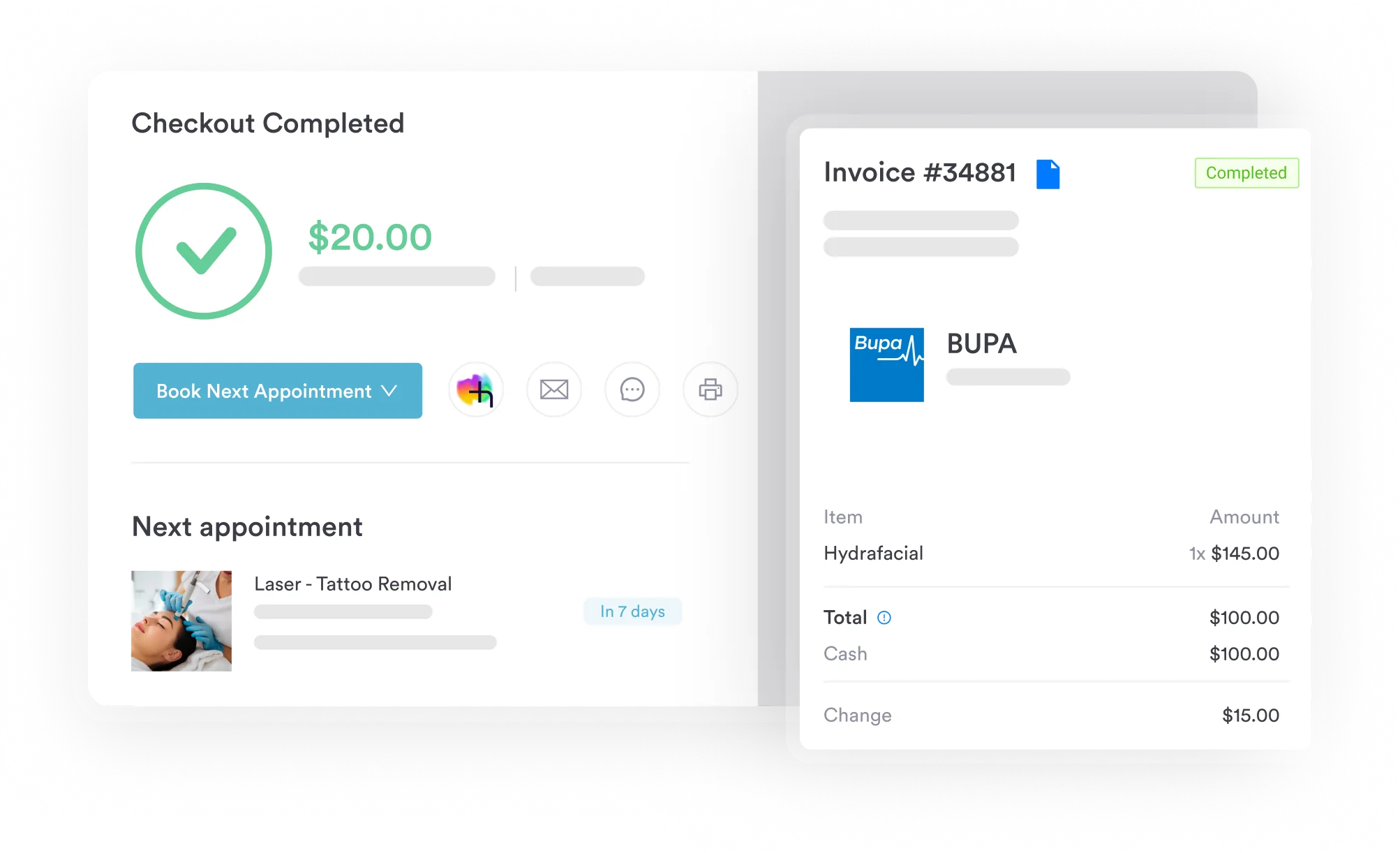
Practices managing high volumes of post-operative wound care often find that integrating digital clinical forms into the consultation workflow speeds documentation, since the fields it pre-populates are the same ones auditors look for during claims review. The same forms can log equipment issued during recovery, down to a replacement armrest billed under K0015.
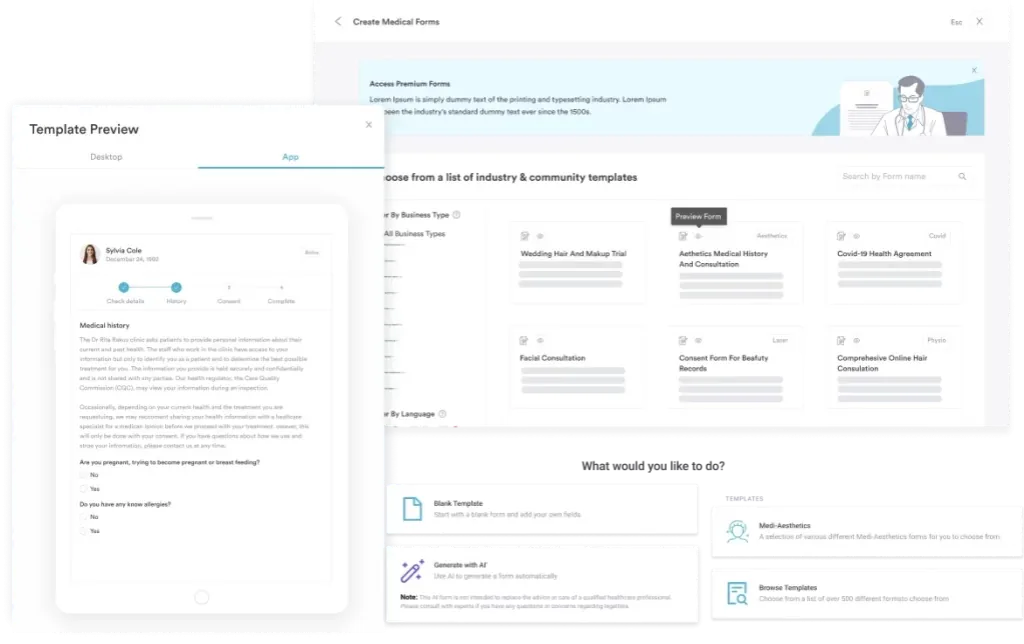
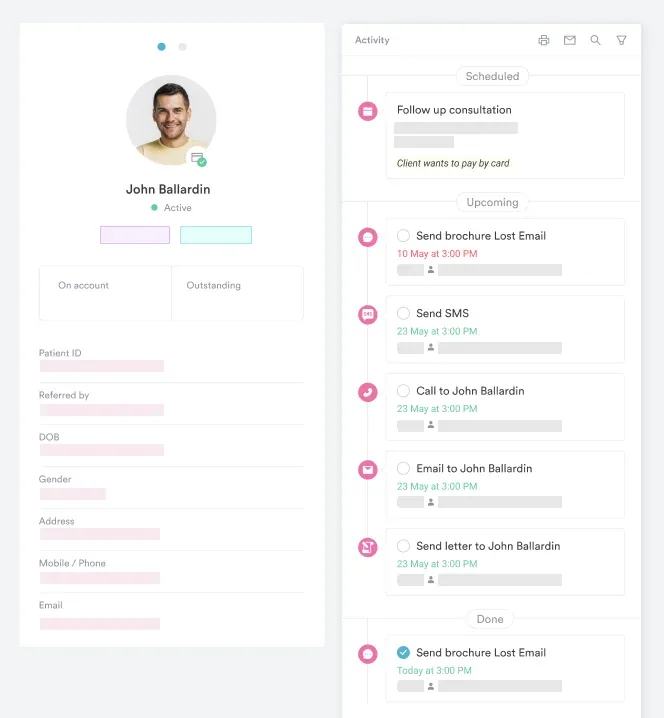
Documentation is what separates a clean claim from a denial or audit finding. The clinical note supporting a CPT code 12020 claim must include the following elements. Practices using structured patient records with templated wound assessment fields are better positioned to capture all of them consistently.
If the practice also supplies wound-care adjuncts, such as a pressure-relief mattress pad billed under E0185, document that separately from the dehiscence closure note so the two claims stay distinct. Higher-cost items need more behind them, and a wearable defibrillator billed under K0606 carries its own order and necessity file.
Missing even one of these seven elements invites a request for additional documentation or an outright denial. Build a wound dehiscence note template that populates these fields by default, rather than relying on individual clinicians to remember all of them on every visit.
For practices managing HIPAA-compliant clinical documentation across multiple providers, standardizing the dehiscence note template is also a compliance control, since inconsistent documentation across a practice creates audit exposure even when the underlying coding is correct. That matters most on high-cost lines, where an immune globulin such as J1568 needs its dose and waste recorded to the milligram.
Knowing the adjacent codes helps with both accurate code selection and crosswalk questions from payers. Adjacent size-tier codes such as CPT 12013 for facial wounds follow the same length-based logic as 12001 and 12002 for other body sites. The AAPC’s CPT code lookup database is a reliable commercial reference for verifying descriptors and hierarchy. UK private practices work from the CCSD schedule instead, where a thyroid core biopsy sits under B1230.
CPT 11042 (debridement of skin and tissue) deserves a specific note: if the wound required debridement before simple closure was possible, debridement may be separately billable if the documentation supports it as a distinct service. However, always confirm NCCI bundling edits before billing both codes on the same date.

Pabau links CPT code selection to documentation at the point of care, so the right codes, modifiers, and diagnosis pairings are captured before the claim is submitted, not after a denial.

The National Correct Coding Initiative (NCCI) publishes bundling edits that restrict which codes can be billed together on the same date of service. For CPT code 12020, the most relevant bundling scenarios involve debridement codes and E/M services. Because payers apply NCCI edits automatically, claims that violate bundling rules are denied without human review. Drug lines are checked the same way, so a hyaluronan injection such as J7323 is edited against the procedure that delivered it.
NCCI edits update quarterly, so verify current edits against CMS NCCI tables before billing any code combination not routinely used in your practice. Units deserve the same check, since a J1200 line is counted in 50 mg increments rather than by vial.
Run a quarterly NCCI edit check for your top 10 most-billed CPT codes. CMS releases updated bundling tables in January, April, July, and October. A 15-minute review each quarter prevents claim denials that take hours to appeal. Your billing software should have a mechanism to ingest updated NCCI tables automatically.
Practices managing post-operative wound care often bill CPT code 12020 during follow-up visits within a surgical episode, where modifier selection, global period tracking, and ICD-10 specificity all have to happen correctly at the same time — a lot of variables to manage manually across multiple providers and locations.
Pabau’s claims management software is built for exactly this scenario: connecting what the clinician documents in the consultation note to what gets submitted on the claim, so the coding team isn’t reverse-engineering the encounter after the fact.
For plastic surgery and dermatology practices that handle wound dehiscence regularly.
Multi-location practices can track reimbursement performance by CPT code across sites using Pabau’s built-in reporting and analytics tools, making it straightforward to identify which locations have higher denial rates for specific codes and where to focus documentation training.
Most denials for CPT code 12020 trace back to three avoidable errors: missing documentation of wound depth, a wrong or missing modifier during the global period, and an ICD-10 code missing the required 7th character. Fix those three and the code bills cleanly in the vast majority of cases.
Pabau’s claims management software connects clinical documentation to CPT code selection at the point of care, so the right codes, modifiers, and diagnosis pairings are captured before the claim is submitted, and denials are caught before they happen. To see how it works for wound care and post-operative billing, book a demo.

Coding a mood disorder linked to illness? ICD-10 code F06.31 coding guide covers the mood disorder code that requires documenting the specific medical condition causing the depressive symptoms.
Billing a procedure with its own fee-schedule quirks? OMT reimbursement rates breaks down how CPT codes 98925-98929 are valued and paid under the Medicare Physician Fee Schedule.
Coding a stimulant dependence diagnosis? ICD-10 code F15.20 coding guide covers stimulant dependence and the coding mistakes, like confusing dependence with abuse, that cause claim rejections.
CPT code 12020 is used to report the treatment of superficial wound dehiscence by simple closure. It applies when a previously closed surgical wound reopens at the superficial layer and is reclosed in the office or clinic using sutures, staples, or wound closure strips without complex repair techniques.
CPT 12020 covers superficial wound dehiscence managed with simple closure, typically in an office setting. CPT 13160 covers extensive or complicated wound dehiscence requiring secondary closure, often in an operating room with general or regional anesthesia and involvement of deeper tissue layers.
Modifier 78 applies when CPT 12020 is performed during the global period of a prior surgery as an unplanned return to the procedure room. Modifier 79 applies when the dehiscence is from a different wound than the original surgical site. Modifier 25 is appended to the E/M code (not 12020) when a separately identifiable evaluation and management service occurs on the same date.
Bill CPT 12020 with modifier 78 when the dehiscence is an unplanned complication occurring during the global period of the original surgical procedure. Confirm the original procedure’s global period length in the CMS Physician Fee Schedule, document the clinical basis for the unplanned return, and select modifier 78 on the claim line.
The primary ICD-10-CM code is T81.31XA (disruption of external operation wound, not elsewhere classified, initial encounter) for the first visit. Use T81.31XD for subsequent encounters. The 7th character extension is required; omitting it is a common reason for claim rejection on this code family.
Both cover treatment of superficial wound dehiscence. CPT 12020 is reported when the wound is reclosed (simple closure), while CPT 12021 is reported when the wound is packed rather than closed. Report only one per wound based on how it was managed.