CPT Code 31653: EBUS With 3+ Mediastinal Stations
CPT code 31653: Official descriptor and clinical scope CPT code 31653 is the pro...

Last Updated: Oct 20, 2026
J5500 is the CCSD code for total pancreatectomy and excision of surrounding tissue. It covers removal of the whole pancreas, head, body and tail, plus the margin of peripancreatic fat, connective tissue and lymphatic tissue taken with it.
The code sits in Chapter 11 of the CCSD schedule, under other organs (mainly digestive). Partial resections, including Whipple's pancreaticoduodenectomy and distal pancreatectomy, take their own codes. J5500 applies only when the operative note confirms the entire gland was removed.
Let Pabau's smart automation suggest the right codes, reduce claim denials, and keep your practice compliant—effortlessly.
Automate repetitive tasks and focus on what matters most—your patients.
Reduce coding errors and ensure compliance with the latest regulations.
Clean claims, fewer denials, and faster reimbursements.
Powerful insights and reporting to help your practice thrive.
HIPAA compliant SOC 2 certified GDPR-compliant Trusted by 4,000+ clinics worldwide

CCSD code J5500 covers total pancreatectomy with excision of the surrounding tissue, never a partial resection or a drainage procedure.
The main ICD-10 pairings are C25.x for pancreatic cancer and K86.x for chronic pancreatitis, and a mismatched diagnosis is a common denial trigger.
Concurrent splenectomy is usually billed under its own code, while islet cell autotransplantation needs checking against the current CCSD schedule first.
Follow-up claims code pancreatogenic diabetes as E13 and exocrine pancreatic insufficiency as K86.8.
Pabau, the practice management platform we build, tracks pre-authorisation references and insurer denials against each J5500 claim.
CCSD code J5500 is defined as “total pancreatectomy and excision of surrounding tissue”. It means removal of the entire pancreatic gland together with the peripancreatic soft tissue envelope. The key word is total, because J5500 applies only when the complete gland is removed.
Partial procedures carry their own CCSD codes and must not be billed under J5500. That includes distal pancreatectomy, proximal pancreatectomy and Whipple’s pancreaticoduodenectomy. The neighbouring pancreatic codes sit alongside J5500 in the CCSD code library.
The “excision of surrounding tissue” part of the descriptor reflects standard practice in cancer and pancreatitis surgery. Surgeons routinely take a margin of peripancreatic fat, connective tissue and lymphatic tissue with the specimen. That margin is already inside J5500, so it never goes on the claim as a separate line.
A total pancreatectomy removes the head, body and tail of the pancreas in a single resection. The peripancreatic soft tissue named in the J5500 descriptor comes out with them. It is a much larger operation than a Whipple procedure, which preserves the body and tail.
The surgical steps matter for coding because the operative note must confirm total removal. Key intraoperative elements include:
The approach, whether open midline laparotomy or laparoscopic or robotic surgery, does not change the CCSD code itself. Check the current schedule for any approach modifier on laparoscopic cases, because this has changed between editions.
The clinical indication determines which ICD-10 diagnosis code accompanies J5500 on the claim. A mismatch between the procedure code and the diagnosis is among the most common reasons UK private insurers reject J5500 claims.
The four principal indications for total pancreatectomy are:
Document each indication in the referral letter, the pre-operative assessment and the histopathology request sent with the claim. Insurers expect clinical justification, and the operative note alone is rarely enough for a procedure this major.
Pairing J5500 with the correct ICD-10 diagnosis code is essential for claim acceptance. The codes below cover the main indications. Confirm precise sub-codes against the current UK ICD-10 edition before submission.
Cancer arising in the pancreatic neck codes to C25.7, which covers other parts of the pancreas. For a completion pancreatectomy, the primary ICD-10 code reflects the condition that drove the original surgery, usually C25.x or K86.x, not a complication code alone.
Most billing errors on this code start with confusing J5500 and the neighbouring pancreatic codes. The matrix below shows which parts of the gland each operation removes, and the code each one takes.
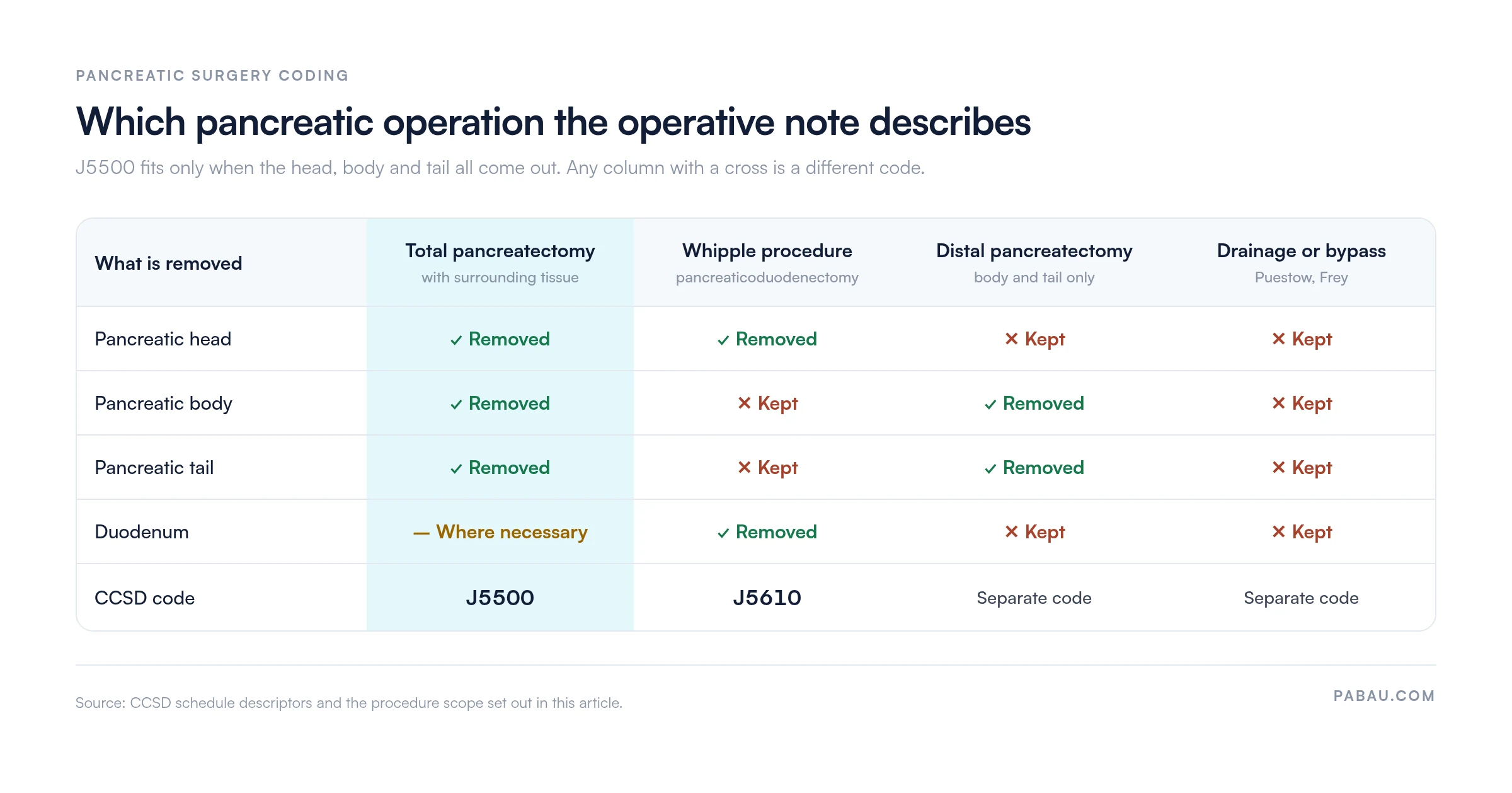
The Whipple procedure (pancreaticoduodenectomy) removes the pancreatic head, duodenum, common bile duct and gallbladder, but leaves the body and tail intact. A total pancreatectomy removes the entire gland. Billing J5500 for a Whipple is incorrect, because the Whipple has its own code, J5610.
A distal pancreatectomy removes the body and tail only, preserving the head. It is often performed for tumours in the tail of the pancreas. If the operative note confirms partial removal, the claim takes the distal pancreatectomy code instead of J5500, however much tissue was taken.
Pancreatic drainage operations, such as the Puestow and Frey procedures, and pancreaticojejunostomy do not resect the gland. They carry entirely separate CCSD codes. Mixing up drainage and resection codes is an unbundling risk that draws audits from Bupa and AXA Health.
Two concurrent procedures regularly arise alongside total pancreatectomy, and CCSD treats each one differently.
Splenectomy is performed during most total pancreatectomies. The splenic artery and vein run along the back of the pancreas and are usually taken en bloc with it. Concurrent splenectomy is billed with a separate CCSD code alongside J5500. Check the current schedule for the correct splenectomy code and each insurer’s co-procedure discount rules.
Total pancreatectomy with islet autotransplantation (TPIAT) harvests islet cells from the resected pancreas and infuses them back into the portal vein. Whether TPIAT has a standalone CCSD code or is bundled within J5500 depends on the schedule edition. This is a high-risk unbundling area that changes between releases.
Practical rule: check the CCSD schedule in force on the date of surgery before submitting an extra code for TPIAT. Billing a separate code when TPIAT is bundled is a leading cause of claim recoupment on this procedure.
UK private insurers expect several specific elements in the operative note before they accept a J5500 claim. Missing any one of them can trigger a request for more information, which delays payment by weeks.
The operative note must confirm:
Structured digital clinical forms that capture operative details at the point of care reduce the risk of a missing-information denial at the billing stage.
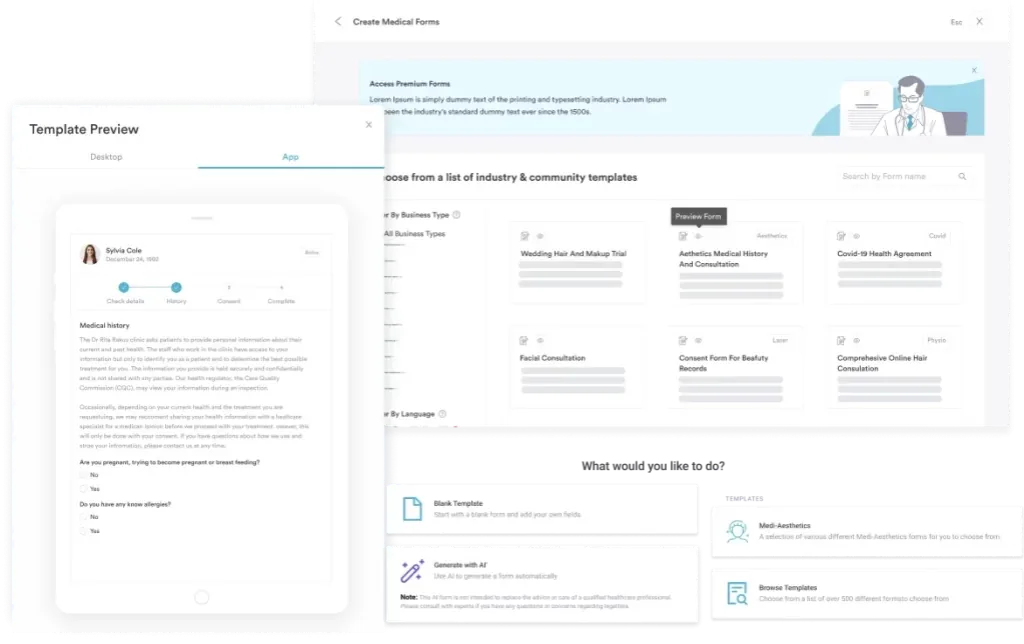
Build a J5500 documentation checklist into your surgical workflow. Review the operative note against it before the note leaves theatre, not at billing. Insurers flag retrospective corrections to operative notes as a compliance risk, and they can delay payment by four to six weeks.
Every major UK private insurer requires pre-authorisation before a total pancreatectomy goes ahead. A claim without a valid pre-authorisation reference is rejected at first review, whatever its clinical merit.
The standard pre-authorisation pack for a J5500 claim typically includes:
Bupa’s code search tool lets providers check pre-authorisation status and requirements by procedure code before submission.
Vitality Health’s fee finder provides CCSD-coded fee schedules and pre-approval guidance for surgical procedures. Confirm current requirements with each insurer’s provider portal, because pre-authorisation rules change between quarters.
For practices handling several private claims at once, tracking pre-authorisation status per patient and per insurer is the most common admin bottleneck. A missed pre-authorisation on a five-figure surgical claim cannot be fixed after the operation.
J5500 claims face close scrutiny because total pancreatectomy is rare, expensive and high-risk. Knowing the denial pattern lets you fix the problem before submission rather than on appeal.
The Healix fee schedule publishes unbundling guidelines showing which concurrent codes are acceptable alongside major surgery. It’s a useful reference when building a multi-code claim for total pancreatectomy with splenectomy.
Total pancreatectomy has two universal metabolic consequences that need ongoing ICD-10 coding at follow-up. Both generate continuing private healthcare claims, so code them accurately from the first post-operative visit.
Every patient who has a total pancreatectomy becomes fully insulin-dependent, because the whole endocrine pancreas is removed. This is type 3c (pancreatogenic) diabetes, which is neither type 1 nor type 2. The correct ICD-10 code is E13 (Other specified diabetes mellitus), not E10 or E11.
Coding E11 for a post-pancreatectomy patient distorts the clinical record and may affect future insurance assessment.
Without the exocrine pancreas, the patient can no longer produce digestive enzymes, so pancreatic enzyme replacement therapy (PERT) is needed for life. UK ICD-10 has no dedicated subcode for exocrine pancreatic insufficiency, so the code is K86.8 (Other specified diseases of pancreas).
Apply K86.8 consistently when billing follow-up consultations and PERT prescribing. Some coders keep using K86.1 (chronic pancreatitis) for the ongoing condition, even though surgery has removed the diseased gland.
Billing a complex CCSD surgical code like J5500 involves more moving parts than most practice systems handle well. A single case can need pre-authorisation tracking, concurrent code checks, a multi-code claim and an appeal.
Pabau’s claims management software is built for UK private practices billing CCSD-coded procedures. It captures the pre-authorisation reference against each appointment and looks up CCSD codes as the claim is built.
When an insurer rejects a claim, the denial reason sits next to the original codes and attached documents. A coder working a J5500 appeal sees all of it in one view, so the resubmission goes out sooner.
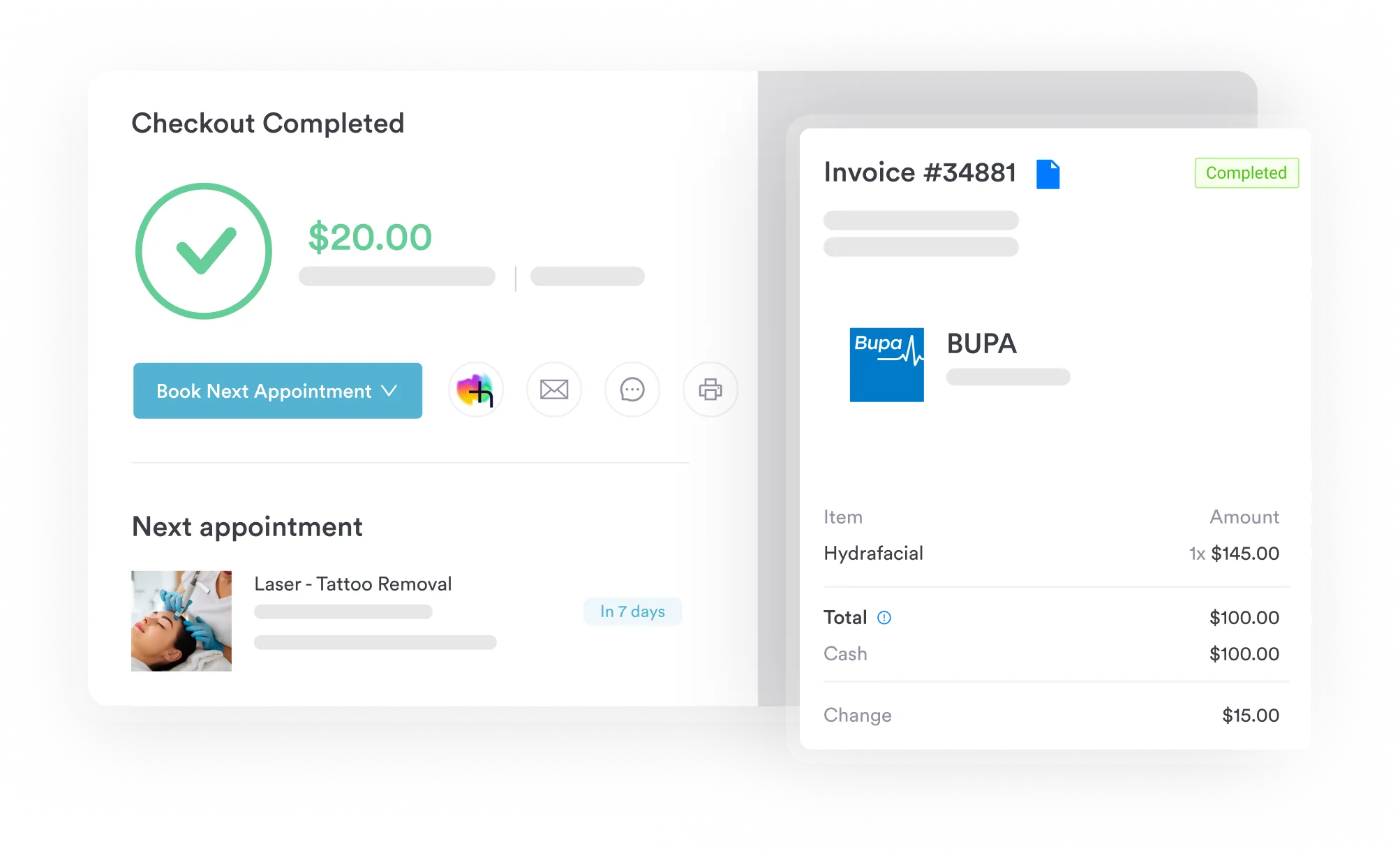
Surgical teams billing Bupa, AXA Health, Vitality and Aviva can manage each claim from one platform instead of juggling separate insurer portals. For how Bupa applies the schedule, see the Bupa CCSD procedure codes reference.

Pabau helps UK private practices track pre-authorisation, submit CCSD-coded claims and work denials without switching between insurer portals. See how it works for surgical teams.

J5500 rewards precision more than speed. Choosing the code is simple once the operative note says the whole gland came out. The claims that fail usually fail on paperwork: a missing pre-authorisation, a mismatched diagnosis or a vague note.
So put the checks before theatre, not after the denial. Confirm pre-authorisation, match the ICD-10 code to the indication and review the note against the documentation list. A few minutes of admin per case costs far less than weeks of delayed payment on a five-figure claim.
Book a demo to see how Pabau keeps pre-authorisation, coding and denials for major surgical claims in one place.

Billing other hepatobiliary surgery in the same chapter? CCSD code J1820 covers cholecystectomy with bile duct exploration and the operative note detail that decides the code.
CCSD code J5500 covers total pancreatectomy and excision of surrounding tissue. That means removal of the entire pancreas together with the peripancreatic soft tissue envelope. It does not cover partial, distal or Whipple resections, which each have a distinct CCSD code.
J5500 applies to removal of the whole pancreas. The Whipple procedure (pancreaticoduodenectomy) removes the pancreatic head, duodenum and bile duct, leaving the body and tail intact. It is coded J5610, so billing J5500 for a Whipple is an incorrect code selection and grounds for denial.
It depends on the current CCSD schedule edition, which decides whether islet cell autotransplantation (TPIAT) has its own code or is bundled within J5500. This rule has changed between releases, making it a high-risk area. Check the schedule in force on the date of surgery before submitting an extra code.
Yes. Splenectomy is commonly performed with total pancreatectomy because the splenic vessels run along the back of the pancreas. It is billed with a separate CCSD code alongside J5500. Co-procedure discount rules vary between Bupa, AXA Health and Vitality, so confirm them with the relevant insurer.
The most common reason is a missing pre-authorisation reference. Other triggers are a partial resection coded as total and a diagnosis code that doesn’t justify total pancreatectomy. Insurers also deny claims that unbundle procedures J5500 already includes, or whose operative note doesn’t confirm total removal.
Yes. Bupa, AXA Health, Vitality, Aviva, WPA, Healix, Allianz Care and Cigna all use the CCSD schedule for surgical billing, and J5500 appears in it. Fee levels, co-procedure discounts and pre-authorisation rules still vary by insurer, so check each insurer’s provider portal.