CPT Code 69610: Tympanic membrane patch repair (myringoplasty)
CPT code 69610: official descriptor and procedure overview CPT code 69610 descri...

Last Updated: Oct 19, 2026
H0280 is the CCSD code for laparoscopic appendicectomy, the keyhole operation that removes the appendix through small ports in the abdomen. It sits in Chapter 11 of the CCSD schedule, under sub-chapter 11.5.0 Large intestine. UK private medical insurers use it to pay the surgeon for the operation.
The code itself is simple, but the claim often isn't. Appendicitis rarely waits for an authorization call, and the operation tends to spill into neighboring codes. A diagnostic laparoscopy, a drained abscess or a converted open case can each add a code the insurer will reject. So bill H0280 on its own, and let the operation note carry the detail.
Let Pabau's smart automation suggest the right codes, reduce claim denials, and keep your practice compliant—effortlessly.
Automate repetitive tasks and focus on what matters most—your patients.
Reduce coding errors and ensure compliance with the latest regulations.
Clean claims, fewer denials, and faster reimbursements.
Powerful insights and reporting to help your practice thrive.
HIPAA compliant SOC 2 certified GDPR-compliant Trusted by 4,000+ clinics worldwide

CCSD code H0280 is laparoscopic appendicectomy, filed in Chapter 11 under sub-chapter 11.5.0 Large intestine.
The code covers the keyhole removal of the appendix, including the look around the abdomen that comes with it.
Open appendicectomy, abscess drainage, diagnostic laparoscopy and adhesiolysis are unacceptable combinations with H0280.
Most rejected H0280 claims trace back to a missing authorization number or a second code the insurer won’t pay.
The operation note should state the approach, the findings, any conversion and whether the appendix went to histology.
CCSD code H0280 means laparoscopic appendicectomy. The surgeon removes the appendix through small ports in the abdomen, using a camera instead of an open incision. In the US, the same operation is called a laparoscopic appendectomy and is billed under CPT code 44970.
The code belongs to the schedule kept by the Clinical Coding and Schedule Development (CCSD) Group. Bupa, AXA Health, Aviva and Vitality all sit in that group. Insurers use its codes to identify the procedure on a claim.
H0280 lives in Chapter 11 of the schedule, under sub-chapter 11.5.0 Large intestine. Its closest neighbor is H0210, open appendicectomy. So the approach, rather than the diagnosis, decides which of the two you use. Other operations in the schedule have their own guides under CCSD procedure codes.
One point often surprises new billing staff. The CCSD Group sets codes and their descriptions, but it does not set fees. Each insurer decides what it pays for H0280, and whether it covers the operation at all.
H0280 pays for the whole keyhole operation on the appendix. That means the ports, the inspection of the abdomen, the removal and the closure. The work needed to reach the appendix is covered by the same code.
For a converted case, confirm with the insurer which of the two codes it expects. Either way, the note has to explain when the surgeon converted and why.
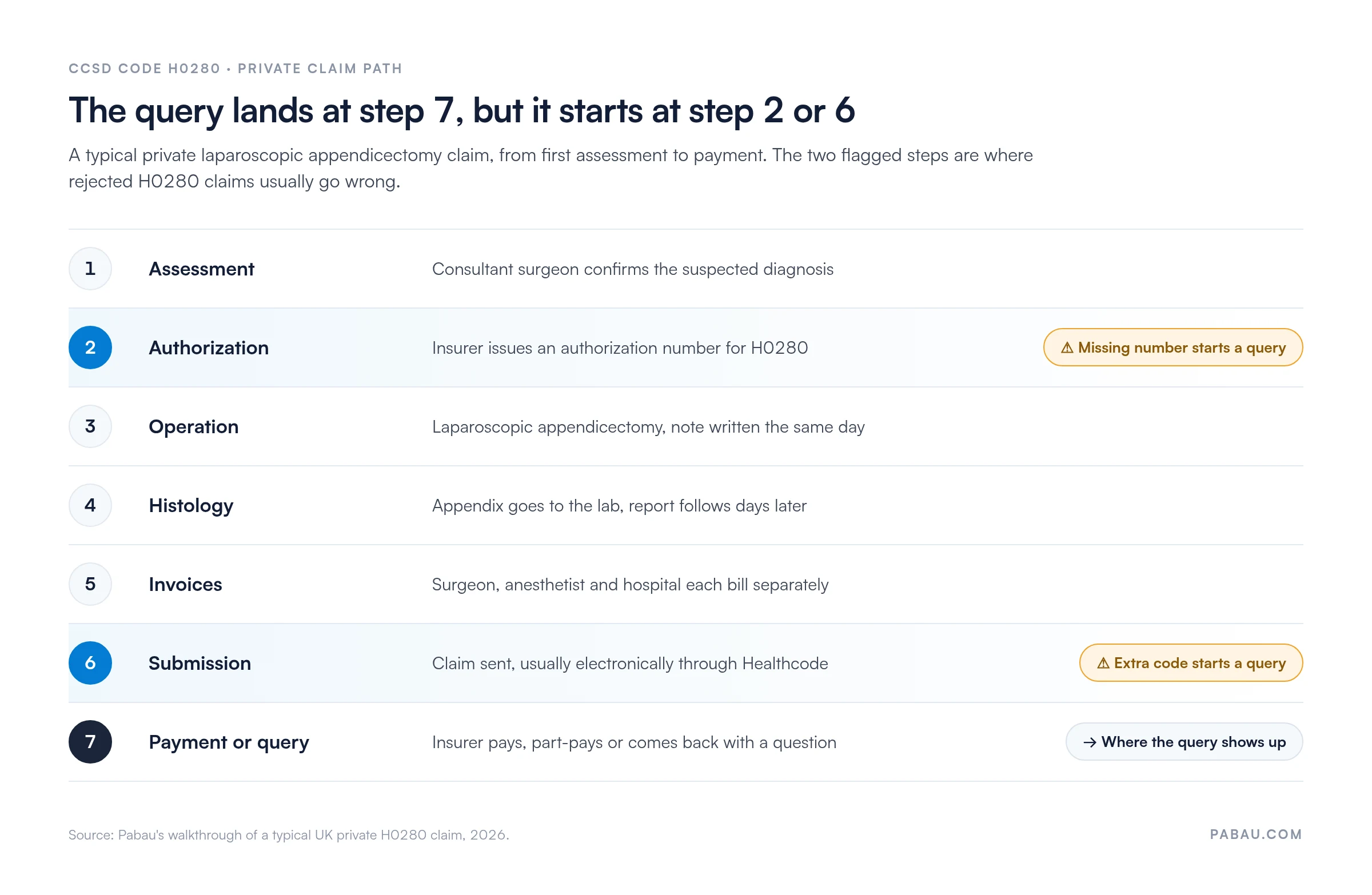
Appendicitis rarely books ahead, so the claim usually starts under pressure. Here is the path a typical private case follows.
Queries arrive at step 7, but the cause usually sits earlier. A missing authorization number at step 2, or an extra code at step 6, is what the insurer catches.
Insurers rarely ask for the full record on a routine H0280 claim. However, when they query one, the operation note is the first document they want. So write it as if someone outside the practice will read it.
A note that holds up to a query usually records the following:
The diagnosis line matters more than it looks. If the claim says acute appendicitis but the note only mentions abdominal pain, the two don’t agree. Then the insurer has a reason to ask. And if the note never names the type of appendicitis, the diagnosis can only go down as ICD-10 code K37.
CCSD lists unacceptable combinations for each code. These are pairs the insurer will not pay together, because one already includes the other. AXA Health’s published Chapter 11 code list reproduces the H0280 list.
The codes below are the ones most likely to come up around an appendix case.
The full list runs to more than 40 codes, from hernia repairs to cytoreductive surgery. Still, each insurer decides which combinations it enforces. So check the insurer’s own schedule before you add a second code.
A 28-year-old woman has right lower abdominal pain. The surgeon starts a laparoscopy, checks the ovaries, and finds a small amount of fluid but no cyst. The appendix looks only mildly inflamed, so the surgeon removes it and sends it to histology.
It’s tempting to bill three codes here, since the surgeon looked, checked the pelvis and removed an organ. However, J0900 and Q3900 both sit on the H0280 unacceptable list. The claim therefore carries H0280 alone.
What protects the claim is the note. It should say the appendix was removed because of the clinical picture, even though it looked near-normal. If histology later shows early appendicitis, add that to the record too.
Timing is the hard part with H0280. Private medical insurance is built around planned treatment, while appendicitis usually arrives as an emergency. Many UK policies don’t cover admissions that start in an NHS emergency department.
In practice, private H0280 cases tend to fall into two groups:
Recognition matters too. The insurer has to recognize the consultant before it pays the surgeon’s fee. Bupa, for example, lists its procedure codes in its online code search, and our guide to Bupa CCSD codes explains how its schedule works.
Run through these points before the claim leaves the practice. It takes a couple of minutes and saves weeks of back-and-forth.
Rejected H0280 claims follow a familiar pattern. Here are the usual causes, with the fix for each one.
Surgical practices often keep the operation note in one system and the claim in another. As a result, the authorization number and diagnosis get retyped, and that is where errors creep in. Pabau, the practice management software we build, keeps the note, the invoice and the claim on one patient record.
The procedure code attached to the service carries through to the invoice. Before the claim can be sent, Pabau checks required fields like the membership and authorization numbers.
From there, the claims management software submits it to UK insurers through Healthcode. Meanwhile, operation notes and histology reports sit in the patient’s medical records, ready if a query arrives.
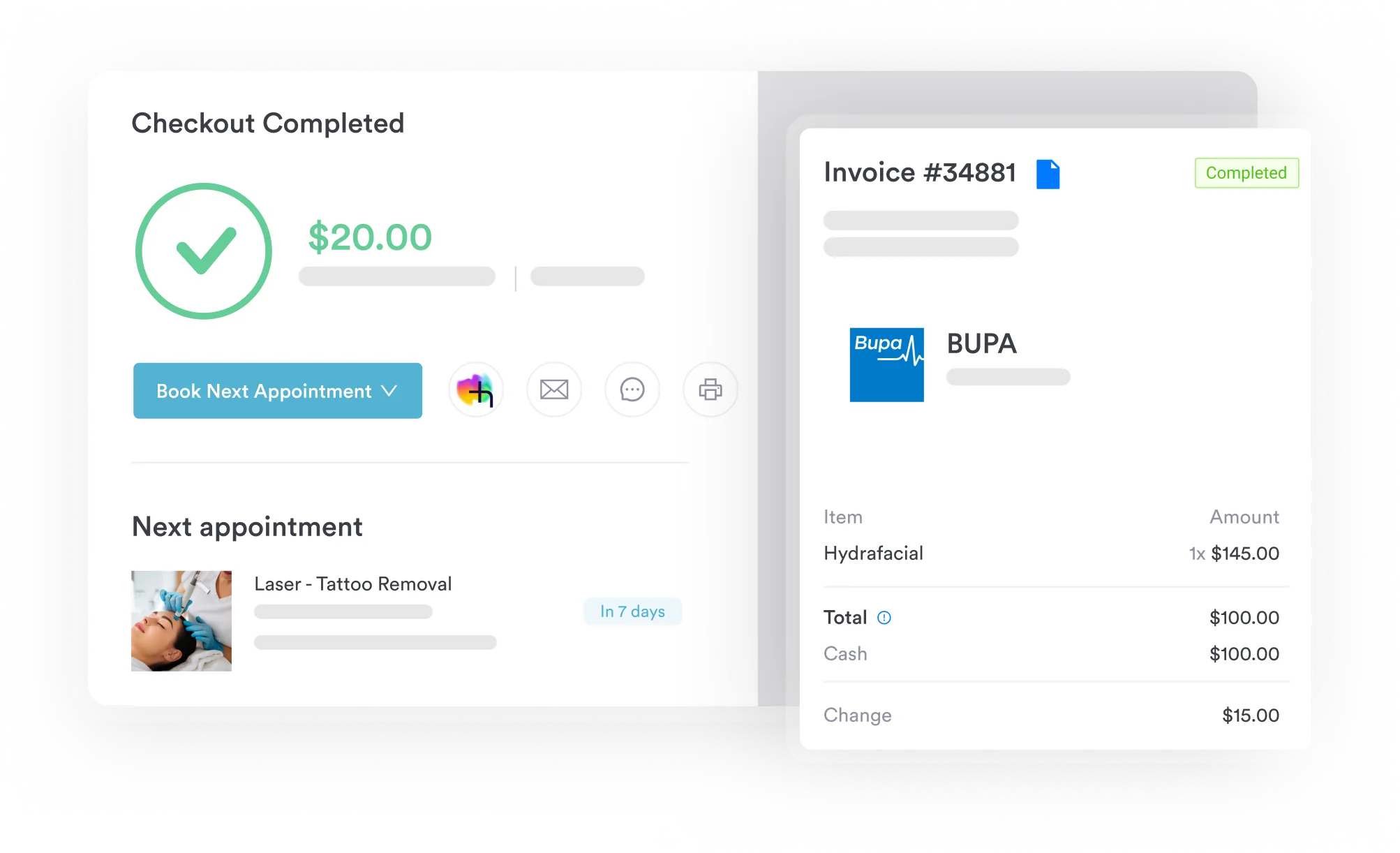
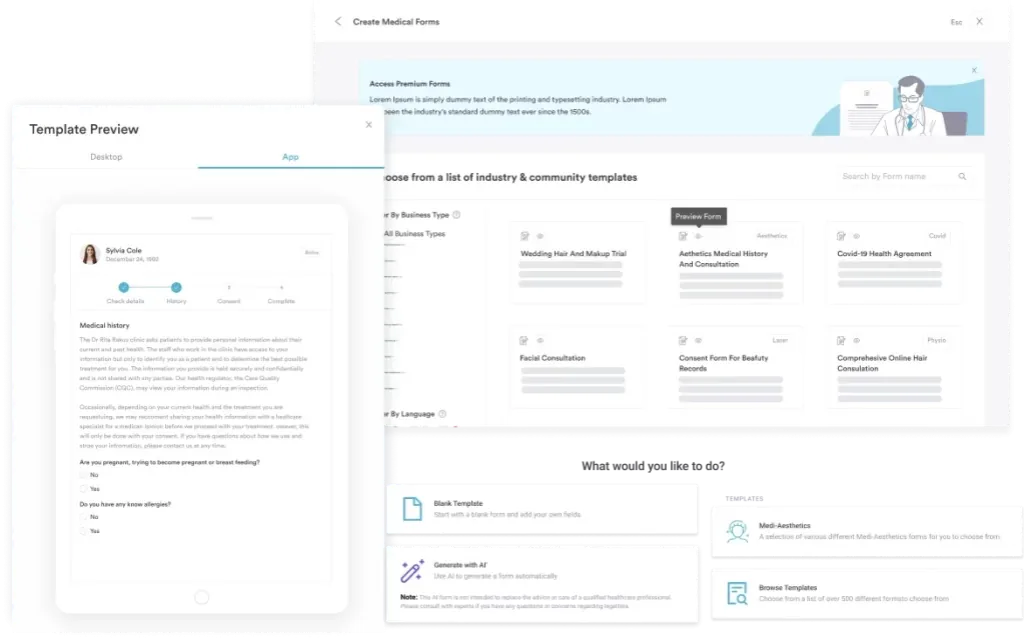

Pabau keeps operation notes, invoices and insurer claims on one patient record. Required fields are checked before submission, so fewer H0280 claims come back.

H0280 is one of the clearer codes in the CCSD schedule. The operation is well defined, and the code covers it from the first port to the last stitch. Claims usually go wrong at the edges instead, with a late authorization or a second code the insurer won’t pay.
So treat H0280 as a single-code claim by default. Let the operation note carry the detail that extra codes can’t. Then make the authorization call part of the admission, not an afterthought.
Book a demo to see how Pabau keeps surgical notes and insurer claims in step.

Billing more than one insurer? Bupa CCSD codes explains how Bupa uses the CCSD schedule and where to check its rules.
Need the diagnosis side of the claim? ICD-10 code K37: Unspecified appendicitis covers when the unspecified code fits.
Coding another keyhole bowel operation? CCSD code G6080 walks through laparoscopic small bowel resection.
Treating US patients as well? CPT code 44970 is the US code for laparoscopic appendectomy.
No separate code appears in AXA’s CCSD list. Check with your insurer, as many fund robotic surgery only up to the cost of the standard keyhole operation.
Each insurer sets its own fee. The CCSD Group only defines the code and its description, so check your insurer’s schedule or your recognition agreement for the rate.
Yes, if it is done laparoscopically. The H0280 description doesn’t separate emergency and planned operations, so a keyhole interval appendicectomy codes the same way.
Use the diagnosis the findings support. Acute appendicitis sits in the K35 category, while K36 covers other appendicitis and K37 unspecified appendicitis.
Often, but not always. Many policies exclude emergency admissions, so check the patient’s cover and get authorization before or as soon as possible after surgery.