CPT code 28008: Fasciotomy, foot and/or toe
What is CPT code 28008? CPT code 28008 is the surgical code for a fasciotomy per...

Last Updated: Oct 19, 2026
F4050 is the CCSD code for graft of skin or mucosa to mouth. A surgeon bills it when skin or mucosa from another site covers a defect in the lining of the mouth. It sits in Chapter 6 of the CCSD schedule, under 6.5.0 Mouth Cavity.
F4050 is a consultant's surgical code, not a periodontal one. For billing, the key rule is its list of unacceptable combinations: F3810, F4040, F4210 and F4230. The sections below show when the code applies, what the operative note needs and how the claim gets paid.
Let Pabau's smart automation suggest the right codes, reduce claim denials, and keep your practice compliant—effortlessly.
Automate repetitive tasks and focus on what matters most—your patients.
Reduce coding errors and ensure compliance with the latest regulations.
Clean claims, fewer denials, and faster reimbursements.
Powerful insights and reporting to help your practice thrive.
HIPAA compliant SOC 2 certified GDPR-compliant Trusted by 4,000+ clinics worldwide

CCSD code F4050 covers a graft of skin or mucosa to the mouth, used to cover a defect in the lining of the mouth.
It sits in Chapter 6 of the CCSD schedule, face, mouth, salivary and thyroid, under 6.5.0 Mouth Cavity.
F4050 is a surgical code billed by consultants such as oral and maxillofacial and ENT surgeons, not a periodontal code.
CCSD lists F4050 as an unacceptable combination with F3810, F4040, F4210 and F4230, so only one code of each pair goes on the claim.
Each insurer sets its own fee and authorisation rules, so check the patient’s policy before surgery.
CCSD code F4050 is the code UK private medical insurers recognise for graft of skin or mucosa to mouth. A surgeon bills it when a graft is the main job in theatre.
The graft covers a defect in the lining of the mouth that is too large to close with stitches alone. The donor tissue is either skin or mucosa taken from another site.
The descriptor is broad, and it names the graft rather than the reason for it. A defect can follow an injury, the removal of a lesion or the release of scar tissue. The code stays the same, but the combination rules below decide whether it can go on the claim.
CCSD stands for Clinical Coding and Schedule Development. The group brings together UK private medical insurers, including Aviva, AXA Health, Bupa and Vitality, and maintains one shared schedule of procedure codes. Our overview of CCSD codes explains how that schedule is organised.
F4050 belongs to Chapter 6, face, mouth, salivary and thyroid, in sub-chapter 6.5.0 Mouth Cavity. It is a consultant’s surgical code, not a periodontal code. Oral and maxillofacial surgeons, ENT surgeons and plastic surgeons are the specialists most likely to bill it.
The CCSD Group maintains the codes and their descriptors. It does not set fees, so each insurer publishes its own reimbursement for F4050.
CCSD lists F4050 as an unacceptable combination with four other Mouth Cavity codes. If one of them is performed in the same session, the two codes can’t both go on the claim.
Each code on the list carries its own combination rules, and our guide to F3810 sets out that code’s full list. When a session involves more than one of these four codes, check the pair before the claim goes out.
CCSD describes its coding principles as guidelines, and each insurer decides how it applies them. Treat the list as the default, and confirm any exception with the insurer in writing.
Two cases from the same list show how the same graft can lead to two different claims.
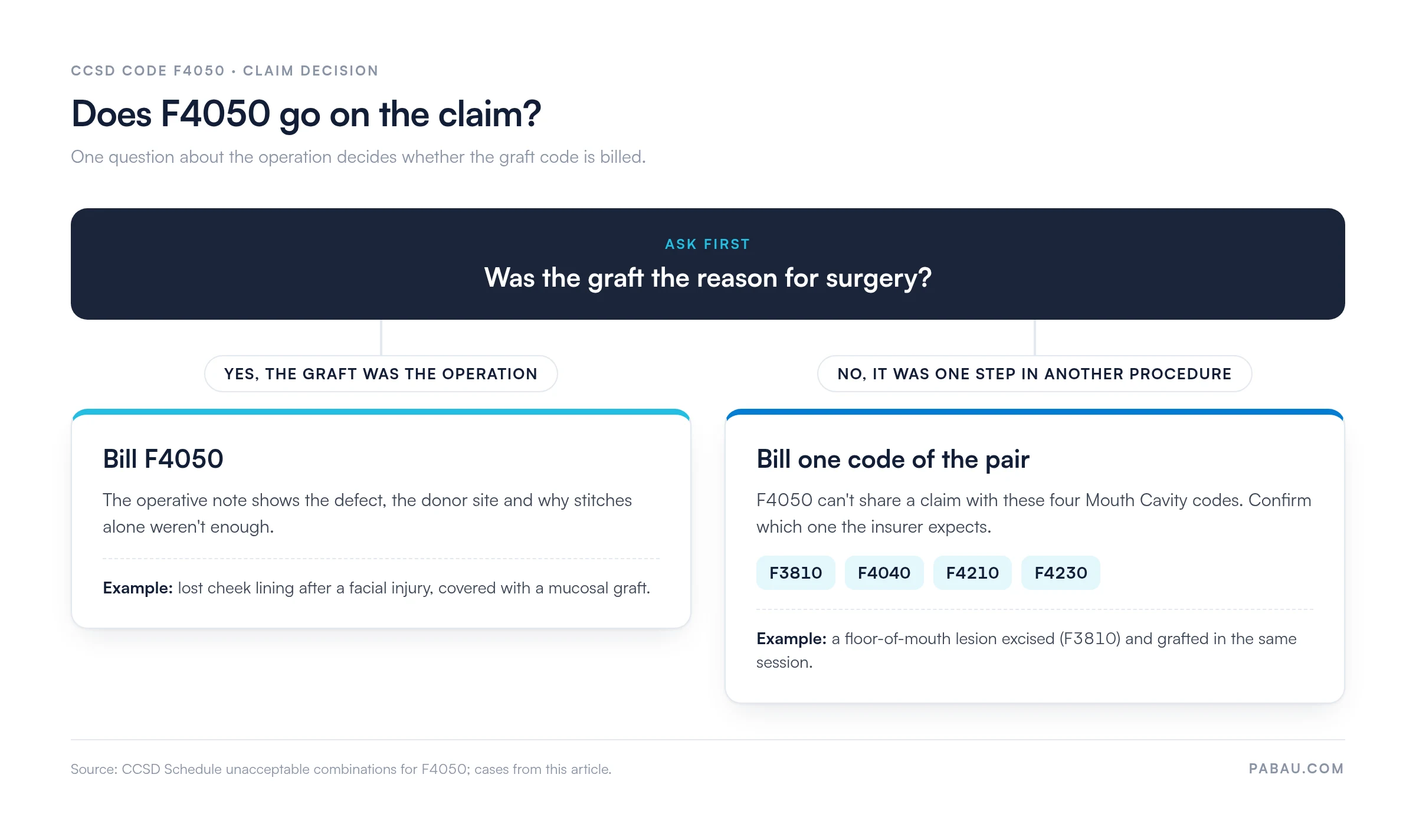
Case one: an injury. A patient loses a patch of cheek lining in a facial injury. The oral and maxillofacial surgeon can’t close the wound with stitches, so a mucosal graft covers it. The graft is the operation, so the surgeon’s claim carries F4050.
Case two: a lesion. A surgeon removes a lesion from the floor of the mouth and grafts the site in the same session. CCSD lists F4050 and F3810 as an unacceptable combination. The claim carries one of the two codes, so confirm with the insurer which one it expects.
Ask the same question each time, and the diagram below follows both answers. Was the graft the reason for surgery, or one step in another listed procedure?
Insurers can query or recover payment when the note doesn’t support the code. For F4050, the note should let a reviewer picture the defect and the graft without asking you.
A note written days later is weaker evidence, and a backdated one is an audit risk. Write it before the patient leaves recovery.
F4050 covers the surgeon’s work. Other people and costs on the same episode are billed separately.
Before surgery, list every code planned for the session. Check the list against F3810, F4040, F4210 and F4230, so the combination question is settled before the claim is built.
Each insurer publishes its own fee lookup. Use the current one before you quote the patient or raise the invoice.
If most of your insured patients are with Bupa, our guide to Bupa CCSD codes walks through its code search and claim rules.
Run through these points before the claim leaves the practice. Each one maps to a common reason for rejection.
Rejections tend to trace back to a handful of avoidable errors. The table pairs each one with its fix.
In many practices, the authorisation number lives in an email and the operative note lives in a separate system. Someone then retypes both into an insurer portal, which is where small errors creep in.
Pabau, our practice management and claims platform, keeps those details together. You attach the operative note, consent form and clinical photos to the patient record. The claim then goes to the insurer through Healthcode.
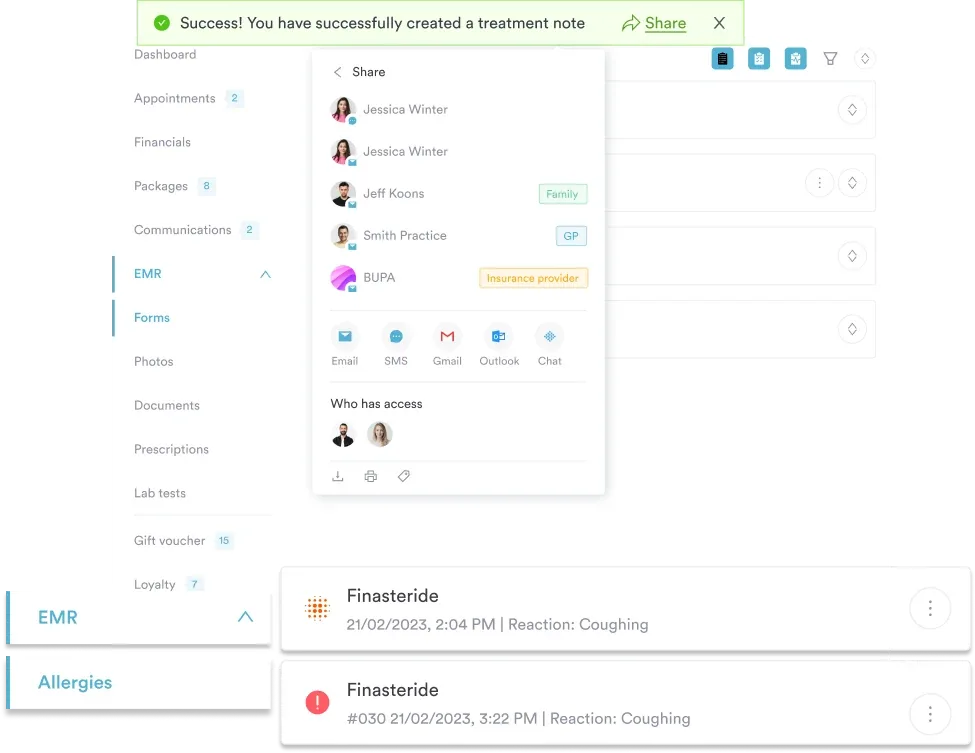
After submission, Pabau’s claims software for consultants shows where each claim stands. Remittances are matched against the claims they pay, so an unpaid F4050 claim surfaces early.
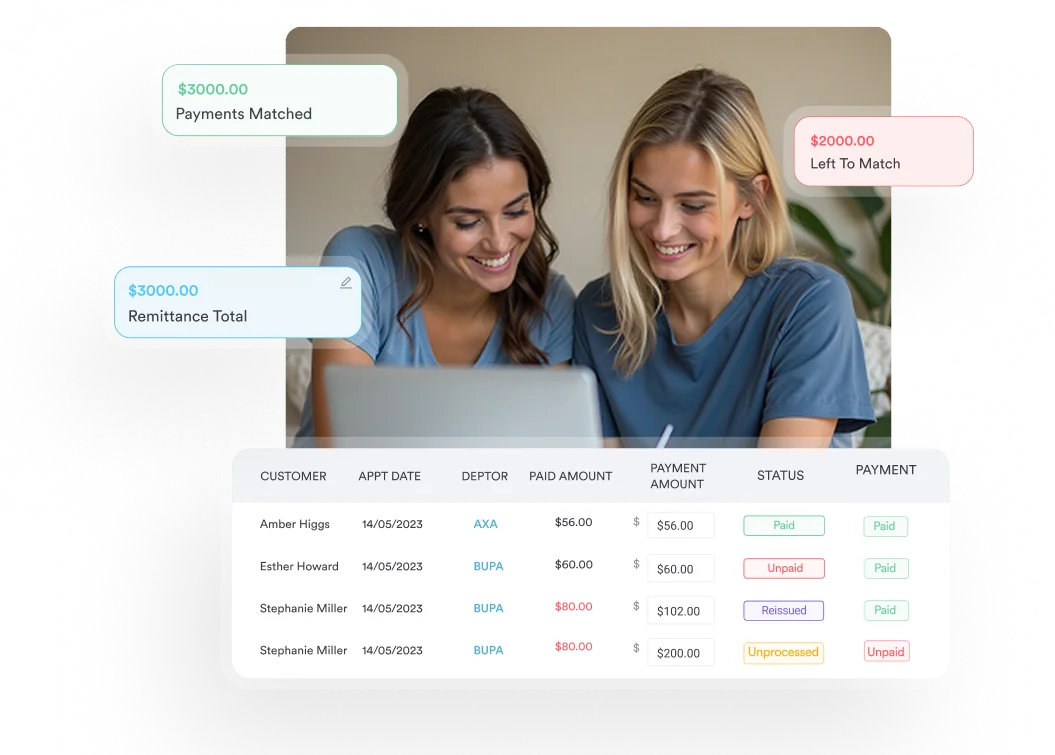

Pabau keeps the operative note, consent and authorisation details in the patient record. It then submits the claim through Healthcode and tracks it to payment.

F4050 is easy to find in the schedule and easy to misuse on a claim. One question settles most cases. Was the graft the operation, or one step in a listed procedure such as a lesion excision?
If the graft was the operation, bill F4050 with a note that shows the defect, the donor site and why stitches alone weren’t enough. If F3810, F4040, F4210 or F4230 was also performed, settle which single code the insurer expects before you submit.
Book a demo to see how Pabau keeps your CCSD claim records together and sends them through Healthcode.

Looking up another CCSD code? CCSD codes explains how the schedule is organised and how private insurers use it.
Excising a mouth lesion as well? CCSD code F3810 covers excision or destruction of lesion of mouth and its own combination rules.
Billing Bupa patients? Bupa CCSD codes covers Bupa’s code search, fee references and submission rules.
Want fewer claims bounced for missing details? Claims management software shows how Pabau submits and tracks insurer claims.
Comparing billing tools for a UK practice? Best medical billing software in the UK compares the options for insurer and self-pay billing.
F4050 covers a graft of skin or mucosa to the mouth. The surgeon moves skin or mucosa from another site to cover a defect in the lining of the mouth. It sits in CCSD Chapter 6, under 6.5.0 Mouth Cavity.
No. F4050 is a surgical code in the CCSD schedule that UK private medical insurers use to pay consultants. It describes an intraoral graft in general terms and is not tied to a periodontal technique.
No. CCSD lists F4050 as an unacceptable combination with F3810, excision or destruction of lesion of mouth. The same rule applies to F4040, F4210 and F4230. Confirm with the insurer which code it expects for the session.
F4040 is suture of mouth as the sole procedure, where the wound is closed with stitches alone. F4050 applies when a skin or mucosal graft covers the defect. The two codes can’t share a claim.
Each insurer sets its own fee. The CCSD Group maintains the codes and descriptors but does not set reimbursement. Check the insurer’s current fee schedule or code search before you quote the patient.
No. CCSD codes are for billing UK private medical insurers. NHS hospitals record procedures in OPCS-4, so an NHS graft to the mouth is coded there instead.