CPT code 93503: Swan-Ganz catheter billing and modifiers
CPT code 93503: Official descriptor and procedure overview In the AMA CPT code s...

Last Updated: Oct 23, 2026

CCSD code 0529G is a G-suffix procedural code on the CCSD Schedule of Procedures, used by UK private medical insurers for claim processing.
The G-suffix confirms it belongs to the Procedural Schedule, not the Diagnostic Schedule, and must be loaded into your procedure code table.
Reimbursement rates are set by each insurer individually; CCSD defines the code structure but not the fee.
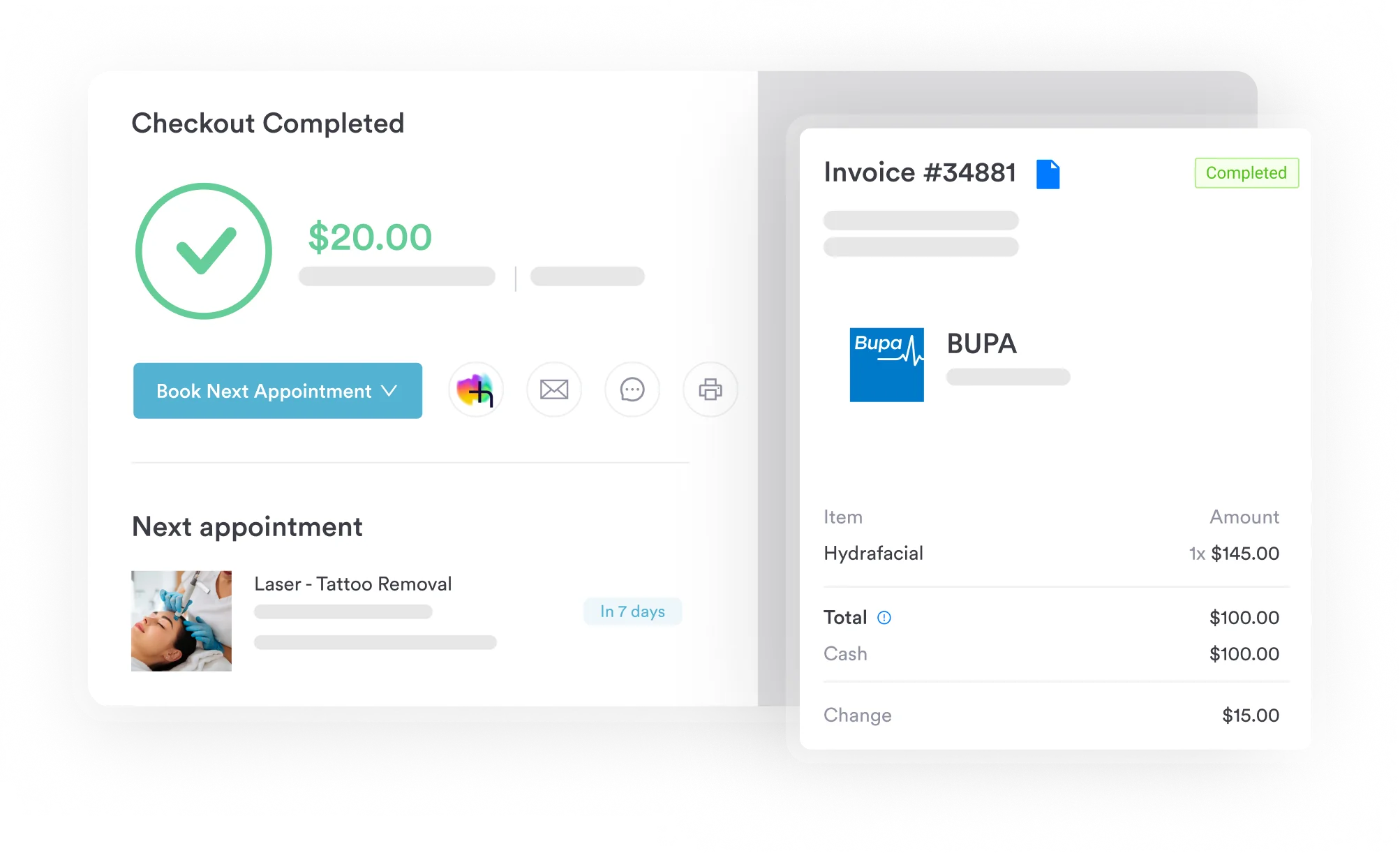
Pabau’s claims management software supports CCSD code submission workflows for UK private healthcare providers.
Coding errors on private insurance claims are one of the most avoidable sources of claim rejection for UK practitioners. CCSD code 0529G sits within the CCSD Schedule of Procedures, the industry-standard reference used by private medical insurers (PMIs) across the United Kingdom.
The Clinical Coding and Schedule Development (CCSD) Group maintains this schedule on behalf of the UK private healthcare sector. Administered by Grant Thornton UK LLP, CCSD codes serve as the shared language between providers and insurers when processing procedure-based claims.
CCSD code 0529G carries the G-suffix, which is the key structural indicator for every code on the Procedural Schedule. Understanding what that suffix means, where this code lives in the schedule, and how to submit it correctly determines whether your claim pays first time or bounces back for correction.
The G-suffix is not decorative. It is a mandatory classification signal built into the CCSD coding convention.
According to the CCSD Technical Guide (October 2025 edition), every code carrying the G-suffix belongs to the Procedural Schedule, not the Diagnostic Schedule. These are two distinct schedules with different loading requirements in practice management systems.
The CCSD FAQs confirm this directly: G-suffix codes are the ones you load into your procedure code table. Loading a G-suffix code into the diagnostic table is one of the most common configuration errors practice managers make, and it will cause submission failures downstream.
For private practice management teams handling multiple insurers, maintaining this distinction across every code in your system is critical to clean claim throughput.
The complete clinical narrative for CCSD code 0529G, including the precise procedure description and any associated coding notes, is only accessible to registered users through the CCSD Schedule portal at ccsd.org.uk.
The CCSD Schedule is login-gated. Providers, practice managers, and billing teams need to register directly with CCSD to access the full code narratives. CCSD aims to respond to access requests within 14 days.
This login-gated structure creates a genuine gap in publicly accessible coding reference material. Many practitioners working with private practice after leaving the NHS find the initial registration process unfamiliar. Registering early, before you need to look up a specific code under time pressure, is the practical approach.
The Bupa Code Search portal provides an additional route to verify whether a specific CCSD code is recognised by Bupa, though it does not replace the full CCSD Schedule narrative.
Register with CCSD before you need a specific code urgently. CCSD processes requests within 14 days, and having portal access in advance means you can verify narratives, check coding principles, and confirm insurer acceptance without delaying billing cycles.
Reimbursement rates for CCSD code 0529G are not set by CCSD. The CCSD Group defines code structure and narrative; each private medical insurer independently determines the fee it will pay for each code.
The table below shows the major UK insurers that use the CCSD schedule as the basis for their fee schedules. Acceptance and fee levels vary by insurer and should always be verified directly.
Allianz Care’s Published Fee Schedule, effective from December 2024, describes its procedure codes as “based upon the industry-standard CCSD codes” – a phrase consistent with how most major UK PMIs frame their coding structure. This means the same code number can attract different reimbursement amounts depending on which insurer you are billing.
Always check the relevant insurer fee schedule before quoting a procedure cost to a patient covered by private medical insurance. Practices operating across multiple private GP and specialist clinics find that maintaining an up-to-date fee schedule reference per insurer is one of the highest-value administrative habits to build.


Pabau helps UK private healthcare providers manage CCSD code submissions, track insurer claims, and reduce administrative rework. See how it works for your practice.

Correct submission of CCSD code 0529G depends on getting three things right: code table placement, claim format, and supporting documentation. Getting any one of these wrong is enough to trigger a rejection.
Because CCSD code 0529G carries the G-suffix, it must be loaded into your procedure code table, not the diagnostic code table. This distinction matters in every practice management system. Misloading is the most frequently cited configuration error for CCSD G-suffix codes.
Access the full procedure description for CCSD code 0529G via the CCSD portal. Confirm the clinical narrative matches the procedure you performed. Submitting a code for a procedure that does not match the documented clinical activity is the most common audit risk in private healthcare billing.
Not every PMI accepts every CCSD code. Before submitting, verify that the patient’s insurer recognises CCSD code 0529G and check any pre-authorisation requirements. For Bupa patients, the Bupa Code Search portal is the fastest verification route. For other insurers, check their published fee schedule or provider portal.
Most UK private healthcare claims are submitted electronically through Healthcode, the UK’s electronic claims clearinghouse. Some insurers also accept direct submission through their own provider portals. Confirm which route your insurer requires and ensure your software is configured to submit in the correct format.
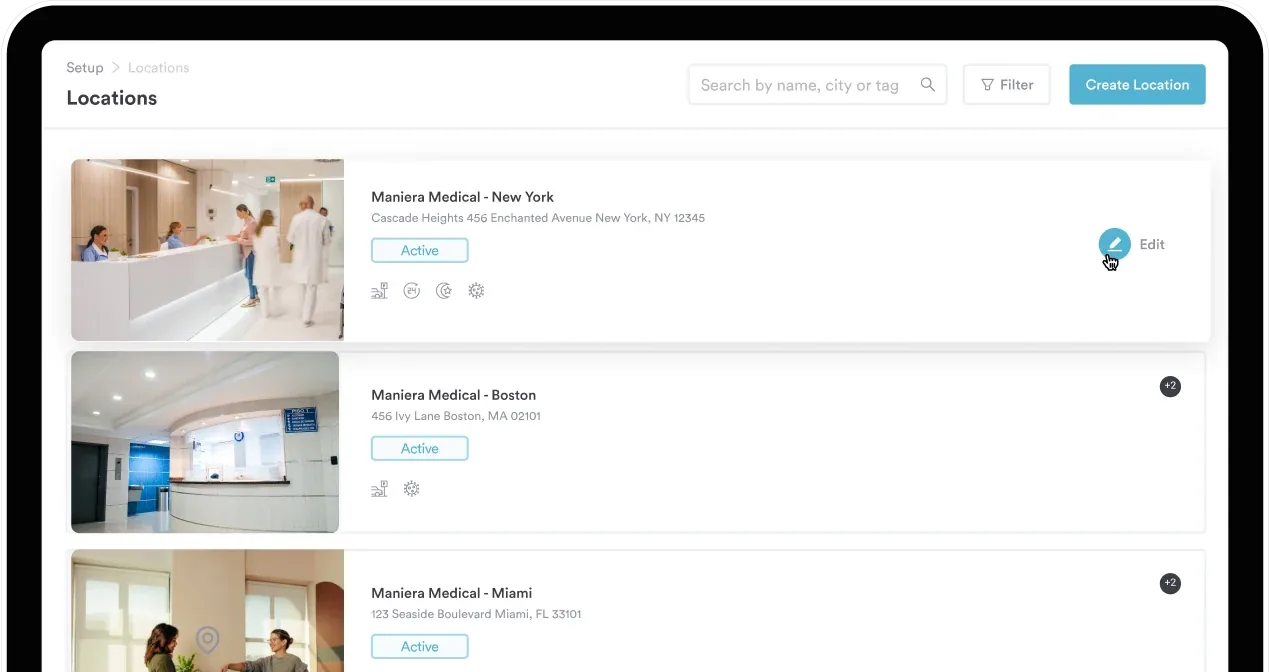
Practices working across multiple sites benefit from multi-location practice management to centralise CCSD code libraries and ensure consistent configuration across every billing point.
Check your insurer fee schedules at the start of each calendar year. CCSD updates its schedule periodically, and insurers update their fee listings in response. Codes that were accepted and reimbursed at one rate in a previous year may have changed narratives, been superseded, or attracted new unbundling rules.
Most claim rejections involving CCSD code 0529G and other G-suffix codes trace back to a small set of avoidable errors. These apply whether you are billing through Healthcode or submitting directly to an insurer portal.
Practices that invest in claims management software designed for UK private healthcare see fewer first-submission rejections because code libraries, documentation requirements, and insurer-specific rules can be configured once and applied consistently.
For clinics managing private practice alongside NHS commitments, maintaining separate CCSD billing workflows that are distinct from NHS coding processes reduces the risk of cross-contamination errors.
Pabau is an all-in-one practice management platform built for UK and international private healthcare providers. For practices billing CCSD codes.
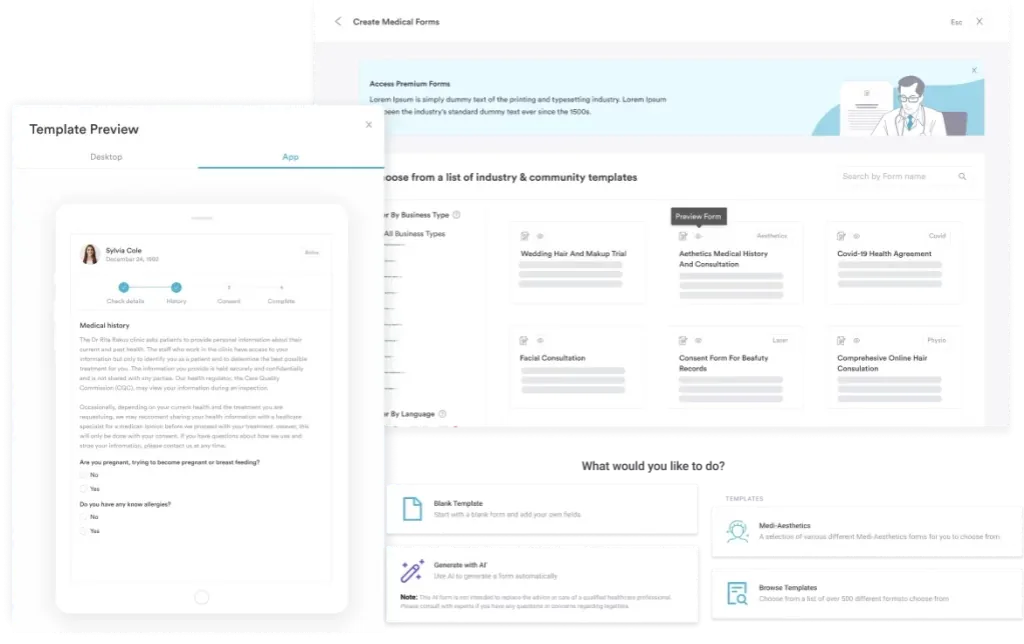
Practices using Pabau can set up CCSD G-suffix codes, including CCSD code 0529G, within the procedure code table alongside the relevant clinical documentation requirements. The platform supports digital clinical forms that can be linked to specific procedure codes, creating a direct connection between what was documented and what was billed.
For providers operating across several locations, Pabau’s multi-location functionality allows code libraries and insurer configurations to be managed centrally and pushed across sites, so billing consistency does not depend on individual staff remembering to check the procedure table at each location.
The Bupa procedure codes fee schedule reference on the Pabau site provides additional context for practices primarily billing Bupa, alongside the broader Bupa CCSD codes guide covering the full schedule structure.
Private practices managing both private referral pathways and NHS connections benefit from having a unified system where CCSD code configuration is handled separately from any NHS coding workflows, reducing the risk of cross-system errors.
CCSD code 0529G is a G-suffix procedural code that must be loaded into the procedure code table in any practice management system. The full clinical narrative is accessible through the CCSD portal to registered users. Reimbursement is determined by each insurer independently.
Getting the basics right, correct code table placement, matching documentation to the code narrative, and verifying insurer acceptance before submission, eliminates the vast majority of rejection risk for G-suffix codes. Pabau’s claims management tools give UK private healthcare teams the infrastructure to manage CCSD billing accurately at scale. Book a demo to see how Pabau handles CCSD code submissions for your practice.

Billing a sleep apnea appliance instead? HCPCS code E0486 guide covers billing the custom fabricated oral appliance used to treat obstructive sleep apnea.
Billing a heated humidifier instead? HCPCS code E0562 guide covers billing the heated humidifier used alongside positive airway pressure devices for sleep therapy.
Want to understand Bupa fee schedule structure? Bupa procedure codes fee schedule provides a detailed breakdown of how Bupa structures its CCSD-based reimbursement rates.
CCSD code 0529G is a G-suffix procedural code on the CCSD Schedule of Procedures, used by UK private medical insurers. The G-suffix confirms it belongs to the Procedural Schedule rather than the Diagnostic Schedule. The full clinical narrative is accessible to registered users through the CCSD portal at ccsd.org.uk.
Bupa, AXA Health, Aviva, Allianz Care, Cigna UK, and H3 Insurance all use the CCSD schedule as the basis for their fee structures. Acceptance of any specific code varies by insurer and should be verified through each insurer’s portal or published fee schedule before submission.
The full narrative is only available to registered users through the CCSD portal at ccsd.org.uk. Registration is required and CCSD typically responds to new access requests within 14 days.
The G-suffix identifies a code as belonging to the CCSD Procedural Schedule rather than the Diagnostic Schedule. G-suffix codes must be loaded into the procedure code table in practice management systems — loading them into the diagnostic table is a common error that causes claim submission failures.
CCSD sets the code structure and narratives but does not determine reimbursement rates. Each insurer sets its own fee for CCSD code 0529G independently.