



CCSD code G5100: Bypass of duodenum billing guide
CCSD code G5100 bills a bypass that leaves the duodenum in place CCSD code G5100...

Last Updated: Oct 16, 2026

CCSD code 0527C is a Chapter 34 (Pathology) code in the UK CCSD schedule, used to bill the Flavivirus immunoglobulin G (IgG) antibody test – a serology test covering dengue, Zika, yellow fever, West Nile virus, tick-borne encephalitis, and Japanese encephalitis
A positive IgG result shows past exposure to a flavivirus, not necessarily a recent infection – flaviviruses share antibody targets, so a single IgG sample can rarely confirm which specific virus caused the infection
The trailing letter C in the CCSD schedule’s specimen convention denotes cerebrospinal fluid, meaning 0527C represents the CSF-based version of the assay, most relevant when investigating suspected flavivirus neuroinvasive disease. Always confirm the current specimen and description at ccsd.org.uk
Pabau supports UK private practices with claims management and digital patient records, helping practices apply CCSD codes accurately at the point of invoicing
CCSD code 0527C is the Chapter 34 (Pathology) billing code in the UK CCSD schedule for the Flavivirus IgG (immunoglobulin G) antibody test, a serology panel covering dengue, Zika, yellow fever, West Nile virus, tick-borne encephalitis, and Japanese encephalitis. The schedule is maintained by the Clinical Coding and Schedule Development Group and governs private medical billing across the UK.
A positive result on this code confirms exposure to the flavivirus family, but it rarely says which specific virus caused the infection or whether the infection was recent, since these viruses share antibody targets. This guide covers what the test detects, how to interpret the result, which insurers accept the code, and how to submit a clean claim.
CCSD code 0527C is a pathology code within the CCSD Diagnostic Schedule, used for private medical billing of the Flavivirus IgG antibody test.
Pathology codes in the CCSD schedule follow a different structure from surgical procedure codes: They map to the NHS National Laboratory Medicine Catalogue, with a four-digit numeric stem followed by a letter that identifies the specimen type.
The trailing C denotes cerebrospinal fluid (CSF), which fits how this test is most often requested. It runs alongside a blood sample, but specifically looks for antibody production within the central nervous system when a flavivirus infection is suspected of causing meningitis or encephalitis.
The CCSD schedule is updated annually by the Clinical Coding and Schedule Development Group, so always verify the current description, chapter placement, and specimen convention for CCSD code 0527C directly at ccsd.org.uk before submitting a claim.
Practices new to CCSD billing, or that have recently moved from NHS tariff work to Bupa CCSD codes and other insurer schedules, will find the CCSD technical guide useful for understanding how pathology chapters, specimen letters, and bundling rules operate across the full schedule.
For the precise procedure description and any notes attached to this code, consult the CCSD technical guide (October 2025 edition). This is the authoritative source for bundling rules and specimen requirements.
Flavivirus is a genus within the Flaviviridae family that includes more than 70 viruses, among them dengue, Zika, yellow fever, West Nile virus, tick-borne encephalitis virus, and Japanese encephalitis virus. Following infection, the immune system produces IgM and IgG antibodies directed mainly against the viral envelope (E) protein, the structure the virus uses to attach to and enter human cells.
The test itself is typically run as an IgG antibody capture ELISA. The timing of the result matters:
That persistence is what makes the test useful for confirming past exposure, but it is also the reason a single IgG result needs careful interpretation before it becomes the basis of a diagnosis.
The biggest limitation of flavivirus IgG serology is cross-reactivity. Because flaviviruses share a similar envelope protein structure, antibodies raised against one virus frequently bind to others in the same family.
According to the CDC, dengue IgG and IgM results can be difficult to interpret precisely because of cross-reactivity with Zika and West Nile virus antibodies. A positive result on CCSD code 0527C confirms flavivirus exposure, but it does not by itself confirm which flavivirus was responsible.
This is also where the CSF specimen matters clinically. Detecting flavivirus IgG in cerebrospinal fluid, rather than blood alone, supports a diagnosis of neuroinvasive disease, such as West Nile virus encephalitis, tick-borne encephalitis, or Japanese encephalitis, because it points to antibody production within the central nervous system rather than antibodies that have simply crossed over from the bloodstream.
Clinicians requesting CCSD code 0527C should document the specimen source clearly, since insurers cross-reference the billed specimen letter against the laboratory report.
All major UK private health insurers recognize the CCSD schedule as the basis for private medical billing.
Whether a specific insurer pays for CCSD code 0527C depends on the patient’s policy benefit, whether pre-authorization was obtained, and whether the referral documents a clinical reason for testing, such as recent travel to a flavivirus-endemic region or a suspected neurological infection.
Because this is a specialist infectious-disease test rather than a routine blood panel, obtain written pre-authorization before the sample is taken wherever a patient’s policy requires it. Claiming for CCSD code 0527C without pre-authorization on a policy that requires it is a common cause of a rejected invoice.
There is no single fixed fee for CCSD code 0527C across the private market. Each insurer sets its own reimbursement rate for pathology codes, and rates typically differ from the fee for the equivalent blood-specimen version of the same antibody test. Patients seeking reimbursement directly from their insurer need an itemized superbill template listing the code and fee charged.
Fee schedules are published or looked up through each insurer’s own portal, and rates are reviewed on an annual cycle alongside the rest of the CCSD schedule.
Bookmark each insurer’s fee schedule or code-search tool and check it every January, when the CCSD schedule updates. A rate that was correct last year can change without much notice, and billing the old figure is an easy way to trigger a query on an otherwise valid claim.
Submitting a clean claim for CCSD code 0527C follows the same general Healthcode workflow as any other CCSD pathology code, with a couple of extra checks specific to a flavivirus serology request:

Pabau helps UK private practices keep patient records, invoices, and CCSD claim documentation in one place – so every serology request is supported by the clinical notes an insurer needs.

Because this code has a blood-specimen counterpart and covers a test with a genuinely nuanced clinical interpretation, a handful of billing errors come up more often than with a routine blood panel:
CCSD pathology codes are organized by chapter, with related tests often sharing a numeric stem but differing by specimen letter or by the specific antibody class detected. Selecting the wrong code from a related cluster, or billing the wrong specimen letter, is one of the most common private billing errors for infectious disease serology.
Practices billing 0527C often handle other Chapter 34 virology codes in the same billing cycle.
The CCSD schedule at ccsd.org.uk is the definitive source for confirming the exact code numbers, descriptors, and specimen letters in force for these related pathology tests, since exact numbering can change between schedule editions.
Make the specimen type a required field on your lab request and billing workflow. Forcing a blood-versus-CSF check before the invoice is raised catches the most common error on this code before it reaches the insurer.
Private practices billing pathology codes like CCSD code 0527C juggle several moving pieces: The referral, the lab request with its specimen type, the invoice, and the Healthcode submission often live in separate systems, and a mismatch between any two of them is what triggers an insurer query.
Practice management software like Pabau brings these pieces together in one place.
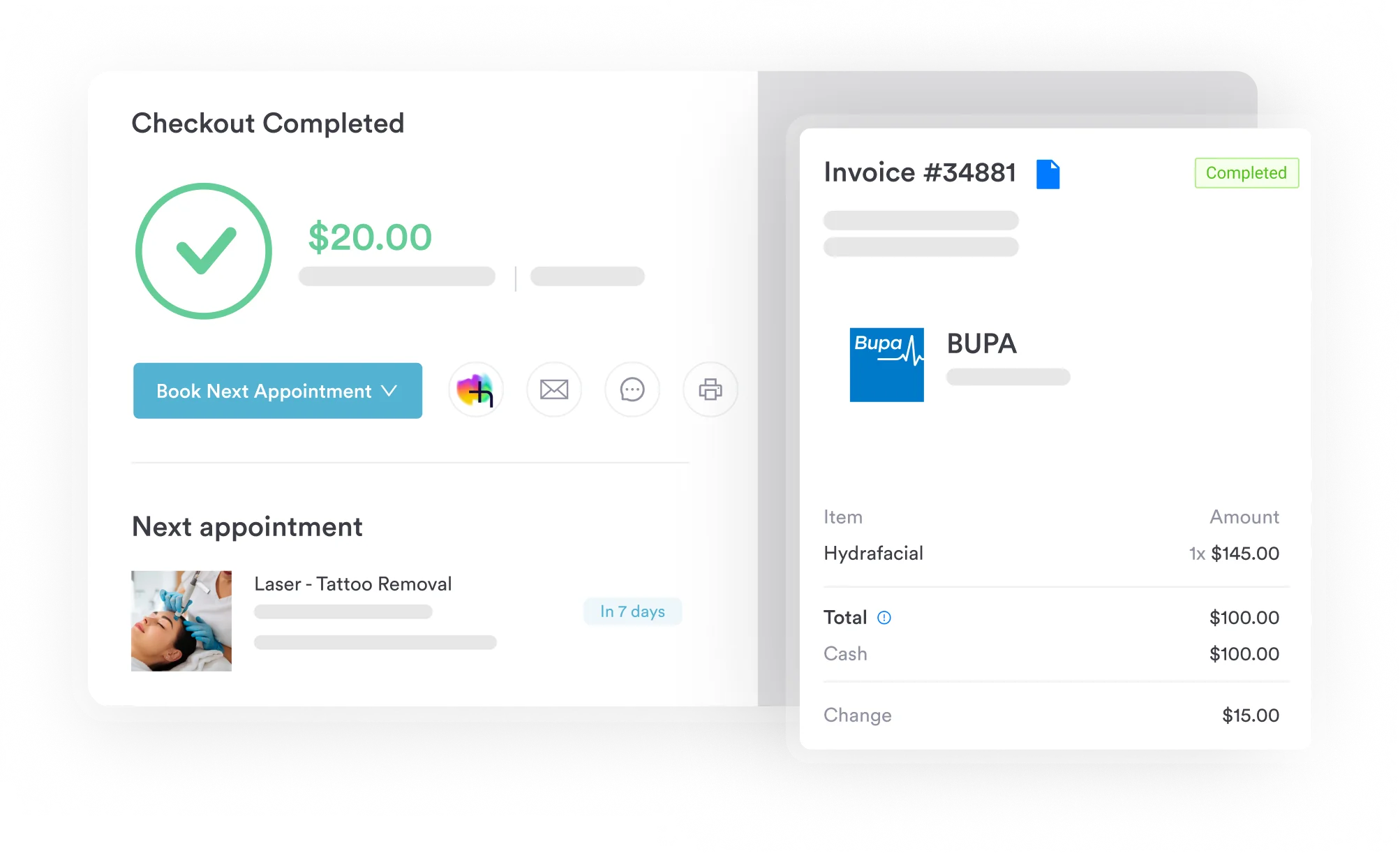
Pabau’s claims management software lets practices raise invoices directly from the clinical record, so the specimen type and clinical indication documented in the patient note match the code submitted on the claim.
Practices working with GP clinic software or travel clinic software in the UK private sector get the same alignment between the lab request and the billing record, which is what keeps query rates down for infectious-disease serology requests like this one.
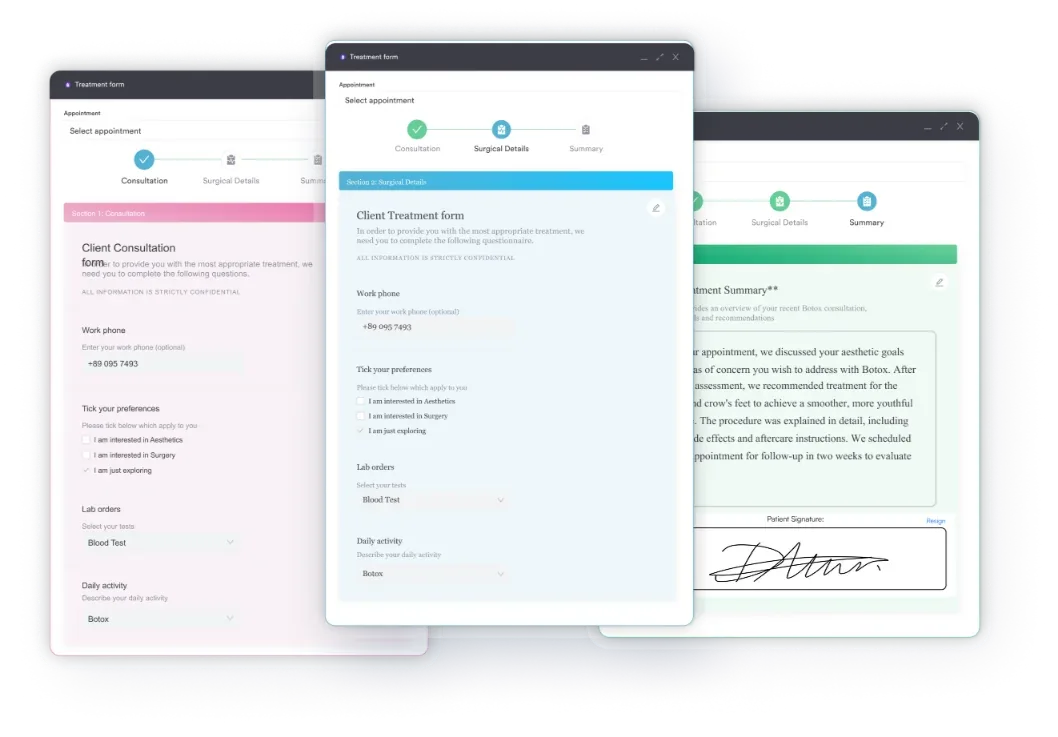
Practices also benefit from digital intake forms that capture travel history, presenting symptoms, and authorization numbers before the appointment. That information flows directly into the invoice workflow, so every serology claim is supported by the details an insurer needs at the point of submission.
For practices managing broader compliance requirements across regulated private practice settings, Pabau’s documentation infrastructure also supports the audit trail that insurer reviews look for.
CCSD code 0527C bills a test that carries genuine clinical nuance. A positive Flavivirus IgG result confirms exposure to the flavivirus family, but the specimen type, the timing of the sample, and whether paired testing or neutralization confirmation followed all shape whether that result supports a specific diagnosis.
Getting the code and the specimen letter right is step one. Documenting the clinical reasoning behind the result is what gets the invoice paid without a query.
Pabau’s practice management platform helps UK private practices align their clinical documentation and invoicing workflows so every CCSD claim is supported by the records an insurer needs. To see how Pabau handles private billing documentation, book a demo with the team.

Need a walkthrough of another Chapter 34 pathology code? CCSD code 0537G covers the test description, insurer acceptance, and billing steps for that assay.
Billing a respiratory therapy device instead? chest wall oscillation billing guide covers the high frequency chest wall oscillation vest system and its Medicare coverage criteria.
Curious how a simpler pathology code is billed? CCSD code 0080S walks through what the test covers and how to invoice it correctly.
CCSD code 0527C is a Chapter 34 (Pathology) code in the UK CCSD schedule, used by private healthcare practitioners to bill the Flavivirus IgG (immunoglobulin G) antibody test. The trailing letter C indicates the test is run on a cerebrospinal fluid (CSF) sample. Always confirm the exact current description at ccsd.org.uk, as the schedule is updated annually.
It shows whether a patient has produced IgG antibodies against the flavivirus family, which includes dengue, Zika, yellow fever, West Nile virus, tick-borne encephalitis, and Japanese encephalitis. IgG typically becomes detectable within one to three weeks of infection – roughly a week for dengue, up to about three weeks for West Nile virus – and persists for years, so a positive result usually points to past rather than acute infection.
Not reliably on its own. Flaviviruses share similar envelope-protein targets, so antibodies raised against one virus often cross-react with others in the same family. Confirming which specific flavivirus caused the infection usually needs either paired samples showing seroconversion or a rising titer, or a neutralization test (PRNT), which is the reference standard for distinguishing between flaviviruses.
CCSD code 0527C’s trailing C denotes a CSF specimen. Detecting flavivirus IgG in cerebrospinal fluid supports a diagnosis of neuroinvasive disease, such as West Nile virus encephalitis, tick-borne encephalitis, or Japanese encephalitis, because it points to antibody production within the central nervous system rather than antibodies that have simply crossed over from the blood. A separate code applies when only a blood sample is tested.
Major UK private medical insurers – including Bupa, AXA Health, Aviva, Vitality Health, and WPA – use the CCSD schedule as the basis for billing. Whether they pay for a specific claim using CCSD code 0527C depends on the patient’s policy coverage, whether pre-authorization was obtained, and whether the clinical indication for testing is documented. Verify acceptance and fees with each insurer before the sample is taken.
Confirm pre-authorization where required, record the clinical indication (such as travel history or suspected neuroinvasive disease) in the patient’s notes, and verify that the specimen sent to the laboratory was CSF rather than blood. Raise the invoice with CCSD code 0527C, the authorization reference, and the requesting practitioner’s details, then submit via Healthcode or the insurer’s direct billing portal.



