



HCPCS code E0198: Water pressure pad billing guide
HCPCS code E0198 is a water pad for a standard mattress HCPCS code E0198 is the ...

Last Updated: Oct 13, 2026

CCSD code 0080S is one code in the CCSD Schedule, the shared code set UK private medical insurers such as Bupa, AXA Health, Aviva and Vitality use to identify a listed procedure or service on an invoice.
The CCSD Group writes the code and its narrative. Each insurer sets its own fee and decides whether it covers the code, so there is no single national rate and a valid code never guarantees payment on its own.
Whether 0080S gets paid depends on the workflow around it: current recognition with the insurer, a pre-authorisation number, a matching diagnosis code, and submission inside the claim window, usually through Healthcode.
The exact wording of 0080S lives in the CCSD Schedule, which sits behind a login. Confirm it there or in your insurer’s own code search before you bill, rather than relying on a description you cannot see.
Getting paid in private practice often comes down to a single line on the invoice. A claim can be clinically sound, sent to the right insurer, and still land back in your inbox marked rejected. More often than not, the reason traces back to the procedure code.
CCSD code 0080S is one of the codes people get stuck on. Look it up and you will find pages happy to tell you what it covers, or what the letter on the end stands for. The catch is that the authoritative detail lives in the CCSD Schedule, behind a login, so much of what is written about 0080S online is guesswork.
This guide focuses on what CCSD code 0080S is and who decides what it pays, with a walk through on how a claim travels from your notes to the insurer, the mistakes that get it bounced, and a checklist to run before you submit.
CCSD code 0080S is a procedure code from the CCSD Schedule, the shared list of codes that UK private medical insurers use to work out what was done and what they will pay for it. Australia’s Medicare Benefits Schedule runs on the same logic: co-claiming restrictions in the Australian schedule decide which items can appear on the same day.
If you are a consultant or a medical secretary billing a private patient, 0080S is the shorthand on the invoice that tells the insurer which listed procedure or service you are claiming for, so the claim can be authorised and reimbursed.
The Clinical Coding and Schedule Development (CCSD) Group maintains the schedule. It is run on behalf of the major private insurers, and it publishes one common set of codes and narratives, covering procedures, consultations, treatments and diagnostic tests, so that everyone in UK private healthcare is speaking the same language on an invoice. Code 0080S is simply one entry in that schedule.
What the CCSD Group does not do is set prices. It defines what a code represents. The insurer decides what to pay for it, and whether to cover it at all. That single split explains most of the confusion around private billing, so it is worth holding onto as you read on.
Because several codes can read similarly, it is worth confirming the narrative, and any bundling rules that sit around it, directly in the schedule before you settle on 0080S rather than an adjacent code.
Here is the journey a single 0080S claim takes, and where money tends to go missing along the way.
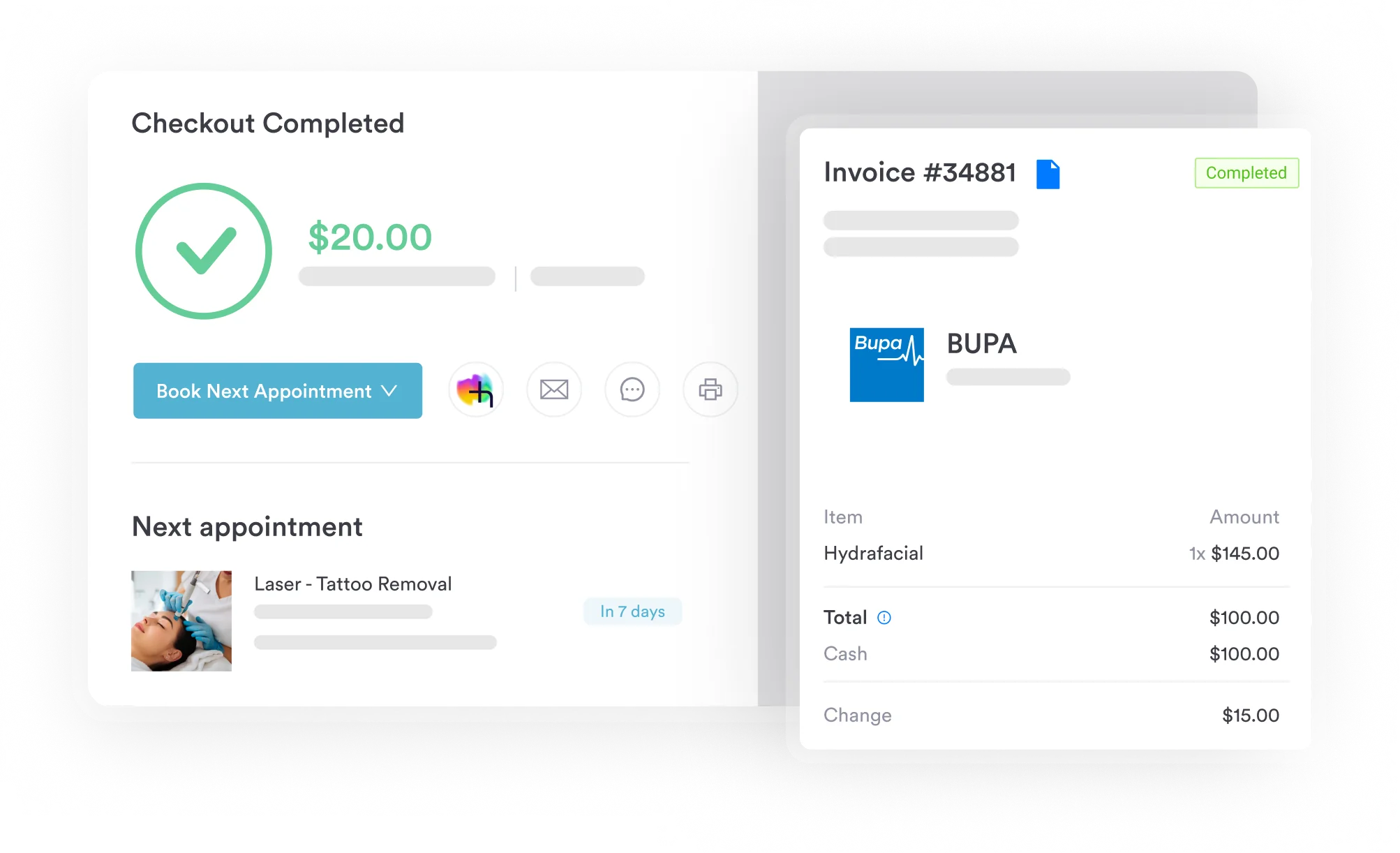
If you bill private insurers regularly, tightening up how you run your private practice pays off every time a schedule changes.
If a claim is ever queried, the paperwork is what defends it. For 0080S, the clinical record and the invoice need to line up and tell one consistent story.
Before you file, make sure the following are in place and agree with each other:
None of this is unique to 0080S. It is the standard evidence trail behind any CCSD claim, and it is the first thing an insurer asks to see when a payment is challenged.
Ask how much 0080S pays and the honest answer is that it depends. The CCSD Group sets the code, and each insurer sets its own rate against it, which can shift with your level of recognition.
Two consultants billing the same code to the same insurer can be reimbursed differently. There is no national tariff to point to, which is why quoting a figure here would be misleading.
What you can do is look up the rate that applies to you. Each major insurer publishes its own schedule or a searchable tool for recognised providers:
Whatever a schedule shows is indicative. Consultants with enhanced agreements may be reimbursed above the standard rate, so confirm the current figure with the insurer before you set a patient’s fee or send the invoice.
Rejections are rarely mysterious. Nearly all of them come down to the same handful of avoidable slips, and once you have seen them a few times you start to catch them before they leave the practice.
This is the big one. A private invoice needs a diagnosis code sitting next to the procedure code, and the two have to agree. Send 0080S with no diagnosis, or with one that does not justify the procedure, and it fails validation. The diagnosis should reflect the confirmed diagnosis at the time of treatment, not the symptom the patient first walked in with.
Authorisation comes before the procedure, not after. Treat first and hope to sort the paperwork later, and you may find the claim declined however clinically sound the work was. A handful of insurers allow retrospective authorisation for genuine emergencies, but routine planned work is not the place to test that. Put the authorisation number on the invoice every time.
The schedule is revised periodically. Codes get added, narratives change, and occasionally a code is retired. Bill against a superseded version and it bounces. Re-check 0080S in the live schedule at the start of each billing cycle, and especially around the point in the year when schedule updates take effect.
The invoice has to carry the treating consultant’s correct insurer reference, under a specialty they are recognised for with that insurer. Bill under a colleague’s number, or a specialty you are not recognised in, and it is an automatic no. This bites hardest in group practices where one team bills for several consultants, so keep each person’s recognition status recorded separately.
A code’s own letters can trigger the same error. AA378 is the schedule’s pharyngolaryngectomy code, and coders who read its AA prefix as anesthesia put it against the wrong person on the invoice.
Most insurers set a deadline for submitting after treatment, and once it passes there is usually no appeal. It sounds obvious, yet late submission is one of the quietest ways to lose money, precisely because the work was done properly and simply never got billed in time. High-volume practices feel this most, which is where automated invoice prompts earn their keep.
Run through this before the invoice leaves the building. Every line maps to a rejection reason above, so if all six are ticked, you have removed almost every common cause of a bounce.
Recognition is not a one-off box to tick. It is ongoing, and with some insurers it is code-specific. Bupa in particular expects you to register the codes you intend to bill, rather than treating general recognition in your specialty as a blanket permission.
In practice, registering usually means:
Timelines vary, from a couple of weeks to a few months.
Most CCSD billing errors start in the same handful of places. A code typed from memory, a diagnosis left off the invoice, or a claim that slips past its submission window because nobody was tracking it. Working from a PDF schedule and a spreadsheet, those slips are almost inevitable at volume.
This is where practice management software like Pabau, an all-in-one system built for clinics and private practices, removes the manual steps where things go wrong.
Rather than a separate coding task bolted onto the end of the day, the useful pieces sit inside the same workflow as the patient record:
Software will not change the code itself. Its value is in cutting how often you correct and resubmit after the fact, which for a busy practice is usually the most expensive part of billing.
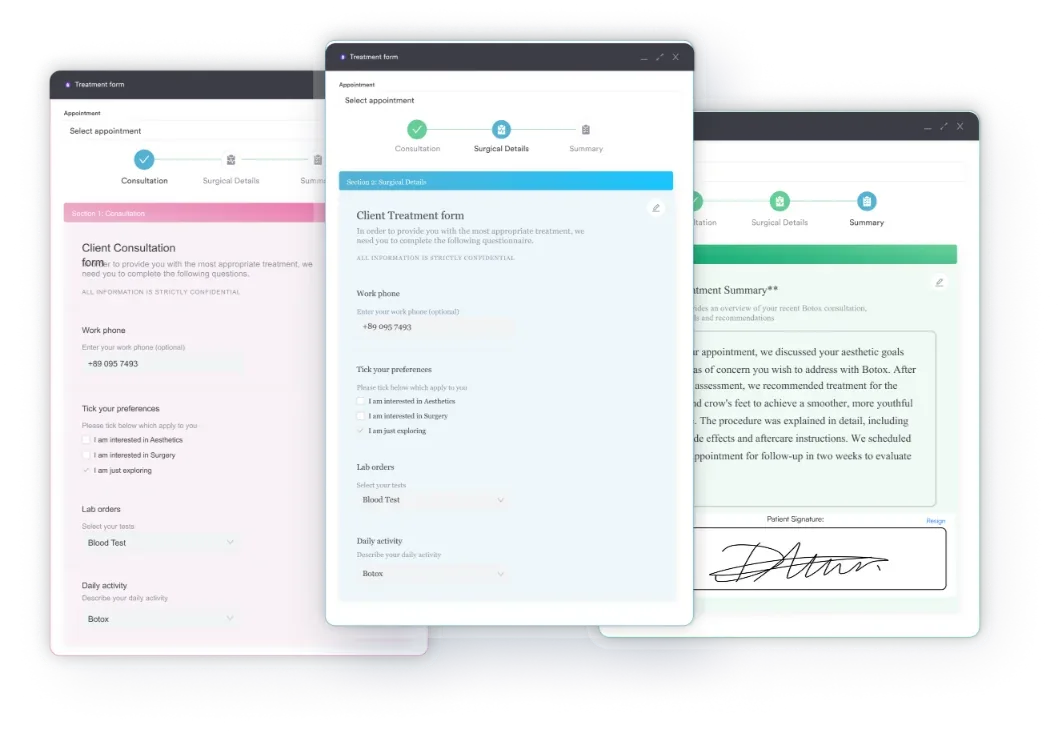

Pabau helps UK private practices pick the right CCSD code at the point of invoicing, check each claim before it goes out, and submit to insurers through Healthcode, so fewer claims come back rejected and your team spends less time on billing admin.

CCSD code 0080S is straightforward once you separate the two halves of it. The code identifies a listed procedure in the CCSD Schedule. Getting paid for it comes down to the workflow around it, from registration and pre-authorisation to a matching diagnosis and a submission that lands on time.
Nail that workflow and the code looks after itself. When you are unsure what 0080S covers, resist the urge to guess. The definitive wording is in the schedule, so check it there.
If chasing rejected claims is eating your week, that is usually a workflow problem rather than a coding one. To see how Pabau handles CCSD coding, Healthcode submission and claim tracking in one place, book a demo with the team.

Billing a stent with its delivery system? Non-coated stent billing guide covers the device code CMS places in its C-code category for temporary device and technology billing.
Billing an implantable dialysis access device? Dialysis access system billing guide covers the device billers report to establish or maintain vascular access for a dialysis patient.
Billing a cardiovascular procedure device? Embolization protective system guide covers the cardiovascular device code CMS maintains under the Outpatient Prospective Payment System.
CCSD code 0080S is a procedure code in the CCSD Schedule, the shared code set UK private medical insurers use to identify a listed procedure or service on an invoice so it can be authorised and reimbursed. The exact wording is held in the CCSD Schedule, which requires a login, so confirm it there before billing.
A CCSD code is one of the shared alphanumeric codes UK private medical insurers use to identify a procedure, service or diagnostic test on an invoice. The codes are maintained by the Clinical Coding and Schedule Development Group and published in the CCSD Schedule. The code 0080S is one specific entry in that schedule.
All the major UK private medical insurers work from the CCSD Schedule, including Bupa, AXA Health, Aviva, Vitality and WPA. Whether a given insurer reimburses 0080S depends on its own coverage rules and on whether you hold current recognition for the relevant specialty.
There is no fixed national fee. The CCSD Group sets the code, and each insurer sets its own rate against it, which can vary with your level of recognition. Check the figure in the insurer’s fee search or your recognition agreement before you set a patient fee.
Usually, yes. Most insurers expect an authorisation number before the procedure, and the claim has to match it. Retrospective authorisation is generally reserved for genuine emergencies rather than routine planned work.
It will almost certainly be rejected. Insurers price claims off CCSD codes, so an invoice with no valid code, or with a mismatched diagnosis, fails validation, usually at the point of submission through Healthcode, and has to be corrected and resent.
CCSD codes are used for billing in UK private healthcare and map to insurers’ fee schedules. OPCS-4 codes are the NHS classification of procedures, used for statistics and commissioning. They are separate systems built for different purposes.



