ICD-10 Code S42.444P: Medial epicondyle fracture, right humerus
ICD-10 Code S42.444P: full descriptor and code validity ICD-10 Code S42.444P car...

Last Updated: Oct 13, 2026
Billable Code Specific Code
O90.89 is the billable ICD-10-CM code for other complications of the puerperium, not elsewhere classified.
Let Pabau's smart automation suggest the right codes, reduce claim denials, and keep your practice compliant—effortlessly.
Automate repetitive tasks and focus on what matters most—your patients.
Reduce coding errors and ensure compliance with the latest regulations.
Clean claims, fewer denials, and faster reimbursements.
Powerful insights and reporting to help your practice thrive.
HIPAA compliant SOC 2 certified GDPR-compliant Trusted by 4,000+ clinics worldwide

ICD-10 code O90.89 is used for puerperal (postpartum) subinvolution of the uterus, where the uterus fails to shrink back to its pre-pregnancy size after delivery
O90.89 is a billable, specific ICD-10-CM code valid for FY2026 (effective October 1, 2025), reported under the non-billable O90.8 subcategory within parent category O90
O90.89 has an Excludes1 relationship with N85.3 (chronic, nonpuerperal subinvolution) – the two codes describe different clinical scenarios and must never be reported together
Pabau’s client record and digital forms tools help OB-GYN and postpartum care teams capture the structured documentation O90.89 requires
ICD-10 code O90.89 is the billable, specific code for puerperal (postpartum) subinvolution of the uterus – when the uterus fails to return to its pre-pregnancy size within six weeks of delivery. It replaces N85.3, the code many coders reach for first, which applies only to chronic, nonpuerperal subinvolution outside the postpartum period.
O90.89 is a billable, specific ICD-10-CM code. It is valid for submission in FY2026, having become effective on October 1, 2025. The code sits under the non-billable subcategory O90.8 (Other complications of the puerperium, not elsewhere classified), within parent category O90 (Complications of the puerperium, not elsewhere classified), inside the O85-O92 block covering complications predominantly related to the puerperium. The billing process starts at registration, not at the point the coder opens the note.
That block sits within ICD-10-CM Chapter 15: Pregnancy, childbirth and the puerperium (O00-O9A). According to the CMS ICD-10-CM code files, O90.89 carries no pending revisions or deletions in the current fiscal year.
Subinvolution of the uterus refers to the failure of the uterus to return to its normal, pre-pregnancy size following delivery. Under normal physiology, the uterus undergoes rapid involution over the first six weeks postpartum, contracting from roughly 1,000 grams at delivery back to approximately 60-80 grams.
When that process stalls or is incomplete during the puerperium (the six weeks following delivery), the condition is puerperal subinvolution – and it codes to O90.89.
Clinicians working in OB-GYN practice management settings will recognize the hallmark presentation: A uterus that remains larger than expected for the postpartum stage, often accompanied by prolonged lochia (postpartum discharge), and occasionally low-grade pain. Infectious causes, particularly endometritis, must be ruled out before applying O90.89, since an infected, non-involuting uterus codes differently.
The presentation matters here: O90.89 applies specifically within the puerperal period. If a patient presents months or years after delivery with a uterus that never fully returned to size – or has an enlarged uterus with no recent pregnancy at all – the diagnosis shifts to chronic (nonpuerperal) subinvolution, which is coded to N85.3 instead (see the excludes note below).
Teams managing pelvic health workflows may encounter both presentations, so establishing the timing relative to delivery is the first coding decision to make.
O90 groups complications of the puerperium that are not classified elsewhere in Chapter 15. Understanding where O90.89 sits within this family prevents misassignment to adjacent codes, particularly the unspecified terminal code O90.9. The CDC/NCHS ICD-10-CM web tool lists all current O90 subcodes with their tabular hierarchy.
O90.8 itself is a non-billable subcategory – it always requires a fifth character. O90.89 is the code that applies when a specific complication, such as puerperal subinvolution of the uterus, is documented but does not have its own dedicated code elsewhere in the O90 range.
Don’t default to O90.9 (unspecified) when the record clearly names subinvolution as the diagnosis – O90.89 is the more specific, more defensible choice. For complications that cannot be characterized further.
N85.3 is the single most common wrong code assigned for postpartum subinvolution – and understanding why matters more than any other coding rule on this page. The AAPC ICD-10-CM code reference and the official tabular list both flag the relationship between these two codes explicitly.
The ICD-10-CM alphabetic index lists “subinvolution, uterus” under two separate entries: (chronic) (nonpuerperal), which points to N85.3, and puerperal, which points to O90.89. N85.3 itself carries an Excludes1 note reading “puerperal subinvolution of uterus (O90.89).”
Excludes1 means the two codes are mutually exclusive: They describe conditions that cannot occur together, and ICD-10-CM convention is clear that a code carrying an Excludes1 note should never be reported on the same claim as the excluded code. In practice, that means:
This is the distinction that matters most for this page. A claim carrying both codes for the same diagnosis will fail edits or trigger a denial, and assigning N85.3 to a clearly puerperal presentation misrepresents the clinical picture – N85.3 is not a postpartum code.
N85.3 and O90.89 are Excludes1 partners, not interchangeable near-synonyms. Before assigning either code, confirm the delivery date against the encounter date. Inside six weeks of delivery, use O90.89. Outside that window – or with no recent pregnancy at all – use N85.3.
At the O85-O92 block level, mental and behavioral disorders associated with the puerperium (F53.-) carry an Excludes2 note relative to this section, meaning F53.- may be reported alongside O90.89 when both are clinically documented and separately supported. Chapter 15 codes, including O90.89, are for use on the maternal record only – never the newborn’s chart.
Subinvolution denials are rarely about the code itself. They happen because the record does not support the clinical picture well enough to justify that specific diagnosis. Coders handling postpartum care should confirm all five documentation elements below are present before assigning O90.89.
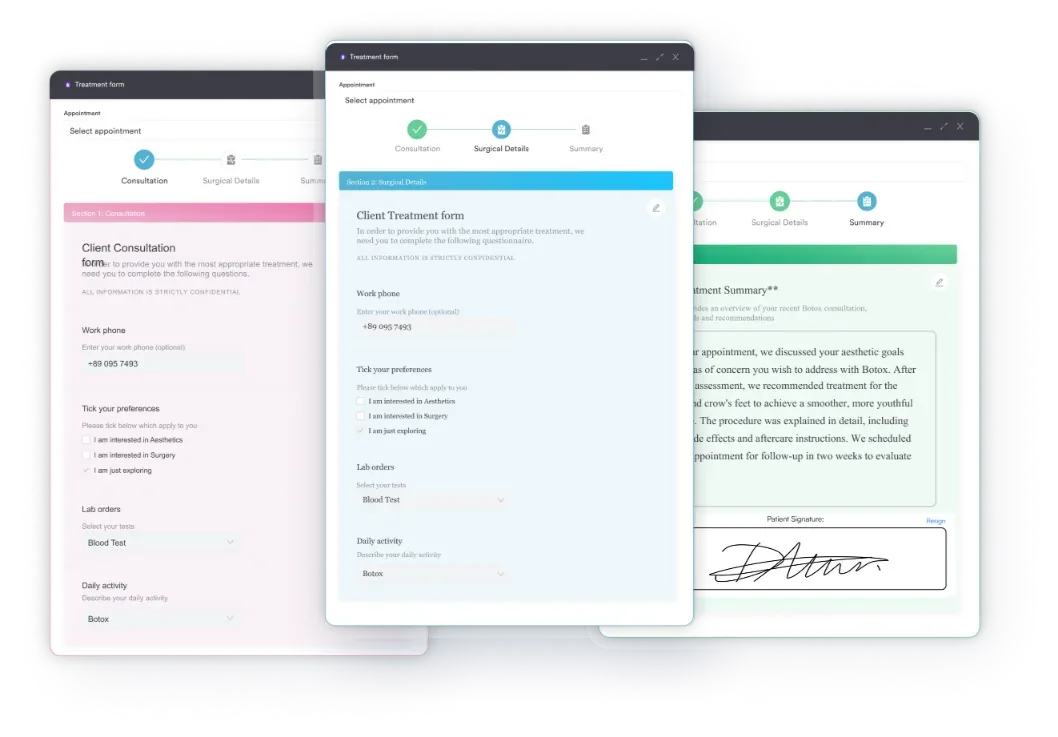
Using structured digital intake forms at postpartum follow-up appointments makes it easier to capture all five elements consistently. A standardized postpartum visit form that prompts for delivery date, uterine size measurement, lochia assessment, and infection screening keeps the record complete enough to avoid O90.89 denials.
Practices can pair those forms with delivery-specific documentation.
Three errors account for the majority of coding problems around postpartum subinvolution. Recognizing each one reduces claim rework and keeps the revenue cycle moving.
N85.3 describes chronic, nonpuerperal subinvolution – it is indexed and excluded specifically to keep it out of postpartum claims. If the record establishes a recent delivery and the encounter falls within the puerperal period, O90.89 is the code, not N85.3.
Consult the ICD-10-CM Official Guidelines for Coding and Reporting, Chapter 15 rules on obstetric coding hierarchy if timing is ambiguous. Efficient claims management workflows flag this distinction automatically when postpartum timing is part of the patient record.
Coders cannot assign O90.89 based solely on an enlarged uterus on ultrasound or prolonged lochia noted in nursing documentation. The attending physician must document a diagnosis of subinvolution in the clinical note. If the physician notes “uterus larger than expected, possible subinvolution,” query for a definitive diagnosis before coding.
Querying is standard practice and protects the practice from a claim that cannot survive audit.
O90.9 (complication of the puerperium, unspecified) should only be used when the clinical picture is truly nonspecific. When the physician has named subinvolution as the diagnosis, O90.89 is the correct, more specific code – assigning O90.9 instead understates the documentation that already exists in the chart and can draw unnecessary payer scrutiny.

Structured postpartum templates, built-in ICD-10 code capture, and automated follow-up workflows mean your team gathers the clinical detail O90.89 requires – without chasing incomplete notes after the fact.

Subinvolution documentation fails most often at the point of care: The postpartum visit note does not capture uterine size in measurable terms, or the physician dictates “doing well” without specifically assessing involution progress – or timing relative to delivery. Two Pabau features address this directly.
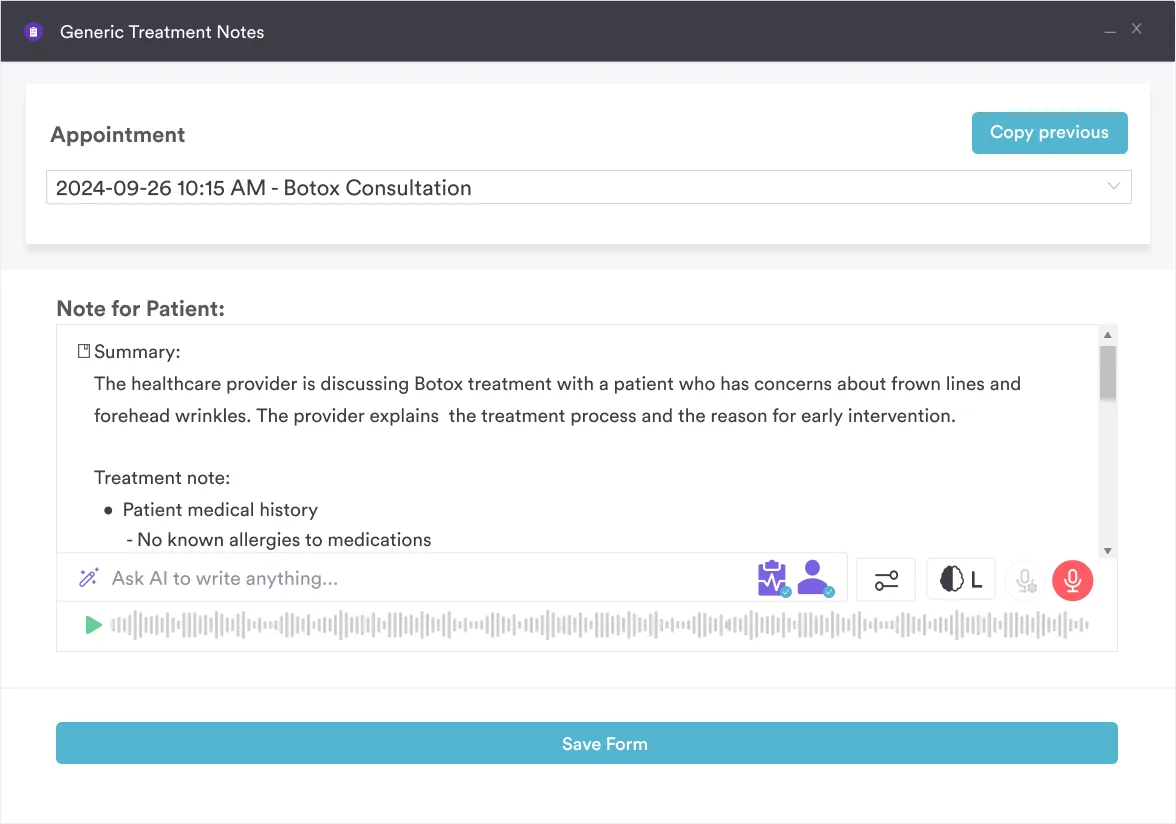
The patient record management system allows OB-GYN practices to build structured postpartum visit templates that include mandatory fields for delivery date, uterine size assessment, lochia characterization, and infection screening. When those fields are required rather than free-text optional, the documentation that supports O90.89 – and correctly rules out N85.3 – is captured consistently across all clinicians.
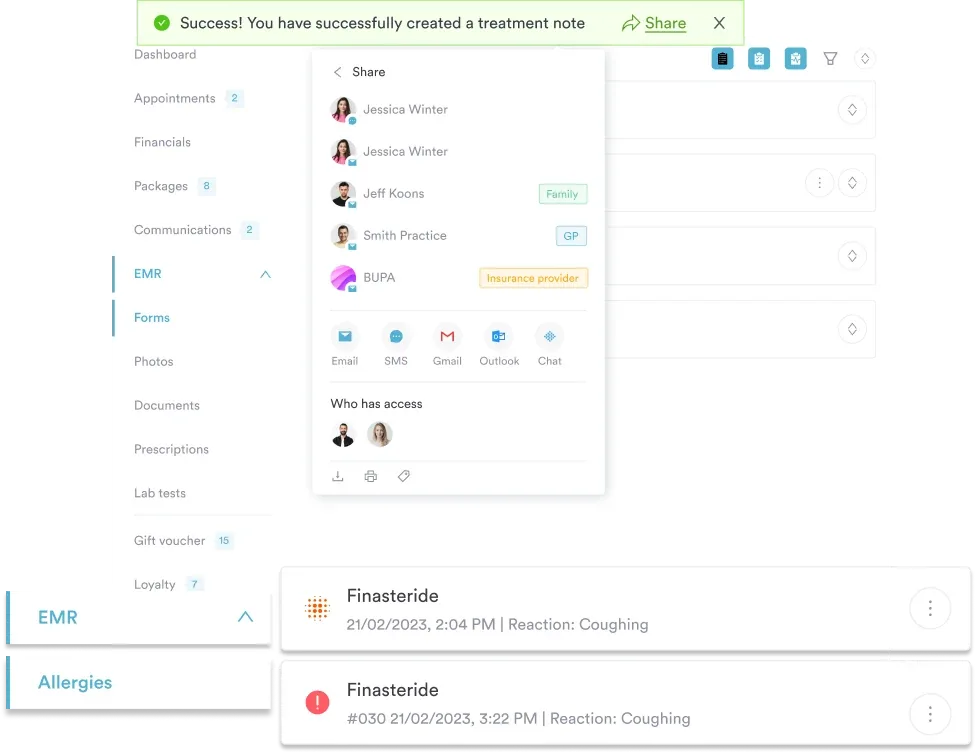
Clinicians can review and confirm the diagnosis statement – including whether the record specifies puerperal or chronic subinvolution – before the note is finalized, reducing the query-needed situations that slow the coding team.
Combined with compliance management tools, practices running postpartum care programs can audit documentation completeness across all O90.89 encounters before claims submission.
These codes are frequently encountered alongside O90.89 in postpartum and OB-GYN coding contexts. One is a commonly confused code that must never be reported together with O90.89; the others are legitimate related or secondary codes for associated findings. Coders working postpartum encounters will also cross-reference other Chapter 15 codes such as O71.9 and O76, though neither applies to subinvolution itself.
For puerperal complications that can’t be further specified, O90.9 covers when the unspecified code is – and isn’t – the right call, plus the sequencing principles that apply across Chapter 15 obstetric codes.
The six-week window that separates O90.89 from N85.3 also governs other postpartum diagnoses. Malnutrition diagnosed within those six weeks takes O25.3 as the first-listed code, and an E40-E46 type code can follow.
Do not code both O90.89 and N85.3 for the same subinvolution diagnosis – confirm which one applies based on delivery timing, then stop. If prolonged lochia is also documented for the same encounter, confirm with the physician whether it’s a separate finding or part of the same subinvolution picture before adding a second code.
Subinvolution is underdiagnosed on paper, not in clinical practice. The condition is identifiable, the documentation requirements are straightforward, and the code many coders reach for out of habit – N85.3 – is the wrong one for a postpartum presentation.
When subinvolution is puerperal, ICD-10 code O90.89 is billable, specific, and has no pending changes in the FY2026 edition. Getting the code family right – O90.89 for puerperal, N85.3 for chronic – is what keeps the claim, and the clinical picture, accurate.
Pabau’s structured note templates and Pabau Scribe give OB-GYN and postpartum care teams a reliable way to capture the documentation elements O90.89 requires, every time. To see how the platform handles postpartum workflows, book a demo.

Coding a threatened miscarriage? See our guide to O28.1 for abnormal biochemical findings on antenatal screening of the mother.
Documenting a breast lump diagnosis? Our C54.1 guide covers billing for malignant neoplasm of the endometrium.
Coding a digestive complaint? Check our breakdown of K67 for disorders of peritoneum in infectious diseases classified elsewhere.
ICD-10 code O90.89 is used to document and bill for puerperal (postpartum) subinvolution of the uterus, a condition in which the uterus fails to return to its normal pre-pregnancy size within six weeks of delivery. It is assigned when the attending physician has documented a clinical diagnosis of subinvolution occurring within the puerperal period and infectious causes have been excluded.
Yes, O90.89 is a billable, specific ICD-10-CM diagnosis code valid for reimbursement in FY2026. It became effective October 1, 2025, under the current fiscal year edition, and applies to female patients aged 12 to 55. No deletions or revisions are pending for this code in the current update cycle.
O90.89 describes puerperal subinvolution of the uterus – subinvolution documented within six weeks of delivery. N85.3 describes chronic, nonpuerperal subinvolution unrelated to a recent delivery. N85.3 carries an Excludes1 note against O90.89, meaning the two codes are mutually exclusive and must never be reported together on the same claim. Use O90.89 for a postpartum presentation and N85.3 only when there is no recent delivery driving the diagnosis.
The clinical record must include a physician-documented diagnosis of subinvolution, the delivery date confirming the encounter falls within the puerperal period, objective evidence of uterine enlargement (bimanual exam or ultrasound), assessment of lochia if relevant, and documentation ruling out infectious causes such as endometritis. Without a physician-stated diagnosis and confirmed puerperal timing, coders cannot assign O90.89 based on imaging or nursing notes alone.
N85.3 carries an Excludes1 note for puerperal subinvolution of uterus (O90.89) – these two codes can never be reported together. At the O85-O92 block level, mental and behavioral disorders associated with the puerperium (F53.-) carry an Excludes2 note relative to O90.89, meaning F53.- may be coded alongside O90.89 when both are separately documented.
O90.89 applies when a specific complication, such as subinvolution, is documented but doesn’t have its own dedicated code within the O90 range. O90.9 applies only when a puerperium complication is confirmed but cannot be further characterized from the available documentation. When subinvolution is named as the diagnosis, O90.89 – not O90.9 – is the correct code.
Related codes include N85.3 (chronic, nonpuerperal subinvolution – an Excludes1 partner, never coded with O90.89), O90.9 (complication of the puerperium, unspecified), O90.81 (anemia of the puerperium), O72.1 (other immediate postpartum hemorrhage), O86.12 (endometritis following delivery, used when postpartum endometritis is confirmed), and D25.- codes for uterine leiomyoma when fibroids are documented as a contributing factor.