ICD-10 Code S42.444P: Medial epicondyle fracture, right humerus
ICD-10 Code S42.444P: full descriptor and code validity ICD-10 Code S42.444P car...

Last Updated: Oct 13, 2026
Billable Code Specific Code
S60.931D is the billable ICD-10-CM code for unspecified superficial injury of right thumb, subsequent encounter.
The full clinical description is unspecified superficial injury of right thumb, subsequent encounter. "Unspecified" means the record never names the injury type, such as an abrasion, a blister, or a contusion. The side is documented as the right thumb, and the visit is a follow-up. The Centers for Medicare and Medicaid Services (CMS) updates the ICD-10-CM code set every October. A service billed to Australian Medicare needs the matching schedule item and the documentation the descriptor asks for. Where a payer still requires a paper claim, the practice needs the current revision of the form.
One detail worth knowing before you bill it: S60.931D is exempt from present on admission (POA) reporting. If your team handles claims management for hand and wrist visits, this code will appear often in outpatient and rehabilitation settings.
Let Pabau's smart automation suggest the right codes, reduce claim denials, and keep your practice compliant—effortlessly.
Automate repetitive tasks and focus on what matters most—your patients.
Reduce coding errors and ensure compliance with the latest regulations.
Clean claims, fewer denials, and faster reimbursements.
Powerful insights and reporting to help your practice thrive.
HIPAA compliant SOC 2 certified GDPR-compliant Trusted by 4,000+ clinics worldwide

ICD-10 code S60.931D covers an unspecified superficial injury of the right thumb at a follow-up encounter, and it is billable for FY2026.
The 7th character D applies during the healing phase, once active treatment has ended and routine care has begun.
Encounter type turns on whether active treatment happened anywhere, not on whether your own practice has met the patient before.
The most common error is billing S60.931A for a follow-up wound check or physical therapy session.
Practice management software like Pabau stores encounter history beside the clinical note, so coders can confirm the phase of care.
The 7th character is where most coding errors happen with S60.931D. It tells the payer which phase of care the visit belongs to, and the wrong letter can trigger a denial or an audit. The same logic runs through the whole S60-S69 block, so codes such as S62.163P and S63.004S follow it too. External cause codes carry the same 7th character, so a follow-up visit for a sea lion bite takes W56.11XD.
Under the ICD-10-CM Official Guidelines, subsequent encounter applies while the patient is in the healing or recovery phase. Active treatment has already finished, either at an earlier visit or with a different provider. Wound checks, dressing changes, rehabilitation appointments, and follow-up consultations all take the D suffix.
One question settles almost every case. Has active treatment for this injury already been delivered anywhere, by anyone? If the answer is yes, the visit is a subsequent encounter, even when your practice is meeting the patient for the first time.
A common mistake looks like this. A physical therapist treats a patient for hand rehabilitation after an emergency department visit, then codes the first therapy session as S60.931A. The emergency department already delivered the active treatment, so that first appointment takes S60.931D instead.
Referral-heavy settings run into this most often. An osteopathy practice or a chiropractic practice usually meets the patient after someone else has treated the injury. Almost every visit on those schedules is a subsequent encounter.
Flag encounters in your scheduling system as ‘follow-up’ or ‘subsequent’ at the time of booking. The clinician then sees the encounter type before writing a single line of the note. That one cue removes most of the guesswork between D and A.
Knowing where S60.931D sits in the classification helps you find sibling codes and confirm the right level of specificity. The CDC ICD-10-CM web tool carries the full tabular list for navigating it.
S60.931 on its own is not billable. The 7th character is what takes it to a valid billable level. Submit it without D, A, or S appended and you get a claim edit or a rejection. A code verification step inside the documentation workflow catches that truncation before the claim leaves the practice.
Urgent care and orthopedic coders meet the full S60.93x family alongside other superficial injury codes. Knowing the siblings reduces specificity errors when laterality or injury type changes between encounters.
When the record supports greater specificity, use the more specific code. A note that clearly says “abrasion” takes S60.311D rather than the unspecified S60.931D. The AAPC code lookup indexes the full set of S60 siblings for reference.
“Unspecified” here means the record never names the injury type, such as an abrasion or a nonthermal blister. The same construction repeats at other body sites, so a left knee note with no injury type takes S80.912A at the initial encounter.
A workup sometimes rules the suspected thumb injury out altogether. Where no diagnosis is established at the end of that visit, the encounter takes an observation code such as Z03.89 instead of S60.931D.
Four documentation elements must be present in the clinical record to support S60.931D. Miss any one of them and the payer has grounds to downcode or deny the claim. Structured client record management with templated note fields keeps those four elements consistent across high-volume injury codes.
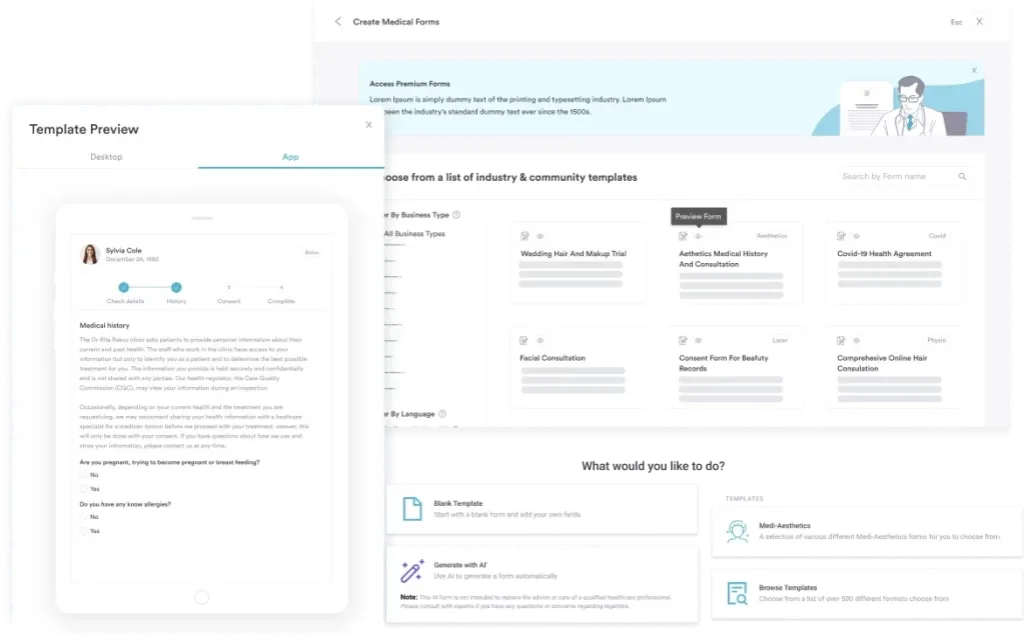
Practices that use structured medical forms for follow-up visits can pre-populate the laterality and encounter stage fields. That removes the reliance on free-text notes, which are far easier to leave incomplete. The digital forms workflow in Pabau lets you build those fields straight into a follow-up visit template.
Injury recovery often runs through occupational therapy, and occupational therapy software tracks function from assessment to discharge.
Major payers, including Medicare and the commercial insurers, accept S60.931D as a valid subsequent encounter diagnosis for a superficial right thumb injury. Four billing considerations shape how it lands on the claim.
Payer edits and coverage notes shift between fiscal years, so confirm coverage at the payer level before you submit. Teams that also code forearm and wrist injuries.
In most practices, the clinician writing a follow-up note has no easy way to see what happened at the first visit. They pick a 7th character from memory, or they copy forward whatever the last claim used. That is how S60.931A ends up on a fourth appointment.
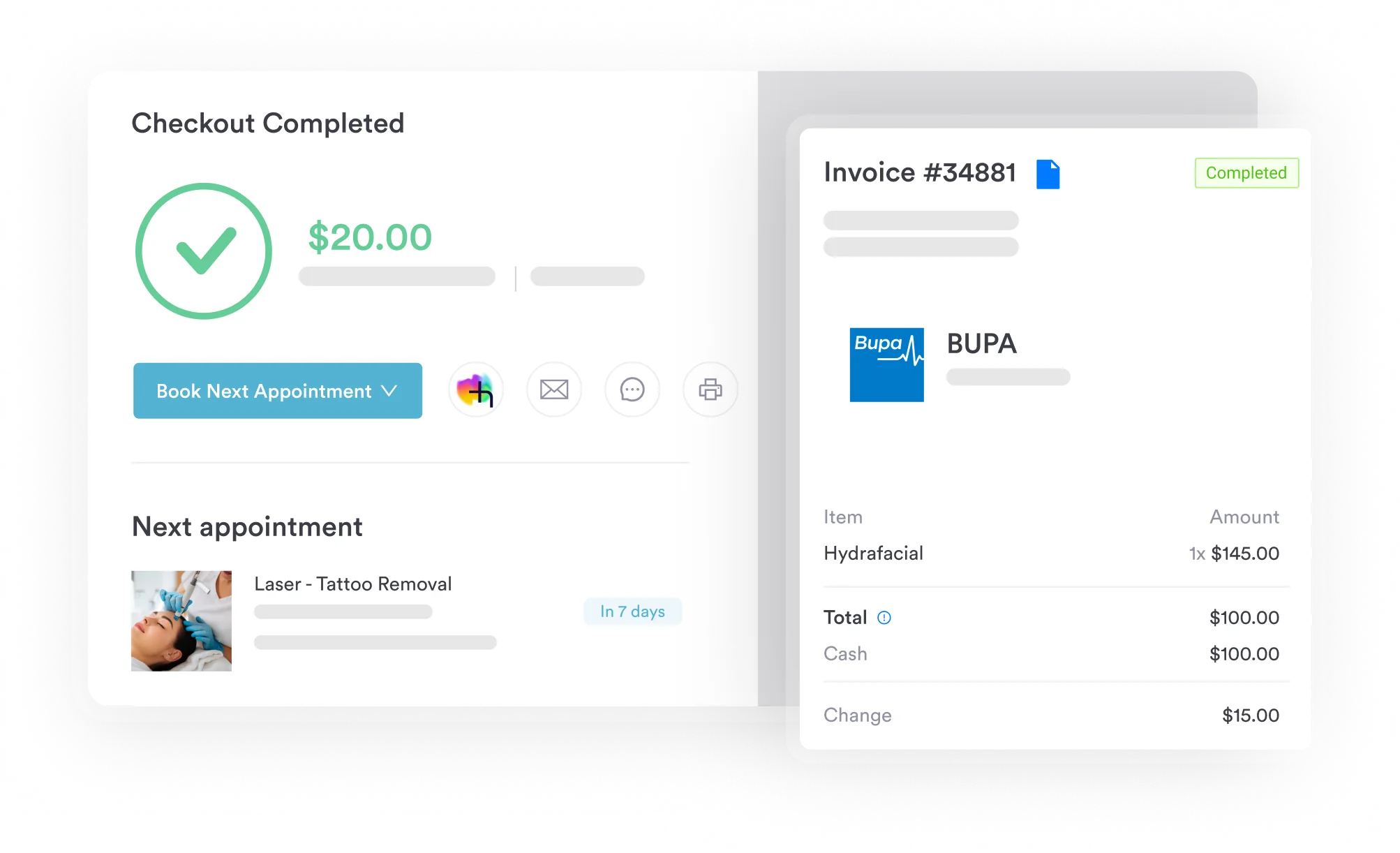
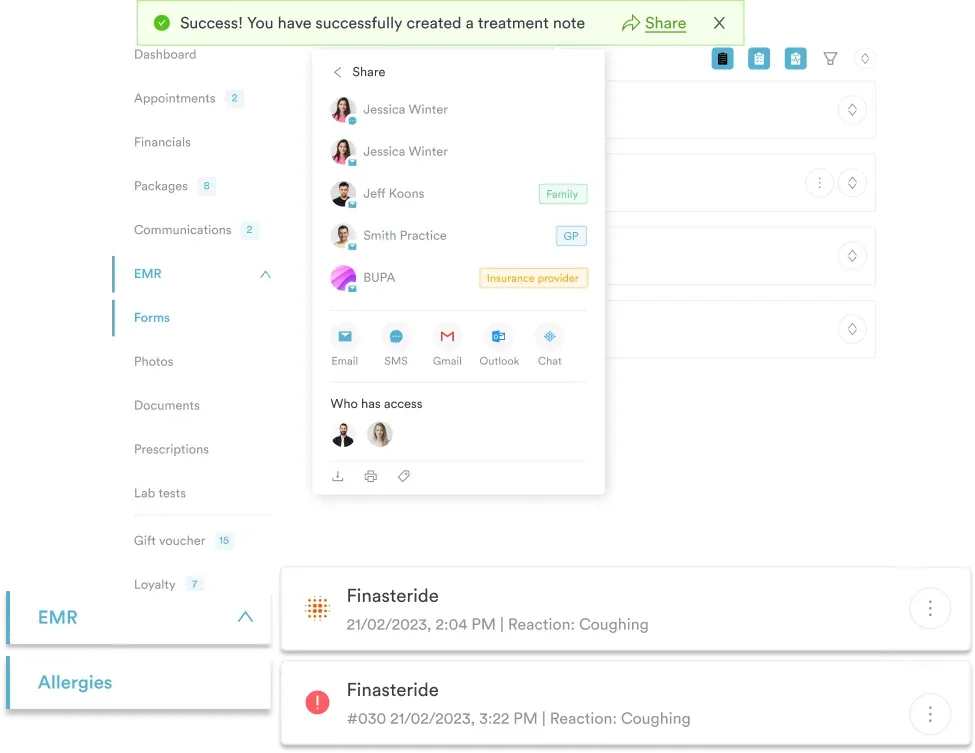
Practice management software like Pabau keeps the encounter history in the same client record as the note. The clinician can see the date of the initial treating visit while they write, then attach the ICD-10 code without leaving the chart. Encounter type stops being a guess.
The billing side picks the record up from there. Claims run through a pre-submission review that surfaces truncated codes and encounter-type mismatches before anything reaches the payer. Your team spends its time on the handful of claims that need judgment, not on reworking the ones that were avoidable.
Add a mandatory encounter-type field to your follow-up visit template, with initial and subsequent as the only two options. Built into the standard wrist and hand documentation flow, it catches the most common 7th character error before the claim is ever submitted.

Pabau keeps encounter history, ICD-10 code entry, and claim review in one client record, so the right code follows the right note. See how it handles hand and wrist injury follow-ups.

S60.931D stops being difficult the moment you fix the question you ask at the note. Not “have I seen this patient before”, but “has anyone treated this injury yet”. Answer that one honestly and the 7th character picks itself.
The trade-off worth remembering is specificity. S60.931D is safe when the record genuinely does not name the wound type, and a liability when it does. Improving the note is usually the cheaper fix, because better documentation earns you the more specific code for free.
Book a demo to see how Pabau keeps encounter history in front of the clinician, so follow-up injury visits get coded right the first time.

Billing a partial mastectomy with node removal? Partial mastectomy billing guide covers CPT 19302, listing the work RVUs and the Medicare payment for 2026.
Coding a hand fracture that healed badly? S62.163P covers a different 7th character on the same body region.
Billing a digit replantation? 20822 sets out the RVUs, modifiers, and the denials that follow this procedure.
Working further up the arm? S52.271A applies the same initial-encounter rules to a forearm fracture.
S60.931D is a billable ICD-10-CM diagnosis code for an unspecified superficial injury of the right thumb at a subsequent encounter. The “D” shows that the patient has already had active treatment for the thumb injury. They are now back for follow-up, rehabilitation, or routine monitoring care.
Yes. S60.931D is a fully billable and specific ICD-10-CM code. It is valid for dates of service on or after October 1, 2025, under the FY2026 edition. The parent code S60.931 is not billable without a 7th character.
Subsequent encounter (7th character D) applies while the patient is still being cared for during the healing phase. Sequela (7th character S) applies only after the injury has fully healed. It covers a late effect, such as chronic stiffness or scar formation, that has emerged as a condition of its own.
Use S60.931A only at the first visit where active treatment is delivered. Every visit after that takes S60.931D, including the first physical therapy session following an emergency department visit. What decides the encounter type is whether active treatment has already happened anywhere. Meeting the patient for the first time yourself does not make the visit initial.
The parent code is S60.931, which describes an unspecified superficial injury of the right thumb with no encounter phase attached. S60.931 is not billable on its own. It needs a 7th character of A, D, or S to be valid for submission.
Yes. The record must confirm right thumb laterality, a superficial injury type, and that this visit is a subsequent encounter. It also needs the clinical purpose of the visit. Without documented laterality the claim would take S60.939D instead, and payers may query it.