

ICD-10 Code S42.444P: Medial epicondyle fracture, right humerus
ICD-10 Code S42.444P: full descriptor and code validity ICD-10 Code S42.444P car...

Last Updated: Oct 13, 2026
Billable Code Specific Code
N12 is the billable ICD-10-CM code for tubulo-interstitial nephritis, not specified as acute or chronic.
Most practices using ICD-10 diagnostic codes for renal conditions are familiar with the acute/chronic distinction, yet tubulo-interstitial nephritis presents a specific documentation problem: what do you code when the clinical record simply does not support either designation? ICD-10 Code N12, valid for FY2026, exists precisely for that scenario. It is a billable code, but using it carelessly can trigger medical necessity challenges from payers and create inpatient reimbursement problems.
Let Pabau's smart automation suggest the right codes, reduce claim denials, and keep your practice compliant—effortlessly.
Automate repetitive tasks and focus on what matters most—your patients.
Reduce coding errors and ensure compliance with the latest regulations.
Clean claims, fewer denials, and faster reimbursements.
Powerful insights and reporting to help your practice thrive.
HIPAA compliant SOC 2 certified GDPR-compliant Trusted by 4,000+ clinics worldwide

ICD-10 Code N12 is a billable FY2026 diagnosis code for tubulo-interstitial nephritis not specified as acute or chronic.
Inclusion terms cover interstitial nephritis NOS, pyelitis NOS, pyelonephritis NOS, and anti-GBM disease.
Use N10 for confirmed acute cases and N11 for confirmed chronic cases; N12 applies only when the clinical record cannot specify either.
Pabau’s claims management software and EHR documentation tools help nephrology and internal medicine practices reduce N12-related claim denials.
ICD-10 Code N12 is the official designation for tubulo-interstitial nephritis that the clinician cannot classify as either acute or chronic based on available documentation. It sits within ICD-10-CM Chapter 14 (N00-N99, Diseases of the genitourinary system), subcategory N10-N16 (Renal tubulo-interstitial diseases).
Tubulo-interstitial nephritis describes inflammation of the renal tubules and interstitium rather than the glomeruli. Causes range from bacterial infections (classic pyelonephritis) to drug reactions, immune-mediated processes (anti-GBM disease, TINU syndrome), and idiopathic inflammatory disease. When the underlying cause produces inflammation without a clearly documented acute or chronic course, N12 is the appropriate code.
The ICD-10-CM tabular list confirms these inclusion terms for N12. All are billable under the same code and do not require additional specificity.
Note that “NOS” (not otherwise specified) indicates the documentation does not support further classification, making N12 the last-resort code when more specific options cannot be supported by the record.
The N10-N12 range covers the same underlying pathophysiology at different stages of documentation specificity. The most common coding error is defaulting to N12 when the record actually supports a more specific designation.
When in doubt, query the treating clinician before assigning N12. The WHO ICD-10 classification advises minimizing use of unspecified codes when clinical evidence can support a more specific designation. For N12, this is especially important because many payers tie medical necessity for inpatient admission and prolonged antibiotic therapy to documentation that specifies the acuity of the episode.
Before assigning ICD-10 Code N12, review the complete encounter note for language that supports acute or chronic designation. Phrases like ‘first episode,’ ‘sudden onset,’ or ‘recent UTI’ often indicate an acute presentation that should be coded N10. Phrases like ‘recurrent,’ ‘history of,’ or ‘longstanding’ support a chronic code under N11. Document your query to the provider to support the final code assignment.
Type 1 Excludes notes represent hard stops. ICD-10 Code N12 carries Type 1 Excludes that prevent simultaneous use with certain other codes. Assigning an excluded code alongside N12 triggers claim rejection.
The N10-N16 subcategory Type 1 Excludes include conditions caused by specific organisms or anatomically distinct processes that have their own classification. Drug-induced renal tubulo-interstitial conditions require the adverse effect code alongside N12 per ICD-10-CM coding instructions. Using N12 alone when a causative drug is documented and identifiable is incomplete coding that may reduce reimbursement.
Practices using claims management software that flags code pairs against payer-specific edits catch these issues before submission. Manual claim review for co-coding compliance is prone to the same errors that N12 itself is designed to prevent.
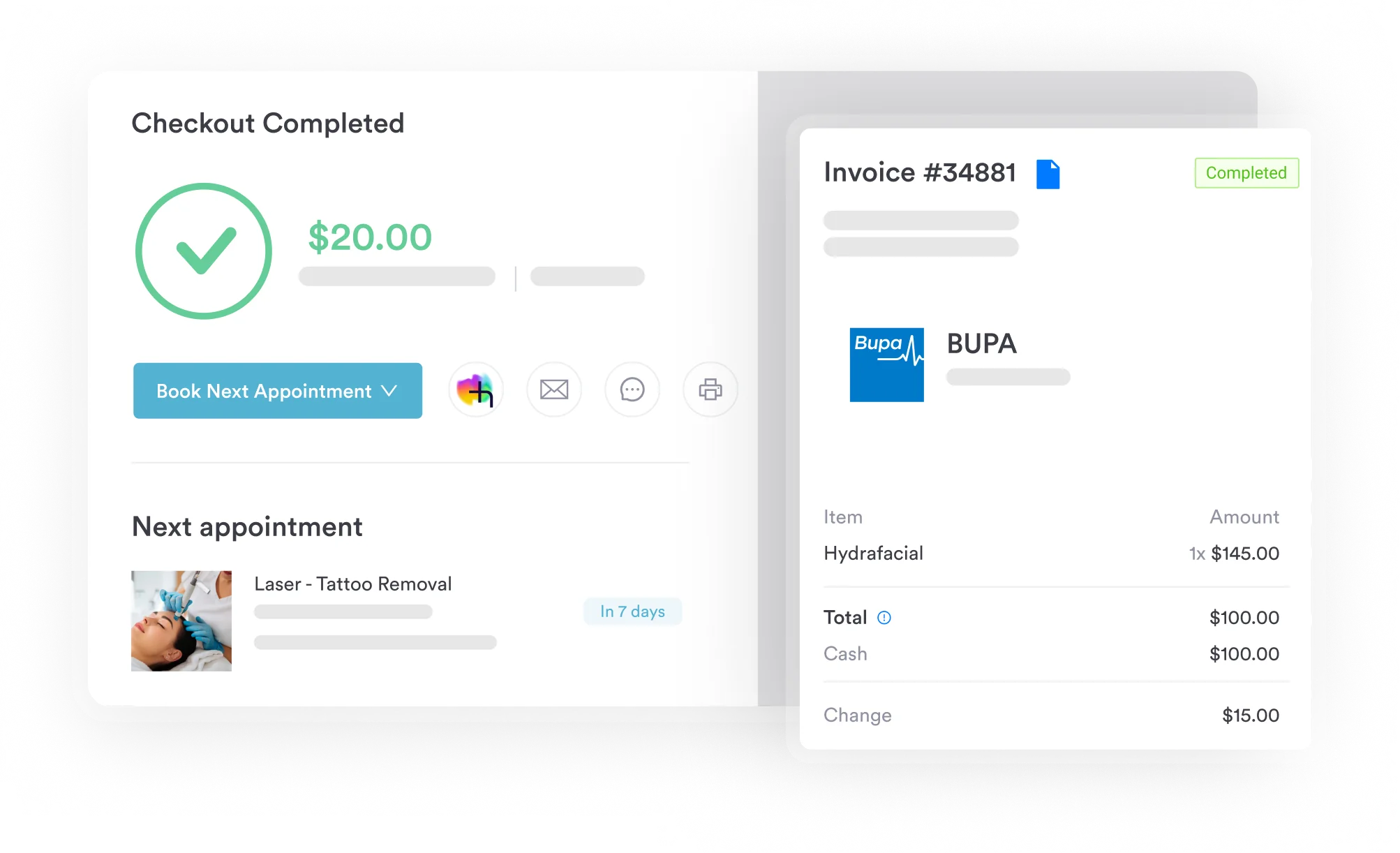
With an OB-GYN practice EMR, these diagnoses drive the recall schedules that keep screening intervals on track.
Payers applying medical necessity review to claims coded N12 expect the clinical record to demonstrate that an acute or chronic determination genuinely could not be made. This is a narrower bar than it sounds. Most initial nephrology encounters have enough clinical information to support N10 or N11 if the provider documents the acuity.
For inpatient cases, N12 as a principal diagnosis maps to MS-DRGs in the urinary tract infection and kidney disorder groupings. Because N12 lacks the acuity specificity of N10, some payers argue the code does not independently establish medical necessity for inpatient-level care. Nephrology and hospitalist coders should ensure the discharge summary includes the treating physician’s clinical reasoning for admission, separate from the ICD code assignment.
Accurate and complete patient record documentation is the first line of defense against these payer challenges. When clinicians document their reasoning in structured notes rather than free-text, coders can extract the specificity needed to avoid N12 where N10 or N11 is clinically supportable.
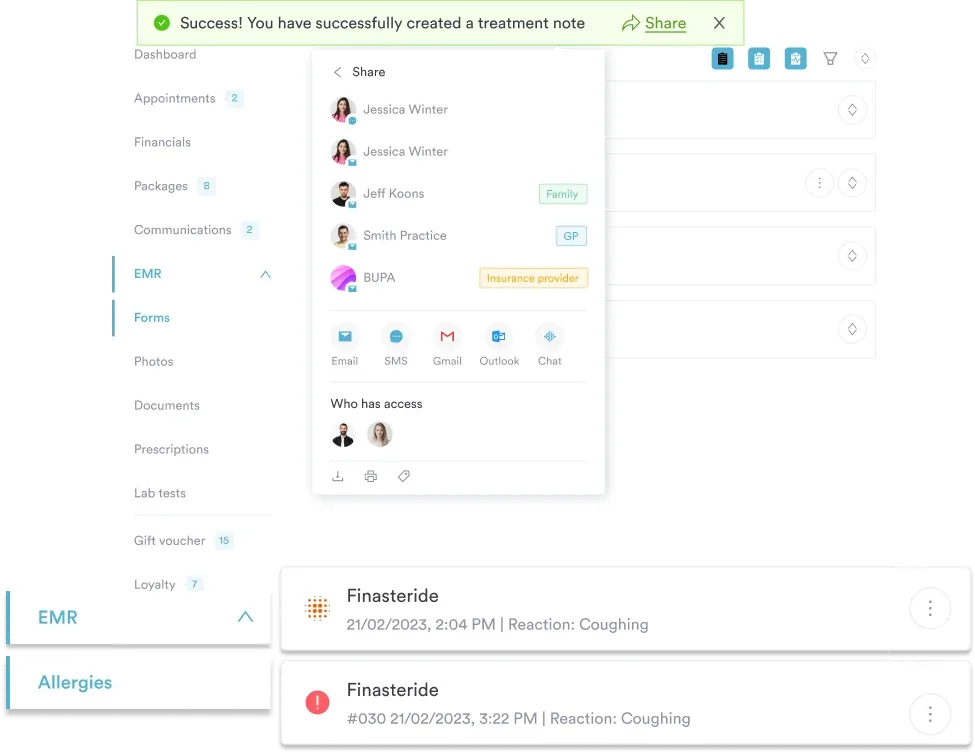

Pabau helps nephrology and internal medicine practices build documentation workflows that support accurate ICD-10 coding, track clinical data for medical necessity, and submit cleaner claims. See how it works for your practice.

Two conditions listed as synonyms or closely associated with N12 require careful coding because they have clinical complexity beyond a simple nephritis designation.
Anti-GBM disease (Goodpasture syndrome) is listed as an inclusion term under N12 in current ICD-10-CM references. Clinically, however, it is an immune-mediated condition that simultaneously involves both glomerular and tubulo-interstitial components. When the glomerular component is the dominant documented pathology, the nephrologist’s note may support coding under the nephrotic syndrome (N04) or rapidly progressive nephritic syndrome (N01) categories instead. Always follow the provider’s documented primary diagnosis. Front-desk data entry and back-office coding both feed cash collection, so errors compound downstream. A shared coding reference also standardizes how two coders handle the same borderline case.
Tubulointerstitial nephritis and uveitis (TINU) syndrome is a rare autoimmune condition affecting both the kidneys and eyes. ICD-10 Code N12 covers the renal component. The uveitis component requires a separate code from the H10-H22 range (anterior uveitis codes). Coding N12 alone on a claim for a patient with confirmed TINU syndrome is incomplete and may underrepresent the clinical complexity, potentially affecting DRG weight in inpatient settings.
Practices managing complex renal conditions benefit from structured note templates that prompt clinicians to document each anatomically distinct component. The documentation approach at your healthcare practice directly shapes whether coders have enough information to avoid unspecified codes like N12 in complex presentations.
Practices that maintain legacy billing records or process Medicare secondary payer claims referencing older episodes need the ICD-9-CM equivalent for N12.
The ICD List diagnostic code database provides bidirectional crosswalk data for historical claims research. For any ICD-10 code transition question, the official CMS crosswalk files are the authoritative source.
Run a quarterly audit of N12 claims against denials data. If N12 appears frequently alongside denials for medical necessity, the issue is usually documentation upstream, not the code itself. Coders should flag high-volume N12 encounters for provider education on acute versus chronic documentation language.
N12 is a billable code and will process on a claim. The reimbursement risk comes from payer medical necessity review, not from the code’s billable status itself.
For outpatient encounters, N12 is generally sufficient to support E/M services in nephrology and internal medicine when the clinical documentation establishes that acuity was genuinely indeterminate. Most commercial payers accept N12 for outpatient follow-up of known kidney disease. The risk area is new patient evaluation codes billed with N12 where the clinical documentation would have supported N10 or N11.
For inpatient MS-DRG assignment, the principal diagnosis specificity matters more than in outpatient settings. N12 as a principal diagnosis will group under a lower-weight DRG than N10 for the same clinical encounter. If the clinical record supports an acute designation, the difference in reimbursement between N10 and N12 can be substantial. Nephrology coders should query the attending physician when the record is ambiguous rather than defaulting to N12.
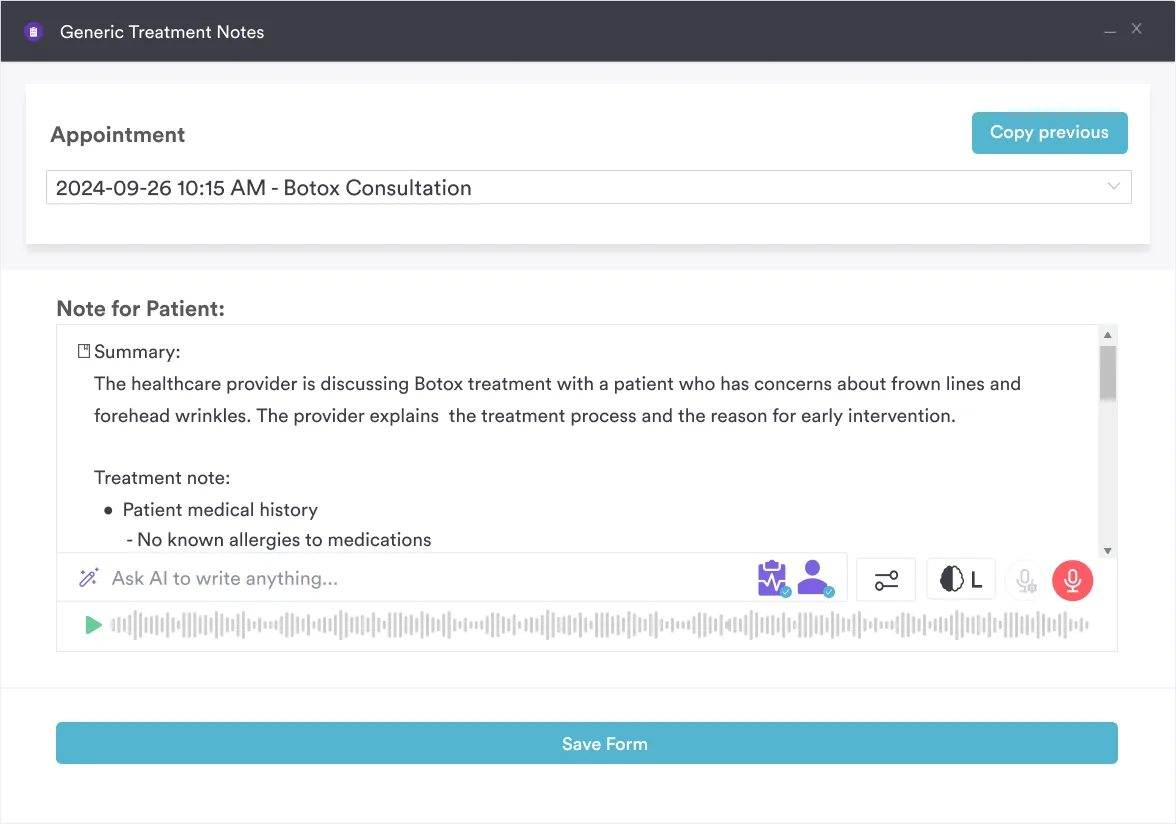
Practices that integrate AI-assisted clinical documentation capture acuity language at the point of care, reducing the frequency of genuinely unspecifiable encounters and the claim denials that follow. When the clinician’s note already includes onset language, coders have the specificity they need without a physician query cycle.
For verification of current coverage policies and payment rates, the CDC/NCHS ICD-10-CM web tool provides the official U.S. code descriptions and tabular context. The HIPAA compliance requirements for medical offices also shape how diagnosis codes must be stored and transmitted in claims data.
ICD-10 Code N12 is most often assigned because documentation upstream did not capture acute or chronic designation at the point of care. Pabau’s digital forms and intake documentation tools help nephrology and internal medicine practices build intake workflows that prompt clinicians to document onset, symptom duration, and prior episode history, the exact fields that determine whether N10, N11, or N12 is the right code.
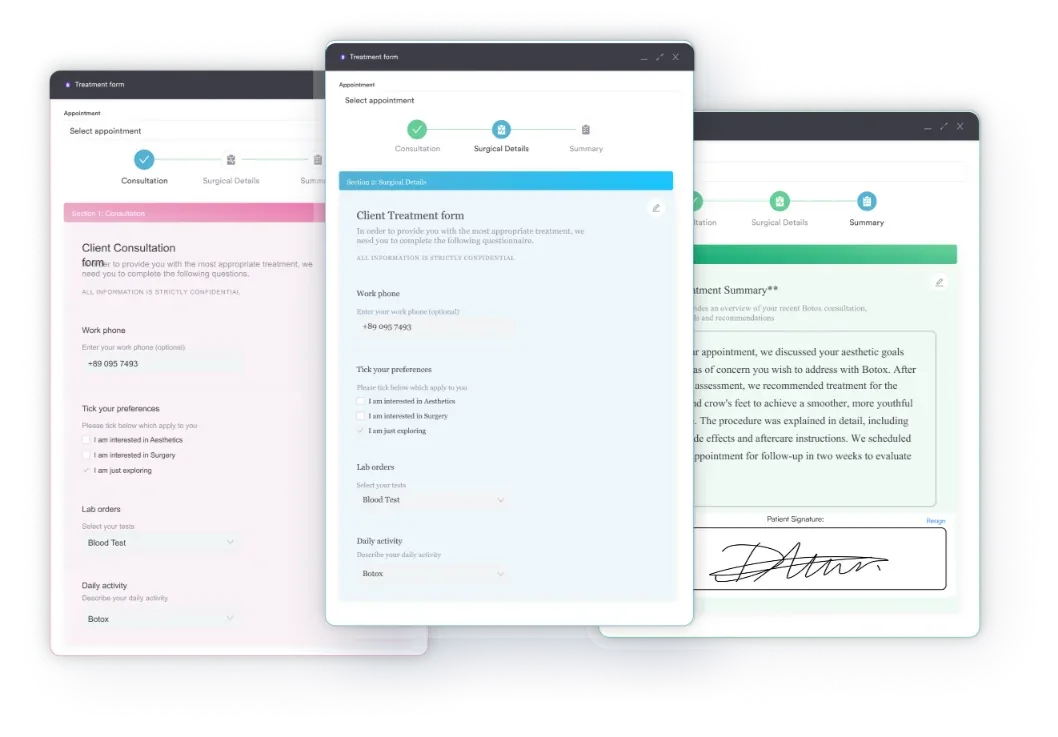
The claims management tools within Pabau flag code pairs and payer-specific edits before submission, catching incomplete co-coding scenarios (such as drug-induced nephritis coded without the adverse effect code) that generate avoidable denials. Practices managing complex renal patients with multi-system conditions like TINU syndrome benefit from structured patient records that keep ocular and renal codes together in a single encounter record.
For practices exploring how to reduce documentation burden generally.
ICD-10 Code N12 fills a real gap in the ICD-10-CM coding hierarchy, covering tubulo-interstitial nephritis when clinical documentation genuinely cannot support an acute or chronic designation. The code is billable and valid for FY2026, but its unspecified nature creates downstream risk: payer denials for medical necessity, lower DRG weight on inpatient claims, and incomplete co-coding when causative agents or secondary conditions are present.
The practical solution is documentation quality upstream. Practices that build structured intake and note workflows reduce the frequency of genuinely unspecifiable encounters. Pabau’s claims management software and EHR documentation tools help nephrology and internal medicine teams close that documentation gap. To see how it works for your practice, book a demo.

Need another ICD-10 coding reference? Intraparenchymal hemorrhage ICD-10-CM codes covers the I61.x code series, with documentation tips and coding best practices.
Coding a healed third-degree axilla burn? T22.342S axilla burn code covers a third-degree burn of the left axilla at the sequela stage, once the burn has healed.
Coding burns across 10 to 19 percent TBSA? T31.11 burn TBSA code covers burns involving 10 to 19 percent of total body surface area, with matching third-degree involvement.
ICD-10 Code N12 is the diagnosis code for tubulo-interstitial nephritis not specified as acute or chronic, valid for FY2026. It covers interstitial nephritis NOS, pyelitis NOS, pyelonephritis NOS, and anti-GBM disease when the clinical record cannot support a more specific acute or chronic designation.
Yes, N12 is a fully billable ICD-10-CM diagnosis code for FY2026. It will process on both outpatient and inpatient claims, though its unspecified nature may trigger medical necessity review from payers, particularly for inpatient admissions or prolonged antibiotic therapy.
Use N12 only when the clinical documentation genuinely cannot establish whether the tubulo-interstitial nephritis is acute or chronic. If the record includes language like “sudden onset,” “first episode,” or “acute infection,” code N10 instead. If it references a recurrent or longstanding pattern, use the appropriate N11 subcode.
The ICD-10-CM tabular list includes these terms under N12: interstitial nephritis NOS, pyelitis NOS, pyelonephritis NOS, and anti-glomerular basement membrane disease (anti-GBM disease). All are coded to N12 when acuity is not documented.
The primary ICD-9-CM crosswalk for N12 is 590.10 (pyelonephritis, unspecified). For the interstitial nephritis NOS component, 583.89 (nephritis and nephropathy, not otherwise specified) also applies depending on the specific clinical context of the legacy claim.
Yes. When the tubulo-interstitial nephritis is drug-induced and the causative medication is documented, ICD-10-CM coding guidelines require both N12 and the appropriate adverse effect code from the T36-T65 range. Coding N12 alone in this scenario is incomplete and may result in claim edits or reduced reimbursement.




