ICD-10 Code V28.01XD: E-bike driver noncollision accident, nontraffic, subsequent encounter
ICD-10 Code V28.01XD: Definition and billable status ICD-10 Code V28.01XD is the...

Last Updated: Oct 20, 2026
Billable Code Specific Code
S42.131K is the billable ICD-10-CM code for displaced fracture of coracoid process, right shoulder, subsequent encounter for fracture with nonunion.
Orthopedic and sports medicine practices bill these codes at every post-acute shoulder follow-up.
Let Pabau's smart automation suggest the right codes, reduce claim denials, and keep your practice compliant—effortlessly.
Automate repetitive tasks and focus on what matters most—your patients.
Reduce coding errors and ensure compliance with the latest regulations.
Clean claims, fewer denials, and faster reimbursements.
Powerful insights and reporting to help your practice thrive.
HIPAA compliant SOC 2 certified GDPR-compliant Trusted by 4,000+ clinics worldwide

ICD-10 Code S42.131K covers a displaced fracture of the coracoid process of the right shoulder at a subsequent encounter with nonunion.
S42.131K is a fully billable ICD-10-CM code for fiscal year 2026. Its parent code S42.131 is not billable without a 7th character.
The K character means nonunion has been confirmed, so it is not the routine follow-up that D covers.
Seven 7th characters attach to S42.131, including B for an initial encounter with an open fracture.
Practice management software like Pabau flags a missing 7th character before a fracture claim leaves the practice.
ICD-10 Code S42.131K is a billable, specific ICD-10-CM code valid for fiscal year 2026. It covers a displaced fracture of the coracoid process of the right shoulder at a subsequent encounter with confirmed nonunion. The table below is the at-a-glance summary for quick clinical lookup.
Each segment of ICD-10 Code S42.131K carries a specific clinical meaning. Reading it from left to right tells the full clinical story of the encounter.
The parent code S42.131 identifies the displaced coracoid fracture of the right shoulder, but it is not billable on its own. Adding the 7th character K specifies a follow-up visit where nonunion is confirmed, which completes the code. Practices carrying sports medicine and orthopedic caseloads meet this pattern at post-acute follow-ups where healing has stalled. Revenue cycle management reporting separates claims that were denied from claims nobody submitted.
The coracoid process is a hook-shaped projection of the scapula, or shoulder blade. It curves forward and downward from the upper part of the bone. It anchors several muscles and ligaments, including the short head of the biceps brachii, the coracobrachialis, the pectoralis minor, and the coracoclavicular ligament complex.
Coracoid fractures are uncommon, and they tend to happen through three mechanisms.
Displacement, as specified in S42.131K, means the fragments have shifted out of anatomical alignment. Displaced coracoid fractures progress to nonunion more often than non-displaced ones, which is why the K character matters so much at this site.
Injury recovery often runs through occupational therapy, and occupational therapy software tracks function from assessment to discharge.
The K character is one of seven options applied to the parent code S42.131. Each option signals a different clinical phase of the fracture encounter. Choosing the wrong one is the most common coding error on fracture follow-up visits. It is also the most frequent reason payers reject these claims.
The CMS ICD-10 codes page confirms that a 7th character is required before a fracture code reaches billable specificity.
K vs. D: the critical distinction. D applies when a fracture is healing normally at a follow-up visit. K applies only when imaging or clinical assessment confirms the fracture has failed to unite.
Using D when nonunion is documented undercodes the encounter. Using K without documented nonunion is a compliance risk. The same test applies at every fracture site.
Knowing where the code sits in the hierarchy helps coders navigate related codes and confirm they have the most specific option. The CDC ICD-10-CM web tool publishes the official hierarchical tree for all current codes.
S42.131K sits alongside laterality variants and encounter-type siblings under the same parent code. The table below covers the related codes most often referenced for coracoid process fractures. The AAPC ICD-10-CM lookup holds the full searchable list for this code family.
The same 7th character logic runs through the rest of the S42 family. S42.223G marks delayed healing in the humerus.
Check laterality at every follow-up visit, not just the initial encounter. A chart that documents left shoulder at intake and right shoulder at the follow-up will trigger an edit request from the payer. Build a laterality confirmation step into your fracture follow-up template to catch this before claim submission.
ICD-10 Code S42.131K will be denied if the documentation does not confirm each element the code claims. Five documentation elements have to appear in the record for K to hold up on audit. Structured digital clinical forms that prompt these fields at each follow-up cut down on retrospective claim adjustments.
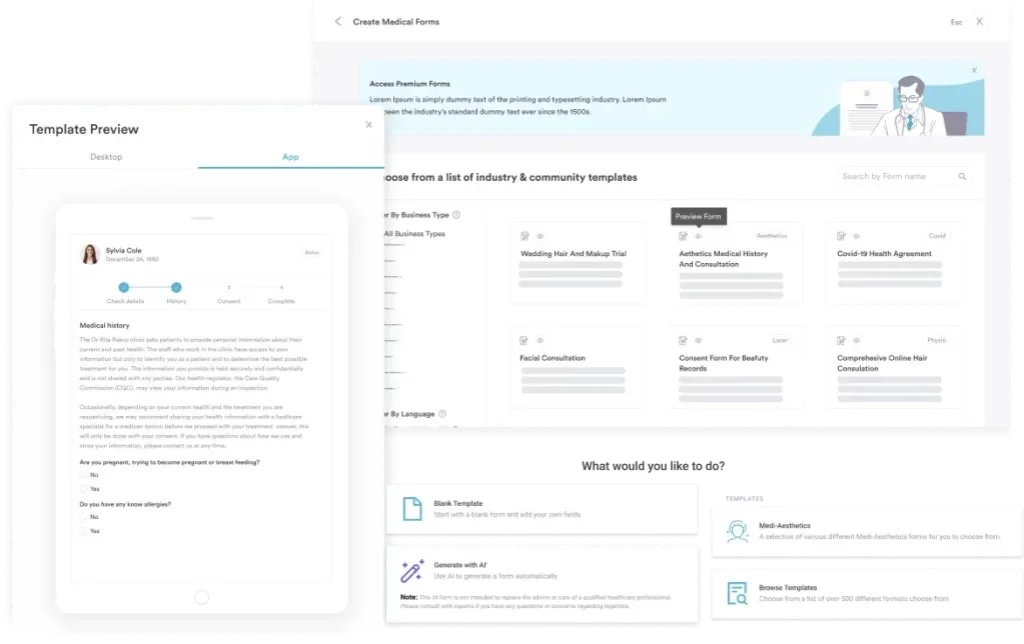
Practices with strong patient record management workflows make this audit-ready from the first follow-up visit. A payer reviewer should be able to verify every element of the code without requesting extra records. Standardized clinical documentation practices across the orthopedic team are what keep that consistent.
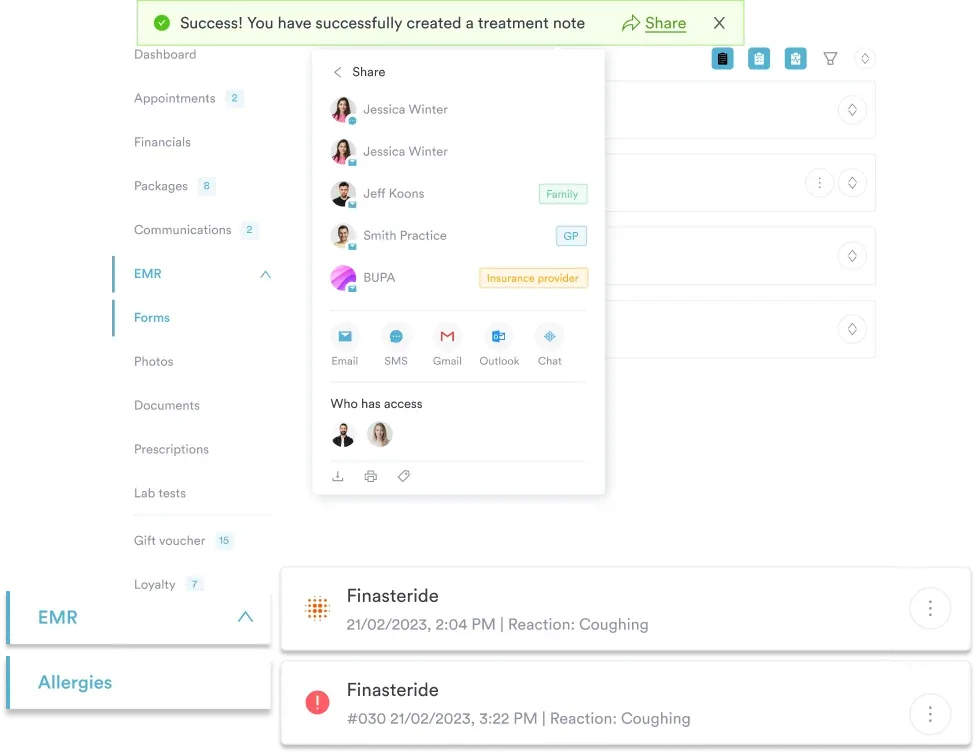
Payers run targeted audits on nonunion codes, because they carry higher clinical acuity and higher treatment costs. A routine medical chart audit inside the practice catches thin documentation before an external reviewer does.
Coracoid fracture nonunion codes generate a predictable set of errors. Each one below maps to a specific denial pattern on shoulder fracture submissions.
Practices that route shoulder fracture follow-ups through an automated documentation workflow catch most of these before the claim goes out. Building the 7th character check into the visit note template beats a coder review after the fact.
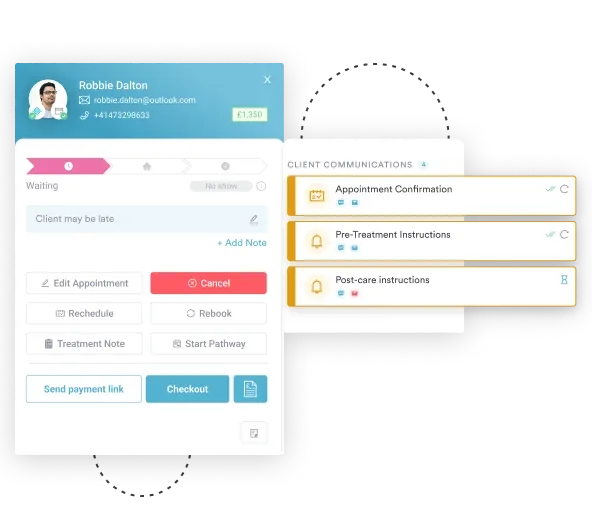
The official ICD-10-CM fracture coding guidelines, maintained by CMS and NCHS, govern how S42.131K is applied. They cover every fracture code, not only coracoid process fractures. Learning them prevents systematic errors across a whole practice’s fracture billing.
The guidelines split encounter types into two groups. Initial encounter (A) means the patient is receiving active treatment, whoever provides it. A patient transferred between providers for active treatment still uses A.
Subsequent encounter (D, G, K, P, S) means active treatment has already happened and the patient is in follow-up care. That covers cast changes, removal of fixation devices, medication adjustment, and recuperation.
Most practices catch 7th character errors after the fact. A coder reads the note, sees that K was assigned with no confirmed nonunion, and sends it back to the provider. That round trip adds days to a claim that was clinically correct all along.
Practice management software like Pabau moves the check into the visit itself. A fracture follow-up template can require the imaging finding, the laterality, and the encounter type before the note is filed. Every subscription includes those clinical forms and the billing tools that read from them, so nothing here sits behind a higher tier.
The outcome is a shorter path from visit to payment. Everything that supports S42.131K is captured while the patient is still in the room, so fewer claims come back for rework.
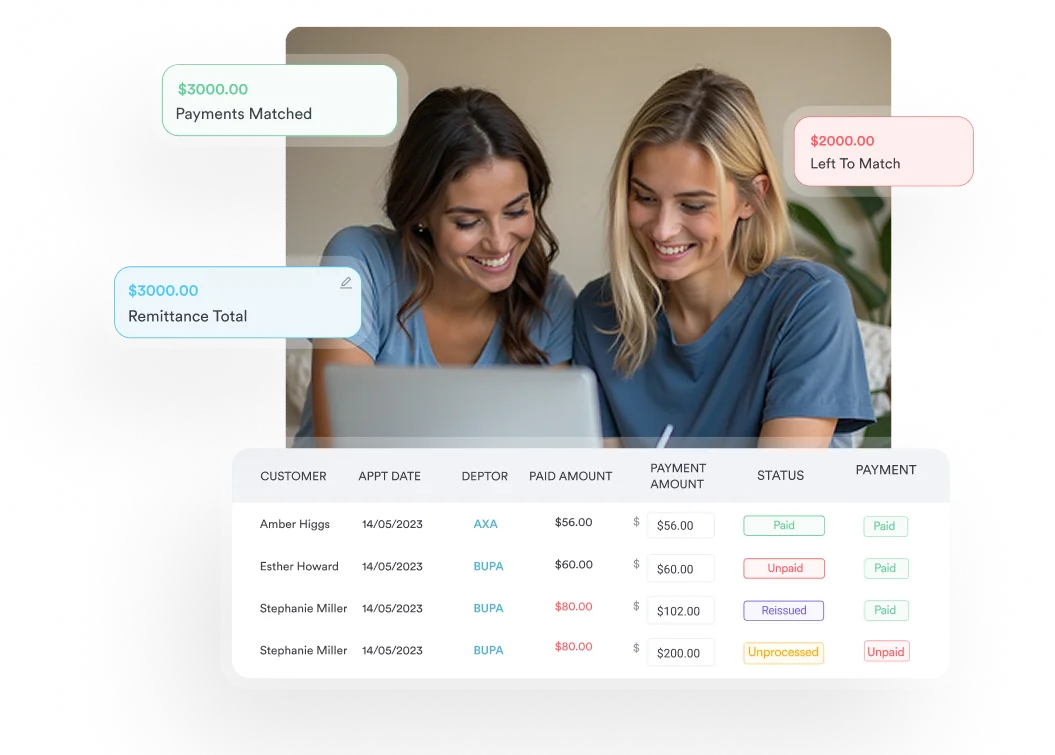

Pabau’s documentation workflows catch 7th character errors and laterality mismatches before a claim is submitted. See how orthopedic and sports medicine practices use Pabau to keep fracture coding clean.

Nonunion coding rewards precision. S42.131K holds up only when the record confirms nonunion, names the right shoulder, and shows the encounter as a follow-up. Miss one of those three and a legitimate visit turns into a denial or an audit finding.
Put the check in the template rather than in the review. A follow-up note that asks for the imaging finding by name costs the provider seconds and saves the practice a resubmission. Book a demo to see how Pabau supports fracture coding accuracy across a multi-provider practice.

Coding the procedure alongside the diagnosis? CPT code 21175 walks through reimbursement, modifiers, and the ICD-10 pairings that support the claim.
Coding a hematoma drainage procedure? Hematoma and seroma drainage billing guide covers the 2026 rates, modifiers, and the 10-day global period for this code.
Billing debridement of infected skin? Debridement of eczematous or infected skin covers the code for the initial 10 percent of body surface area treated.
Coding debridement past the first 10 percent? Debridement add-on billing guide explains why this add-on code carries a high denial risk with Medicare.
Billing debridement for necrotizing fasciitis? Necrotizing fasciitis debridement billing guide explains why Medicare classifies this Fournier gangrene code as inpatient-only.
ICD-10 Code S42.131K is a billable ICD-10-CM code for a displaced fracture of the coracoid process of the right shoulder. It applies at a subsequent encounter where nonunion has been confirmed. The K character designates failure of bone union, which separates this code from routine follow-up codes in the same family.
Yes. S42.131K is a fully billable, specific ICD-10-CM code valid for fiscal year 2026. Its parent code, S42.131, is not billable and cannot be submitted without a 7th character appended.
The K character designates a subsequent encounter for fracture with nonunion. It applies when a patient returns for follow-up and the evidence confirms the fracture has failed to unite. That evidence is clinical or radiological. K is not used for delayed healing, which takes G, or for routine follow-up, which takes D.
Assign the fracture code with the 7th character K appended. For a displaced coracoid process fracture of the right shoulder with confirmed nonunion, that code is S42.131K. The record must document confirmed nonunion, correct laterality, displacement status, and the encounter as subsequent rather than initial.
The main laterality siblings are S42.132K for the left shoulder and S42.139K for an unspecified shoulder. Under the same parent code, the encounter-type siblings are S42.131A, S42.131B, S42.131D, S42.131G, S42.131P, and S42.131S. B covers an initial encounter for an open fracture.
Shoulder fracture codes sit mainly in the S42 category, which covers the shoulder and upper arm. S42.1x covers scapula fractures, including the coracoid process. S42.2x covers the upper end of the humerus, and S42.3x covers the humeral shaft. Each one needs a 7th character to reach billable specificity.