

ICD-10 code S61.201A: Open wound of left index finger without nail damage
ICD-10 code S61.201A covers a left index finger wound of unstated type ICD-10 co...

Last Updated: Oct 16, 2026
Billable Code Specific Code
E29.9 is the billable ICD-10-CM code for testicular dysfunction, unspecified.
ICD-10 code E29.9 (Testicular dysfunction, unspecified) applies when a male patient has confirmed testicular dysfunction but the origin — primary, pituitary, or hypothalamic — cannot be determined from available clinical data.
Let Pabau's smart automation suggest the right codes, reduce claim denials, and keep your practice compliant—effortlessly.
Automate repetitive tasks and focus on what matters most—your patients.
Reduce coding errors and ensure compliance with the latest regulations.
Clean claims, fewer denials, and faster reimbursements.
Powerful insights and reporting to help your practice thrive.
HIPAA compliant SOC 2 certified GDPR-compliant Trusted by 4,000+ clinics worldwide

E29.9 (Testicular dysfunction, unspecified) is a billable ICD-10-CM code valid for FY 2026, restricted to male patients only.
Use E29.9 only when clinical workup cannot identify whether the cause is primary testicular failure, pituitary dysfunction, or hypothalamic disorder.
Always pursue a more specific code first: E29.1 for testicular hypofunction, E29.0 for hyperfunction, E89.5 for postprocedural cases.
Pabau’s claims management software helps men’s health and endocrine practices link diagnosis codes to encounter records and reduce claim denials.
ICD-10 code E29.9 represents testicular dysfunction, unspecified. It sits within the E29 category (Testicular dysfunction) under chapter E20-E35 (Disorders of other endocrine glands), which itself falls under the broader E00-E89 block covering endocrine, nutritional, and metabolic diseases.
E29 functions as the general testicular disorder ICD-10 category, but the parent code itself is not billable. Coders must select one of the four child codes: E29.0, E29.1. E29.9 is the catch-all when available clinical information does not allow further categorization, but the condition is clearly present.
| Code | Description | Billable | Notes |
|---|---|---|---|
| E29 | Testicular dysfunction | No | Parent/header code only |
| E29.0 | Testicular hyperfunction | Yes | Excess androgen secretion |
| E29.1 | Testicular hypofunction | Yes | Reduced androgen output, primary cause identified |
| E29.8 | Other testicular dysfunction | Yes | Specific dysfunction not classifiable elsewhere |
| E29.9 | Testicular dysfunction, unspecified | Yes | Use when cause cannot be determined from workup |
Applicable-to terms for E29.9 include disorder of testicular differentiation and anemia of gonadal dysfunction. These synonyms appear in the ICD-10-CM index and may surface when searching by clinical description rather than code number.
E29.9 has been valid and billable every fiscal year from 2016 through 2026, per CDC/NCHS ICD-10-CM. It carries a male diagnosis code flag, meaning it applies only to male patients.
E29.9 is appropriate when the provider documents testicular dysfunction but cannot specify whether the origin is primary (testicular), secondary (pituitary), or tertiary (hypothalamic). The diagnostic workup has taken place, or is not yet complete, and the record does not support a more specific code.
Testicular hypogonadism ICD-10 coding calls for E29.9 in these common clinical scenarios:
Practices providing hormone-related care. The goal is to refine it to E29.1 or another specific code once diagnostic clarity is achieved. When infertility is the presenting concern alongside suspected hypogonadism, an infertility consultation notes template can standardize intake for that concurrent workup.
Avoid using E29.9 when the provider has already identified the etiology. If testosterone deficiency is caused by documented testicular failure, E29.1 applies. If a pituitary lesion has been confirmed as the driver, E23.0 (Hypopituitarism) is the correct code.
E29.9 also does not apply to acute surgical presentations. Testicular torsion follows an emergency surgical pathway rather than an endocrine workup; see CPT code 54600 for reduction of torsion of testis billing guidance when that presentation applies instead.
The most common coding decision around E29.9 is whether to use it or E29.1 (Testicular hypofunction). Both apply to male patients with low androgen output, but they are not interchangeable.
E29.1 covers defective biosynthesis of testicular androgen, 5-alpha-reductase deficiency (with male pseudohermaphroditism), and testicular hypogonadism not otherwise specified. Use E29.1 when the clinical record points to primary testicular failure as the source. If the provider documents “male hypogonadism” with a testicular origin confirmed or strongly implied, E29.1 is the appropriate code.
When testosterone deficiency arises as a direct consequence of a surgical or medical procedure (such as orchidectomy or radiation), E89.5 takes precedence over E29.9. Sequencing matters here: the postprocedural code should generally be sequenced ahead of any residual endocrine code. Coders at functional medicine practices where patients may have complex treatment histories should flag this distinction early in documentation review.
Secondary hypogonadism driven by confirmed pituitary dysfunction should be coded to E23.0, not E29.9. The distinction matters for prior authorization on testosterone therapy: payers often require documentation of the level (primary vs. secondary) when processing testosterone replacement claims.
The table below summarizes when each adjacent code applies:
Review the provider note before assigning E29.9. If the note mentions any confirmed etiology (primary gonadal failure, pituitary adenoma, prior orchidectomy), a more specific code is available. Flag E29.9 assignments for physician query when the underlying cause could realistically be identified with one additional lab or imaging study.
Practices focused on metabolic conditions chart these codes inside a metabolic health EMR built for long-term tracking.
Medical necessity reviews for testosterone therapy frequently examine whether the diagnosis code reflects genuine diagnostic uncertainty or simply imprecise coding. Strong documentation protects the claim.
The clinical record supporting E29.9 should include:
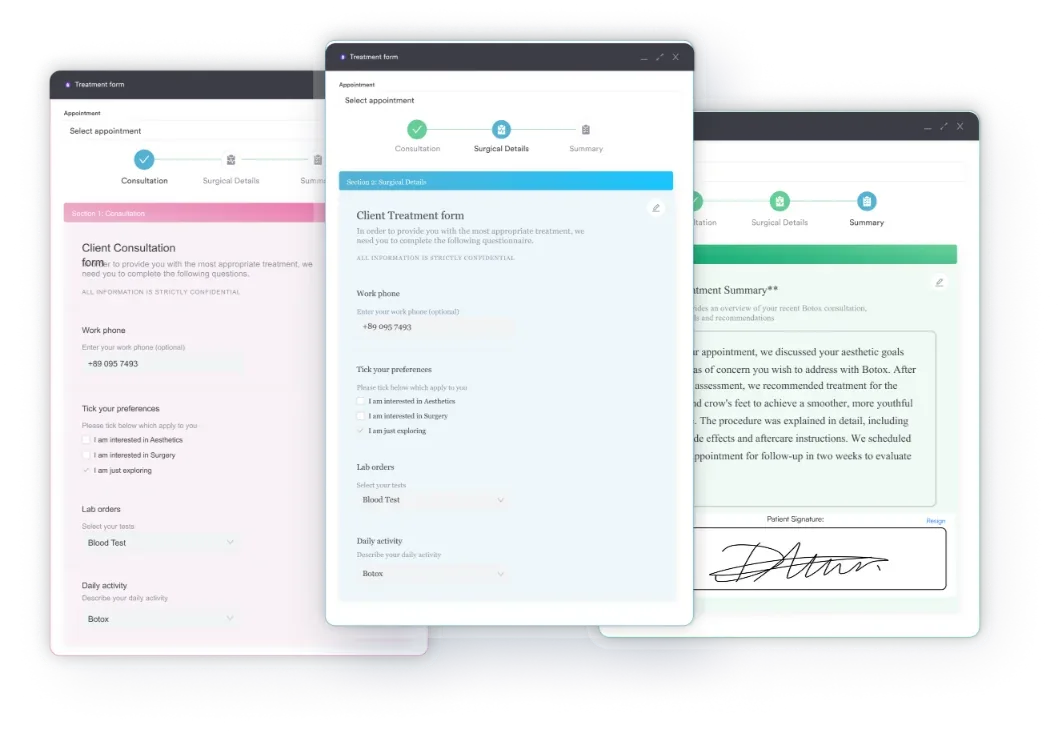
Practices using digital intake forms can build structured hormone assessment templates that capture LH, FSH, and testosterone values at intake, reducing the likelihood of missing documentation that leads to unspecified code assignments. Linking these forms to the patient records system ensures the full lab context is visible at the point of coding.
Ready-made tracking tools.
According to CMS ICD-10-CM guidelines, coders should always code to the highest degree of specificity supported by documentation. Using an unspecified code when documentation supports a more specific one is a coding error, not a conservative choice.
What drives that specificity differs by chapter. Assigning ICD-10 code T31.42 rests on a documented burn percentage, while E29.9 rests on how far the endocrine workup has progressed.

Pabau connects diagnosis codes to encounter records, flags missing documentation before claims go out, and helps men’s health and endocrine practices manage prior authorization workflows efficiently.

E29.9 is regularly paired with evaluation and management (E/M) codes for outpatient visits where the presenting problem is testicular dysfunction or suspected hypogonadism. The specific CPT code depends on the complexity of medical decision-making and the time documented.
CPT codes commonly submitted alongside ICD-10 code E29.9:
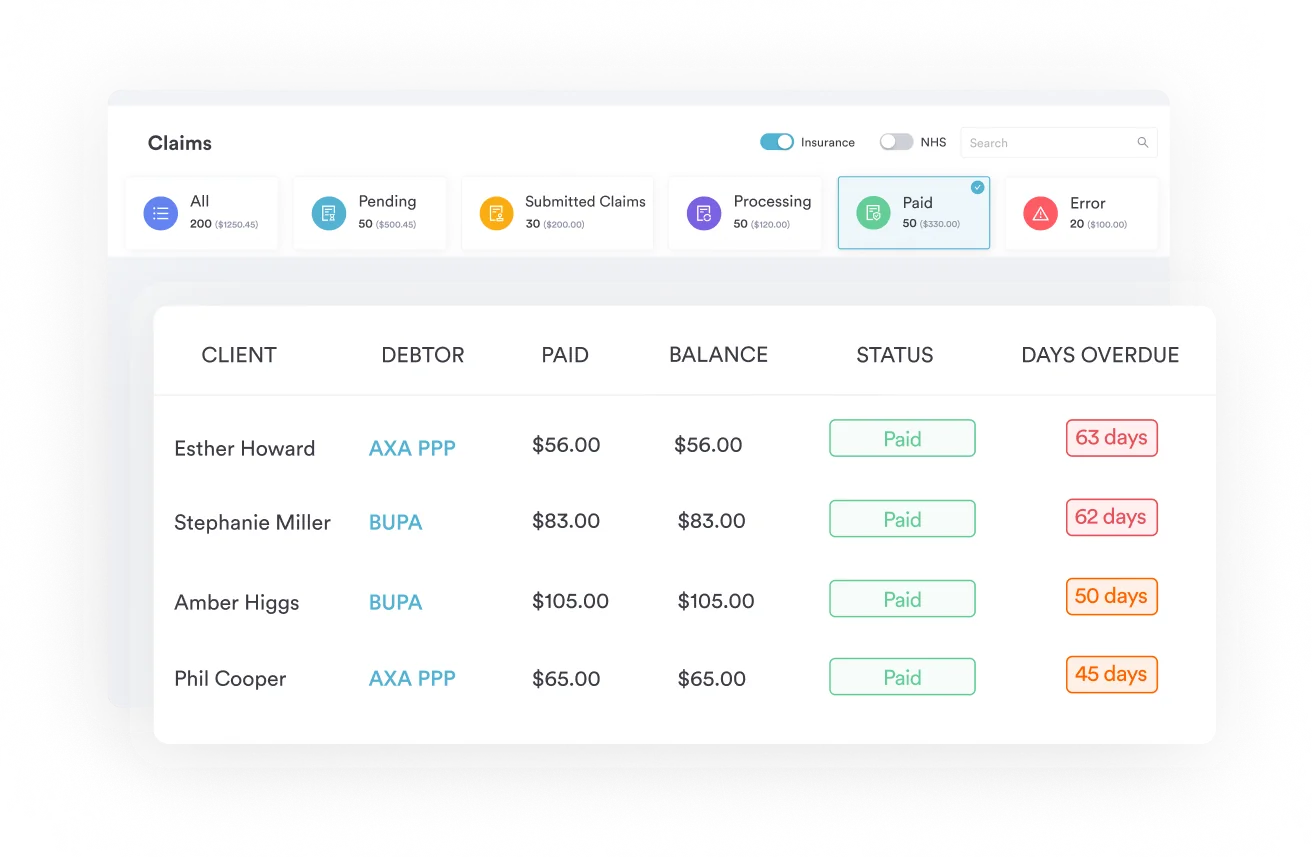
Practices using claims management software should configure medical necessity edits that flag E29.9 claims when testosterone lab codes (84402, 84403) are absent from the encounter. For reference on IV-administered therapies sometimes used in endocrine care. Missing supporting labs are a leading cause of initial denials for hypogonadism-related claims.
Local Coverage Determinations (LCDs) and National Coverage Determinations (NCDs) govern Medicare payment for testosterone therapy. Some MACs require a specific diagnosis (E29.1 rather than E29.9) to approve treatment. Verify the applicable LCD before submitting claims for testosterone replacement under E29.9 alone. The AAPC Codify ICD-10-CM lookup lists active LCD and NCD policy links by code.
For sexual health practices, the intersection of endocrine coding and sexual dysfunction codes (F52.xx) sometimes arises. Practices providing integrated care, such as those using sexual health practice software, should ensure that sexual dysfunction secondary to hypogonadism is coded as an additional diagnosis, not as the principal one, when E29.9 or E29.1 is the primary driver.
Coding conventions from trusted international classification resources confirm the hierarchical relationship between endocrine and functional sexual diagnoses.
Check the applicable MAC’s LCD for testosterone therapy before submitting claims under E29.9. Several MACs require a confirmed diagnosis (E29.1) to approve testosterone replacement coverage. If E29.9 is used in an initial claim, document explicitly that further workup is ongoing and include the pending lab orders as supporting evidence.
Before ICD-10-CM, testicular dysfunction — including unspecified male hypogonadism — fell under a single ICD-9-CM code, 257.9 (Testicular hypofunction, unspecified). The transition to ICD-10-CM in October 2015 introduced the E29 category with greater specificity across four child codes. Practices managing hormone therapy billing may also encounter HCPCS Code J9217 for leuprolide acetate, which is sometimes used in conjunction with endocrine diagnoses. A clean claim carries the code, the modifiers and the diagnosis in agreement, and needs no rework before payment. Keeping a code lookup current matters more than keeping it comprehensive.
Practices with broader endocrine caseloads may also manage device-related complications in patients with co-occurring diabetes.
E29.9 maps to ICD-9 code 257.9 in most crosswalk tools. However, the mapping is approximate: ICD-9 257.9 covered a broader range of unspecified male gonadal dysfunction that is now more precisely partitioned in ICD-10.
Coders reviewing historical claims should not assume a one-to-one clinical equivalence between the two code sets.
E29.9 has carried the same description (“Testicular dysfunction, unspecified”) and billable status without interruption since the 2016 fiscal year. No revision to the code description or applicable-to terms has been recorded through the 2026 update cycle.
Documentation quality at the point of care determines whether E29.9 is correct or a placeholder waiting to be replaced. The following workflow practices reduce over-reliance on unspecified codes in endocrine care.
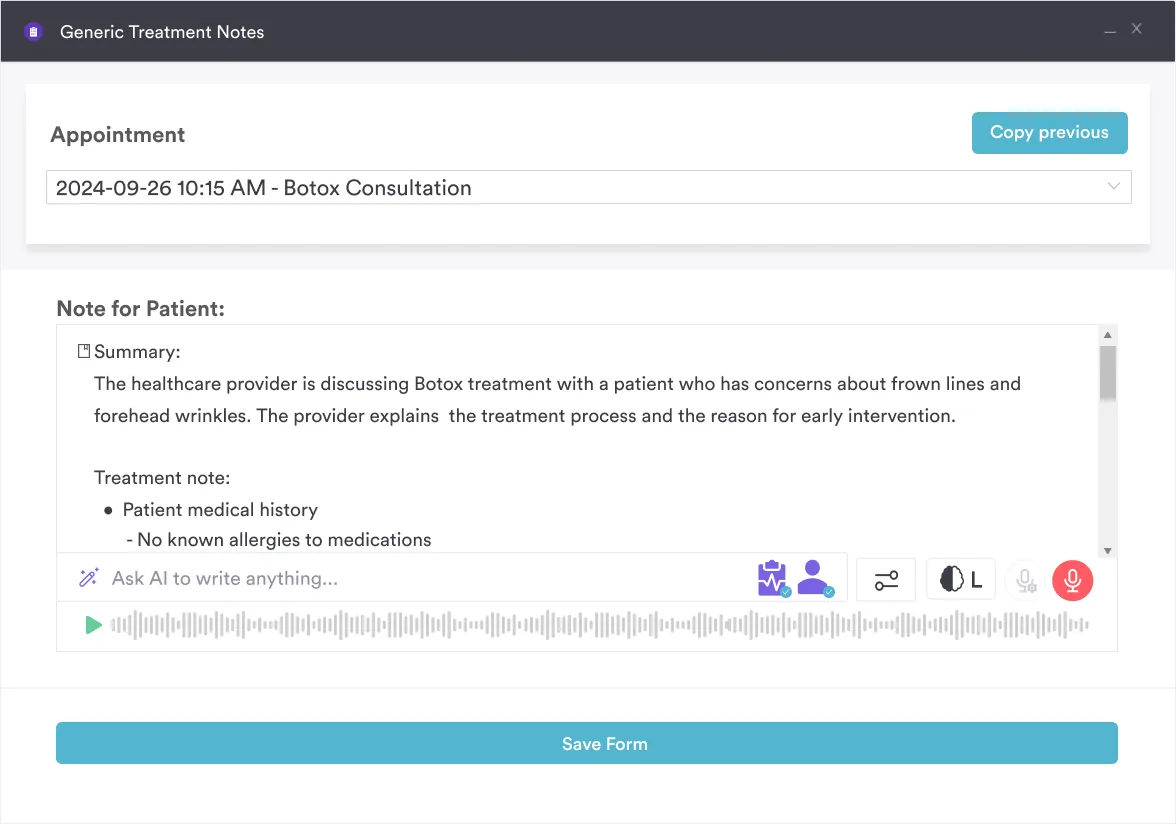
Practices using AI-assisted clinical documentation can use structured note templates to prompt providers for the specific fields (LH, FSH, imaging results, prior treatment) that enable more precise coding at the encounter level.
For practices that also manage complex care plans. This is particularly useful in high-volume endocrine and men’s health practices where documentation shortcuts create persistent coding inaccuracies.
Men’s health practices coding for related urologic procedures may also reference CPT code 55700 for prostate biopsy billing changes.
The CDC ICD-10-CM tool also provides applicable-to notes, inclusion terms, and crosswalk tools useful for validating E29.9 versus adjacent codes during the coding workflow.
ICD-10 code E29.9 is a legitimate but transitional diagnosis code. Its correct use depends on genuine clinical uncertainty. When providers document the workup steps, the pending results, and the reasoning behind leaving the cause unspecified, the code stands.
Without that context, it becomes a liability in the claims process. For broader strategies on reducing denials and protecting reimbursement.
Pabau’s claims management software helps endocrine and men’s health practices build the documentation workflows that support defensible code selection from the first encounter. For self-administered injection supply billing relevant to testosterone therapy patients. To see how Pabau handles diagnosis-linked billing and prior authorization workflows, book a demo.

Managing male hormone practice workflows? Men’s health practice software covers appointment, documentation, and billing workflows specific to testosterone and endocrine care.
Need the code for other testicular dysfunction? ICD-10 code E29.8 covers testicular dysfunction with a specific cause that does not fit E29.0 or E29.1.
Need structured intake forms for hormone patients? Patient intake software lets practices build hormone assessment templates that capture lab values and clinical context at intake.
Testicular dysfunction unspecified is an endocrine condition in which a male patient has documented dysfunction of testicular origin but the specific cause (primary failure, pituitary dysfunction, or hypothalamic disorder) cannot be identified from available clinical data. It is classified under ICD-10 code E29.9 and applies only to male patients.
Use E29.9 when the etiology of testicular dysfunction has not been established after workup. Use E29.1 when the clinical record confirms primary testicular hypofunction, such as defective androgen biosynthesis or testicular hypogonadism with a documented testicular origin. If LH and FSH results are pending, E29.9 may be appropriate as a temporary code until results return.
Yes. E29.9 is a billable, specific ICD-10-CM diagnosis code valid for fiscal year 2026, confirmed by the CDC/NCHS tabular list. The parent code E29 is not billable. Only the child codes E29.0, E29.1, E29.8, and E29.9 can be submitted on a claim.
The primary ICD-10 codes for male hypogonadism are E29.1 (testicular hypofunction, primary), E29.9 (testicular dysfunction, unspecified), E23.0 (hypopituitarism, for secondary hypogonadism driven by pituitary failure), and E89.5 (postprocedural testicular hypofunction following surgery or radiation). Code selection depends on the confirmed or suspected origin of the hormonal deficiency.
E29.1 (Testicular hypofunction) specifies that the dysfunction originates in the testes themselves, covering conditions like defective androgen biosynthesis and male hypogonadism NOS with a testicular source. E29.9 is used when the level of dysfunction (testicular, pituitary, or hypothalamic) cannot be determined. E29.1 is generally preferred by payers for testosterone replacement therapy authorization because it provides a specific clinical basis for treatment.



