



HCPCS code E0198: Water pressure pad billing guide
HCPCS code E0198 is a water pad for a standard mattress HCPCS code E0198 is the ...

Last Updated: Oct 13, 2026

CPT code 99490 covers non-complex, non-face-to-face chronic care management (CCM) for Medicare patients with two or more chronic conditions.
Clinical staff must document at least 20 minutes of care coordination per calendar month; only clinical staff time counts, not physician time.
CPT 99490 cannot be billed for patients residing in a Medicare-reimbursed facility, and only one provider may bill it per patient per month.
Pabau’s claims management software helps practices track CCM time, structure documentation, and reduce billing errors across monthly care cycles.
Claims for CPT code 99490 get denied more often than almost any other care management code, and the reason is usually the same: practices document the right activities but miscount the time, misidentify who performed the work, or bill for patients who don’t qualify. This guide covers the code definition, eligibility rules, documentation requirements, and how to combine it correctly with add-on codes.
CPT code 99490 is the base non-complex chronic care management code. Introduced by Medicare on January 1, 2015, it covers at least 20 minutes of clinical staff time directed by a physician or other qualified healthcare professional (QHP) per calendar month. The service is non-face-to-face, meaning care coordination happens outside of office visits, through phone calls, care plan updates, medication reconciliation, and inter-provider communication. The American Medical Association (AMA) maintains CPT code 99490 as part of the Chronic Care Management Services code range. Claim accuracy is cheaper to build at entry than to repair in an appeal.
Under the Medicare Physician Fee Schedule (PFS), CMS assigns CPT code 99490 as a “general supervision” code. The billing practitioner does not personally perform the service, but the work occurs under their overall direction and control. This distinction matters for workflow design: your medical assistants, nurses, or care coordinators can do the time-qualifying work, provided a physician or QHP oversees the program.
Not every chronically ill patient qualifies. Meeting all four of these criteria is required before billing CPT code 99490 for a given month.
Practices managing patients with complex chronic conditions through functional medicine or integrative medicine workflows often find CCM a natural fit, since many of their patients already meet the two-condition threshold.
The 20-minute threshold is cumulative across the calendar month, not per encounter. A five-minute phone call on one day and a fifteen-minute medication review three weeks later both count, as long as both are performed and documented by clinical staff.
Documentation must capture the date of each activity, who performed it, the duration, and a brief description of the service. The comprehensive care plan must be in place, accessible electronically, and shared with the patient and all treating providers.
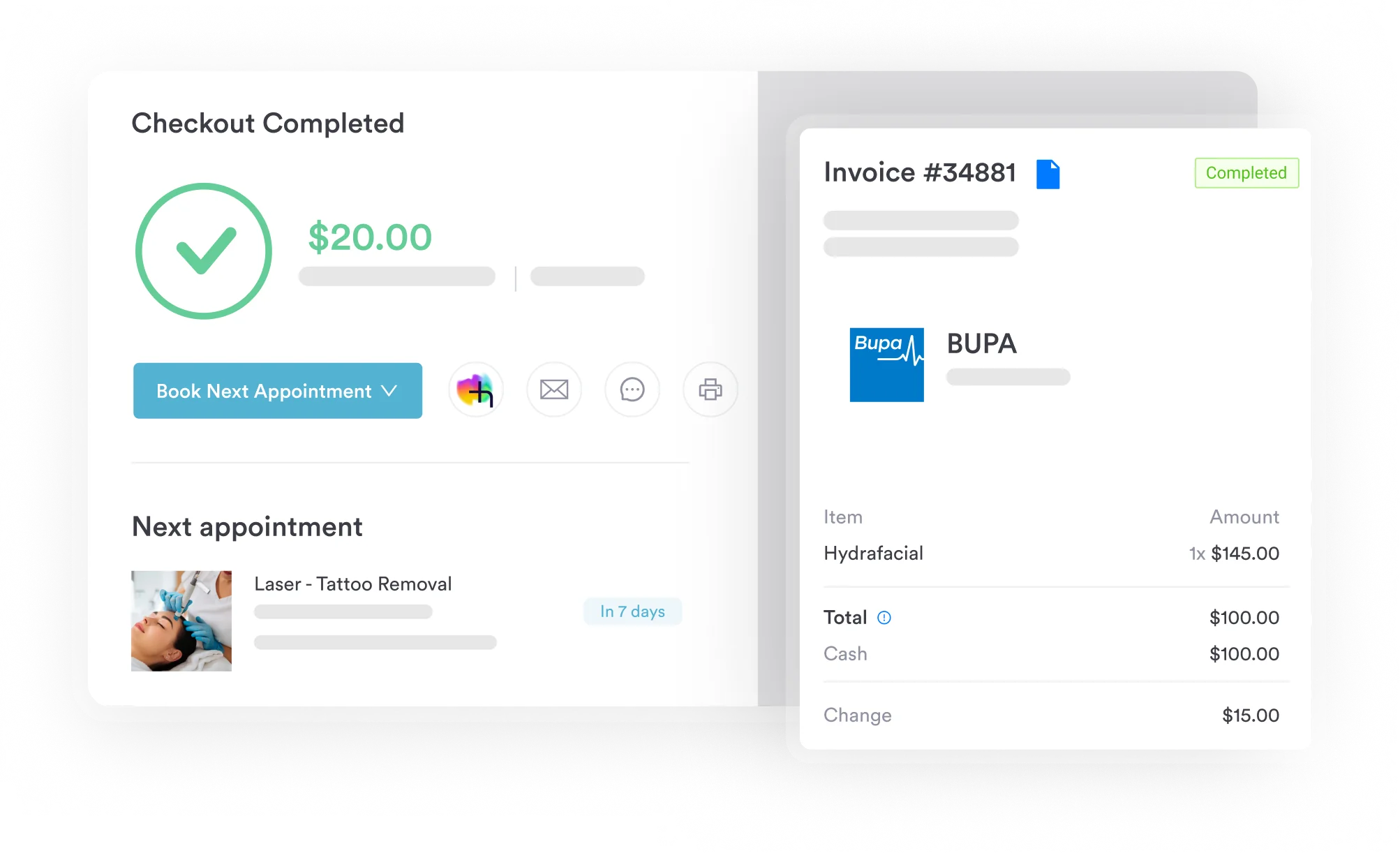
Flag CCM-eligible patients with a specific status in your patient record system at enrollment. Monthly reviews then become a filter query rather than a chart-by-chart search, cutting pre-billing audit time by half for most practices.
Reimbursement for CPT code 99490 varies by state, practice setting, and geographic adjustment factor. CMS updates the Physician Fee Schedule annually, so the figures below reflect 2026 benchmarks. Use the CMS Physician Fee Schedule lookup to pull the precise rate for your locality.
Rates above are approximate non-facility rates based on the 2026 PFS. Facility rates (for hospital-based providers) are lower. Verify current figures with the FastRVU 2026 RVU lookup tool for your practice’s geographic area before submitting claims.
The CCM code family trips up even experienced billers because the codes share similar descriptions but have distinct time thresholds, performer requirements, and billing restrictions. Here is how they interact.
CPT 99439 is the add-on code for non-complex CCM. Bill 99490 once for the first 20 minutes, then 99439 for each additional 20 minutes in that same month. A patient with 40 minutes of documented CCM time gets one unit of 99490 plus one unit of 99439. A patient with 60 minutes gets 99490 plus two units of 99439. You cannot bill a third unit of 99439 if that would push total time above 60 minutes under the non-complex pathway. At that point, evaluate whether complex CCM under 99487 is more appropriate.
CPT 99487 covers complex CCM requiring a substantial revision or new comprehensive care plan and at least 60 minutes of clinical staff time. It cannot be billed in the same month as 99490. Choose based on which threshold the documented time meets and whether care plan complexity triggers the “complex” designation. The two codes are mutually exclusive within a single calendar month for a single patient.
CPT 99491 also covers non-complex CCM but requires the physician or QHP to personally spend at least 30 minutes on care management, rather than directing clinical staff. It pays slightly more than 99490 to reflect the physician time involved. These two codes are also mutually exclusive within a month.
HCPCS G0506 is a one-time add-on for the initial comprehensive assessment and care plan creation when enrolling a patient in CCM. It can be billed alongside CPT 99490 in the first month, but the time counted toward G0506 cannot also count toward the 20-minute threshold for 99490. Practices that combine these codes in the enrollment month must keep time logs that clearly separate G0506 planning time from 99490 coordination time.

Pabau’s claims management tools help your team track care coordination time, structure monthly documentation, and submit cleaner CCM claims without chasing paper records.

CMS permits several provider types to bill CPT code 99490 as the billing practitioner, provided they meet the supervision and scope-of-practice requirements for their state and credential type.
The billing practitioner does not have to personally perform the 20 minutes of service. Clinical staff, including medical assistants, LPNs, RNs, and care coordinators, can perform and document the qualifying time under the billing practitioner’s general supervision. Practices running primary care or GP clinic programs typically assign a dedicated care coordinator who handles the bulk of monthly CCM contacts.
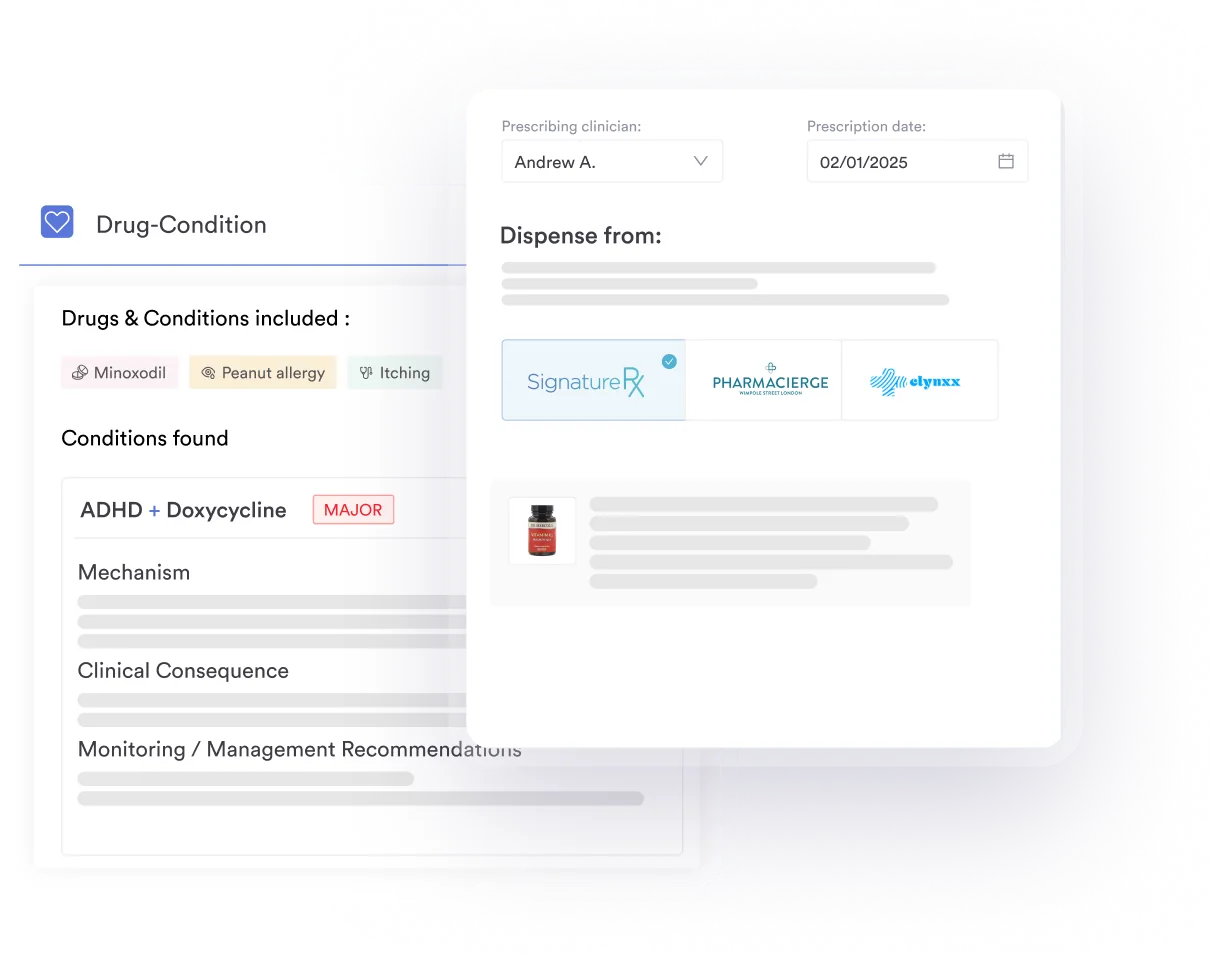
A direct primary care EHR or direct primary care practice management system that supports care team role assignments makes supervision documentation more straightforward, since the system records which staff member performed each activity and under whose direction.
Check state-level Medicaid CCM policies before billing 99490 on Medicaid plans. Coverage and requirements vary significantly by state, and Medicaid does not follow the same rules as Medicare for this code.
Audit risk for CCM codes is meaningful. The Office of Inspector General (OIG) has flagged CCM billing for increased oversight, and payers scrutinize monthly claims carefully.
Only clinical staff time counts for CPT 99490. If a physician reviews the care plan and makes a call to a specialist, that time does not count unless the billing pathway is CPT 99491 (which explicitly requires physician/QHP time). Mixing these up is one of the most common triggers for post-payment audits.
According to CMS guidance, CPT code 99490 cannot be billed for patients residing in a skilled nursing facility or other Medicare-reimbursed facility, because that facility payment already covers care coordination. Before enrolling a patient in your CCM program, verify their living and care situation.
CMS requires a comprehensive care plan that is electronically available and shared with the patient and all treating providers. A phone call log alone, without a structured care plan on file, is insufficient. Auditors look for both the plan and evidence it was shared.
Time counted toward CPT 99490 cannot also count toward HCPCS G0506, RPM codes, or Behavioral Health Integration (BHI) codes billed in the same month. Practices running multiple care management programs must keep separate time logs for each.
Care coordination calls raise the same question for telephone evaluation and management codes such as 99443. Minutes logged toward the 99490 threshold cannot also be claimed under a telephone E/M code.
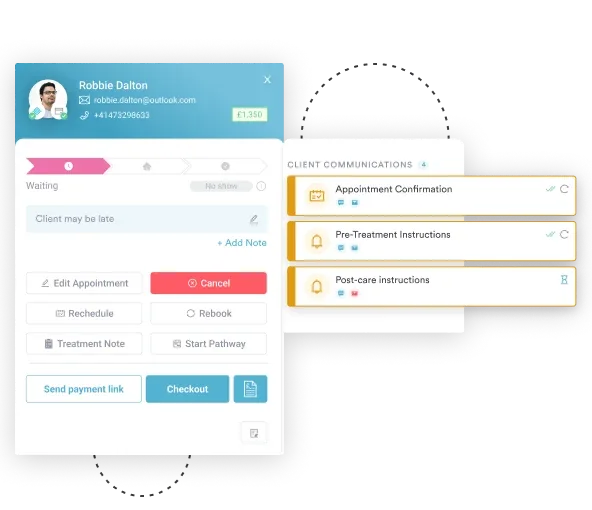
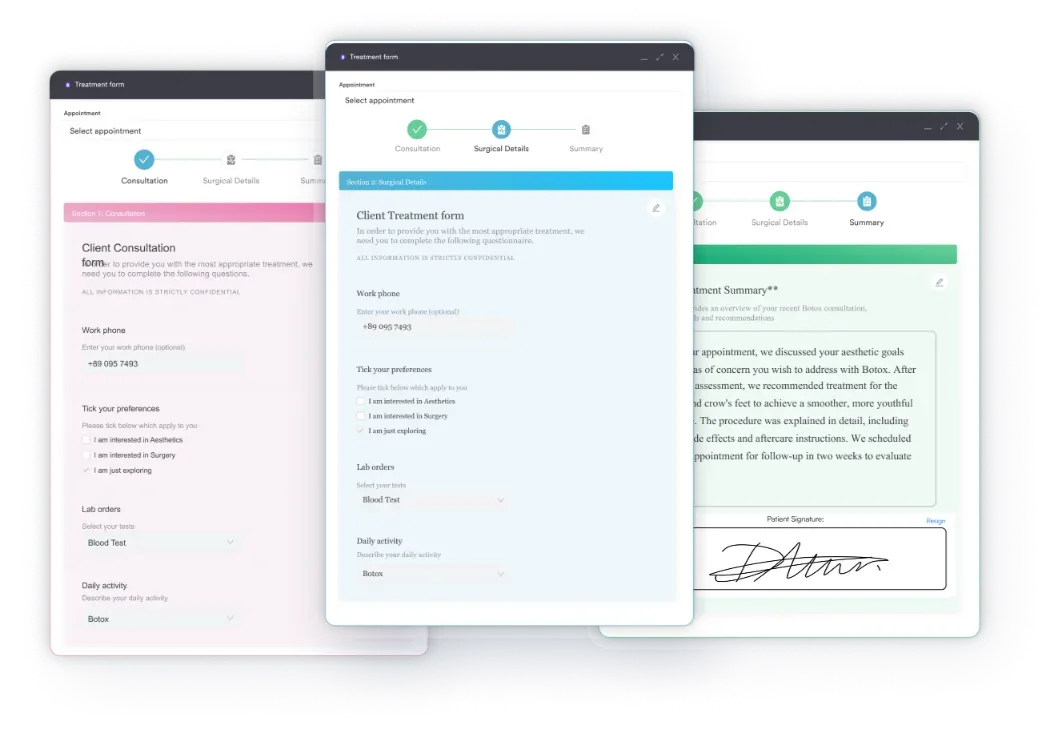
Patient consent must be obtained and documented before the first CCM billing month. Many practices obtain consent during the annual wellness visit, which is a logical natural enrollment point. The record should note the date consent was given, what was explained to the patient, and who obtained it. Use digital consent forms to create an auditable, timestamped consent trail for every CCM-enrolled patient.
CPT code 99490 is billed on a CMS-1500 claim form using Place of Service (POS) code 11 (Office) for non-facility billing or the appropriate POS for the billing practitioner’s location. The service itself is non-face-to-face, so the POS reflects where the billing practitioner is based, not where a physical encounter occurred.
Concurrent billing rules to keep in mind:
For practices managing patients across multiple locations, the billing responsibility for a given CCM patient must be clearly assigned to one location and one supervising provider to avoid duplicate billing across your own system.
The AAPC Codify CPT lookup includes Medicare billing restrictions and modifier requirements for CPT 99490 and its related codes. Review it when setting up new CCM workflows to confirm you are applying the correct POS, modifier, and concurrent billing rules for your payer mix.
CPT code 99490 is one of the few Medicare billing codes that rewards practices financially for the care coordination work their teams already do, provided the documentation and time tracking are in order. The most common failure points are not eligibility errors but process errors: physician time counted instead of clinical staff time, missing care plan documentation, and absent consent records.
Pabau’s claims management software gives your team the tools to track CCM activities with timestamps, structure care plan documentation, and flag billing conflicts before claims go out the door. To see how practices are using Pabau to run cleaner CCM programs, book a demo with our team.

Why does Medicare deny a total electric bed? Total electric bed denial guide Covers HCPCS code E0296 and the GK line, required modifiers, and when an ABN protects payment.
Billing a hospital-grade pediatric crib? Pediatric crib billing guide Covers HCPCS code E0300 and how Medicare pays the fully enclosed crib as a capped rental.
Billing a bariatric hospital bed claim? Bariatric hospital bed billing Covers HCPCS code E0302 and how to document the order while avoiding a mix-up with code E0301.
CPT code 99490 is a Medicare billing code for non-complex chronic care management, covering at least 20 minutes of clinical staff time per calendar month for patients with two or more chronic conditions.
At least 20 cumulative minutes of clinical staff time per calendar month. Only clinical staff time counts — physician or QHP time does not qualify for this code.
Yes. Bill 99490 for the first 20 minutes, then one unit of 99439 for each additional 20 minutes in the same month. Both codes may appear on the same monthly claim.
CPT 99490 requires 20 minutes of clinical staff time directed by a physician or QHP. CPT 99491 requires 30 minutes of physician or QHP time personally. They are mutually exclusive in the same billing month.
Any two or more significant chronic conditions expected to last at least 12 months or until death, placing the patient at risk of acute exacerbation or functional decline. Common examples include diabetes, heart failure, COPD, hypertension, and chronic kidney disease.
A comprehensive electronic care plan shared with the patient and all treating providers, a time log for each care coordination activity, documented patient consent before the first billing month, and evidence of the supervising physician or QHP’s oversight.
Once per patient per calendar month, and only one physician or QHP may report it for that patient in a given month. If clinical staff log more than 40 minutes, add 99439 for each further 20-minute increment rather than billing the base code again.
It is reported on the CMS-1500 claim with POS 11 (Office) for non-facility billing, or the code matching where the billing practitioner is based. Because the service is non-face-to-face, the place of service reflects the practitioner’s location, not a patient encounter site.
No. It covers non-face-to-face care coordination such as calls, medication reconciliation, and care plan updates performed across the month. Face-to-face visit time is billed separately under E/M codes and does not count toward the 20-minute threshold.



