CPT code 93503: Swan-Ganz catheter billing and modifiers
CPT code 93503: Official descriptor and procedure overview In the AMA CPT code s...

Last Updated: Oct 23, 2026

CCSD code 0430B is a diagnostic pathology code for the RI immunoglobulin G (IgG) antibody test, in the Immunology specialty, Chapter 34, of the CCSD Schedule of Diagnostic Tests.
Diagnostic codes like 0430B are billed and recognized separately from CCSD procedural codes, so check that your claim uses the diagnostic schedule, not the procedure code table.
Reimbursement for CCSD code 0430B is set individually by each insurer; CCSD itself does not publish fees, so check your insurer’s published fee schedule before invoicing.
Practice management software like Pabau supports CCSD code entry, electronic submission via Healthcode, and audit-ready documentation for UK private immunology and pathology billing.
CCSD code 0430B is the diagnostic pathology code UK private insurers use to bill the RI immunoglobulin G (IgG) antibody test, part of the Immunology specialty, Chapter 34, in the CCSD Schedule of Diagnostic Tests.
Automating the coding and submission workflow — the kind of features that save private practices time — only helps once the underlying code, chapter, and antibody name are entered correctly. This guide covers what CCSD code 0430B represents, which UK private insurers recognize it, how to submit a compliant claim, and what to do when a claim is rejected.
CCSD code 0430B is a diagnostic code within the CCSD Schedule of Diagnostic Tests, the industry-standard coding framework used across UK private healthcare for pathology and laboratory tests. It sits in the Immunology specialty, Chapter 34, and identifies the RI immunoglobulin G (IgG) antibody test.
Every private health insurer operating in the UK, including Bupa, AXA Health, Vitality Health, Aviva, and Allianz Care, uses CCSD codes to identify and reimburse both procedures and diagnostic tests.
The CCSD schedule is maintained by the Clinical Coding and Schedule Development Group, a body that operates independently of the NHS. It publishes two separate schedules: One for procedural codes and a separate one for diagnostic tests, which is where CCSD code 0430B belongs.
Per the CCSD FAQs, diagnostic codes are not loaded into procedure code tables and should not be billed alongside procedural codes without clear clinical justification.
Because the CCSD schedule is login-gated, the full clinical narrative for CCSD code 0430B is accessible only to registered members. If you don’t yet have CCSD access, you can register via ccsd.org.uk. Practices billing across multiple specialties can browse Pabau’s diagnostic codes and procedure codes libraries for the full CCSD schedule, not just code 0430B.
Practices that also track related antibody or allergen panels on paper may find Pabau’s allergy skin test results chart template a useful companion for recording immunology results consistently. When referencing CCSD code 0430B in patient records and invoices, use the full code format exactly: 0430B, not 0430-B or 430B.
No single fee applies to CCSD code 0430B across all insurers. Each insurer sets its own reimbursement rate for the RI immunoglobulin G antibody test independently, so the amount you can expect will vary depending on who the patient is insured with. This is a fundamental principle of CCSD-based billing in the UK private sector.
The major insurers that use CCSD codes and publish their own fee schedules include:
Staying current with each insurer’s published schedule is one of the most overlooked compliance requirements for private practices. Fee schedules are updated annually, and relying on an outdated version is a straightforward route to claim rejection.
Submitting a claim for CCSD code 0430B correctly requires matching the insurer’s specific requirements for authorization references, episode dates, and billing format. The steps below reflect the standard workflow across most major UK insurers, though always check the individual insurer’s provider guide for variations.
Most UK private insurers require pre-authorization before a test can be reimbursed. For CCSD code 0430B, confirm the authorization requirement with the insurer before the test is carried out. Submitting without an authorization number, or with an expired authorization, is among the most common causes of rejection.
Use the insurer’s code search tool (Bupa’s portal, Vitality’s fee finder, or AXA’s specialist forms) to verify that CCSD code 0430B is recognized and active on the current schedule. Some codes are subject to annual review. A code recognized in one fiscal year may be amended or removed in the next.
Include the full CCSD code (0430B), the test date, the consultant’s name and GMC number, the patient’s policy or membership number, and the authorization reference. Narrative descriptions must match the insurer’s schedule entry precisely. Paraphrasing the test narrative is a known rejection trigger.
Healthcode is the UK’s primary electronic billing clearinghouse for private healthcare. Most major insurers accept electronic submissions via Healthcode, which validates the claim format before transmission and returns structured rejection notices when issues are detected. Paper submissions are still accepted by some insurers but increase processing time and error risk.
Healthcode rejection codes identify the specific reason for non-payment. Address each rejection code individually rather than resubmitting the entire claim unchanged. Common reasons include: Authorization reference missing or expired, code not recognized on the insurer’s schedule, or duplicate billing within an episode. Payment for this code arrives with a remittance advice that explains any adjustment line by line.
Check your insurer’s published fee schedule for CCSD code 0430B at the start of each new fiscal year, not only when a rejection occurs. Insurers typically release updated schedules in the final quarter of the preceding year, giving providers time to update their billing systems before the change takes effect.
The table below summarizes key variables to check when billing CCSD code 0430B across the main UK private insurers. Reimbursement rates are not included because they are set individually by each insurer and change annually. Refer to each insurer’s current published schedule for specific figures.

Pabau supports CCSD code entry, Healthcode-compatible electronic submissions, and full audit documentation for UK private practices billing diagnostic and procedural codes alike. See how it fits your workflow.

Understanding why CCSD code 0430B claims get rejected matters more than memorizing a coding guide. Most rejections follow repeatable patterns, so fixing the root cause eliminates them across future submissions, not just the current one.
Practices that track rejection patterns systematically catch these issues far earlier. Good private practice management means treating billing errors as operational data, not one-off admin problems.
When Healthcode returns a rejection for CCSD code 0430B, note the rejection code, the insurer, and the date in a shared log. After three months, patterns become clear: If the same rejection code appears repeatedly from the same insurer, that signals a systemic issue with your workflow, not a one-off error.
Every claim for CCSD code 0430B generates a data record under UK GDPR. Clinical notes, invoices, authorization references, and Healthcode submission records all constitute personal data and must be handled accordingly.
Private practices in England are also subject to Care Quality Commission (CQC) requirements around record-keeping, which overlap with the documentation standards insurers expect for billing purposes. Pabau’s guide to the CQC’s role in UK private healthcare covers what inspectors look for in clinical and billing records.
For practices processing insurance billing data, a robust data governance framework is not optional. The Information Commissioner’s Office (ICO) provides guidance on lawful bases for processing health data. Pabau’s UK GDPR compliance checklist for private practices is a practical starting point.
Retention periods for billing records matter too. How long you need to keep insurance billing documentation depends on your insurer’s provider agreement and any applicable UK regulatory guidance, so check the specific retention terms set out in each contract rather than relying on a single rule of thumb.
Using digital intake forms that capture consent and clinical history at the point of care creates an audit trail that supports both insurer claim validation and CQC inspection readiness.
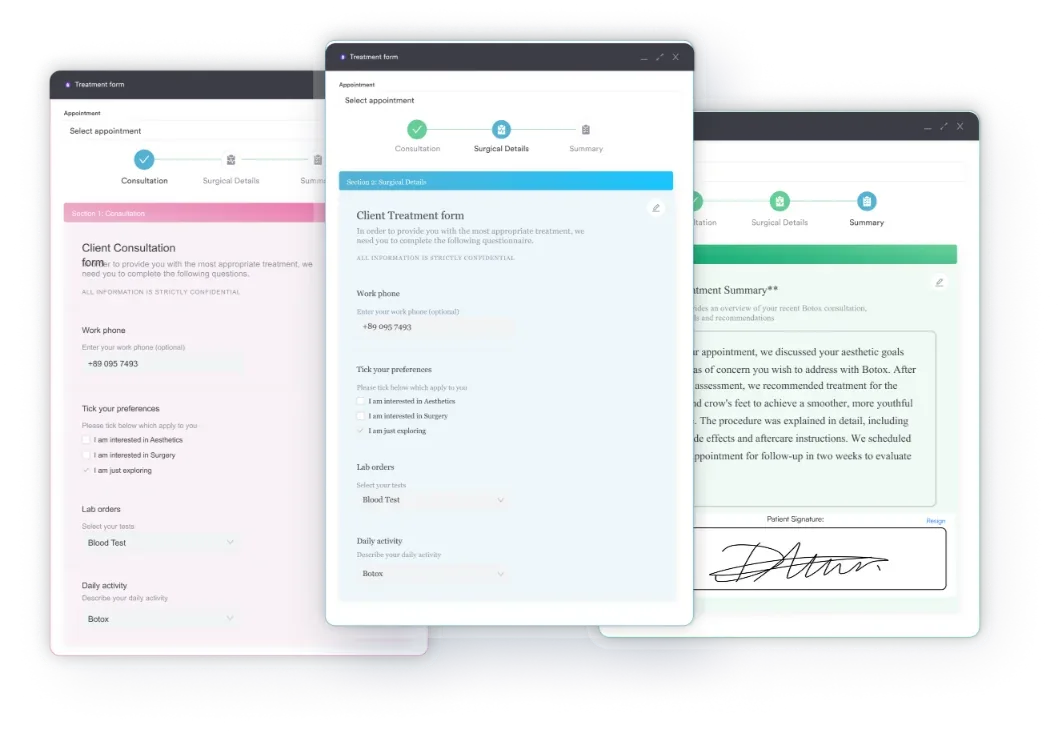
Manual CCSD billing for codes like 0430B introduces avoidable risk at every step: Transcription errors in code entry, missed pre-authorization checks, and invoice formatting that doesn’t match insurer requirements.
Pabau’s lab management software connects immunology and pathology test orders directly to the patient record, from the moment a test like the RI IgG antibody assay is requested through to results and coding.
Rather than toggling between a CCSD code lookup, a patient management system, and a billing platform, the entire workflow — ordering, results, and claims — lives in one place.
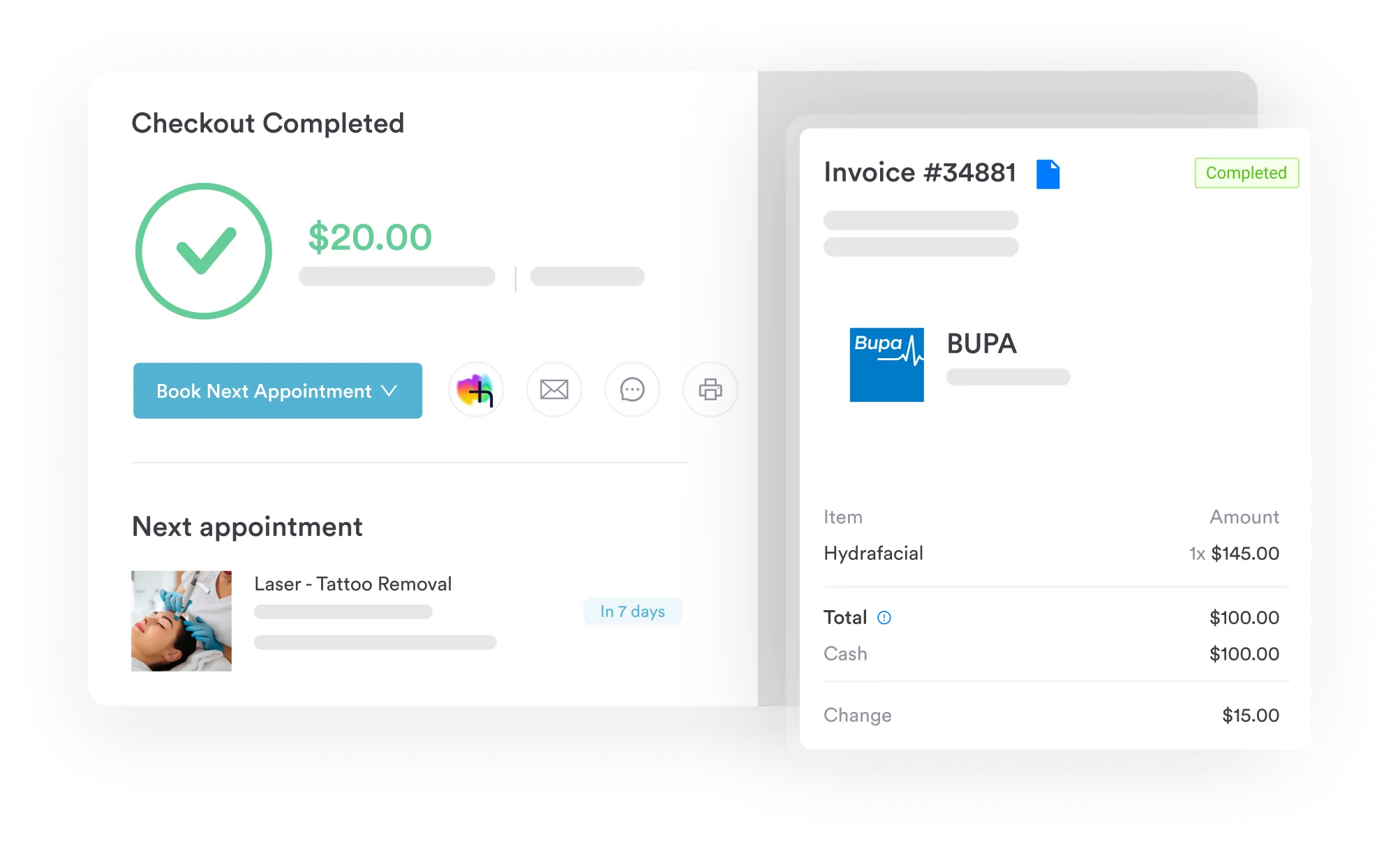
Key capabilities that apply directly to CCSD code 0430B billing:
Private practices that switch to this model report fewer resubmissions and faster payment cycles. For practices scaling across multiple consultants or locations, the same billing workflow scales without adding administrative headcount. The benefits of running a private practice are realized fastest when the billing infrastructure keeps pace with clinical activity.
Billing CCSD code 0430B correctly depends on three things: Knowing which insurers recognize the code and at what rate, submitting with the right authorization and formatting, and catching rejection patterns before they repeat. Most claim failures are preventable with the right workflow in place.
Pabau’s claims management software handles CCSD code entry, Healthcode integration, and rejection tracking in a single platform, keeping UK private practices billing accurately and efficiently. To see how it works for your practice, book a demo.

Want to compare against another CCSD entry? CCSD code 0019G walks through how a similarly structured claim is submitted and verified with UK insurers.
Curious how a diagnostic code claim differs elsewhere? ICD-10 code A33 shows how insurers verify recognition before reimbursing a diagnostic claim.
Coding a cervical ectropion case? N86 cervical ectropion coding covers why coders confuse this benign finding with an inflammatory condition and trigger avoidable denials.
CCSD code 0430B identifies the RI immunoglobulin G (IgG) antibody test, a diagnostic pathology assay in the Immunology specialty, Chapter 34, of the CCSD Schedule of Diagnostic Tests. UK private insurers use it to recognize and reimburse the test when a patient is billed under private healthcare. The exact clinical narrative is accessible via the CCSD member portal at ccsd.org.uk.
All major UK private health insurers use CCSD codes, including Bupa, AXA Health, Vitality Health, Aviva, Allianz Care, WPA, The Exeter, H3 Insurance, Healix, and Cigna. Each insurer sets its own fee for each code independently, so reimbursement rates for CCSD code 0430B vary by insurer and are updated annually.
CCSD itself does not set fees. Each private health insurer publishes its own fee schedule based on CCSD codes, with reimbursement amounts determined independently. To find the current rate for CCSD code 0430B, check your insurer\u2019s published fee schedule or code search portal directly.
CCSD procedural codes represent clinical procedures and are loaded into a separate table from diagnostic codes. CCSD code 0430B is a diagnostic code \u2014 it identifies the RI immunoglobulin G antibody test in the Immunology specialty, Chapter 34 \u2014 and should not be billed or referenced as if it were a procedural code.
Most UK private insurers accept electronic claim submissions via Healthcode, the UK\u2019s primary private healthcare billing clearinghouse. Prepare your invoice with the CCSD code, test date, consultant details, patient policy number, and pre-authorization reference, then submit through your billing platform\u2019s Healthcode integration. Healthcode validates the format before transmission and returns structured rejection notices if issues are detected.
Check the specific Healthcode rejection code to identify the cause. Common reasons include a missing authorization reference, a code not recognized on the insurer\u2019s current schedule, or a narrative mismatch. Address each rejection reason individually, cancel the original submission if required, then resubmit. Avoid resubmitting unchanged claims, as this triggers a duplicate flag.