



CCSD code G5100: Bypass of duodenum billing guide
CCSD code G5100 bills a bypass that leaves the duodenum in place CCSD code G5100...

Last Updated: Oct 16, 2026

CCSD Code 0035G is the UK private-healthcare diagnostic code for CD279 (PD-1) mutation analysis performed on a blood sample, used to assess the immune checkpoint pathway relevant to cancer immunotherapy.
0035G sits in the CCSD Diagnostic Schedule, not the Procedural Schedule. Load it into the diagnostic charge section of your billing system, never the procedure code table.
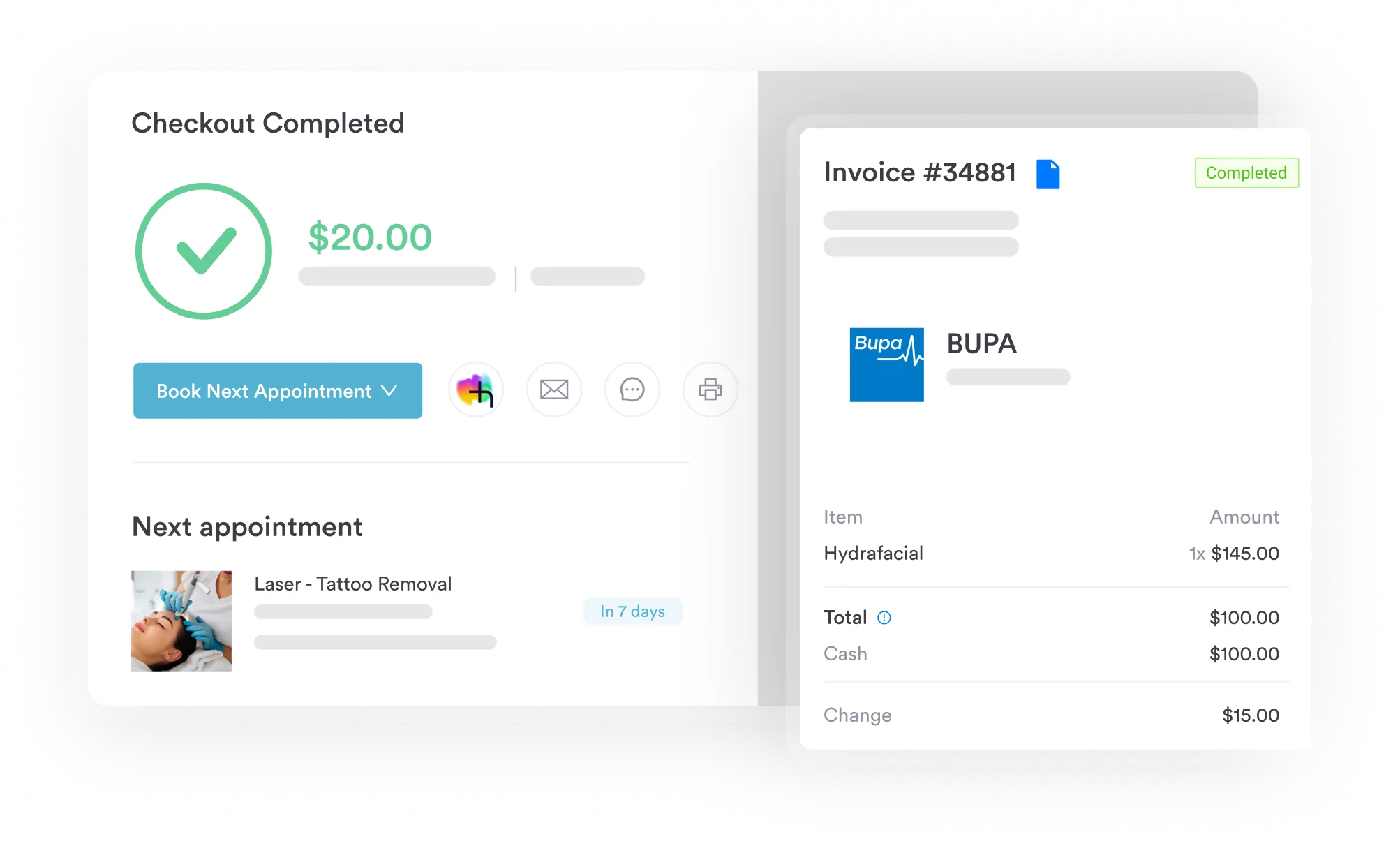
Bupa, AXA Health, Aviva, Vitality, Allianz Care, WPA, Cigna, and Healix all base reimbursement on CCSD codes, but each insurer sets its own fee for 0035G and its own pre-authorisation rules.
Pabau’s claims management software supports CCSD diagnostic code submission via Healthcode, linking the blood test result to the clinical record before the claim goes out.
Most billing errors on CCSD Code 0035G come from a single mix-up: treating a blood-based genetic test like a surgical or clinical procedure. CD279 (PD-1) mutation analysis is a molecular pathology test run on a blood sample, and how you classify it in your billing system determines whether the claim pays or bounces.
For practices moving from NHS to private practice and encountering CCSD diagnostic codes for the first time, this distinction matters from the first claim.
This guide covers the definition, clinical context, documentation requirements, and insurer guidance for CCSD Code 0035G. It is written for private practice billing staff, laboratory liaison teams, and clinicians ordering PD-1 pathway testing ahead of or during immune checkpoint inhibitor treatment.
CCSD Code 0035G describes CD279 (PD-1) mutation analysis carried out on a blood sample. CD279 is the cluster-of-differentiation name for PD-1 (programmed cell death protein 1), an inhibitory receptor expressed on activated T cells and encoded by the PDCD1 gene.
Testing looks for mutations or variants in this gene from DNA extracted from a peripheral blood sample, rather than from a tumour biopsy.
The code sits within the CCSD Diagnostic Schedule, maintained by the Clinical Coding and Schedule Development Group for UK private healthcare billing.
As with all codes in the Diagnostic Schedule, the exact billable narrative for 0035G is held in the restricted schedule at ccsd.org.uk; billing staff with registered access should confirm the current wording before raising a claim, since CCSD revises narratives through its periodic bulletin process.
The CCSD Technical Guide (October 2025) sets out the business rules governing how diagnostic codes such as 0035G are structured and interpreted.
This is the single most common source of rejected claims for this code. Per the CCSD FAQs, diagnostic codes do not constitute procedures and should never be loaded into a procedure code table. 0035G belongs in the diagnostic charge section of your billing submission, separate from any consultation or procedural codes on the same claim.
PD-1 is an immune checkpoint receptor. When it binds its ligand PD-L1, it dampens T-cell activation, a mechanism the body normally uses to limit inflammation but which tumours co-opt to evade immune attack. Checkpoint inhibitor drugs such as pembrolizumab and nivolumab work by blocking this interaction, restoring the T-cell response against cancer cells.
CD279 (PD-1) mutation analysis from blood is used as a precision-oncology biomarker alongside this treatment pathway. Germline variants in the PDCD1 gene, identified from blood-derived DNA, have been associated with differences in survival outcomes for patients on anti-PD-1 monotherapy, which is why clinicians increasingly request this analysis before or during checkpoint inhibitor treatment rather than relying on tumour histology alone.
A 2021 study on metastatic melanoma, for example, linked a specific PDCD1 germline variant (rs2227981) to lower three-year overall survival on anti-PD-1 monotherapy.
Do not confuse CD279 (PD-1) mutation analysis with PD-L1 immunohistochemistry (IHC). PD-1/CD279 testing under 0035G is a blood-based gene test; PD-L1 tumour proportion score testing is a separate, tissue-based test read from a biopsy slide. Submitting one code with documentation that only supports the other is a common cause of insurer queries.
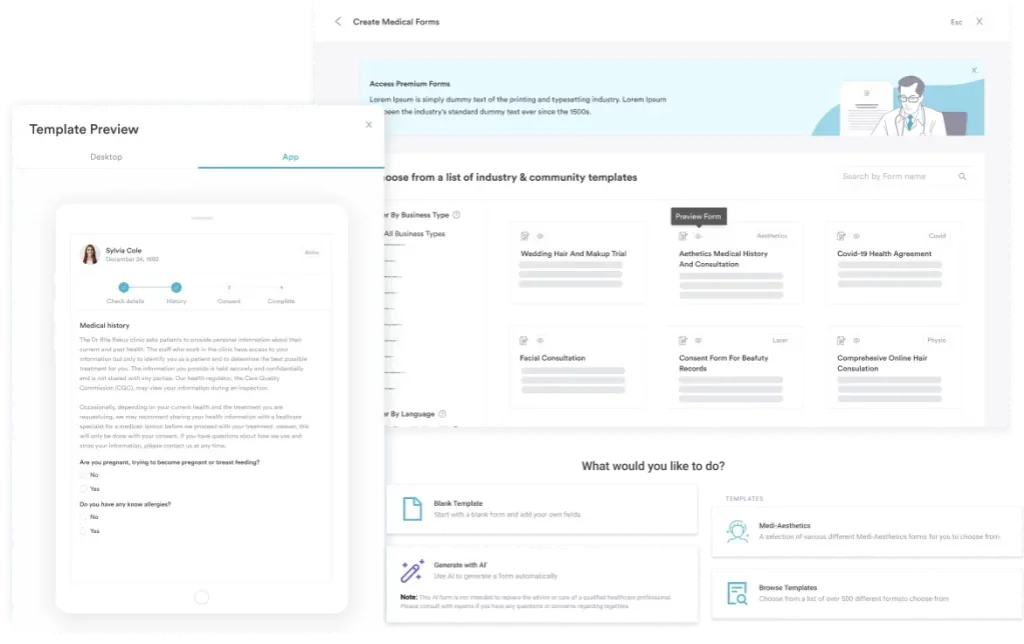
Private insurers assess diagnostic claims against the records submitted with them. Incomplete records are the leading reason 0035G claims get queried after filing. Practices also subject to Care Quality Commission inspection should note that this documentation overlaps closely with CQC evidence requirements; a CQC inspection checklist helps align billing and regulatory records in one workflow.
Capturing this at the point of care rather than retrospectively at billing time avoids most rejections.
For practices that already run structured intake for other blood-based panels.
Pre-approval requirements for molecular pathology tests vary widely across UK private insurers. Some require prior approval for genetic and biomarker testing ahead of immunotherapy; others process the claim after the fact. Billing staff should never assume pre-approval is unnecessary – verify with each insurer before the blood sample is sent for analysis.

Pabau gives UK private practices a single platform for clinical documentation, digital consent forms, and claims management, connecting blood test results directly to Healthcode-ready submissions.

CCSD does not set fees for Code 0035G; it publishes the code and narrative, while each insurer sets its own payment rate. The major UK private medical insurers that base reimbursement on CCSD codes are Bupa, AXA Health, Aviva, Vitality, Allianz Care, WPA, Cigna, and Healix. The table below summarises how each approaches CCSD-coded diagnostic claims.
Fee amounts for 0035G are not fixed across insurers. Each payer negotiates its own diagnostic fee schedule, and recognised providers may see different rates depending on their individual recognition agreement. Never quote a patient a fixed reimbursement figure based on what one insurer pays; always check the current published schedule for the specific insurer involved.
The following errors appear regularly in CCSD diagnostic code claims across UK private practices. Clear pre-filing checks prevent most of them.
Build a pre-submission checklist for every 0035G claim: diagnostic code table (not procedure table), specimen type recorded as blood, molecular pathology report attached, clinical indication tied to an immunotherapy plan, pre-authorisation reference included where required. A five-minute check prevents weeks of rejection follow-up.
CCSD Code 0035G often appears on a claim alongside other molecular and biomarker diagnostic codes, particularly in oncology and immunology billing.
Two other CCSD diagnostic codes with a “G” suffix.
Checking the live schedule for all codes on a claim, rather than relying on memory of a previous submission, is the single most effective habit for reducing narrative-mismatch rejections. Our full procedure codes hub and diagnostic codes hub cover the wider CPT, HCPCS, ICD, and CCSD reference library.
Billing a molecular pathology test like CD279 (PD-1) mutation analysis involves the same administrative chain as any CCSD diagnostic claim: confirming insurer recognition, capturing specimen and clinical documentation, obtaining pre-authorisation where required, and submitting cleanly via Healthcode. For a single oncology or immunology-focused practice, that load is manageable; across a multi-specialty group handling several insurer panels, it compounds quickly. A service billed to Australian Medicare needs the matching schedule item and the documentation the descriptor asks for.
Pabau’s claims management software lets UK private practices attach diagnostic codes to the appointment record, store the requesting clinician’s details and the specimen collection date against that same record, and generate Healthcode-ready claims without re-entering data by hand.
Practices weighing the benefits of running a private practice alongside NHS commitments.
Practices meeting mandatory compliance requirements and managing patient data under the UK GDPR compliance checklist will find that an integrated clinical and billing record also simplifies audit evidence, since molecular pathology results, consent, and claim history sit in a single system.
The wider picture for running UK private practice operations, including billing workflow alongside scheduling and staff management.
CCSD Code 0035G bills CD279 (PD-1) mutation analysis performed on a blood sample, a molecular pathology test that supports checkpoint inhibitor treatment decisions in oncology and immunology.
Getting it right means loading it as a diagnostic code rather than a procedure, documenting the blood specimen and clinical indication clearly, confirming insurer recognition and pre-authorisation, and pairing it with the correct laboratory report before submission.
Pabau’s claims management platform connects clinical documentation directly to billing submissions, reducing the manual checking that causes most CCSD diagnostic code errors. To see how it works for UK private practices handling molecular pathology and immuno-oncology billing, book a demo.

Need a full reference for Bupa CCSD codes? Bupa CCSD codes: complete guide for UK clinics covers the full schedule with practical billing guidance for UK private providers.
Billing a ureteral catheter procedure? Ureteral catheter billing guide covers the C-code CMS assigns to the ureteral catheter used in a urological procedure.
Billing an implantable cardiac device? Cardiac event recorder billing guide covers the device supply code for the implant, billed separately from the insertion procedure.
CCSD Code 0035G is the UK private-healthcare diagnostic code for CD279 (PD-1) mutation analysis, a molecular pathology test performed on a blood sample. PD-1 (CD279) is an immune checkpoint receptor encoded by the PDCD1 gene, and testing for mutations or variants in this gene informs decisions around immune checkpoint inhibitor therapy in oncology and immunology.
0035G is a diagnostic code, held in the CCSD Diagnostic Schedule. It must be submitted in the diagnostic charge section of a claim and never loaded into a procedure code table. Loading it as a procedure is one of the most common reasons this code gets rejected.
Bupa, AXA Health, Aviva, Vitality, Allianz Care, WPA, Cigna, and Healix all base their coding framework on CCSD codes and will process 0035G claims when filed correctly with supporting clinical records. Each insurer sets its own fee and pre-authorisation rules independently, so check the specific insurer’s current published schedule before billing.
CD279 (PD-1) mutation analysis under 0035G is a blood-based genetic test looking at the PDCD1 gene. PD-L1 testing is a separate, tissue-based immunohistochemistry test performed on a tumour biopsy. They use different specimens and different codes, and documentation for one should never be used to support a claim for the other.
You need a documented clinical indication linking the test to a checkpoint inhibitor treatment plan or suspected resistance, the requesting clinician’s name and GMC number, the blood specimen collection date, the molecular pathology laboratory report, and a pre-authorisation reference where the insurer requires one.



