Antipsychotic medication list
An antipsychotic medication list is a structured reference that organizes psychi...

2
Last Updated: Oct 13, 2026

Grief is a natural response to loss. The Kübler-Ross five-stage model (denial, anger, bargaining, depression, acceptance) provides a clinical framework for understanding and supporting clients, though stages are not linear.
The five stages are not experienced in fixed order. Most clients move recursively through stages, and some may skip stages entirely, making individual assessment essential for effective therapy.
Complicated grief (prolonged grief disorder per DSM-5-TR and ICD-11) requires specialist referral when grief intensity remains severe beyond 12 months or significantly impairs daily functioning.
The stages of grief worksheet helps practitioners assess emotional responses, initiate reflection, and facilitate therapeutic conversations. Practice management software like Pabau offers digital forms and a client portal so practitioners can share worksheets securely and track client progress.
A therapeutic assessment tool designed to help mental health professionals guide clients through the emotional journey of grief and loss, with reflection prompts for each grief stage and clinical usage instructions.
Download templateGrief is one of the most profound experiences your clients will face. Whether they’re processing the death of a loved one, the end of a relationship, a job loss, or any significant life transition, the emotional terrain can feel overwhelming and unpredictable.
A stages of grief worksheet provides structure — both for your client’s emotional journey and for your clinical approach to guiding them through it.
This guide covers how to use a stages of grief worksheet in therapy, which clinical framework underpins it, and how to adapt it for different client populations. Whether you work in mental health practice management, private counseling, or integrated care, the Kübler-Ross model and complementary frameworks remain foundational tools for grief assessment and therapeutic intervention.
Grief is a natural emotional response to loss. It manifests across psychological, physical, behavioral, and social dimensions and varies widely depending on the type of loss, the client’s attachment, cultural background, and prior bereavement experience.
Types of loss your clients may grieve include:
The Kübler-Ross five-stage model, introduced in Elisabeth Kübler-Ross’s 1969 landmark work On Death and Dying, emerged as a foundational framework for understanding how people navigate these losses. While not a rigid roadmap, the model helps you recognize emotional patterns and normalize the non-linear journey clients experience.
Using a psychiatric assessment template or a biopsychosocial history alongside a grief worksheet allows you to differentiate between normal grief and clinical depression or complicated grief — a critical distinction for appropriate referral and treatment planning.
The Kübler-Ross five-stage model identifies five emotional responses that many, but not all, grieving individuals experience. The stages are denial, anger, bargaining, depression, and acceptance. Each stage has distinct emotional hallmarks and clinical implications for how you structure therapy.
A critical clinical point Kübler-Ross herself emphasized in later work: grief is not linear. Clients do not move sequentially from denial → anger → bargaining → depression → acceptance. Instead, they oscillate. A client in acceptance may return to anger on an anniversary. Another may skip bargaining entirely. A third may experience all five stages within a single therapy session.
The Dual Process Model of grief (Stroebe and Schut, 1999) complements the stages framework by describing how grieving individuals alternate between loss-oriented coping (confronting the loss, reviewing memories, adjusting to absence) and restoration-oriented coping (rebuilding routine, developing new roles, managing secondary changes).
This oscillation is healthy and expected. Your role is to help clients tolerate the back-and-forth rather than push them toward linear progress.
When documenting this non-linearity in clinical notes, note the specific emotions or stage-related thoughts the client reports, then frame your observation: “Client is moving recursively between anger and bargaining, which is a healthy grief response despite the appearance of regression.”
While Kübler-Ross dominates mainstream understanding, three additional clinical frameworks strengthen practitioner competency and broaden your assessment toolkit.
Not all grief is the same. Your stages of grief worksheet should prompt assessment of grief type to determine appropriate intervention level:
The worksheet works best as part of a structured therapy practice management workflow, introduced thoughtfully and debriefed thoroughly. Follow this five-step clinical sequence:
Share the worksheet with clients via your practice’s secure client portal so they can access it between sessions and reference it independently.
The worksheet structures assessment. Coping skills tools support active grief processing. Combine them for comprehensive care:
Grief expression varies by age, culture, and context. Adapt the worksheet language and focus accordingly:
Adult clients often want to carry the work home between sessions. Our companion worksheet for adults keeps the same five-stage framework and pairs it with journaling prompts, CBT thought records, and self-compassion statements.
You can store and share adapted versions via digital forms, allowing clients to complete the worksheet within your practice management system and track responses over time.

Normal grief can be profound and disabling temporarily, but certain indicators warrant specialist referral or stepped-up care:
When in doubt, consult the American Psychological Association (APA) or your regional mental health licensing board for referral pathways. The National Institute of Mental Health (NIMH) provides evidence-based grief and bereavement resources for practitioner reference.
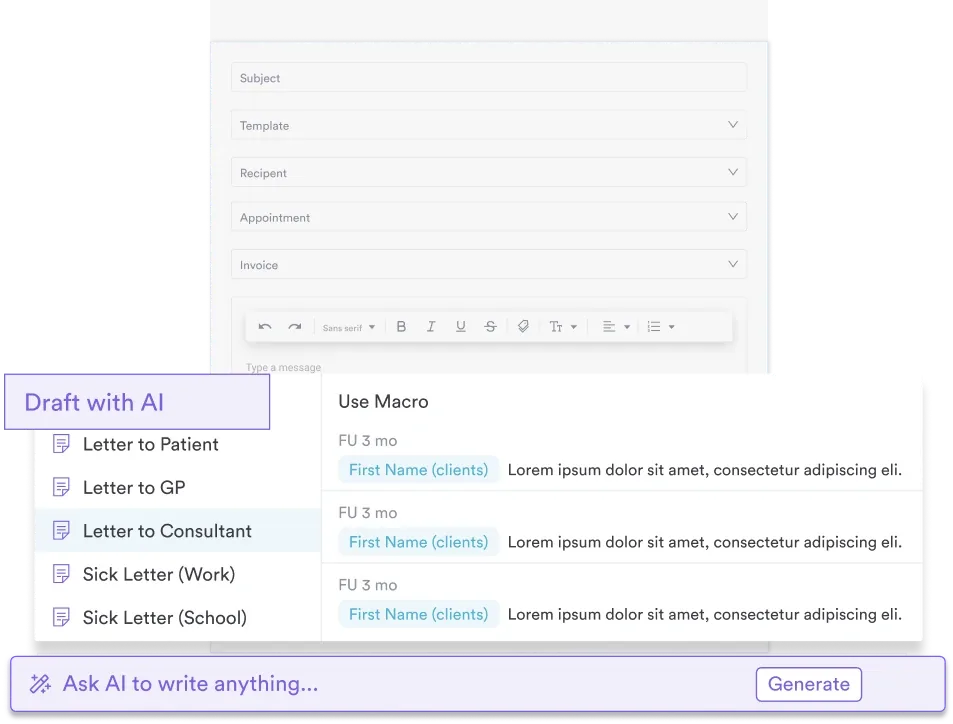
If your practice uses Pabau Scribe, you can dictate session notes capturing the client’s grief stage, coping response, and functional status — creating a clear longitudinal record for referral letters or consultation.
Document red flags explicitly: “Client reported passive suicidal ideation (wanting to join deceased but no intent/plan). Referred for psychiatric evaluation and crisis safety planning.” Clear documentation protects both the client and your practice.
Grief work is emotionally taxing. Protect yourself and improve outcomes:
A stages of grief worksheet is one tool in your broader grief competency toolkit. Paired with strong clinical relationship, multi-model theoretical understanding, and clear referral pathways, it becomes a powerful aid to clients navigating one of life’s most challenging passages.
Grief is universal yet deeply individual. By using a structured stages of grief worksheet grounded in the Kübler-Ross framework and complementary clinical models, you offer your clients a roadmap that normalizes their emotional journey while respecting its non-linear nature.
Download the free worksheet above and introduce it in your next session with a grieving client.
For secure worksheet sharing and progress tracking across your caseload, book a demo of Pabau’s practice management tools, which include digital forms, client portal access, and clinical documentation features built for mental health practice.
The Kübler-Ross five stages, in the order they were introduced, are: denial, anger, bargaining, depression, and acceptance. However, clients do not experience them in this fixed sequence. They move non-linearly through the stages.
Bargaining is the stage where clients engage in what-if thinking and attempt to negotiate with reality. Thoughts center on guilt (“If only I had…”) or hypothetical negotiations (“If I promise to be a better person, they’ll come back”). It represents the bridge between anger and depression as the client gradually accepts the loss.
No. Grief is non-linear. Clients oscillate between stages, skip some, or experience multiple stages simultaneously. Some may re-enter denial on anniversaries. Elisabeth Kübler-Ross herself clarified in later work that these are common emotional responses, not a rigid roadmap.
Anticipatory grief is grief experienced before a loss occurs, such as when a client learns of a terminal diagnosis or imminent loss. It shares some features with regular grief but also carries unique elements because the relationship or role still exists while the person grieves its impending absence.
Grief worksheets provide structure for assessment, normalize the emotional journey, and facilitate therapeutic conversation. They help clients identify which stages or feelings resonate, externalize internal emotion through reflection, and give you a clinical framework to guide intervention and track progress across sessions.
Professional help is warranted if grief remains severe and functionally impairing beyond 12 months, if suicidal or self-harm ideation emerges, if the person completely withdraws from all activity, or if grief is complicated by trauma (sudden/violent loss). These indicators suggest prolonged grief disorder or comorbid depression requiring specialist assessment.