Fair fighting rules worksheet
A fair fighting rules worksheet is a therapy handout that sets out ground rules ...

3
Last Updated: Oct 21, 2026

The fear of vulnerability test is a structured assessment measuring emotional avoidance and discomfort with self-disclosure in therapeutic settings.
Clients score 10 statements on a 1-5 scale (never to always), with total scores between 10-50 indicating fear intensity and avoidance patterns.
Therapists use results to identify which relationship dynamics trigger emotional withdrawal and to tailor therapeutic approaches toward building shame resilience.
Pabau’s digital forms and clinical notes features streamline assessment delivery and interpretation documentation for mental health practices.
Fear of Vulnerability Test
A ready-to-use assessment tool for mental health practitioners to evaluate client discomfort with emotional openness, self-disclosure, and authentic expression in therapeutic relationships. Includes scored questions, interpretation thresholds, and clinical application guidance.
Download templateFear of vulnerability is a pattern of emotional avoidance that shows up across social anxiety, avoidant attachment, shame-driven withdrawal, and relationship conflict. A fear of vulnerability test turns that hard-to-name pattern into a score you and your client can talk about. This page gives you the full 10-item assessment, the 1-to-5 scoring, the interpretation bands, and a five-step way to fold the results into a session, plus a free PDF to use with clients this week.
Therapists regularly meet clients who protect themselves by deflecting personal questions, intellectualizing feelings, or holding boundaries that block real connection. This pattern is rooted in fear of vulnerability, and it slows the therapeutic alliance. A structured test helps you pinpoint where a client struggles with openness, so treatment can address the shame and avoidance underneath. The alexithymia test pairs well with it for clients who cannot name their emotions at all.
The fear of vulnerability test is a psychological screening tool that measures a client’s discomfort with emotional exposure and authentic self-disclosure. It works as a self-reflection aid that helps both therapist and client recognize patterns of emotional avoidance and see where shame or interpersonal fear constrains behavior. It is not a diagnostic instrument.
The test consists of 10 statements reflecting common scenarios that call for vulnerability: sharing a mistake, admitting uncertainty, asking for help, expressing needs in relationships, or admitting emotional pain. Clients rate each statement on a 1-to-5 Likert scale, from Never to Always. Total scores range from 10 to 50, and higher scores point to stronger fear of vulnerability and avoidance.
The assessment draws on three evidence-based frameworks: Brené Brown’s research on vulnerability and shame resilience, dialectical behavior therapy (DBT) emotion regulation, and attachment theory’s understanding of relational safety. The adult attachment scale (AAS) is a useful companion for exploring how attachment style shapes vulnerability. Therapists use the results to co-create treatment plans that target emotional avoidance, build distress tolerance, and deepen the therapeutic alliance.
Clinical disclaimer: This assessment is a screening and educational tool only. It is not a diagnostic instrument and does not replace professional clinical judgment. Scores should inform therapeutic conversation, not determine diagnosis or treatment in isolation.
Read each statement and rate how often it applies on a scale of 1 to 5: 1 for Never, 2 for Rarely, 3 for Sometimes, 4 for Often, and 5 for Always. Answer for how things are now, not how you would like them to be.
Add the 10 ratings for a total between 10 and 50, then use these bands to interpret the result:
The individual items matter as much as the total. A client who scores high on “asking for help” but low on “admitting mistakes” is showing you exactly which relational situations feel unsafe, which is where the therapeutic conversation starts.
Fear of vulnerability rarely announces itself. It shows up as behavior that looks like independence or composure but works as protection. Common behavioral signs include:
The emotional signs sit underneath: shame, anxiety, or a flat numbness in situations that call for openness. A high score on the test, especially in the 36-50 range, usually reflects several of these signs appearing together across different relationships.
Clinical form capture tools let staff complete assessments like this on a tablet during the session itself.
The following five steps ensure the assessment deepens self-awareness and therapeutic work rather than triggering shame. Used consistently, they transform a scoring exercise into a meaningful clinical conversation.
The fear of vulnerability test works across a wide range of mental health settings. Therapists, counselors, psychologists, social workers, and psychiatric nurse practitioners use it with clients experiencing:
Deepens diagnostic clarity: Fear of vulnerability often co-occurs with anxiety, avoidant personality features, and attachment insecurity. The test makes those avoidance patterns visible and discussable instead of leaving them as a vague sense that a client is hard to reach.
Accelerates therapeutic alliance: Clients feel heard when a therapist names their barriers to connection instead of guessing at them.
Guides treatment planning: Results point to the modality that fits best: schema therapy for shame roots, DBT for emotion regulation, somatic therapy for body-based avoidance, or attachment-focused work for relational safety. The choice point worksheet is a helpful ACT-based tool for turning those insights into concrete therapy goals.
Measures progress objectively: Re-administering the test mid-treatment and at closure gives quantifiable feedback on how a client’s capacity for vulnerability is growing, so they see concrete evidence of change.
Improves session documentation: Storing completed assessments and interpretation notes in centralized client records keeps continuity across team members and treatment phases.
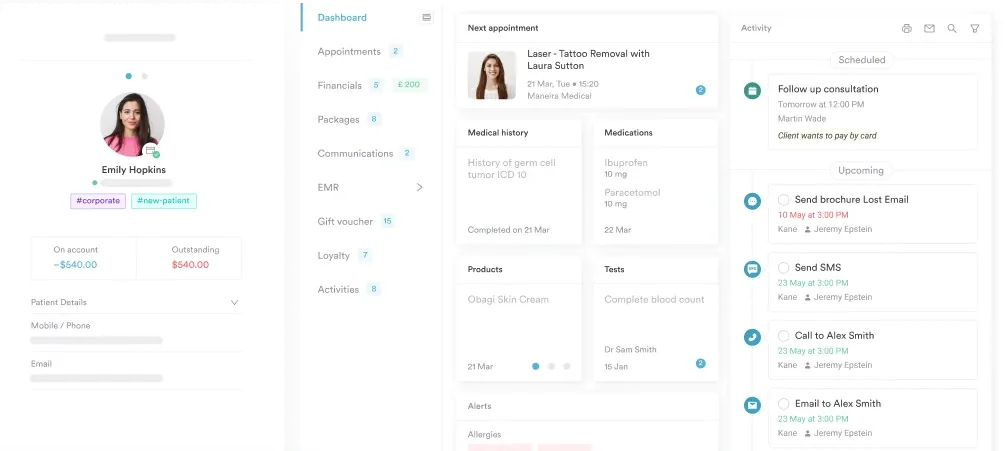
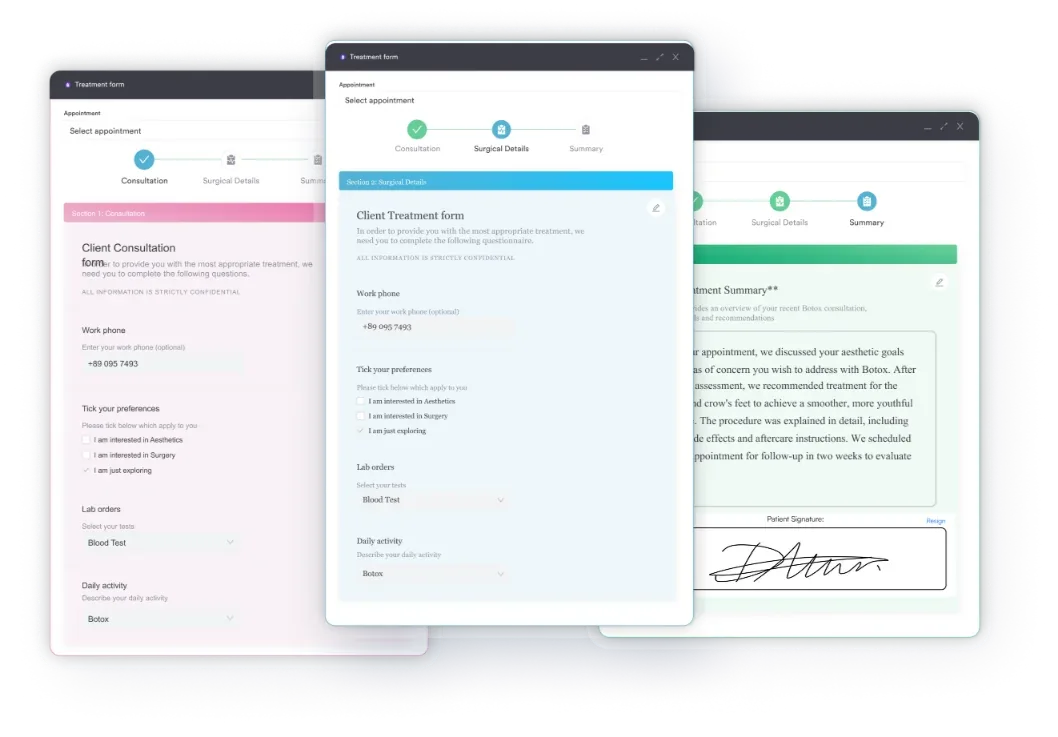
Mental health practices running on Pabau deliver the assessment through digital intake and questionnaire forms, score responses automatically, and drop the results straight into client progress notes. That cuts the admin around each assessment, so more of the session stays on the therapeutic work. Book a demo to see how it fits a mental health workflow.
Brené Brown defines vulnerability as “uncertainty, risk, and emotional exposure,” the condition for authentic connection. In her framing it is a measure of courage rather than weakness. When a client cannot tolerate the vulnerability that honest self-examination and relational openness require, therapeutic work stalls.
Fear of vulnerability often starts in early attachment experiences. Parents who punished emotional expression, shamed mistakes, or withdrew love conditionally teach a child that openness is dangerous. Dialectical behavior therapy (DBT) works on this through interpersonal effectiveness and distress tolerance skills. The change plan worksheet can help a client put words to their readiness to move past avoidance.
Over time, the therapeutic relationship becomes the corrective experience. When a therapist meets a client’s vulnerability with consistent safety, normalization, and non-judgment, the client’s nervous system gradually learns that authenticity is survivable. The fear of vulnerability test makes the invisible avoidance visible, so both people can work with it on purpose.
Score ranges give you clinical anchors for conversation and treatment planning. A client in the 10-18 band experiences low fear and usually presents with openness, the capacity to trust, and comfort with authenticity. Here the work focuses on supporting healthy interdependence and deepening relational skills.
A score of 22 sits in the moderate band and suggests selective vulnerability. The client opens up in safe relationships but guards in ambiguous or hierarchical ones, such as with authority figures, new acquaintances, or groups. Treatment explores what triggers the shift from openness to protection and builds graduated exposure to interpersonal risk.
A score of 36 or above points to pervasive fear of vulnerability and avoidance. These clients often present with isolation, relationship conflict, or emotional numbness. Therapeutic priorities include building distress tolerance, processing shame, and creating safety protocols, such as clear boundaries, predictability.
Tailor interventions to the individual items, not just the total. Practice assertiveness for a high “asking for help” score, and explore perfectionism and shame for a high “admitting mistakes” score. When the psychopath spectrum test also shows reduced empathy, fear of vulnerability can present differently and call for an adapted approach.
The fear of vulnerability test gives mental health practitioners a practical, evidence-grounded way to assess and address emotional avoidance, one of the deepest obstacles to therapeutic change. Measuring where a client fears authenticity, then co-creating targeted interventions, moves therapy toward the genuine connection that heals. For clients also showing signs of emotional dysregulation. Download the template, start using it this week, and track how naming vulnerability patterns shifts your clients’ capacity for openness. See how Pabau’s assessment and documentation features support this work. A private practice reviewing outcomes needs the same measure captured at intake and at review. A private practice reviewing outcomes needs the same measure captured at intake and at review.

Need a broader intake framework for new clients? Psychiatric Evaluation Template It gives psychiatrists, psychologists, and therapists a structured framework for conducting thorough evaluations.
Want to document clinical progress more efficiently? SOAP Notes for Social Work It explains how to write effective SOAP notes for social work documentation.
Need a consent form for new clients? Counseling informed consent form covers confidentiality limits, mandatory reporting, fees, and client rights in one document.
A fear of vulnerability test is a structured psychological assessment measuring a client’s discomfort with emotional openness, self-disclosure, and authentic expression. Clients rate 10 statements on a 1-5 scale; total scores between 10-50 indicate the intensity of fear-based avoidance patterns.
Common signs include withdrawing when relationships deepen, difficulty admitting mistakes or emotional needs, deflecting personal questions with humor or logic, keeping rigid emotional distance, or feeling intense anxiety when expected to share personal experiences. A score of 36 or above on the assessment indicates pervasive fear of vulnerability and significant avoidance.
A score of 36 or above indicates pervasive fear of vulnerability and significant avoidance. Clients with high scores typically struggle across multiple relationships and may present with isolation, relationship conflict, difficulty forming secure attachments, or emotional numbness. Treatment focuses on building distress tolerance and shame resilience.
Administer the assessment early in treatment, frame it therapeutically as a self-understanding tool, calculate the score and identify highest-scoring statements, explore triggers for those specific vulnerabilities in dialogue, and co-create graduated exposure goals. Track progress by re-administering mid-treatment and at closure.
Behavioral signs include avoiding personal conversations, over-explaining or over-justifying, using sarcasm or deflection when feelings arise, keeping strict boundaries that prevent closeness, perfectionism, difficulty asking for help, or shutting down when challenged. Emotional signs include shame, anxiety, or numbness in relationships.