Antipsychotic medication list
An antipsychotic medication list is a structured reference that organizes psychi...

2
Last Updated: Oct 13, 2026

The Life Events Timeline template is a one-page clinical form that records one life event and the emotional impact your client attaches to it.
Each sheet captures the client’s age, how long the event lasted, its context, a short written description, and an impact rating.
Context is a five-option choice covering family, friends, work, home, and relationship, so you can see where the event sat in your client’s life.
The impact rating is subjective self-report, not a validated psychometric score, so pair it with your clinical interview.
Download the form free, complete one sheet per notable event, and file the completed sheets on the client record.
One page for one life event. Record the client’s age, how long the event lasted, its context, and what happened, then rate the emotional impact from 0 to 10.
Download templateA life events timeline maps the moments that shaped a client’s life. The form on this page is the smallest working version of that idea. It’s a single page that holds one event, and asks how much weight that event still carries.
This page walks through every field and how to complete the sheet in a session. You’ll also see how to read the 0 to 10 impact rating, and where the form stops being enough for mental health practice management.
A life events timeline is a chronological record of the events that shaped a person’s life. Clinicians use it to connect earlier experience to a client’s present concerns. Most timelines are built slowly, across sessions, as a client shares more.
This template works one event at a time. Each sheet is a single entry: the age, the duration, the context, the description, and the impact rating. The chronology comes from you, once you have several sheets on file and read them in age order.
That narrow scope is the point. Asking a client to lay out a whole life history in one sitting rarely works, and a blank page invites a flood or a shrug. One event, five fields, and a number is a request most clients can answer.
The form has five fields on a single page. Here is what each one records and what it tells you during assessment.
That is the whole form. There are no domain checklists, no prompts to work through, and no second entry on the page. If an event needs more room, the client’s words belong in your session note rather than squeezed into the box.
A single sheet takes a few minutes. These steps keep the sheet usable later, when you or a colleague reads it cold.
If the disclosure raises risk, stop working through fields and follow your practice’s risk protocol. The sheet can wait. Your clinical note then carries the detail the form cannot hold.
The scale runs from 0 to 10, with three labels printed on the form. Zero means the event carries no emotional charge now. Five is marked significant, and ten is marked extreme.
The useful information is usually the mismatch. A bereavement rated 2 and a job change rated 9 tell you where to spend the next session. A client who rates everything at 8 may be describing current distress rather than the events themselves.
Treat the number as the client’s judgment, not a score. It’s self-report on an unvalidated scale, so it does not replace a screening instrument or a diagnosis. Its value is comparative: it ranks events against each other in one person’s own terms.
Because the sheet is dated, you can revisit the same event months later and ask for the rating again. A drop from 9 to 5 is a concrete piece of progress a client can see, and it belongs in your patient care management review.
Therapists, counselors, social workers, psychiatrists, and occupational therapists all take life history at some point. A one-page sheet suits three situations in particular.
Send the sheet with your intake pack, alongside a self-care inventory if you use one, and ask for one event. You arrive at the first session already knowing the moment the client would put first, and how heavily they weigh it. That’s a better opening than a blank page.
When one incident dominates the picture, the sheet keeps the record contained. Age, duration, context, and the client’s own description sit on one page, rated by the person it happened to. Nothing on the page asks the client to inventory a whole history they are not ready to revisit.
Complete a sheet for the stressor a client keeps returning to, then re-rate it later in treatment. Two dated sheets for the same event show movement, or show that the work has not landed yet. If the stressor is likely to recur, plan the next occurrence with a cope ahead worksheet, then compare the ratings afterward.
Knowing the limits saves you from expecting the sheet to carry an assessment on its own.
A paper sheet is easy to complete and easy to lose. In most practices it ends up in a folder, or scanned into a shared drive nobody opens during a session. It sits outside the therapy practice management records you use in session, so the rating never gets compared with anything.
Practice management software like Pabau handles that differently. Digital intake forms go out before the appointment, and the client answers on their phone. The responses save straight onto the client record, next to your notes and treatment plan.
From there the sheet is part of the history rather than an attachment. Anyone treating the client opens the same record, so a psychiatrist and a therapist see one version before a multidisciplinary review. You can pull up last quarter’s rating mid-session, without hunting for the original page.
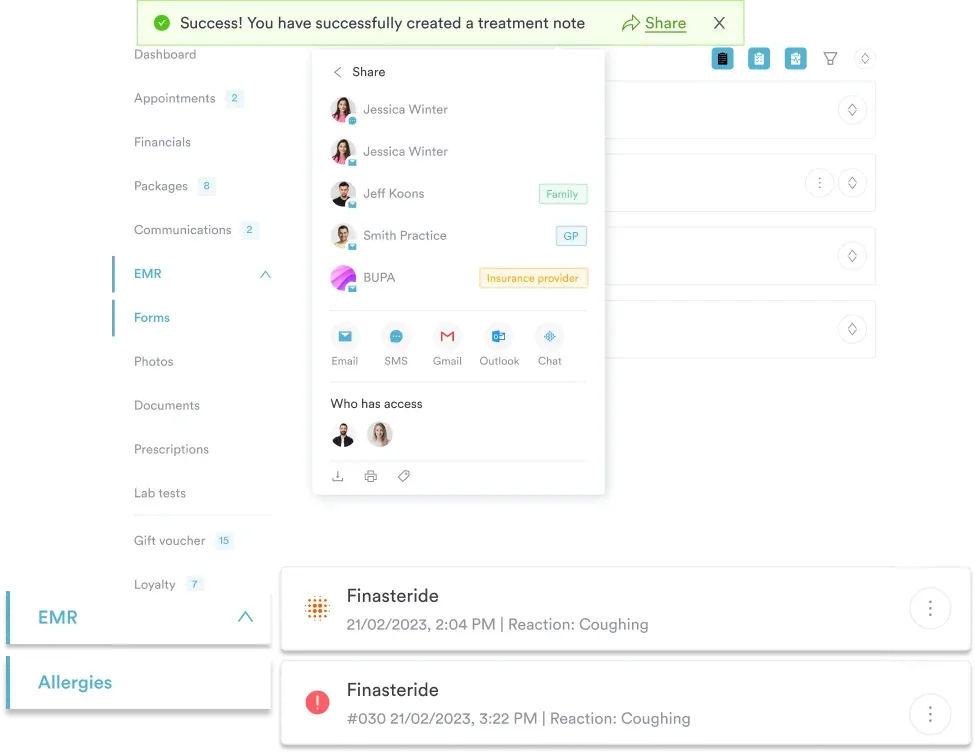

Pabau’s digital forms go out before the appointment and save each answer onto the client record. Your notes, the impact rating, and the treatment plan then sit in one place.

The sheet earns its place by asking for less. A client who would stall at a full life history will usually name one event and rate it. Print a sheet for the next intake, ask for that single event, and see what the number tells you that your questions didn’t.
The trade-off is coverage. A short sheet gets completed, but the breadth of the history still depends on your interview and your notes. Book a demo to see how Pabau keeps completed forms and ratings on the client record, ready for the next session.

Writing up the session afterward? Therapy progress notes cheat sheet gives you wording for affect, mood, and goal progress that insurers accept.
Turning one event into a plan? Goal setting worksheets turn what the client wants into targets you can both review next session.
Client’s sleep slipping alongside the stressor? Sleep hygiene worksheet covers schedule, routine, environment, daytime habits, and 3 AM waking.
Client struggling to name what they felt? Primary and secondary emotions worksheet separates the first feeling from the reaction that followed it.
Assessing a behavior that keeps repeating? Motivation assessment scale helps you rank the likely function behind a challenging behavior.
The form is one page and covers one event. It records the client’s age at the time, how long the event lasted, and its context. There is also a free-text box for the event and a 0 to 10 emotional impact rating.
No. Each sheet holds a single event, so the full history still comes from your interview and your notes. Some clinicians complete one sheet per event and file them in age order, but the form itself does not lay out a timeline.
No. It is a subjective self-report anchored at 0 for none, 5 for significant, and 10 for extreme. Treat it as a conversation starter, and use a recognized screening tool when you need a scored outcome.
Either works. Clients can fill it in before the session, which gives you their own words and their own rating. Completing it together takes longer, but it lets you clarify duration and context as you go.
A few minutes for a straightforward event. A difficult disclosure takes longer, because the conversation matters more than the paperwork. Never push a client to rate an event they are not ready to describe.
Keep them on the client record inside a system with access controls and an audit trail, in line with HIPAA and GDPR. Loose paper sheets and email attachments are the two most common weak points.