Gene test: Types, how it works, and what results mean
A gene test is a laboratory analysis of your DNA, chromosomes, or proteins that ...

Last Updated: Sep 22, 2026

An elderly blood pressure chart has two parts: a diagnostic classification (Normal, Elevated, Stage 1, Stage 2) that is the same for all adults under ACC/AHA 2017, and treatment targets that genuinely vary by age decade (60-69, 70-79, 80+).
Treatment targets differ by guideline and age: ACC/AHA 2017 recommends <130/80 mmHg for ambulatory adults 60-69 (JNC 8 allows <150/90 mmHg for adults 60+), ESC/ESH 2023 allows <140/80 mmHg for adults 70-79, and HYVET-based guidance permits a more lenient ~140-150/<80 mmHg for adults 80 and older.
Systolic hypertension (elevated top number) is the dominant pattern in elderly due to arterial stiffening, and orthostatic hypotension (dizziness on standing) carries significant fall risk that requires careful monitoring.
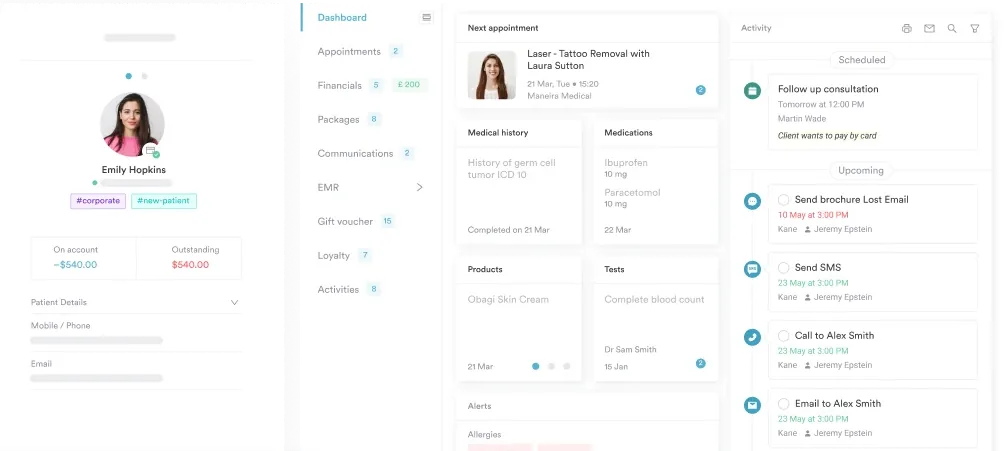
Practice management software like Pabau helps clinicians track BP trends, flag red-flag readings, and ensure elderly patients receive timely clinical review through structured patient records and automated monitoring workflows.
A ready-to-use reference chart combining the uniform diagnostic classification (normal, elevated, Stage 1, Stage 2, hypertensive crisis) that applies to all adults with treatment targets that vary by age decade (60-69, 70-79, 80+) per ACC/AHA, ESC/ESH, and JNC 8 guidance. Includes monitoring guidance and fall-risk considerations for elderly patients.
Download templateBlood pressure in older adults follows different rules than in younger adults, but not in the way many charts suggest. The diagnostic thresholds for normal, elevated, and hypertensive readings are the same at every age. What shifts is the treatment target a clinician works toward, which changes meaningfully once a patient reaches their 60s, 70s, and 80s.
This elderly blood pressure chart separates the two, giving clinicians and caregivers age-specific treatment targets backed by ACC/AHA, ESC/ESH, and JNC 8 guidance, alongside monitoring, fall-risk, and red-flag guidance for daily practice.
An elderly blood pressure chart provides age-stratified reference ranges that help clinicians and caregivers distinguish normal from elevated readings in adults aged 60 and above. Blood pressure naturally changes with age due to arterial stiffening and vascular aging, so the thresholds that apply to younger adults do not always apply to seniors.
For adults aged 60 and older, the American College of Cardiology (ACC) and American Heart Association (AHA) recommend a target systolic reading of less than 130 mmHg paired with a diastolic reading below 80 mmHg as the gold standard for optimal cardiovascular protection.
The National Institute on Aging notes that for many seniors aged 70 and older, a slightly higher systolic target below 150 mmHg may be more appropriate when aggressive lowering carries a risk of falls or adverse events. The key is individualized assessment rather than a one-size-fits-all target.
Blood pressure rarely travels alone as a cardiovascular risk factor. Many practices pair BP tracking with lipid monitoring.
Systolic pressure (the top number) is the reading of greatest clinical concern in elderly patients, as it tends to rise steadily with age even when diastolic pressure remains stable. A structured elderly blood pressure chart helps clinicians and care teams track these age-related patterns and respond appropriately.
Blood pressure norms shift across age groups in one important way: the diagnostic classification itself doesn’t change with age, but the treatment target a clinician aims for often does. The chart below separates the two — a diagnostic classification that applies uniformly to every adult, and treatment targets that are genuinely age-differentiated based on current cardiology and geriatric guidelines.
The categories below, established by the 2017 ACC/AHA guideline, classify blood pressure readings the same way in every adult regardless of age. A systolic reading of 135 mmHg is Stage 1 hypertension whether the patient is 45 or 85, since the label does not vary by age decade.
The treatment target changes with age; the classification does not. See the age-decade table below for how targets shift by decade.
Unlike the diagnostic classification above, the treatment target — the BP goal a clinician works toward once hypertension is diagnosed — genuinely differs by age decade, guideline body, and patient frailty. Cardiac reference values shift with age too, as the normal ejection fraction by age chart sets out. The table below summarizes current recommendations:
The decade rows above are a practical grouping, not exact guideline cut-points. ACC/AHA’s <130/80 mmHg ambulatory target technically applies to adults 65 and older, not from age 60. ESC/ESH’s <140/80 mmHg band is defined for ages 65-79, which overlaps both the 60-69 and 70-79 rows.
Apply the guideline whose own age criteria the patient meets, rather than reading the table’s decade boundaries as precise thresholds.
These treatment targets still reflect an important clinical distinction. The 2017 ACC/AHA <130/80 mmHg goal was validated primarily in ambulatory, community-dwelling older adults aged 65 and up.
The JNC 8 guideline and the 2023 ESC/ESH guideline permit higher targets for many adults 60 and older, and HYVET-based recommendations for the very elderly favor a more conservative target of roughly 140-150/<80 mmHg to reduce fall and syncope risk.
In practice, a systolic reading of 135-145 mmHg in a frail 85-year-old may already be an appropriate treatment target, while the same reading in a fit, ambulatory 65-year-old may prompt further treatment intensification.
An elderly blood pressure chart must always be paired with clinical judgment about individual risk, comorbidities, frailty, and tolerance for medication, never applied as a rigid, one-size-fits-all rule.
Every elderly blood pressure chart shows four primary classification categories. Understanding each helps clinicians and caregivers interpret readings and decide when action is needed:
Pairing this scale with digital measurement tracking turns individual scores into longitudinal trend lines your whole team can read.
Systolic hypertension is the dominant pattern in elderly patients. Rather than both numbers rising together, seniors often show a high systolic (top number) paired with a normal or low diastolic (bottom number). This occurs because arterial stiffening increases the force of blood pushing against vessel walls.
Treatment decisions in elderly hypertension balance the cardiovascular benefit of lower readings against the risk of medication-induced hypotension, which can cause dizziness, falls, and injury.
The Centers for Disease Control and Prevention (CDC) and major guideline bodies emphasize that a structured patient care approach, combining individualized BP targets with regular monitoring, yields the best outcomes. Pabau’s client records help clinicians track BP trends over time and identify patterns that warrant intervention.
Orthostatic hypotension-a sudden drop in blood pressure when standing up-is a common and serious concern in elderly patients. A drop of 20 mmHg systolic or 10 mmHg diastolic upon standing is abnormal and increases fall risk significantly. Falls in seniors result in fractures, hospitalizations, and loss of independence, making fall prevention a clinical priority alongside blood pressure control.
When using an elderly blood pressure chart, clinicians should record both seated and standing readings to detect orthostatic changes. Medications, dehydration, prolonged bed rest, and age-related autonomic dysfunction all contribute. Dizziness, lightheadedness, or syncope (fainting) are red flags that warrant urgent review. Documentation of these symptoms in clinical documentation workflows ensures no episode goes unaddressed.
Three major guideline frameworks inform elderly blood pressure management. The JNC 8 (Eighth Joint National Committee) guideline recommends a systolic target of less than 150 mmHg for adults 60 and older, while the 2017 ACC/AHA guideline recommends less than 130/80 mmHg for all adults.
The SPRINT trial (Systolic Blood Pressure Intervention Trial) demonstrated that intensive treatment to a systolic target below 120 mmHg reduced cardiovascular events, but it required careful patient selection and excluded frail, cognitively impaired, and nursing-home residents.
These frameworks cover primary hypertension. When high blood pressure stems from an endocrine disorder, it is coded separately under I15.2, which affects how the underlying condition is treated alongside the reading itself.
This individualized approach is standard in general practice, where routine BP checks make up a large share of preventive visits. A patient with a history of stroke or diabetes may warrant aggressive lowering, while a frail 88-year-old living alone may benefit from a more conservative approach.
Non-pharmacological interventions are first-line for all elderly patients with elevated BP. The DASH diet, rich in fruits, vegetables, whole grains, and lean protein and low in sodium, has strong evidence for reducing systolic pressure by 8-14 mmHg. Sodium reduction to under 2,300 mg per day, ideally under 1,500 mg, supports further reductions.
Physical activity of at least 150 minutes per week of moderate-intensity aerobic exercise, combined with strength training two to three times per week, improves cardiovascular fitness and BP control. Weight loss where needed, alcohol moderation, and stress management round out the lifestyle toolkit.
Clinicians in longevity-focused practices often partner lifestyle recommendations with digital intake forms to assess diet, exercise habits, and adherence to prior recommendations. Follow-up visits reinforce progress and adjust interventions as needed.
Certain readings and symptoms demand immediate clinical action. A systolic BP consistently above 180 mmHg, or any single reading above 180/120 mmHg, constitutes a hypertensive crisis and requires emergency care. Symptoms such as severe headache, chest pain, shortness of breath, vision changes, or nosebleeds accompanying high readings also warrant urgent evaluation.
Conversely, a systolic BP below 90 mmHg paired with dizziness, confusion, fatigue, or syncope signals dangerous hypotension. Falls, head injuries, and acute illness can follow. Pabau’s automated monitoring workflows can flag out-of-range readings and trigger alerts so no critical reading goes unaddressed.
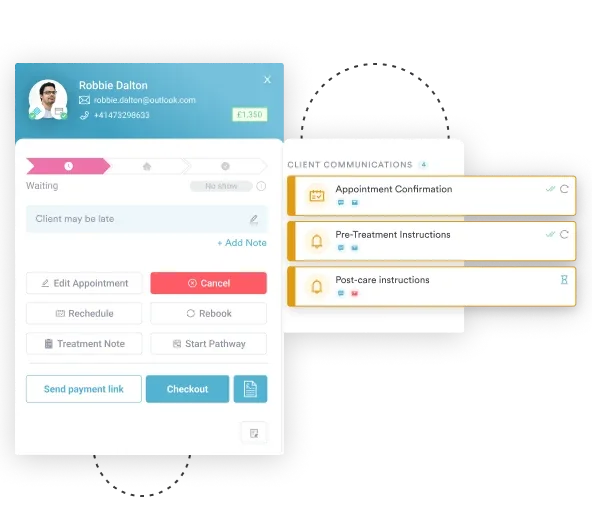
A downloadable elderly blood pressure chart is most effective when paired with patient portal access and structured clinical workflows. Pabau integrates vital signs recording, trend analysis, and automated alerts directly into the patient record.
Clinicians can document each BP reading, flag readings that fall outside the personalized target range, and automatically trigger follow-up appointments when thresholds are exceeded. This ensures that elderly patients with complex hypertension receive consistent, evidence-based monitoring.
Whether your practice serves a specialized elderly population or manages hypertension across a broad patient base, integrating an elderly blood pressure chart into your electronic record keeps aging patients safe and engaged in their cardiovascular care.
An elderly blood pressure chart provides the reference framework every practice serving seniors needs. By segmenting ranges by age decade and aligning with evidence-based guidelines, it ensures consistent interpretation and supports informed treatment decisions.
The chart itself is half the solution. Pairing it with structured monitoring workflows, patient engagement, and rapid clinician alerts turns static data into actionable clinical intelligence. Download the template, integrate it into your workflows, and give your elderly patients the cardiovascular protection they need.
Book a demo today and discover how our all-in-one practice management platform helps you streamline patient monitoring, automate follow-ups, and deliver more proactive, personalized care.

Watching for sudden confusion in an older patient? This acute confusion nursing care plan guides nurses through assessing, diagnosing, and planning care for sudden-onset delirium.
Documenting an allergy consultation instead? This allergy and immunology consultation notes template covers patient history, testing results, exam findings, and follow-up treatment plans.
Rounding out vital-signs monitoring? Our body temperature chart gives you a matching reference for tracking fever and hypothermia risk in seniors.
Structuring a full annual physical instead? This annual physical exam checklist covers history review, vital signs, lab orders, and preventive screening by age and gender.
A normal blood pressure for adults over 80 is below 120/80 mmHg according to the 2017 ACC/AHA guideline, though many clinicians accept a systolic target of less than 150 mmHg (per JNC 8) for very elderly patients with comorbidities or frailty to reduce the risk of medication-induced falls.
A systolic reading above 180 mmHg or any single reading above 180/120 mmHg constitutes a hypertensive crisis and requires emergency medical care, regardless of age. Seniors with readings in this range who experience chest pain, severe headache, vision changes, or shortness of breath should call 911 immediately.
Orthostatic hypotension is a sudden drop in blood pressure upon standing (a drop of 20 mmHg systolic or 10 mmHg diastolic). It causes dizziness and syncope in seniors and dramatically increases fall risk, fracture risk, and loss of independence. Clinicians must monitor for it by recording both seated and standing readings.
Yes. While high blood pressure is a risk factor for stroke and heart disease, excessively low blood pressure in elderly patients-especially when it causes dizziness or fainting-leads to falls and serious injury. Treatment decisions in elderly hypertension must balance cardiovascular benefit against fall risk.
Frequency depends on the patient’s baseline BP, medications, and clinical stability. Those with uncontrolled hypertension or recent medication changes should check daily or multiple times per week; stable patients on unchanged medications may monitor weekly or at routine practice visits. A clinician should recommend a personalized schedule based on individual risk.