Fair fighting rules worksheet
A fair fighting rules worksheet is a therapy handout that sets out ground rules ...

3
Last Updated: Oct 21, 2026

An eating disorder worksheet is a structured form therapists use to assess symptoms, guide treatment, and track recovery across anorexia nervosa, bulimia nervosa, binge eating disorder, ARFID, and OSFED.
The worksheets used most in practice fall into seven types: self-monitoring logs, CBT thought records, coping skills, body image, meal planning, relapse prevention, and recovery goals.
Match the worksheet to the client’s presentation and clinical framework (CBT-E, DBT, or RO-DBT), and map findings to ICD-10 codes in the F50 range for accurate documentation and billing.
Completed worksheets hold sensitive data, so store them in a HIPAA-compliant system. Practice management software like Pabau keeps forms, client records, and progress tracking in one place.
A structured assessment form for evaluating eating behaviors, body image disturbance, emotional regulation, and DSM-5 diagnostic criteria. Includes sections on food patterns, coping mechanisms, and recovery goal-setting.
Download templateAn eating disorder worksheet is a structured form that helps therapists assess symptoms, plan treatment, and track a client’s progress through recovery. Instead of relying on memory or informal notes, it captures eating behaviors, body image concerns, emotional triggers, and safety information in one consistent place.
There isn’t one universal worksheet. Practitioners draw on several, including self-monitoring food logs, CBT thought records, coping skills sheets, meal plans, and relapse prevention plans. Each is matched to the client’s presentation and stage of treatment.
This guide covers the seven worksheets therapists use most, how to run them in session and over telehealth, the frameworks behind them, and how to store completed forms securely. Practice management software like Pabau keeps those forms, client records, and progress tracking in one workflow, so nothing lives on a separate drive or in an unsecured inbox.
An eating disorder worksheet is a structured clinical form that systematically collects information about eating behaviors, psychological factors, and diagnostic presentation. It gives therapists, dietitians, and psychiatrists a consistent way to evaluate whether symptoms meet DSM-5-TR criteria for anorexia nervosa (AN), bulimia nervosa (BN), binge eating disorder (BED), avoidant/restrictive food intake disorder (ARFID), or other specified feeding or eating disorders (OSFED).
According to the American Psychiatric Association, eating disorders carry serious medical risk. Anorexia nervosa has the highest mortality rate of any psychiatric disorder, which is why a standardized, consistent assessment matters so much.
Most eating disorder worksheets also include sections on body image, coping skills, relapse triggers, and recovery goals, making them both an assessment and a treatment-planning tool.
No single sheet covers a whole course of treatment. These are the seven worksheets that come up most across eating disorder care, and the presentation each one suits best.
A single downloadable worksheet rarely covers all seven. The template above focuses on assessment and recovery goal-setting, so pair it with the CBT, coping, and radical acceptance worksheets your framework calls for.
Using an eating disorder worksheet well takes a collaborative, trauma-informed approach. Present it as a way to understand the client’s experience, not as an interrogation or a judgment.
Step 1: Introduce the worksheet in context. Explain that you use this form with everyone presenting with food or body concerns, which normalizes the process. Frame it as “helping me understand what’s been happening for you.”
Step 2: Complete the eating behavior sections together. Cover the frequency of binge episodes, purging behaviors if present, restriction severity, and compensatory exercise. Use structured patient care documentation patterns so notes stay clear and consistent across your caseload.
Step 3: Assess body image and emotional factors. Ask about shape and weight preoccupation, body checking, perfectionism, and emotional triggers for disordered eating. This reveals the psychological functions the eating disorder serves and points to treatment targets. Clients who are highly sensitive may experience these emotional triggers more intensely, which can shape how you frame each question.
Step 4: Identify coping skills and safety. Explore what strategies the client uses now, both healthy and unhealthy, along with past therapy experience and any active thoughts of self-harm or suicide. Document it with the right HIPAA compliance protocols for secure storage in your EHR.
Step 5: Co-create recovery goals. Use the final section to document the treatment priorities the client agrees with. This sets direction and gives you something concrete to measure at follow-ups.
As a best practice. That also lets you compare worksheets over months or years of treatment.
Weighing tools for your practice? Check how alternatives to Carepatron handle forms and client records.
Most evidence-based eating disorder worksheets are built on one or more of these approaches:
A well-designed worksheet asks questions that surface these dimensions, so you can tailor your approach. High perfectionism and rigidity point toward RO-DBT, while low emotion regulation and impulsivity suggest a DBT adaptation.
Traits scored on a Big Five personality test during acute illness can shift once eating stabilizes. Date the profile and repeat it before letting it drive a framework decision.
Eating disorder worksheets are core tools for:
Any mental health practice providing assessment or ongoing treatment for eating disorders should have a formal worksheet in use.
Clinical clarity. A worksheet ensures you assess all DSM-5 domains (binge and purge frequency, caloric restriction, weight and shape preoccupation, and functional impairment) rather than relying on memory or informal observation. That reduces the risk of missing a diagnosis or underestimating severity.
Documentation and compliance. Formal worksheets create a record that supports billing with ICD-10 codes (F50.0 through F50.9), meets documentation standards for audits. Payers and regulators expect standardized assessment, not ad-hoc notes.
Outcome tracking. Readministering the worksheet at regular intervals (for example, every 8 to 12 weeks) lets you quantify progress and adjust treatment. Clients often see concrete evidence of improvement, which strengthens motivation.
Safety and risk identification. Worksheets with dedicated sections on suicide, self-harm, and medical complications give you a structured way to assess and document safety, which is critical in eating disorder care where medical risk is ever-present.
Completed eating disorder worksheets contain highly sensitive mental health and body information. They must be stored securely under HIPAA (in the US) or equivalent data protection frameworks such as UK GDPR.
Store worksheets as part of the client record in a HIPAA-compliant EHR or practice management system, not in unsecured email, shared drives, or consumer cloud folders. Limit access to clinical staff who need it, and never share a completed worksheet with a third party without explicit written consent.
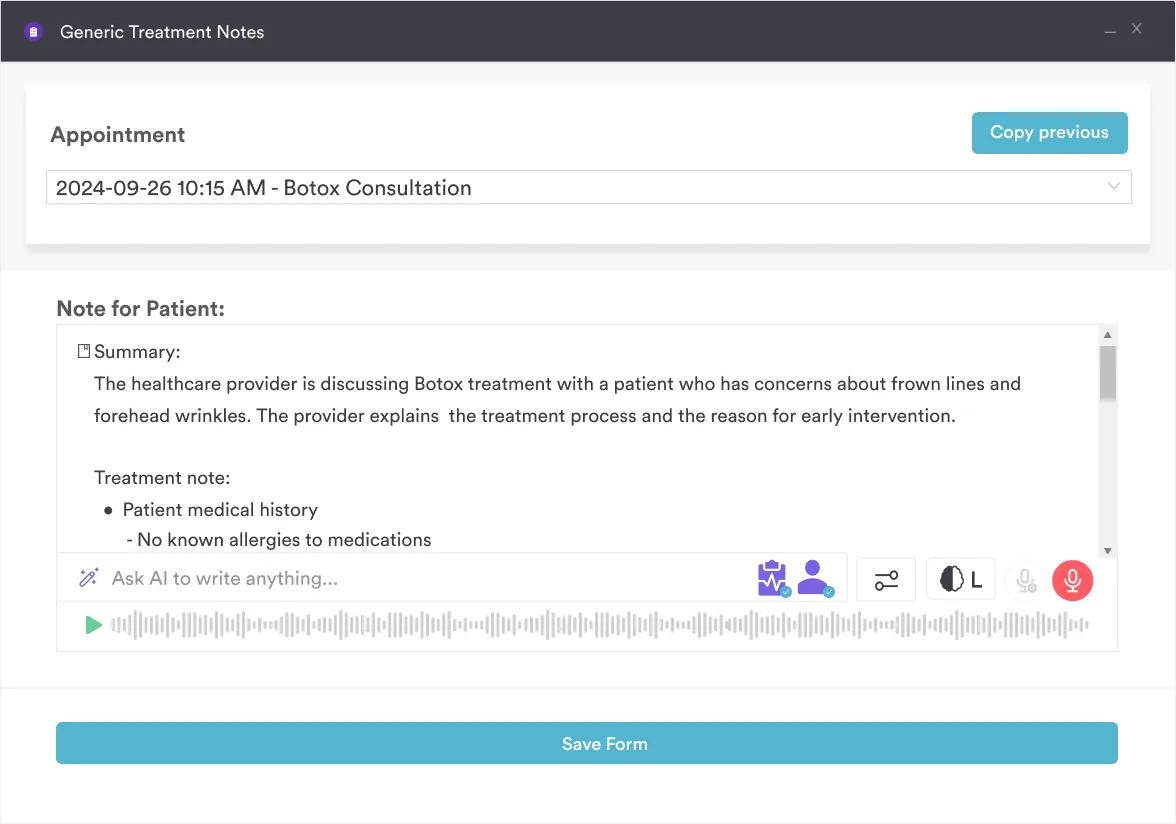
You can also use an AI scribe like Pabau Scribe, our AI scribe, to summarize key assessment findings into clinical notes. That creates an audit trail and cuts down on manual transcription errors.
Eating disorder diagnoses map to ICD-10-CM codes in the F50 range. Correct coding supports billing accuracy and makes sure your documentation reflects the specific presentation:
Your worksheet should map directly to these codes. If assessment confirms restricting-type anorexia, for example, you document F50.01. Pairing the same worksheet with appointment management and follow-up tracking then lets you monitor treatment response at each visit.
Eating disorder worksheets translate well to virtual sessions. Send the form to the client ahead of a telehealth appointment, have them complete it on their device, and review sections together on the video call. This gives clients time to think and reduces the sense of being put on the spot. You can also share your screen to walk through sections collaboratively.
Store completed forms in your client portal so both you and the client can reference earlier assessments. This supports patient portal engagement and continuity across sessions and providers, which matters when a client is in group treatment with a therapist, dietitian, and psychiatrist.
Treating it as a one-time tick box. Some clinicians administer the worksheet at baseline and never revisit it, missing the chance to track progress and adjust treatment. Schedule readministration into your standard protocol (for example, intake, month 2, month 4, and discharge).
Skipping the relapse prevention and recovery goals sections. Many clinicians complete the assessment half and then stop. The planning sections are where collaborative treatment direction and client buy-in come from.
Using the same template for every eating disorder. ARFID, for instance, involves food avoidance driven by sensory or texture concerns rather than the body image preoccupation seen in anorexia. Adapt your worksheet, or keep several versions, to match the likely presentation.
Leaving worksheets in plain-text email or unsecured storage. This puts you in breach of HIPAA and erodes client trust. Always use a secure EHR or compliant digital platform.
Not sharing results with the client. Worksheets are collaborative tools. Review the findings together, explain what the patterns mean, and use them to set treatment goals as a team.
Avoiding these pitfalls keeps worksheets a living part of treatment rather than a one-off intake form.

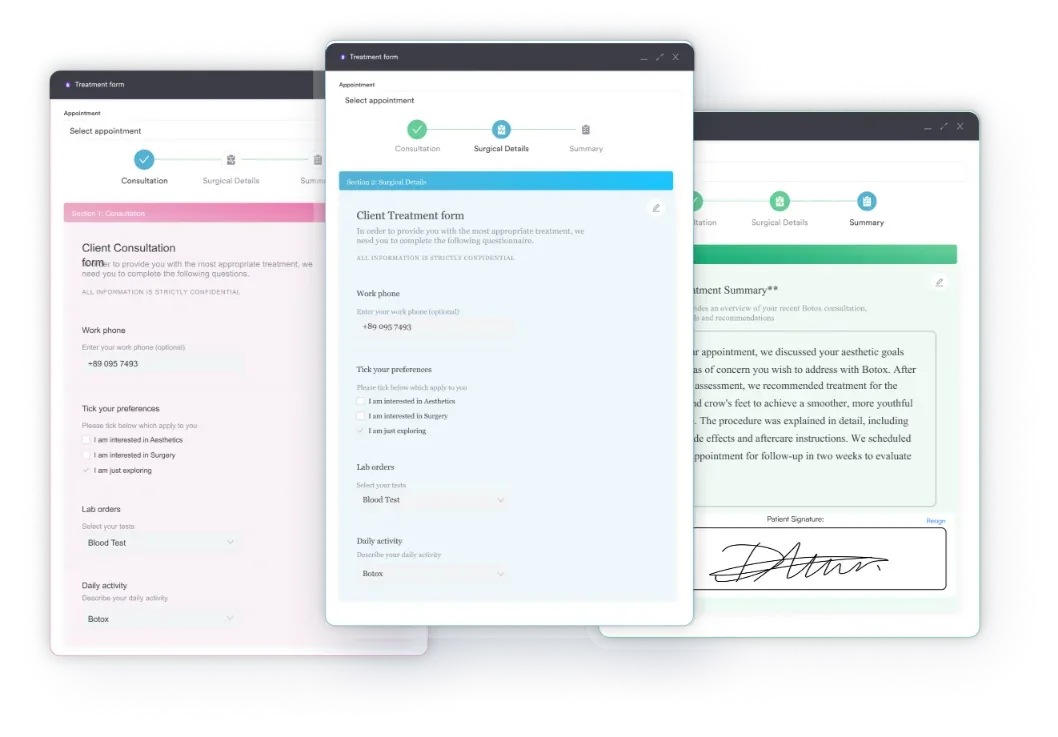
Pabau’s digital forms and secure client records make it simple to store, track, and share eating disorder worksheets throughout the therapy process.

A worksheet is the foundation of safe, evidence-based assessment and treatment planning. Whether you’re a therapist, dietitian, or psychiatrist, a standardized approach helps you capture what you need to diagnose accurately, tailor treatment, and track progress over time.
The worksheet you download should align with your clinical framework (CBT-E, DBT, RO-DBT, or an integrated model), map to DSM-5-TR and ICD-10 criteria, and be stored securely in a HIPAA-compliant system. Get those three right and you support better client outcomes, cleaner documentation, and more accurate billing.
Ready to streamline your eating disorder assessments? Book a demo to see how Pabau helps you manage, store, and track worksheets as part of one clinical workflow.
Want to deepen your eating disorder assessment skills? These resources are a good place to start:
An eating disorder worksheet is a structured clinical form used by therapists, dietitians, and psychiatrists to evaluate DSM-5-TR diagnostic criteria for eating disorders including anorexia nervosa, bulimia nervosa, binge eating disorder, ARFID, and OSFED. It captures eating behaviors, body image concerns, emotional factors, and functional impact to support diagnosis, treatment planning, and outcome tracking.
The worksheets used most in recovery are self-monitoring food and mood logs, CBT thought records, coping skills and distress tolerance sheets, body image work, meal planning, relapse prevention plans, and recovery goal-setting. Therapists match each to the client’s presentation and stage of treatment rather than relying on a single form.
Readminister the worksheet at regular intervals, typically every 8 to 12 weeks during active treatment, to track progress and check whether interventions are working. This creates a concrete record of change and helps you adjust treatment if the client is not improving as expected.
Enhanced CBT (CBT-E) is recommended as a first-line psychological therapy in NICE guideline NG69 and is used across eating disorder types. DBT is often added for emotional dysregulation, and RO-DBT is used for overcontrolled presentations like restrictive anorexia. A well-designed worksheet helps you identify which approach fits each client.
Eating disorder worksheets are only HIPAA compliant if they are stored securely in a HIPAA-compliant EHR or practice management system. Never store completed worksheets in unsecured email, shared drives, or consumer cloud services. Use a clinical platform with encryption, access controls, and audit logging to protect client data.
Binge eating disorder is coded F50.81 in ICD-10-CM. Other eating disorder codes are F50.01 (anorexia nervosa, restricting), F50.02 (anorexia nervosa, binge/purge), F50.2 (bulimia nervosa), F50.82 (ARFID), and F50.89 (OSFED). Match the code to the specific diagnosis confirmed by your assessment.
Yes. Send the worksheet to the client before the session so they can complete it on their device, then review sections together during the video call. This reduces pressure and gives clients time to reflect. Store completed forms securely in your client portal so both you and the client can reference them across sessions.