Antipsychotic medication list
An antipsychotic medication list is a structured reference that organizes psychi...

2
Last Updated: Oct 13, 2026

Goal setting worksheets turn a patient’s broad hopes for treatment into specific, measurable objectives with a date attached.
The five SMART criteria are specific, measurable, achievable, relevant, and time-bound.
A written goal gives you and the patient one shared reference point to return to at later sessions.
A fixed review rhythm is what keeps goals active, so progress and obstacles both end up on the record.
Practice management software like Pabau stores each worksheet in the client record and flags reviews when they fall due.
Printable sheets for SMART goal formulation, short-term and long-term planning, and weekly progress review. Separate adult, student, and teen versions are included, ready to print or customize for your practice.
Download templateA goal setting worksheet is a structured form that helps a patient name what they want from treatment. It turns a broad hope into concrete steps with a deadline attached. Therapy, counseling, coaching, and rehabilitation practices all use some version of it.
The sheets in this download cover SMART goal formulation, short-term and long-term planning, and progress review. Hand one over in the first or second session and you both leave with the same written plan. Patient engagement holds up better when that plan exists on paper rather than in memory.
Goal setting worksheets are clinical forms that walk a patient through naming priorities, setting realistic targets, and planning the steps to reach them. A verbal agreement in session leaves nothing behind. The worksheet leaves a record you can both revisit and revise as treatment moves on.
In day-to-day practice they do three jobs. They clarify what the patient expects, so you are not quietly working toward different outcomes. They set benchmarks you can measure progress against. And they keep motivation up by making small wins visible.
Structured goal setting runs through most evidence-based modalities, from cognitive behavioral therapy to solution-focused work. The American Psychological Association treats collaborative goal setting as part of sound treatment planning. Internal Family Systems work builds goals around what each internal part wants, and an internal family systems workbook can help structure that process.
Most practitioners run the same five steps, in this order:
Patient care management systems keep completed sheets inside the patient’s record. The worksheet is then on screen during the appointment instead of in a filing cabinet down the hall.
SMART stands for specific, measurable, achievable, relevant, and time-bound. Each criterion closes off one way a goal can stay vague. Working through all five is what makes the goal reviewable months later.
Specific. The goal names exactly what the patient will do. “Reduce anxiety” is a category, not a goal. “Complete a grocery shopping trip without panic symptoms” is specific.
Measurable. Add criteria you can both check against. Frequency works well, so does duration, and so does a confidence rating out of 10.
Achievable. The goal has to sit inside the patient’s current capacity, resources, and timeline. An unreachable target costs motivation, so test feasibility together before it goes on the sheet. For patients with a trauma history, an international trauma questionnaire can flag whether the goal’s pace needs to slow first.
Relevant. The goal has to matter to the patient, not only to the treatment plan. Something that sounds sensible but means little will not survive a hard week. When conflicting internal parts pull a patient toward different priorities, an internal family systems worksheet can separate what each part actually wants.
Time-bound. Attach a date, usually four to 12 weeks out depending on scope. A secure patient portal lets you share the sheet digitally and remind the patient as the review date approaches.
Here is the same goal before and after the framework. The patient arrives saying they want to feel less anxious at work.
The second version can be reviewed in 30 seconds at the start of a session. The first version cannot, which is why it tends to go unmentioned until treatment ends.
Clinical practice usually runs two complementary sheets. Short-term goals cover one to four weeks and target immediate behavior or symptom management. Long-term goals span three to 12 months and address foundational changes. The table sets out the difference.
A common approach is one long-term goal set at the start, broken into two or three short-term stepping stones in the same session. Near-term wins keep the patient moving while the bigger picture stays in view.
One template will not stretch across a nine-year-old, a 17-year-old in school counseling, and a 45-year-old in therapy. Language, layout, and the kind of goal all have to shift with the age group. Tailored tools also cut session friction, which is one of the everyday pressures behind therapist burnout.
Adult sheets assume full autonomy. They work through life domains such as work, relationships, health, and personal growth, and ask the patient to check each goal against their own values. An international personality item pool assessment can clarify which traits are shaping those values before the goal is finalized.
Student sheets for ages six to 12 use plain wording, checkboxes, and smiley-face progress scales. Goals stay concrete. Raising a math score from a C to a B works, so does sitting with a friend at lunch three times a week. Journal prompts for middle-schoolers can extend that same goal into a few minutes of daily reflection between sessions.
Teen sheets for ages 13 to 18 sit in between. The wording stays accessible without being childish, and the goals often touch independence, peer acceptance, or plans after school. An interpersonal effectiveness skills worksheet can turn a peer-acceptance goal into concrete steps for one conversation.
Digital intake forms let you keep all three versions on file and send the right one ahead of the appointment. Nobody then spends session time editing a paper template.
Goal setting is the start of the work, not the end of it. A tracking sheet gives you a fixed structure for reviewing progress weekly or biweekly during active treatment. The patient rates each goal, records what got in the way, and notes what needs to change.
A tracking sheet usually carries six fields:
Working through those fields together keeps the review on the record rather than in memory. It also gives the patient a reason to stay engaged, because the effort they put in between sessions is visible on the page.
Therapy progress notes hold the clinical narrative alongside those ratings. An outcome rating scale adds a standardized measure next to the patient’s own score, which helps when the two disagree.
Patients often stall for reasons that have nothing to do with the goal itself. Where motivation rather than capability is the obstacle, a motivation assessment scale is a faster read than another round of questions.
Practice management for therapists can automate the rhythm. The system flags when a review is due, pulls the original goal into the new form, and keeps a history the whole team can search.
Three things separate a worksheet that gets used from one that gets filed and forgotten:
Workflow automation can hold that third element for you, so the review never depends on somebody remembering it mid-clinic.
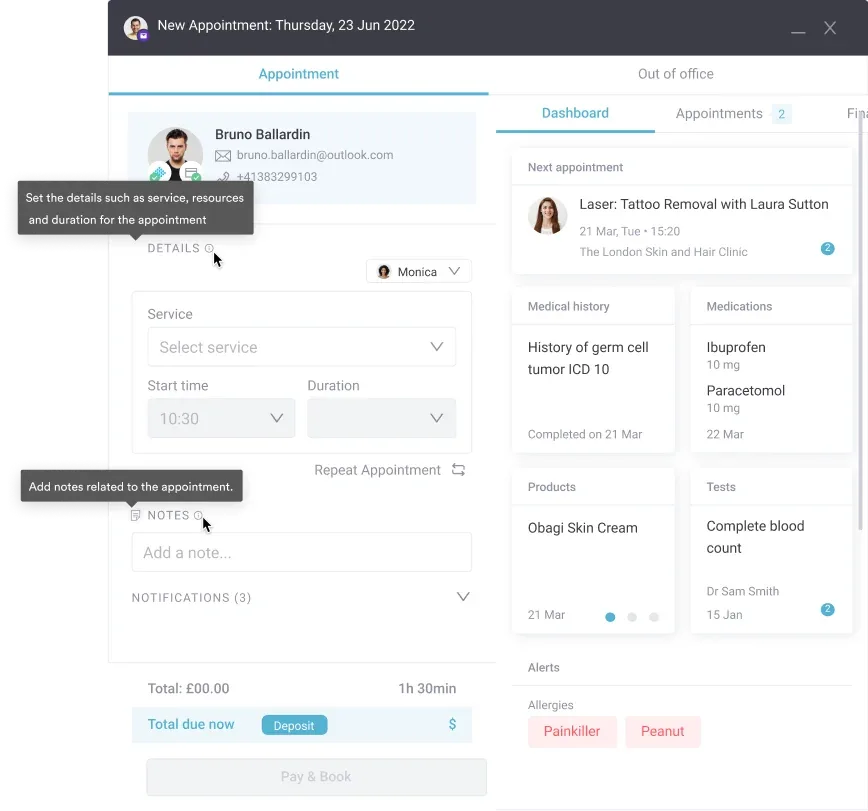
When sheets are scattered across paper files and email threads, goals drift out of the treatment altogether. Digital client records keep them beside the treatment notes, where they stay part of the work.
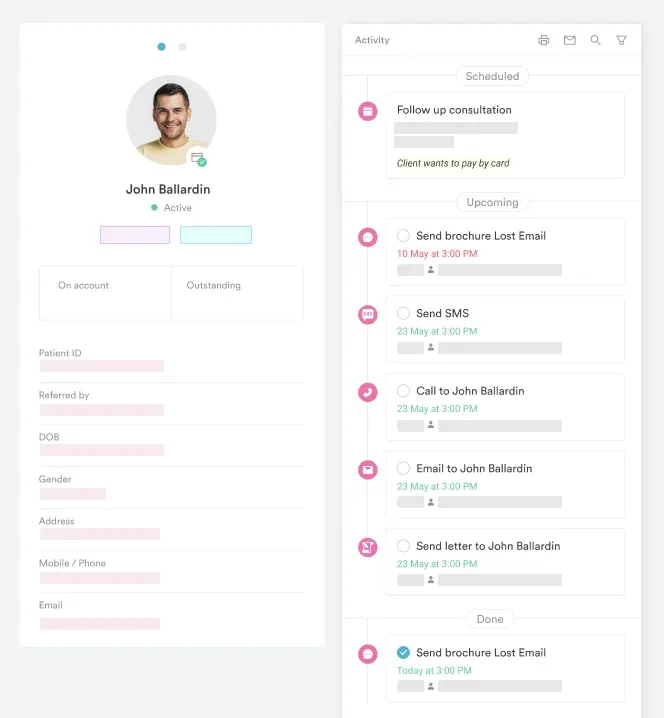
Practices that standardize goal setting tend to see three changes. Attendance improves, because the patient helped write the plan they are showing up for.
Specific targets move faster than general intentions. And the completed sheet doubles as documentation that treatment planning happened.
Psychology practice software built around goal tracking takes out the manual handling. The sheet, the record, and the review date all sit in one system.
For larger groups there is a second benefit. A shared worksheet narrows the variation between practitioners and gives quality reviews something concrete to inspect.
In most practices the worksheet is a PDF. Somebody prints it, the patient fills it in by hand, and it gets scanned and attached to the record days later. The next review then depends on whoever remembers it.
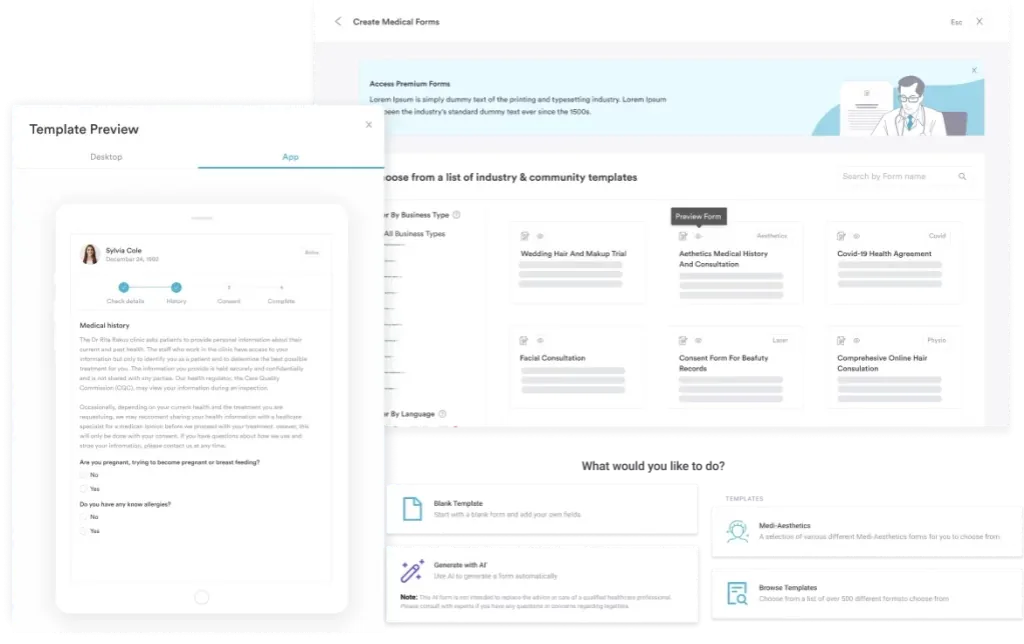
Pabau runs that whole flow in one place. You send the sheet as a digital form before the appointment, and the patient’s answers land straight in their client record. Nothing gets rekeyed, and nothing sits in a scanning pile.
Reviews then run on a schedule instead of on memory. Pabau flags when a goal review is due and opens the tracking form with the original goal already filled in. Every practitioner on the team sees the same history.
The practical result is less admin around each sheet, and fewer goals that quietly disappear after session three.

Send goal sheets as digital forms, store the answers in the client record, and get a reminder when each review falls due.

A worksheet only earns its place if it stays in the conversation. Write the goal properly once, then look at it again on a rhythm you have agreed with the patient.
Pick one cadence and hold it for a quarter before judging the results. Goals that get reviewed stay part of the treatment. Goals that get set once tend to fade by the third session.
Download the sheets above and use them at your next intake. Book a demo to see how Pabau sends, stores, and reviews goal sheets inside the client record.

Need to get to the motivation behind a goal? The find your why worksheet helps patients connect a target to something they actually care about.
Working with a patient in crisis? A mental health safety plan sets out warning signs, coping steps, and contacts before they are needed.
Goals stalling on emotional reactions? primary and secondary emotions worksheet It includes an emotion chain table, a feelings wheel, and reflection prompts to name feelings.
Want goals across every wellness dimension? The 8 dimensions of wellness worksheet guides clients through reflection on eight interconnected wellness dimensions, from health to finances.
Are the patient’s goals shaped by other people? The people pleasing worksheet is a useful companion when relevance is the weak criterion.
A goal setting worksheet is a clinical form that turns a patient’s treatment aims into specific, dated objectives. You normally complete it in the first or second session. From then on it is the reference point for every progress review.
A usable sheet carries the presenting concern, one to three goals in SMART form, and the action steps for each one. It also needs a review date and space to record progress. Fields for obstacles and revisions earn their place at later reviews.
Written goals give both sides one shared reference point, which supports engagement and makes progress visible. Patients with documented goals tend to stay more engaged than those who only agree goals out loud. The record also makes it obvious when a goal needs changing.
Yes. Versions for ages six to 12 use plain wording, checkboxes, and visual progress scales. Teen versions keep the reflection but drop the childish design. Adult versions work through life domains and values instead.
Most practitioners review goals every four to eight sessions, or sooner if the clinical picture shifts. A short review keeps the goal active in the patient’s mind. It also documents the reason behind any change of direction.
SMART stands for specific, measurable, achievable, relevant, and time-bound. Each criterion closes off one route to a vague goal. Working through all five is what makes progress reviewable at a later session.