GLP-1 diet plan
A GLP-1 diet plan is a structured eating framework for patients taking semagluti...

2
Last Updated: Oct 13, 2026

A daily care plan for elderly patients is a structured document that details routines, activities, medication schedules, and care needs across a 24-hour period.
The template includes ADL/IADL assessments, medication tracking, nutrition planning, mobility assessment, and cognitive engagement to ensure comprehensive care.
Regular updates (annually or whenever health status changes) ensure the plan remains person-centred and responsive to changing needs.
Pabau’s digital forms and structured patient records system allow clinics to document, share, and update daily care plans in real time across the care team.
A comprehensive care planning template covering structured daily routines, ADL/IADL assessments, medication tracking, nutritional planning, cognitive engagement activities, and multi-disciplinary care coordination for older adults in various care settings.
Download templateA structured patient records system ensures that every detail of care is documented, accessible, and coordinated across your practice team. Yet many clinics and home care agencies still rely on fragmented, paper-based routines. This makes it impossible to track whether an elderly person’s actual daily experience matches their care plan.
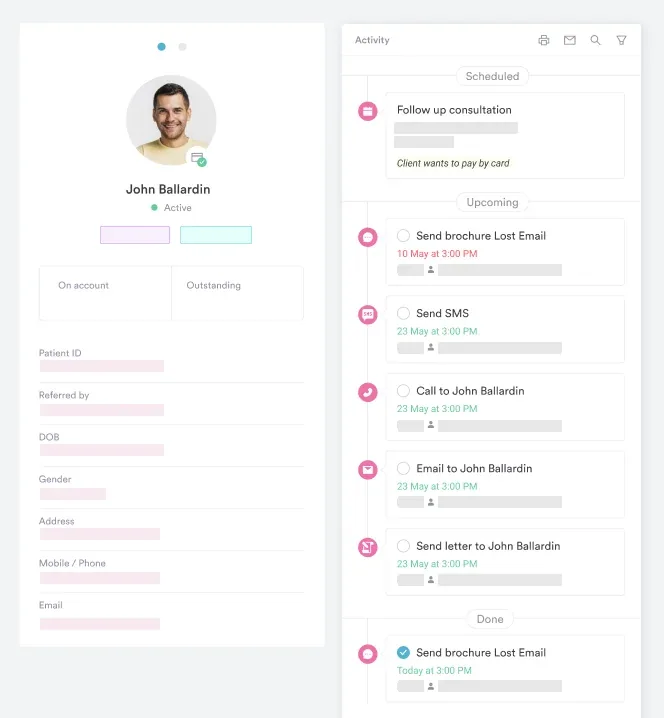
The consequences are real: missed medication doses, overlooked nutrition goals, inconsistent routines that increase anxiety in dementia patients, and gaps in communication between clinical staff, family members, and caregivers.
This guide covers how to build and implement a daily care plan for elderly patients that spans a full 24-hour cycle – from morning routines through evening rest. It includes structured templates, step-by-step implementation guidance, and the regulatory and clinical principles that make person-centred elderly care effective.
A daily care plan for elderly patients is a written document that outlines the structured routines, activities, and care interventions a person needs across each hour of the day. It differs from a clinical diagnosis-focused care plan – instead, it translates clinical needs into actionable, hour-by-hour guidance for direct care staff and family caregivers.
The plan typically covers: wake and sleep times, meal schedules and dietary requirements, medication administration, bathing and personal hygiene, mobility and fall prevention, therapeutic or recreational activities, and rest periods. For elderly people with dementia, the daily care plan is especially valuable because structured routines draw on procedural memory – the type of memory that persists longer than short-term recall in neurodegenerative conditions.
According to CDC guidance on caregiving, a well-designed daily routine reduces anxiety for both the person being cared for and the caregivers providing support. It also provides a documented baseline against which clinicians can measure changes in functional status, behaviour, or health.
Every daily care plan should address the following core areas, tailored to the person’s unique needs and preferences:
Each component should reflect the individual’s comprehensive patient care approach, incorporating their preferences, cultural values, and family input.
Implementing a daily care plan template in your clinic or home care agency follows five practical steps:
ADLs and IADLs form the backbone of any daily care plan. Understanding the distinction helps you identify exactly where support is needed.
Activities of Daily Living (ADLs) are the six fundamental self-care tasks: bathing, dressing, grooming, toileting, eating, and mobility. Every person needs some level of support with these activities as they age – the question is how much.
Instrumental Activities of Daily Living (IADLs) are more complex tasks required for independent living: managing finances, meal preparation, shopping, housekeeping, managing medication independently, using transportation, and using the telephone. Elderly people typically lose IADL abilities before losing ADL abilities, making early intervention in IADLs critical to maintaining independence.
Document the person’s current ability for each ADL and IADL using a standardised scale (independent, needs setup help, needs supervision, needs assistance, completely dependent). This clarity tells care staff exactly how to support each activity. It also provides a baseline to track functional decline or recovery over time.
A structured 24-hour schedule is the operational heart of the daily care plan. It translates the person’s care needs into a concrete, time-based routine that all staff follow consistently.
A typical daily schedule includes: 7–8 AM wake, grooming, and breakfast; 9–11 AM ADL completion (bathing, dressing) and planned activity; 12–1 PM lunch and rest; 2–4 PM engagement activity (therapy, social visit, recreation); 5–6 PM dinner preparation and eating; 7–8 PM evening hygiene and comfort measures; 8–9 PM medication review and bedtime routine; 9 PM–7 AM sleep, with any night-time care needs documented separately. Your clinic scheduling software should log these times. That way, every team member knows exactly when each task is due.
For elderly people with dementia, consistency across all staff members is critical. If one caregiver bathes the person at 9 AM and another at 1 PM, the unpredictability can trigger agitation or anxiety. A fixed daily schedule, known in advance, reduces behavioural distress and makes the day feel safer.
Older adults often take multiple medications, each with specific timing, food interactions, and side effects. The daily care plan must record every medication in simple, actionable language for direct care staff.
Add medication name, dose, route (oral, topical, injectable), and time of administration. Note whether it should be taken with food, side effects to watch for, and any interactions with other medications or supplements. Use automated medication reminders to flag scheduled doses so no dose is missed.
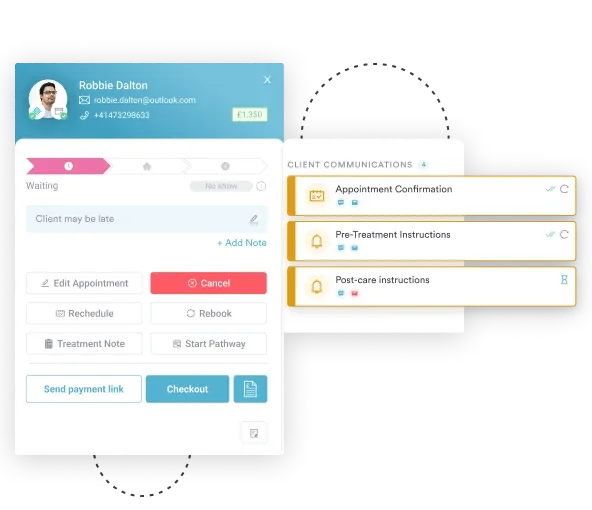
Also record health monitoring observations: daily vital signs (blood pressure, temperature) if indicated by the person’s conditions, weekly weight monitoring for nutritional status, regular skin checks for pressure ulcers, mood and behaviour observation, and pain assessment at least daily. Record these observations in the daily care plan so clinicians can quickly spot changes that warrant medical review.
Malnutrition is a hidden epidemic in elderly care. Many older adults have swallowing difficulties, poor appetite, medication side effects, or cognitive decline that makes independent eating unsafe. The daily care plan must address nutrition with the same rigour as medication.
Document preferred meals and snacks, swallowing precautions (puree, minced, soft texture), fluid intake targets, and feeding assistance needed. Note food allergies, cultural preferences, and eating behaviours such as forgetting they’ve already eaten or hoarding food. Monitor weight monthly and escalate concerns to the clinical lead. Involve family members in meal planning. Food tied to personal memories and family traditions often improves appetite and quality of life.
Elderly care rarely happens in isolation. A person may see a primary care doctor, a specialist (cardiologist, neurologist), a nurse, a physiotherapist, an occupational therapist, a dietitian, and family caregivers. Without a shared, accessible daily care plan, each professional works from incomplete information.
When the physiotherapist notes improved leg strength, it updates the mobility section. When the nurse documents a new medication, the daily schedule auto-updates. When the family caregiver notes a dietary preference, it’s immediately visible to kitchen staff. This shared visibility prevents duplication, catches drug interactions early, and ensures the person receives coordinated, person-centred care.
Schedule regular care plan review meetings (monthly or quarterly) to adjust the plan based on functional changes, new diagnoses, or evolving preferences. Document who attended the review, what changed, and why – this creates a continuity record and demonstrates person-centred care for regulatory review.
A daily care plan is not static. It must be monitored, measured, and updated as the person’s health and abilities change.
Track functional status: Can the person still perform certain ADLs, or is assistance now needed? Is mobility improving or declining? Is cognitive function stable, or are there signs of delirium or advancing dementia? Use standardised tools (Barthel ADL scale, Katz ADL index, or simple functional checklists) to score changes over time. For cognition, our guide to MoCA score interpretation explains what a change in score means.
Monitor patient adherence to care plans – is the person actually following the schedule? Is the person taking their medications? Do planned meals match what the person actually eats? If compliance is poor, the plan may need to be adjusted to fit the person’s actual behaviour and preferences.
According to CDC guidance, clinicians should formally review and update care plans at least annually, or more frequently (every 1-3 months) if there is a significant change in health status, new diagnosis, medication change, or change in living situation. Each update should note the rationale and involve the person and their family in the decision.
Dementia requires special considerations in daily care planning. Structured routines are therapeutic: they reduce anxiety, provide security, and tap into procedural memory that remains intact longer than factual recall. Build dementia care plans around familiar activities and established habits. If the person always took a walk after breakfast, keep that routine. If they love gardening, find adaptive gardening activities they can still enjoy.
For people with chronic conditions (diabetes, COPD, heart failure, arthritis), the daily care plan must integrate disease-specific monitoring: blood glucose checks and insulin timing for diabetes; oxygen saturation and activity tolerance for COPD; sodium and fluid restriction for heart failure; pain management and mobility support for arthritis. The care plan shows how these disease needs fit into the daily routine, not as separate clinical tasks, but as integrated aspects of a person’s life.
Isolation, boredom, and depression are serious health risks in elderly care – as impactful as untreated hypertension. The daily care plan must schedule time for activities that engage the mind, nourish social connections, and support emotional wellbeing.
Include: hobbies and interests (reading, music, puzzles, gardening), social activities (visiting with family, phone calls to friends, community groups), spiritual or faith-based practices, reminiscence activities (looking at photo albums, discussing family history), and pet interaction if available. For people with mental health assessment tools, monitor mood regularly using validated scales (PHQ-2 or PHQ-9 for depression screening) and escalate low mood or social withdrawal to the clinical team.
Daily care plans are clinical and legal documents. In the UK, care plans for registered establishments must comply with CQC regulations, which require individualised care plans that reflect the person’s needs, preferences, and goals. In the US, Medicare/Medicaid regulations and HIPAA privacy rules govern how teams document and share care plans. Practices coordinating with a primary care team can consult a HIPAA compliance checklist to confirm their own documentation meets the same standard.
Key compliance points: obtain informed consent before documenting the plan; protect patient privacy using secure, access-controlled systems; involve the person and family in planning; and update the plan when conditions change. Keep clear records of all reviews and modifications, and ensure all staff have documented training on implementing the plan. A well-maintained daily care plan shows that care is person-centred, individualised, and responsive to needs — exactly what regulators expect.
Update the daily care plan immediately if: the person enters hospital or develops a new condition; medications change; there is a significant change in functional status (loss of continence, new fall risk, inability to transfer); the person moves to a different care setting (home to residential, residential to hospital); or the person or family requests changes to preferences or routines.
Schedule formal annual reviews for stable people. Between formal reviews, document any minor adjustments in a running log so the plan stays current. Involve the person, family, and all key team members in the review process – this ensures buy-in and catches issues that clinical staff alone might miss.
Use secure patient portal for family access to keep families informed of plan updates and allow them to provide feedback on what’s working and what needs adjustment. Family input transforms the plan from a top-down clinical document into a collaborative, person-centred tool.

Pabau’s digital forms and patient records system make it easy to create, share, and update individualised daily care plans with your entire team in real time.

A structured daily care plan for elderly patients is more than paperwork – it is the operational blueprint that transforms clinical knowledge into safe, consistent, person-centred care. It ensures the team never misses medications, respects dietary needs at mealtimes, reduces anxiety through routine, and gives every team member a clear role.
Whether your elderly patients live at home, in residential care, or in a clinic setting, the template and approach outlined here provide a strong foundation. Start with the downloadable template above and adapt it to your setting and population. Use it to build a culture where care is coordinated, documented, and continuously improved. See how Pabau helps clinics document and share daily care plans digitally, ensuring consistency and visibility across the entire team.
A daily care plan is a structured document that outlines routines, activities, and care interventions across a 24-hour period, including waking times, meals, medications, ADL/IADL support, mobility, and engagement activities tailored to the person’s abilities and preferences.
Care plans should be formally reviewed and updated at least annually, or every 1-3 months if there is a significant change in health status, new diagnosis, medication change, or functional decline.
ADLs (Activities of Daily Living) are basic self-care tasks: bathing, dressing, grooming, toileting, eating, and mobility. IADLs (Instrumental Activities of Daily Living) are more complex tasks: managing finances, meal preparation, shopping, housekeeping, and using transportation.
Structured daily routines draw on procedural memory – the type of memory that persists longer than short-term recall in dementia. Predictable schedules reduce anxiety, provide security, and help the person know what to expect, which supports emotional wellbeing and reduces behavioural distress.
A daily care plan should involve the person (where cognitively able), family members, clinical staff (nurses, doctors, therapists), direct care workers, and any specialists who care for the person. This multi-disciplinary approach ensures the plan is person-centred and all team members understand their role.
Track functional status using standardised scales, monitor adherence to the plan, and gather feedback from the person and care team. Document observations in a running log and conduct formal reviews at least annually to adjust the plan based on changes in health, abilities, or preferences.