Trauma response test: Free template for clinicians
A trauma response test is a structured screening questionnaire that helps clinic...

3
Last Updated: Oct 15, 2026

A daily routine worksheet for adults is a structured planning tool that breaks the day into morning, afternoon, and evening sections with time blocks for activities, habits, and goals.
The most effective worksheets include time-block tables, goal-setting sections, and weekly review prompts that help users track consistency and adjust routines based on real results.
Regular routine use reduces anxiety, improves sleep quality, increases productivity, and gives adults a sense of control over their day-benefits backed by mental health research.
Practice management software like Pabau lets therapists, coaches, and wellness practitioners assign this worksheet digitally, track client progress, and reference completed forms within clinical notes.
A structured daily routine worksheet designed to help adults establish and maintain healthy daily habits. This comprehensive assessment tool enables healthcare providers to work with patients in developing personalized routines that support mental wellness, productivity, and overall quality of life through systematic daily planning and habit tracking.
Download templateA daily routine worksheet for adults provides structure, clarity, and accountability in a single printable form. Whether you’re working with therapy clients, wellness coaching patients, or health coaching groups, this template simplifies the process of helping adults build routines that reduce anxiety and support long-term wellbeing.
Used by therapists and coaches who prioritize patient care management, the worksheet transforms vague intentions (“I should have a better routine”) into concrete, trackable daily actions. Clinical teams following an alcohol withdrawal nursing care plan rely on the same structured daily tracking for monitoring recovery.
A daily routine worksheet for adults is a structured planning document that helps individuals organize their day across three time periods: morning, afternoon, and evening. Each section uses time blocks to assign specific activities, habits, or priorities to scheduled time slots.
The worksheet is grounded in clinical evidence that Mental Health America (MHA) publishes on routine-building as a core mental health intervention.
Unlike a simple to-do list, this worksheet maps activities into actual hours of the day. A client sees not just “exercise” but “6:30-7:00 AM: Morning walk.” This specificity — what time management experts call “time blocking” — converts abstract wellness goals into daily commitments with clear start and end times.
The worksheet typically includes four core components:
Clinicians and coaches assign it as homework between sessions to reinforce patient compliance.
The most effective daily routine worksheets share a consistent structure based on what ranking pages and clinical resources recommend. These components make the worksheet practical and usable:
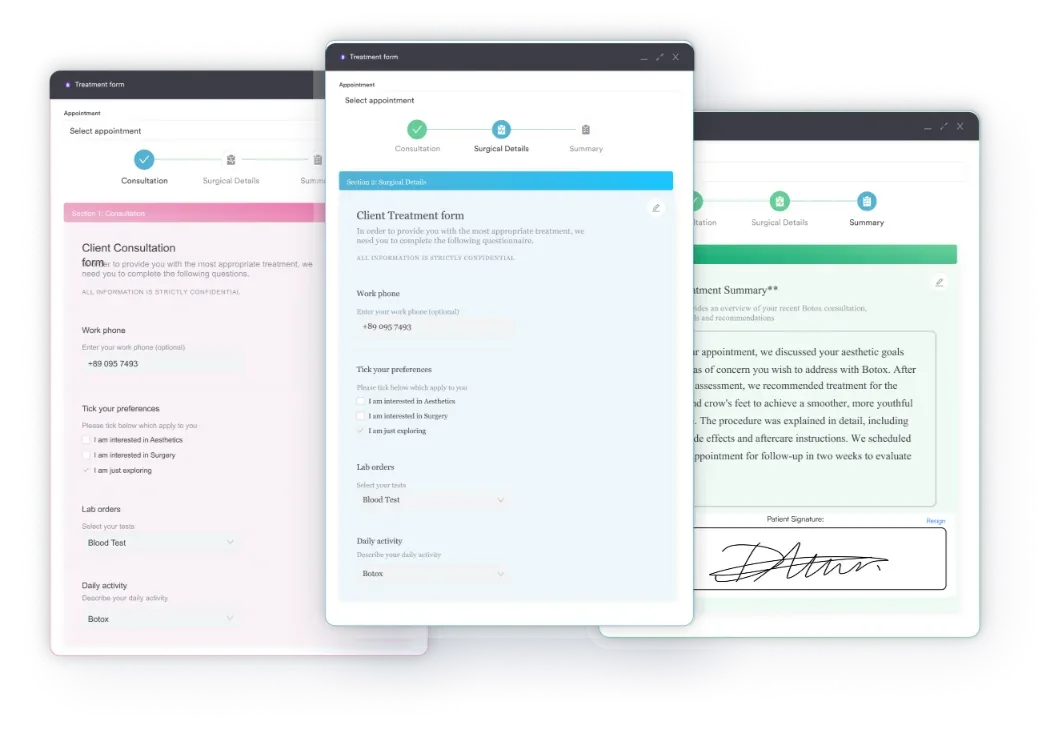
Incorporating digital intake forms into your practice workflow lets clients complete the worksheet electronically, making it easier to track and reference in their records.
Research from Cleveland Clinic and supported by the American Psychological Association shows measurable benefits when adults commit to structured daily routines:
Practices using Pabau can improve patient engagement by assigning the worksheet and tracking completion within their mental health practice management system.
Completing the worksheet is straightforward. Most clients can finish it in 15-20 minutes with light guidance. Follow these five steps:
Most users adjust their first draft after one week of tracking. That’s normal. The worksheet is meant to evolve with your client’s actual schedule and preferences.
As a practitioner, the daily routine worksheet for adults becomes more powerful when integrated into your practice workflow. Assign it during sessions when clients struggle with anxiety, sleep, or lack of structure. Track it between appointments to discuss progress and adjust.
Use your client portal for sharing and tracking progress on the worksheet. Upload the blank template, clients complete it digitally, and you review completed versions during the next session.
Reference it in your clinical notes when a client’s routine is connected to their presenting issue (e.g., “Client has no evening wind-down routine contributing to sleep delay”). Pair the worksheet with AI-powered clinical documentation to automatically record routine-related notes and progress.
For group settings (wellness workshops, coaching cohorts), assign the same worksheet and have clients share one change they made the following week. Peer accountability strengthens habit formation. Many practitioners use this worksheet as the foundation for assigning worksheets to multiple clients at scale through practice management software.

Assign worksheets, track client progress, and reference completed forms in one place — all within Pabau’s secure client portal.

The most underused section of the daily routine worksheet for adults is often the weekly review. This is where the worksheet shifts from a planning tool to a learning tool.
Each Sunday (or your chosen review day), have your client answer:
This reflection takes five minutes but surfaces why certain habits stick and which need adjustment. Many clients discover that adding just one physical movement break cuts their afternoon anxiety in half — insight they would miss without a structured review.
The worksheet’s goal-setting section keeps the routine purposeful. A client following an evening routine because “I should” quits after two weeks. A client following an evening routine because “I want to sleep without waking at 3 AM” sustains it for months. Reference the goals written at the start whenever your client loses motivation between sessions.
Therapists and counselors working with anxiety, depression, or ADHD clients find the daily routine worksheet for adults essential. A structured day reduces executive function demand for ADHD clients. Predictable routines activate the parasympathetic nervous system for anxious clients. Sleep routines directly address depression’s core sleep disturbance. A schizophrenia nursing care plan applies the same structure to routine-based interventions and monitoring for psychiatric symptom management.
Wellness coaches use the worksheet inside their coaching practice software to help clients build sustainable habits. Health coaches assigning the worksheet during weight loss or fitness programs see better adherence because clients have a time block assigned for meal prep or exercise — not a vague intention.
Therapists working with trauma survivors often use routine-building as grounding practice, the structure itself therapeutic.
Practices report that a digital patient portal increases client engagement with homework between sessions. When clients can access the worksheet from their phone, complete it, and see you reviewed it, compliance rises.
A daily routine worksheet for adults transforms vague wellness intentions into actionable, trackable daily plans. Whether your clients struggle with anxiety, sleep, productivity, or habit formation, this structured template provides the framework they need to build consistency and see measurable progress week to week.
Download the free template above and assign it in your next session. Within two weeks, most clients report feeling more in control and less anxious simply because they know what comes next in their day. Practices that prioritize client experience and wellbeing find the daily routine worksheet one of the highest-impact, lowest-effort tools in their toolkit.
Book a demo to see how Pabau’s client portal makes it easy to assign, track, and reference this worksheet in your practice.

Want to pair this with a mood-tracking tool? Emotional scales give clients a simple daily rating scale to log alongside their routine.
Working on assertiveness alongside daily structure? The communication styles worksheet helps clients recognize passive, aggressive, and assertive patterns.
Supporting a client through recovery routines? The AA Step 12 worksheet gives clients structured reflection prompts to use alongside their daily plan.
A daily routine worksheet for adults is a structured planning template that breaks the day into morning, afternoon, and evening time blocks. It includes space to assign specific activities, track habits, set goals, and reflect weekly on what’s working and what needs adjustment. It’s used by therapists, coaches, and wellness practitioners to help clients build consistent habits that reduce anxiety, improve sleep, and increase productivity.
Download the free template above. Fill in your wake and sleep times first, then assign activities to each time block in the morning, afternoon, and evening sections. Include 2-3 personal goals at the top. Add a checklist to track which routines you complete each day. Review and adjust weekly based on what felt realistic and what didn’t.
An effective daily routine for adults includes: morning hygiene and movement (30-60 minutes), a priority task or work block, meals at consistent times, afternoon movement or stress relief, an evening wind-down 1-2 hours before bed, and consistent sleep and wake times. Include one goal-related activity daily (exercise, meditation, journaling) that connects to your personal goals.
Structured routines reduce anxiety by lowering decision fatigue and creating predictability. Regular sleep routines improve sleep quality and regulate mood. Consistent exercise in your routine reduces depression and anxiety symptoms. The weekly review builds self-awareness and agency — you see what works for you and adjust. The accountability of tracking completion strengthens motivation and habit formation.
Assign the blank worksheet during a session and review the completed version at the next appointment. Discuss which routines the client maintained and which were hard. Adjust the routine based on real feedback, not guesswork. Use it as homework between sessions to reinforce the changes you’re working on together. Track the client’s routine progress in your notes to reference when discussing anxiety, sleep, or mood changes.
Yes. Download the free template above in PDF format. Print it, complete it by hand, or fill it out digitally. It includes sections for morning, afternoon, and evening routines; goal setting; habit tracking; and weekly review prompts. Designed for therapists, coaches, and wellness practitioners to assign to clients.