

HCPCS code E0198: Water pressure pad billing guide
HCPCS code E0198 is a water pad for a standard mattress HCPCS code E0198 is the ...

Last Updated: Oct 13, 2026
J0895 is the HCPCS Level II code for injection, deferoxamine mesylate, 500 mg.
Deferoxamine is an iron chelator, and payers cover it for a narrow list of iron overload diagnoses. Medicare pays it under Part B at ASP plus 6%, and excludes chelation for cardiovascular disease outright. Medicare Claims for Part B drugs follow the same claiming channels and billing models used across procedure codes.
Let Pabau's smart automation suggest the right codes, reduce claim denials, and keep your practice compliant—effortlessly.
Automate repetitive tasks and focus on what matters most—your patients.
Reduce coding errors and ensure compliance with the latest regulations.
Clean claims, fewer denials, and faster reimbursements.
Powerful insights and reporting to help your practice thrive.
HIPAA compliant SOC 2 certified GDPR-compliant Trusted by 4,000+ clinics worldwide

HCPCS Code J0895 is the J-code for injection of deferoxamine mesylate, 500 mg, a physician-administered iron chelator.
One unit equals 500 mg, so a 1,500 mg dose bills as 3 units, and fractional units round up rather than down.
Deferoxamine ships in single-dose vials, so every claim line needs either the JW or the JZ modifier.
Medicare covers iron overload and transfusion-dependent thalassemia, and excludes chelation therapy for cardiovascular disease.
Pair the route with its administration code: JA and CPT 96365 for IV, JB and CPT 96369 for the overnight pump.
HCPCS Code J0895 sits in the HCPCS Level II code set, which the Centers for Medicare and Medicaid Services (CMS) maintains.
J-codes cover drugs given by routes other than oral, including intravenous infusion and subcutaneous injection. One billing unit of J0895 is 500 mg of deferoxamine mesylate.
Deferoxamine mesylate is an iron-chelating agent. The FDA approves it for chronic iron overload from transfusion-dependent anemia and for acute iron intoxication.
It binds free iron in the bloodstream and forms a water-soluble complex called ferrioxamine, which the body clears through urine and feces. Practices running chelation protocols will know it as the generic form of Desferal, the Novartis brand.
The drug goes in as a slow IV infusion over 8 to 24 hours, or through a subcutaneous pump overnight. That route choice decides which administration code and which modifier belong on the claim.
Practices that record doses inside IV therapy EMR software can feed the administered milligrams straight into the unit calculation. That removes the retyping step where unit counts usually go wrong.
Payer coverage for J0895 tracks the FDA-approved indications closely. Bill outside them and the claim is denied, with overpayment recovery possible if an audit follows. The table below shows where the line sits.
The cardiovascular chelation exclusion is firm. Medicare has no national coverage determination for chelation as a cardiovascular treatment. Most commercial payers hold the same position in their clinical policy bulletins, including Aetna Clinical Policy Bulletin 0234.
Every J0895 claim needs a supporting ICD-10-CM diagnosis code that proves medical necessity for iron chelation. Missing or unsupported diagnosis codes drive a large share of J0895 denials. Cross-check your code list each October, when the annual ICD-10-CM update takes effect.
Use the most specific code the record supports. E83.10 is acceptable when documentation does not identify the type, but payers increasingly want specificity. E83.110 and E83.111 both sit under the E83.11 parent, which is not billable on its own.
For a thalassemia patient, code the underlying hematologic condition alongside the iron overload code. Practices on metabolic health software can hold both codes against the same treatment plan, so neither drops off the claim.
J0895 is billed per 500 mg, so every 500 mg administered equals one unit. Miscounting units is the single most common cause of J0895 denials. Document the calculation in the clinical record before the claim goes out.
Unit calculation formula: total dose in mg divided by 500 mg equals the units to bill.
Rounding rules: round up to the nearest whole unit when a dose does not divide evenly by 500 mg. The Medicare Claims Processing Manual, Chapter 17, sets that rule for fractional drug units. A 1,200 mg dose therefore bills as 3 units, not 2.
Deferoxamine ships in single-dose 500 mg vials, which puts J0895 under the CMS discarded-drug rules. Append JW for the amount discarded from a partially used vial, and JZ when nothing is discarded.
CMS has edited claims for single-dose container drugs missing both modifiers since October 2023.
Bill only for the amount actually given, and let JW carry the discarded remainder. Most payers also apply a maximum units per day limit that follows FDA dosing guidance, so unusual unit counts trigger automated edits.
CMS pays HCPCS Code J0895 under the Part B drug benefit using the Average Sales Price (ASP) method. Payment equals ASP plus 6%, refreshed each quarter through the CMS Physician Fee Schedule lookup.
ASP moves with manufacturer pricing and generic competition, so the amount per unit changes four times a year. The same method sets the rate for other Part B infusion drugs, including infusion drugs, including J1364. Verify the current quarter’s rate before you estimate reimbursement.
Check the CMS ASP drug pricing files at the start of each calendar quarter, in January, April, July, and October. The J0895 rate can shift by 10 to 20% between quarters when generic competition intensifies. Build a quarterly rate check into your revenue cycle calendar instead of reusing last quarter’s figure.
The place of service code on the claim decides which rate applies. Most infusion practices bill the non-facility office rate, which is the higher of the two. Hospital outpatient departments and ambulatory infusion centers bill the facility rate, because the facility’s OPPS payment already covers the practice expense.
Check the ASC status for J0895 against current CMS ASC payment indicator files each year, because the indicator can change with OPPS and ASC updates. Third-party sources show an active ASC indicator, so confirm it against CMS data before you bill in that setting.
Coverage policies for iron chelation vary by payer and plan, but three themes repeat. Payers support transfusion-dependent iron overload, restrict hemochromatosis coverage to patients who cannot tolerate phlebotomy, and exclude cardiovascular chelation. Check the applicable Local Coverage Determination (LCD) before you bill a Medicare patient. When a claim on this code comes back unpaid, the denial reason codes on the remittance name the cause.
Cite the specific policy document in your notes, and treat every policy as temporary. Coverage that applied last year may not apply today. Confirm coverage for each new patient before the drug is administered.
Modifiers on a J0895 claim do two jobs. They tell the payer how the drug was given, and they flag the clinical circumstances that decide whether the claim gets paid. A wrong or missing modifier sends the claim to the denial queue.
Deferoxamine mesylate is a physician-administered drug billed under the buy-and-bill model. The practice buys the drug, administers it, then bills the payer for both the drug and the administration service. An error anywhere in that chain surfaces later as a claim problem.
Claims management software that links drug inventory to claim generation keeps the milligrams administered and the units billed in step. Stock tracking logs the vial and lot number against the treatment note at the same time.
The NDC number identifies the exact commercial product dispensed. Submitting the wrong NDC, or leaving it off when a payer requires it, gets the claim rejected before adjudication. CMS publishes a quarterly drug HCPCS crosswalk file, and manufacturer NDCs change when products are reformulated or redistributed.
The 11-digit claim format is 5-4-2 without hyphens, so 0078-0467-61 goes on the line as 00780046761. The FDA’s DailyMed listing carries the current Desferal package NDCs. Check every NDC against the current CMS quarterly ASP file before you submit.
Most J0895 denials trace back to a short list of predictable errors. Catching them before submission beats working a denial queue afterward.
Payers auditing J0895 claims look for lab values and clinical findings in the record, not just a diagnosis code on the claim. Serum ferritin and transferrin saturation are the two numbers they expect to see trended over time.
Structured patient records make that trend easy to produce on request. Pulling the same values out of scanned PDFs costs a coder hours. Lab result tracking keeps every ferritin reading attached to the visit that prompted it.
The baseline matters just as much. Digital intake forms capture history, contraindications, and prior therapy before the first infusion goes in.
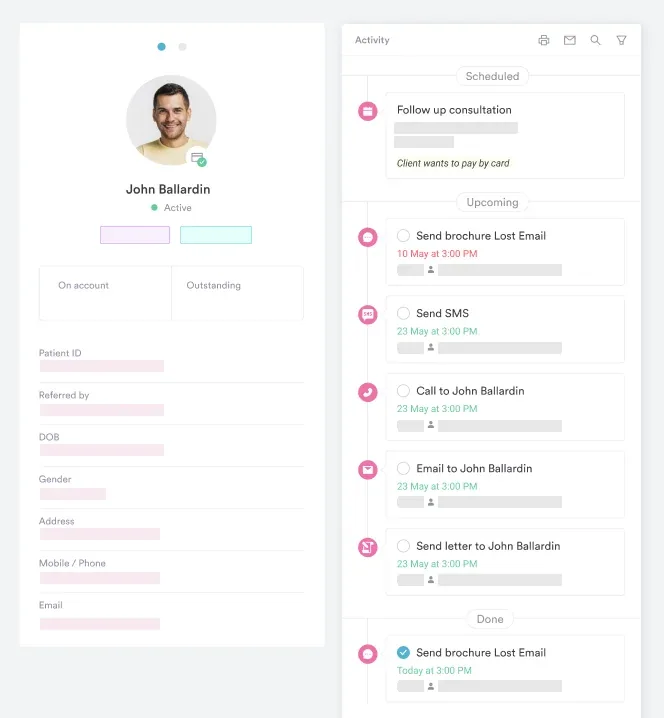
An IV therapy intake form gives you a repeatable structure for that baseline assessment. When a payer wants written confirmation of the qualifying condition, a diagnosis letter template saves the physician drafting one from scratch.
J0895 rarely appears on a claim by itself. Iron chelation infusions need administration codes, and the underlying condition often brings related drug therapies with it. Cross-referencing these codes keeps the claim aligned with the service delivered.
Report the administration code that matches the route actually used. Billing 96365 for an overnight subcutaneous pump is a route mismatch, and payers catch it against the JB modifier on the drug line.
When J0895 shares a claim with an infusion administration code, append modifier 59 to the administration code rather than to J0895. Every claim line for a single-dose container drug also needs JW or JZ. Review each payer’s drug billing policy once a year.
Most practices calculate J0895 units by hand. Someone reads the infusion note, divides milligrams by 500, rounds, then types a number into the claim. The dose lives in one system and the claim in another, so a transcription slip stays invisible until the denial arrives.
Practice management software like Pabau keeps the treatment note, the drug record, and the invoice in one place. The milligrams recorded at the chair are the milligrams the claim is built from. The unit count comes out of the record instead of someone’s mental arithmetic.
Pabau also stores payer rules per plan, so a cardiovascular diagnosis on a chelation claim gets flagged before submission rather than after. Lab results, consent, and the physician order sit on the same record, which is the first thing an auditor asks for.
Esteem Life Medical Group runs patient records, charting, and reporting in Pabau for exactly that reason. Every subscription includes every feature, so none of it sits behind a higher tier.
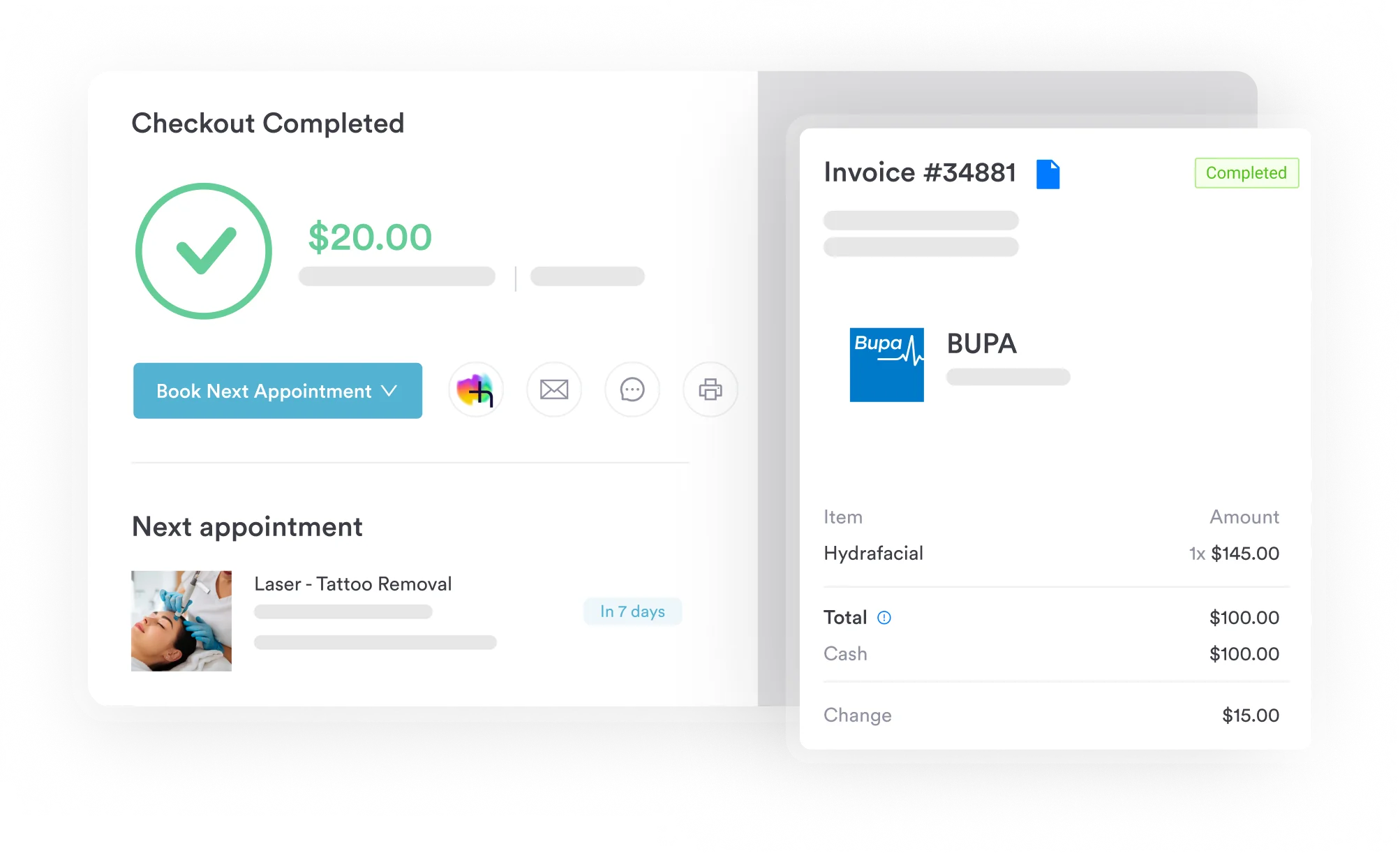

Pabau links the dose recorded at the chair to the units on the claim, and flags payer rules for iron chelation before submission. Fewer unit errors means fewer reworked claims for your billing team.

J0895 looks simple and denies often, usually because of the unit count rather than the clinical picture. Fix the unit math, pair it with a diagnosis payers accept, and most claims pay first time.
Two habits do most of the work. Verify the current quarter’s ASP rate before you quote a number. Check the diagnosis against the coverage table before the drug goes in the line.
Confirming coverage after the infusion is the expensive version of this article. The drug is already bought and already given, and the write-off lands on your practice.
Pabau keeps the dose, the diagnosis, and the claim on one record, so those checks happen before submission instead of after. Book a demo to see how Pabau handles J0895 and other physician-administered drug billing.

Billing the other chelating agent? HCPCS Code J0600 covers edetate calcium disodium, which carries its own unit math and coverage rules.
Running other Part B infusion drugs? HCPCS Code J1322 walks through weight-based dosing and unit calculation for a weekly enzyme replacement infusion.
Coding a bleeding gastric ulcer? ICD-10 code K25.0 covers the three chart details needed to code a gastric ulcer with hemorrhage.
Coding a perforated peptic ulcer? ICD-10 code K27.1 covers peptic ulcer perforation coding when the gastric or duodenal origin is unconfirmed.
Need another J-code worked example? HCPCS Code J0153 shows how a 1 mg billing unit changes the arithmetic on every claim line.
J0895 is the HCPCS Level II billing code for injection of deferoxamine mesylate, 500 mg. Deferoxamine is an iron chelator used for chronic iron overload from transfusion-dependent anemia, hereditary hemochromatosis when phlebotomy is contraindicated, and acute iron intoxication. Each billing unit represents 500 mg of drug administered.
Bill 3 units. J0895 represents 500 mg per unit, so divide the total dose by 500: 1,500 divided by 500 equals 3 units. Round up to the next whole unit when a dose does not divide evenly, as the Medicare Claims Processing Manual requires. A 1,200 mg dose bills as 3 units, not 2.
Yes. Deferoxamine mesylate comes in single-dose vials, so every J0895 claim line needs one of the two. Use JW to report the milligrams discarded from a partially used vial, and JZ to attest that nothing was discarded. Claims for single-dose container drugs that carry neither modifier fail CMS edits.
No. Medicare has no national coverage determination for chelation therapy as a cardiovascular treatment, and Medicare Administrative Contractor LCDs exclude the indication. Claims submitted with a cardiovascular diagnosis will be denied. If a patient insists on the service, issue an Advance Beneficiary Notice and append modifier GY before administering.
Medicare reimburses J0895 at ASP plus 6%, recalculated each calendar quarter. Because deferoxamine mesylate faces generic competition, the rate moves between quarters. Verify the current rate with the CMS Physician Fee Schedule lookup at the start of each quarter, before you estimate patient cost-sharing or expected revenue.
J0895 carries an ASC payment indicator in most CMS payment files, but the indicator can change with annual OPPS and ASC updates. Verify the current ASC status directly from CMS ASC payment indicator files before billing in that setting. Third-party sources often lag behind the CMS quarterly updates.
Yes, with conditions. Medicare and most commercial payers cover deferoxamine mesylate for hereditary hemochromatosis when therapeutic phlebotomy is contraindicated. Severe anemia and poor venous access are the usual reasons. The record must document the specific contraindication and include supporting lab values. Code it as E83.110 rather than the non-billable E83.11 parent.



