Despina Petrushevska
Nursing care plan for aggressive behavior
A nursing care plan for aggressive behavior is a structured clinical document fo...

2
Last Updated: Oct 26, 2026
Free PDF 2 pages, print-ready Clinician-reviewed
Download your free cold stimulation test template Cold Stimulation Test Template A standardized clinical assessment form for documenting peripheral vascular responses to cold exposure, including baseline measurements, stimulation parameters, finger temperature recovery times, and clinical interpretation guidance for Raynaud’s phenomenon diagnosis. Download template The cold stimulation test template provides clinicians with a structured approach to […]
A standardized clinical assessment form for documenting peripheral vascular responses to cold exposure, including baseline measurements, stimulation parameters, finger temperature recovery times, and clinical interpretation guidance for Raynaud’s phenomenon diagnosis.
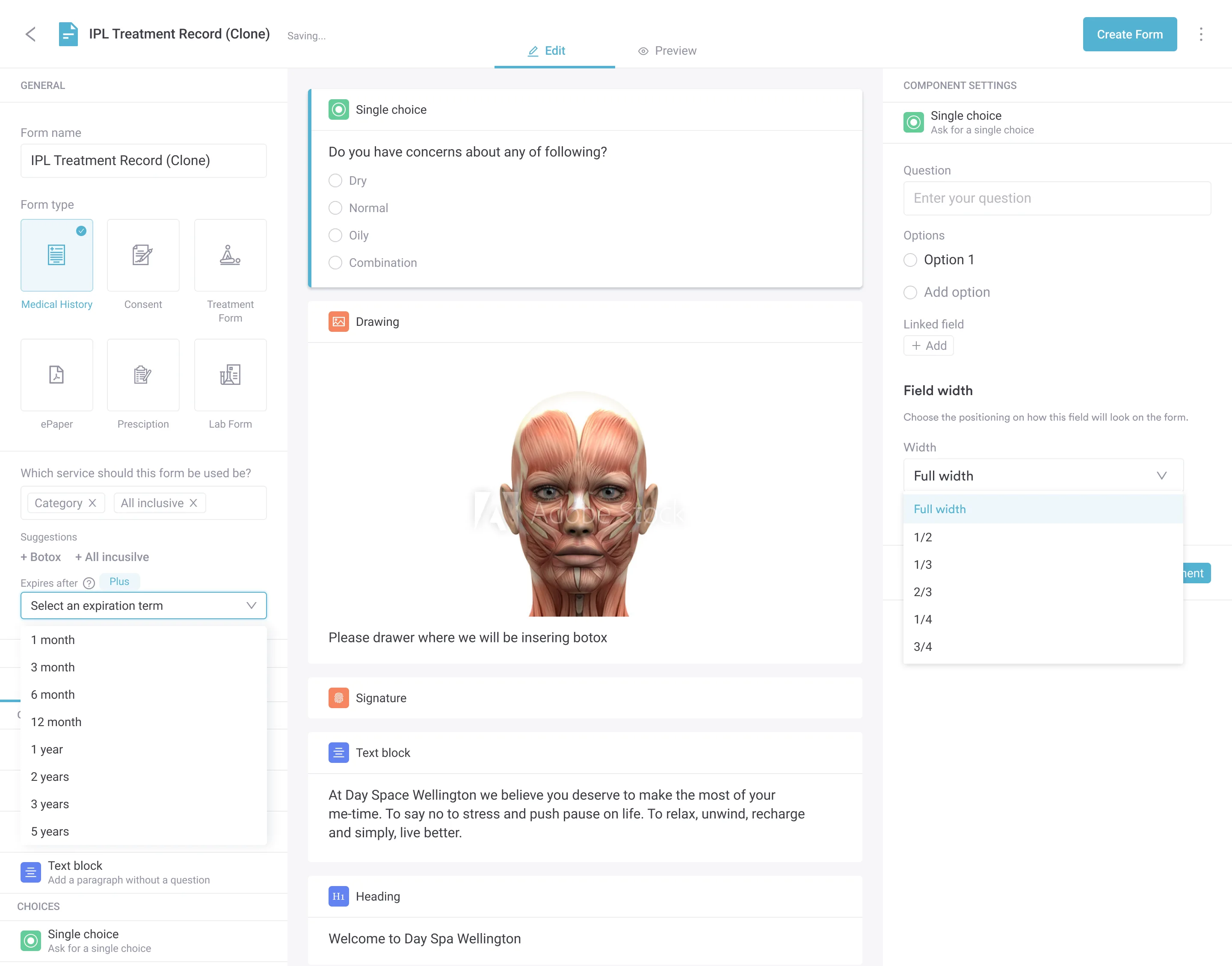
Upload this PDF, or any form you already use, and Pabau's AI Form rebuilds it with tick boxes, text fields and a signature. Attach it to the treatment once, and every patient gets it on time.
AI Form rebuilds the consent, history and aftercare forms you already use. You review each one, then publish.
Patients complete forms on their phone before they arrive, so the front desk stops retyping paper.
Every signed form is versioned and attached to the treatment record, ready when you need it.
Set how long a consent stays valid. Returning patients skip forms they have already signed.
Supports HIPAA and GDPR compliance AES-256 encryption 4.8 on G2 4.7 on Capterra Trusted by 4,000+ practices worldwide

The cold stimulation test template is a standardized form for recording how a patient’s fingers respond to cold and how long skin temperature takes to recover.
The test helps diagnose Raynaud’s phenomenon by objectively recording skin temperature before, during, and after ice-water immersion.
Finger temperature that takes 20 minutes or longer to return to baseline is considered a positive result for vascular dysfunction.
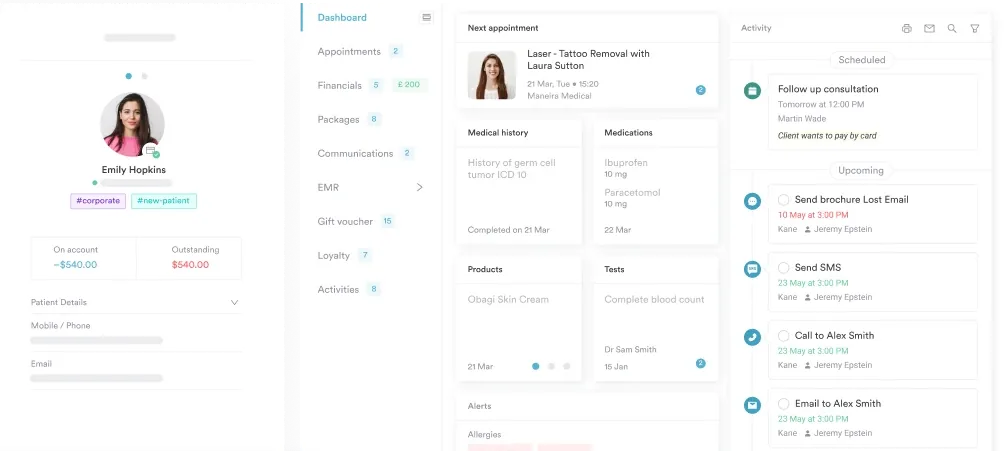
Digital forms in practice management software like Pabau capture baseline vitals, temperature readings, and clinical interpretation in one patient record.
The cold stimulation test template provides clinicians with a structured approach to document and interpret peripheral vascular responses. Whether you’re working in dermatology, rheumatology, or vascular medicine, this template standardizes how you record baseline skin temperature, cold-exposure parameters, and the recovery-time measurement that separates a normal response from a pathological one.
A cold stimulation test template is a clinical documentation form that captures how a patient’s fingers respond to controlled cold exposure. The test involves briefly immersing the patient’s fingers in ice water, then measuring how long skin temperature takes to return to baseline.
This template creates a permanent clinical record of:
The cold stimulation test (CST) is used to diagnose Raynaud’s phenomenon, a vascular condition where small blood vessels in fingers or toes constrict excessively in response to cold or stress. Primary Raynaud’s occurs without an underlying connective tissue disease. Secondary Raynaud’s accompanies conditions like scleroderma, lupus, or rheumatoid arthritis. The template helps clinicians distinguish between these presentations by documenting the pattern and severity of the vascular response.
Storing the completed template in Pabau’s digital client record keeps the data searchable, easy to pull up at follow-up visits, and flagged in the patient’s chart if repeat testing is needed.
The cold stimulation test template serves multiple healthcare specialties and clinical scenarios.
An occupational therapy platform can store each completed scale beside the patient’s goals and session history.
Standardized documentation: Every clinician in your practice records the same parameters — baseline temperature, immersion duration, water temperature, color phases, and recovery time. That consistency lets you compare results across visits or between team members with confidence.
Objective measurement: Recovery time is a quantifiable endpoint (for example, 12 minutes versus 25 minutes) rather than a subjective observation. This precision strengthens your diagnostic confidence and provides clear data to discuss with patients or specialists.
Compliance and audit trail: A documented cold stimulation test template creates a permanent record that meets clinical governance standards (CQC in the UK, HIPAA in the US). Should a patient later develop systemic complications, your early objective assessment provides critical historical context for rheumatologists or other specialists.
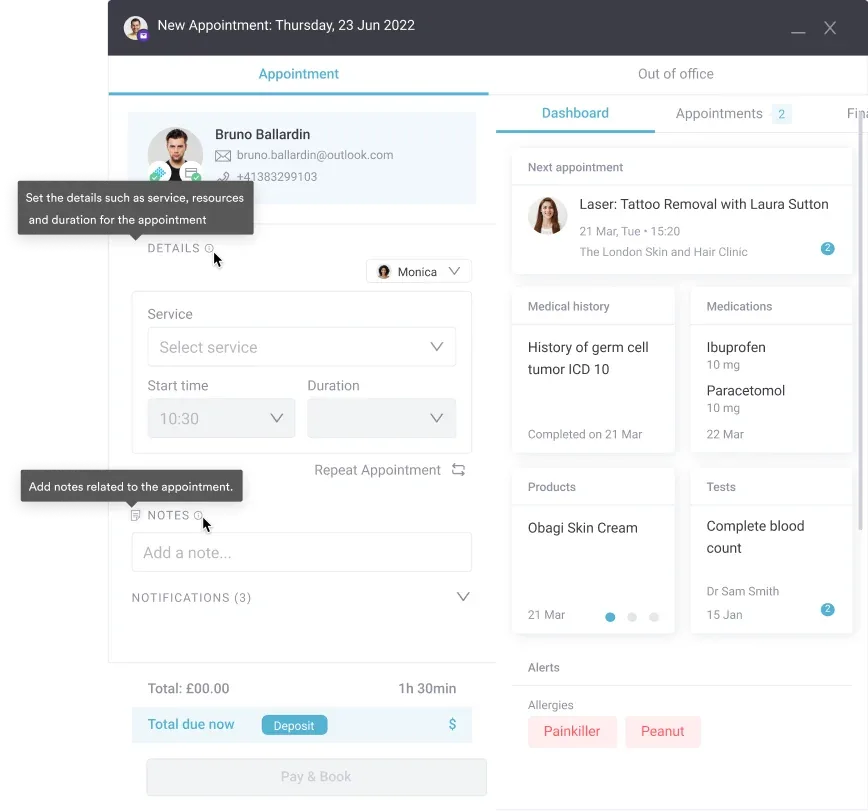
Workflow efficiency: By automating the template’s integration with your patient management system, you reduce paper-based work and the risk of misplaced results. Baseline vitals, temperature readings, and recovery times flow directly into the electronic record.
Patient communication: A completed template with clear interpretation (positive, negative, or inconclusive) gives patients a concrete explanation of their test result and what comes next — reassurance if the result is negative, or a clear referral pathway if secondary Raynaud’s is suspected.
Reading the cold stimulation test comes down to how long finger temperature takes to recover after the ice water, alongside the color phases you observe.
| Result | Recovery time | What you see |
|---|---|---|
| Normal | Returns to baseline within about 15 minutes | Brief pallor, then color and sensation return quickly; mild, short-lived numbness |
| Abnormal (positive) | 20 minutes or longer | Distinct white (ischemia), blue (cyanosis), then red (reactive hyperemia) phases; reduced peripheral blood flow |
A borderline result sits in between. Some patients recover in roughly 15 to 20 minutes without a clear color-phase progression. In these cases, repeat testing under controlled conditions can help. Nailfold capillaroscopy or antinuclear antibody (ANA) testing can further clarify whether primary or secondary Raynaud’s is present.

Automate template management, capture baseline vitals, and integrate test results directly into patient records.

The cold stimulation test template helps clinicians differentiate between two presentations of Raynaud’s phenomenon, each with different prognostic and management implications.
Primary Raynaud’s phenomenon occurs in isolation, without an underlying systemic disease. Patients experience episodic color-changing attacks triggered by cold or emotional stress. On cold stimulation testing, recovery is prolonged, often 20 minutes or more. Nailfold capillaries appear normal and autoantibody tests (ANA, anti-centromere) are negative. Primary Raynaud’s affects an estimated 3-5% of the population and carries a benign prognosis. Most patients respond well to conservative measures such as cold avoidance and stress management.
Secondary Raynaud’s phenomenon accompanies an underlying connective tissue or autoimmune disease. The most common associations are systemic sclerosis (scleroderma), systemic lupus erythematosus (SLE), mixed connective tissue disease, and rheumatoid arthritis. On cold stimulation testing, recovery is severely prolonged, well beyond 20 minutes, and the color phases are marked. Nailfold capillaries show abnormalities such as dilation or dropout, and autoantibody tests are positive. Secondary Raynaud’s requires specialist referral and treatment of the underlying condition.
Your template should prompt documentation of these distinguishing features. A positive test with red-flag signs should automatically flag the need for nailfold capillaroscopy and rheumatology referral.
After completing the cold stimulation test, provide patients with clear guidance on what to expect and when to seek further care.
Integrating these instructions into telehealth follow-up messages ensures patients receive consistent, timely guidance and know when to re-contact your clinic.
Document patient tolerance during the ice-water immersion (for example, withdrew early or completed the full immersion) in the template notes. Some patients with anxiety or extreme cold sensitivity cut the immersion short, which affects the interpretation. Record the actual duration and any patient-reported factors that may have influenced the result.
The cold stimulation test template gives any practice evaluating suspected Raynaud’s phenomenon or peripheral vascular concerns a consistent way to record each assessment. By standardizing the parameters you capture — baseline temperature, immersion details, and recovery time — you create an objective clinical record that supports diagnosis and tracks treatment response over time.
Download the free template above and integrate it into Pabau’s digital forms system to streamline data capture, improve consistency across your team, and ensure every patient assessment meets modern clinical documentation standards.

Assessing a patient’s abdominal pain? stomach pain chart template captures pain location, intensity, onset, and associated symptoms for differential diagnosis.
Caring for a patient after a fainting episode? syncope nursing care plan template covers assessment, NANDA-I diagnoses, interventions, and evaluation criteria for syncope management.
Screening a patient for suspected appendicitis? tiptoe test for appendicitis template documents the tiptoe test result alongside clinical observations and differential diagnosis notes.
A cold stimulation test template is a standardized clinical form that records finger skin temperature before, during, and after ice-water immersion. It measures the time for color and sensation to return to normal. The template is used to diagnose Raynaud’s phenomenon. Recovery of 20 minutes or longer indicates vascular dysfunction.
The ice-water immersion itself is brief, around 20 seconds in the commonly cited protocol. Finger temperature is then recorded every five minutes for up to 20 minutes, or until it returns to baseline. Total test time is usually 20 to 30 minutes including setup, baseline measurement, and documentation.
Normal finger temperature returns to baseline within about 15 minutes, with color and sensation coming back in that window. A recovery time of 20 minutes or longer is considered abnormal and supports a diagnosis of Raynaud’s phenomenon.
The cold stimulation test detects abnormal vascular response but does not directly identify the cause. Both primary and secondary Raynaud’s show prolonged recovery on this test. To distinguish between the two, clinicians use nailfold capillaroscopy, autoantibody testing (ANA), and clinical features.
Advise patients to avoid caffeine and nicotine for 2 hours before the test, as both affect peripheral blood flow. Keep the room warm to prevent stress-induced vasoconstriction. Patients can withdraw their hand early if discomfort becomes intolerable, but this may render the result inconclusive.