Mental health self-care checklist
A mental health self-care checklist is a structured daily tool for tracking the ...

5
Last Updated: Oct 20, 2026

Personal values are the core principles that guide a client’s decisions, relationships, and sense of direction.
Values clarification is a core technique in ACT, CBT, and motivational interviewing, because named values give behavior change a target.
The worksheet lists more than 100 values by life domain, then walks the client down to a ranked top five.
Rate how strongly the client is living each of those five values from 0 to 10, then repeat the rating at discharge.
Store the ranked list in the client’s record so every later session can reference it without asking again.
A 100-plus values list grouped by life domain, with reflection prompts and a ranking page for the client’s top five to ten values. There is also space to record the 0 to 10 alignment rating you revisit at discharge.
Download templateA personal values worksheet gives a client the vocabulary to say what matters most to them. It lists potential values, prompts reflection on each one, and ends with a ranked shortlist you can both work from.
Therapists use it in acceptance and commitment therapy (ACT), cognitive behavioral therapy (CBT), and motivational interviewing.
The ranked list is where most worksheets end. The workflow below carries it further, into a 0 to 10 alignment rating you record at intake and repeat at discharge. That turns a reflection exercise into something you can chart.
A personal values worksheet is a structured self-reflection tool that helps a client identify what matters most to them. It pairs a long list of candidate values with reflection prompts and a ranking page. The output is a short, ordered list you can both refer back to.
It does two jobs at once. It gives clients language for something they usually feel rather than say out loud. It also creates a written reference you return to whenever you set treatment goals.
The worksheet is not a diagnostic instrument. Pair it with a structured intake such as a psychiatric evaluation template when you need diagnostic detail. The values list tells you where the client wants to go. The intake covers what they are presenting with.
Clients can complete it alone between sessions or alongside you in the room. Either way, the answers steer the next few sessions.
Most clients need to see a broad list before they can rank anything. A typical worksheet spreads values across every life domain:
The download includes 100-plus value terms grouped by these domains, plus blank lines for the client’s own. That breadth matters. Clients often pick a value they would never have produced from memory.
Five steps take a client from a blank sheet to a ranked list you can both use:
Record the final ranked list in the client’s clinical record so every later session can reference it without asking again.
Values clarification is the move from vague awareness to explicit commitment. Caring about family becomes wanting two evenings a week with the kids, even in a busy month. The second version can be acted on.
Once a client has named their values, they have a standard to measure decisions against. Someone who ranks authenticity first can ask whether a job fits who they are. Someone who ranks health first can ask whether a choice moves them toward it.
Clarification also surfaces the client’s sharpest conflicts. A client who ranks both financial success and family time while working 70-hour weeks now has that tension in writing. You can name it in session instead of waiting for them to raise it.
The same worksheet does a different job in each modality:
In CBT the ranked list pairs well with a core belief worksheet. The first names the direction the client wants. The second names the belief that keeps blocking it.
Whichever modality you work in, the ranked list keeps the client’s own priorities at the center of each intervention. Automated workflows can surface that list at the top of every follow-up note, so it does not quietly drop out of the treatment plan.
The ranking phase is what makes the worksheet usable. Four steps get you there:
Twenty minutes on the ranking is time well spent. Without it, therapy tends to drift toward whatever the client happens to raise that week. Skipping it usually happens when a caseload is already too full, which is one of the quieter costs of therapist burnout.
A ranked value converts into a goal easily. A client who ranks authentic connection first might commit to one vulnerable conversation a week. A client who ranks creativity might commit to one small project a month.
This is where the worksheet becomes a living document. Each session you can ask how they honored their top value that week, and what got in the way. A thought journal between sessions gives them somewhere to record the answer while it is fresh.
Setbacks then read as a detour from a direction rather than a personal failure. That reframe is easier to hold when the review is a fixed part of the appointment.
A weekly check-in only works if someone books it. Recurring appointments and note templates in therapy practice management software keep the values review on the calendar alongside symptom tracking.
The core exercise travels well, but the wording and the value list should shift with the client group:
Adapt the language, but do not skip the exercise. It works because the client sets the direction, and that holds across every age and setting.
The last step is measurement. At intake, record the top five values and ask the client to rate each one from 0 to 10. The question is how strongly they are living that value right now, not how much they care about it.
Repeat the same five ratings at mid-treatment and at discharge. Symptom improvement usually tracks with rising alignment. Sometimes alignment climbs while symptoms hold steady, which tells you the client is building psychological flexibility.
That second pattern is the useful one. A client may still describe anxiety, but a move from 3 to 8 on authentic connection is progress you can show them. Record the ratings in your psychology practice software alongside any formal measure.
The ratings sit comfortably next to a standard measure. If you already administer an outcome questionnaire, the values scores explain movement the total score cannot. A sharp drop across every value between sessions is worth taking seriously, and it may call for crisis intervention strategies.
A completed worksheet usually ends up in a filing cabinet, a scanned folder, or nowhere at all. Six weeks later, nobody can say which five values the client ranked.
Practice management software like Pabau handles this differently. You upload the worksheet once as a digital intake form and send it to the client’s portal before their session. Their answers land straight in the client record, with no scanning or retyping.
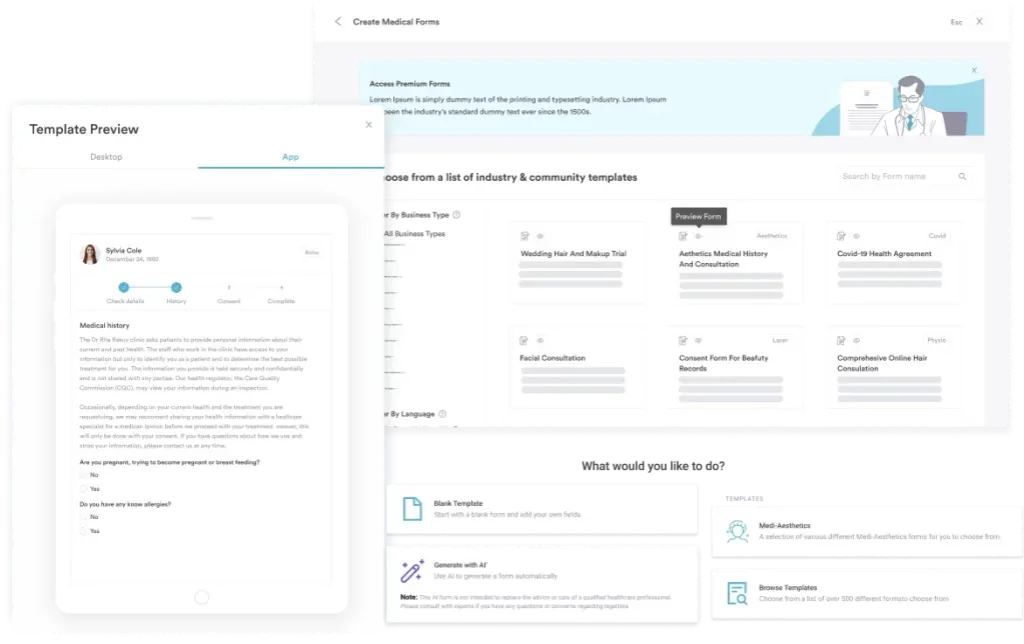
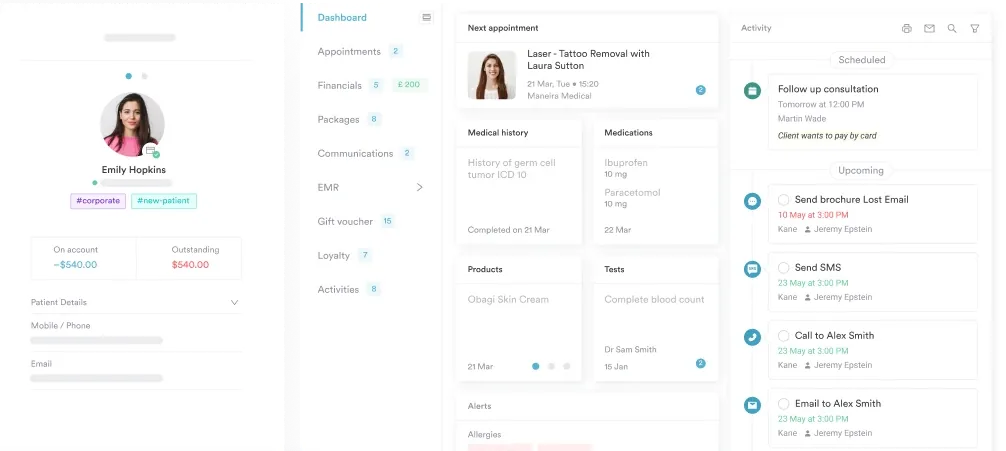
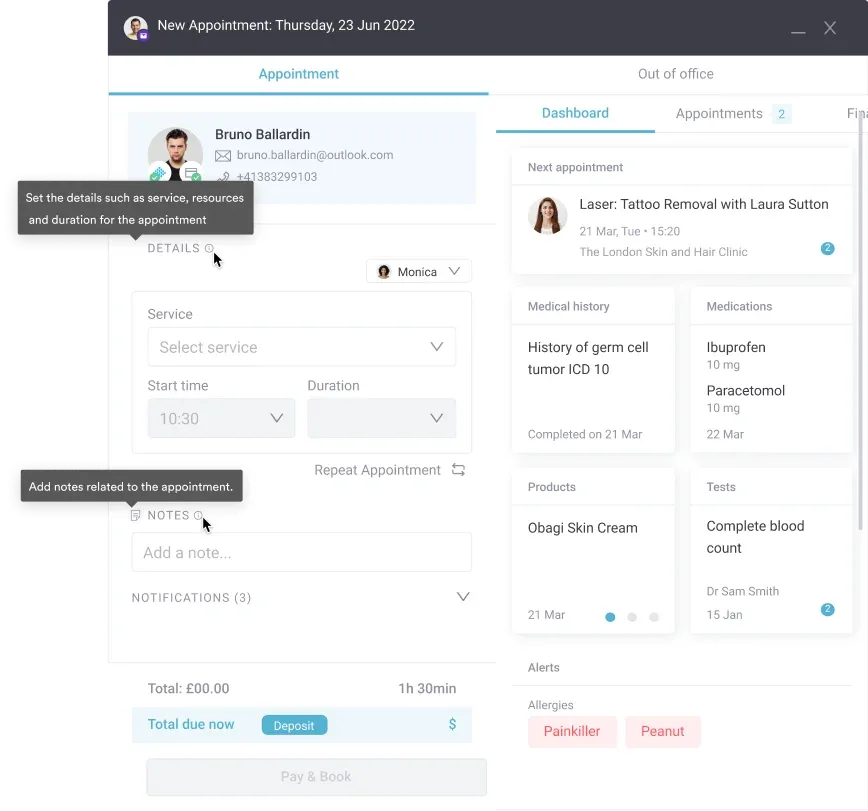
From there the ranked list sits in the same file as your notes. Each time you open the client’s record you can see what they committed to and what the last alignment rating was. A single client management system means the worksheet, the consent forms, and the session notes never drift apart.
Every Pabau subscription includes forms, records, and reporting, so none of this sits behind an upgrade.

Pabau keeps completed worksheets, intake forms, and session notes in one client record. You spend your time on the therapy instead of the filing.

Hand a client the worksheet early, ideally within the first two or three sessions. The ranked list gives every later intervention something to aim at. It also gives the client a reason to keep going after a bad week.
The part worth keeping is the rating. Values work without a number stays a good conversation. Ratings taken at intake, mid-treatment, and discharge give you something you can put in a discharge summary.
Download the worksheet above, run it in your next few intakes, and see what the ratings tell you by session eight. Book a demo to see how Pabau keeps completed worksheets and values ratings in the client’s record.

Working with clients who hear voices? Coping with auditory hallucinations worksheet gives you a structured way to map triggers and coping responses.
Working with an LGBTQ+ client in crisis? Internalized homophobia scale gives a structured, evidence-based method for assessing internalized negative messages about identity.
Looking for a non-verbal route into values work? Music therapy worksheet helps clients who find a written values list hard to engage with.
Running values work with a whole family? Family meeting agenda keeps the conversation structured when several people are ranking competing priorities.
Screening for compulsive internet use? Internet addiction test is a validated screening questionnaire covering use patterns, impairment, and severity indicators.
It is a structured self-reflection tool that helps a client name what matters most to them. The worksheet pairs a long list of candidate values with reflection prompts. The client then ranks the five to ten that matter most.
Start with a broad list, like the one in the worksheet above, and circle everything that resonates. Narrow that down by asking which five you would keep if you could only keep five. Then rank those five against a decision you faced recently.
It is the process of moving a client from vague awareness to a specific commitment. Caring about family becomes scheduling two family evenings a week, even in a busy month. ACT, CBT, and motivational interviewing all use some version of it.
Ask the client to rate how strongly they are living each of their top five values, from 0 to 10. Record those ratings at intake, mid-treatment, and discharge. Rising alignment alongside steady symptoms usually means the client is building psychological flexibility.
Values clarification is central to acceptance and commitment therapy. Clients use their named values as the reason to act, even while unwanted thoughts and feelings are present. The worksheet is usually what starts that process.
Five to ten works for most clients. Three feels restrictive and leaves no room for competing priorities. Twenty dilutes focus, and the client stops being able to say which one wins in a conflict.