Montgomery-Åsberg Depression Rating Scale (MADRS)
The Montgomery-Åsberg Depression Rating Scale (MADRS) is a clinician-administer...

2
Last Updated: Oct 6, 2026

The appreciating your partner ACT worksheet is a structured therapeutic tool based on Russ Harris’s ACT with Love framework.
Daily appreciation practice reduces emotional distance and strengthens relational commitment in couples therapy.
Therapists assign the worksheet in sessions to help partners notice three or more positive qualities each day.
Practice management software like Pabau lets therapists assign the worksheet as a digital form and track completion alongside client records.
A ready-to-use therapeutic worksheet that guides couples through structured appreciation exercises. Includes reflection prompts, values clarification, daily practice logs, and therapist facilitation guidance grounded in Acceptance and Commitment Therapy principles.
Download templateCouples drift apart when they stop noticing what they value in each other. This free worksheet turns appreciation into a structured daily habit: each partner records three genuine things they value about the other, then brings the log back to session for reflection. Therapists can assign, track, and debrief it as part of a couples therapy plan.
The appreciating your partner ACT worksheet is a therapeutic tool designed to help couples strengthen their emotional bond through structured daily appreciation practice. Based on Russ Harris’s widely used ACT with Love framework, it guides each partner to notice and record at least three things they appreciate about their significant other every single day.
In couples therapy, emotional distance often grows when partners stop noticing each other’s positive qualities. Appreciation-building work in couples therapy pushes directly against that drift. The worksheet moves appreciation from vague intention (“I should be more grateful”) into concrete daily action. Partners write down specific observations: a kind gesture, a supportive comment, or a character strength they value.
Therapists typically assign the worksheet to couples during treatment for relationship dissatisfaction, low emotional connection, or patterns of criticism and defensiveness. The practice aligns with ACT principles by encouraging couples to turn toward values (emotional intimacy, relational commitment) rather than running from difficult feelings. As a clinician, you’re helping partners build psychological flexibility by noticing what they appreciate even when conflict or frustration arises.
Implementing the worksheet follows five essential clinical steps that embed the tool into your couples therapy workflow.
The appreciating your partner ACT worksheet serves therapists and counselors across multiple clinical contexts. Relationship therapists and couples counselors are the primary users, treating couples who present with emotional disconnection, criticism cycles, or low satisfaction. The tool is equally valuable in individual therapy when a client’s presenting issue is relationship distress.
Mental health clinicians supporting clients with depression often find this worksheet useful. Depressed individuals commonly experience anhedonia (loss of pleasure) and a negative bias, filtering out positive information about their partner and relationship. The structured daily practice counteracts this cognitive pattern.
Therapists working with anxiety may use it too. Focusing on appreciation balances the threat-detection mode anxiety creates.
Life coaches and wellness practitioners who integrate therapeutic principles into their work also use this worksheet with clients navigating relationship challenges outside a clinical therapy context. If you’re a coach helping someone improve their intimate relationship, this tool creates structure and accountability around the transformation work.
Practices using software for managing patients retrieve past forms in seconds during consultations.
The worksheet delivers measurable benefits across three domains: therapeutic efficacy, clinical workflow, and client experience.
The worksheet works because it embeds four core ACT principles directly into couples work. Understanding these principles helps you present it to clients with authentic clinical grounding.
Acceptance means noticing the full reality of your relationship-challenges and joys both present simultaneously. Partners often believe they must “fix everything” before they can appreciate anything. ACT teaches that appreciation and acknowledgment of difficulty coexist. You might facilitate: “You notice three things you appreciate AND you both feel hurt sometimes. Both are true.”
Values clarification asks partners to identify what truly matters to them in their relationship. Is emotional intimacy central? Shared growth? Loyalty? Safety? The worksheet’s reflection sections prompt partners to articulate these values through their daily observations. When a partner writes “I appreciate how you listen without trying to fix things,” they’re implicitly expressing that emotional presence is a core value.
Committed action transforms values into behavior. Noticing three appreciations daily is committed action-specific, repeated behavior aligned with the value of relational connection. After your client completes the worksheet for two weeks, ask: “What does committing to this practice tell you about how much your relationship matters?” This question anchors the behavioral practice to deeper commitment.
Psychological flexibility emerges when partners practice holding both difficult emotions (frustration, disappointment) and appreciation simultaneously. A couple might argue about finances and still notice their partner’s sense of humor or dependability. The worksheet trains this mental flexibility, which matters for long-term relationship resilience. Delivering it as a digital form keeps the worksheet front and center in each client’s week, so it does not get lost between sessions.
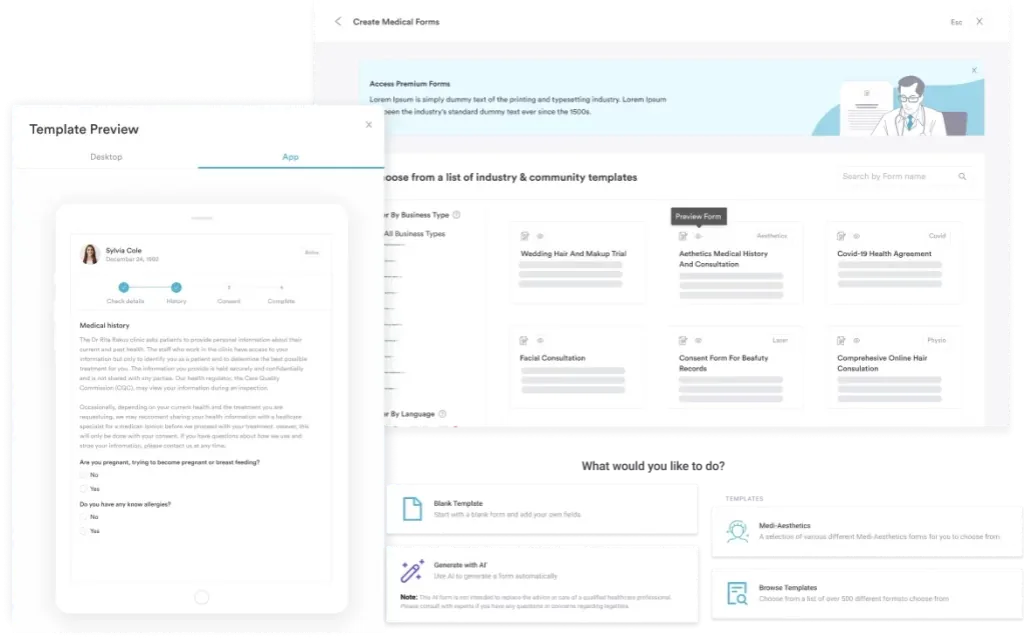

Pabau’s digital forms feature lets you assign the Appreciating Your Partner ACT Worksheet directly to couples, track completion in real time, and integrate responses into client records, all from one dashboard.

The base worksheet works across contexts, but clinical customization increases effectiveness. Adapt its language and focus based on the couple’s presenting issue.
For couples in early relationship phases (the first two years) or those planning commitment (engagement, moving in), emphasize the worksheet’s role in building a strong appreciation foundation. Early-stage couples often feel natural appreciation; the worksheet helps them articulate and solidify it before conflict patterns emerge.
For couples recovering from infidelity or breach of trust, the worksheet becomes a tool for rebuilding emotional attunement. The hurt partner often needs concrete evidence that positive qualities still exist. The unfaithful partner needs to rebuild trust through consistent appreciation-building behavior. Daily logged observations create that evidence. Keeping the worksheet inside a broader client care plan means no therapeutic work slips through unnoticed.
For couples with high criticism or contempt (common in relationships heading toward separation), start the worksheet earlier and review it more often, sometimes twice weekly. The focus shifts to: “Can you find anything to appreciate?” This becomes a diagnostic tool. If a partner cannot identify even one daily appreciation after two weeks, deeper work around resentment or ambivalence about the relationship may be needed before continuing couples therapy.
For couples integrating love languages into therapy, adapt the worksheet to note which “love language” each appreciation represents. If your partner cooks your favorite meal (acts of service), notes that. If they initiate a meaningful conversation (quality time), observe it. This bridges therapeutic frameworks with client-centered personalization. A love languages chart covering all five gives therapists a quick reference for matching each partner’s specific style.
To maximize the worksheet’s clinical impact, use these facilitation techniques in session.
Session 1 assignment: Introduce the worksheet, explain the ACT rationale, walk through one example together. Send the worksheet home. Ask them to complete it nightly for one week and bring it back. Frame it: “This isn’t about writing beautifully. Just notice three things. Even small things count.”
Session 2 review: Spend 5 to 10 minutes reviewing the completed worksheets. Ask each partner separately: “What surprised you?” “Were there patterns?” “Did noticing these things change how you felt?” Then ask the couple together: “Did your partner’s appreciation observations match what you thought they might notice?”
Debrief toward values: Move from observation to values. If one partner wrote “I appreciate your patience with my anxiety,” reflect: “So patience and support matter to you both. That’s a core value in this relationship.” Name the value explicitly. This anchors the practice to deeper relationship purpose.
Extend the practice: After two weeks of daily logging, ask the couple to continue noticing appreciation-but without the worksheet. The goal is internalization. Some couples prefer to keep logging; honor that. Others report they’ve “retrained” their brain to notice naturally. Both outcomes indicate success.
This worksheet pairs effectively with other evidence-based couple therapy tools. Consider using these in sequence or parallel to deepen couples work.
The Gottman Method worksheets help couples build fondness, admiration, and healthier conflict patterns. Reach for them when negativity dominates a couple’s interactions and the appreciation practice needs reinforcement.
When relationship distress is tangled up with low self-worth, the Rosenberg Self-Esteem Scale offers a quick baseline before deeper couples work begins.
The Choice Point ACT worksheet (from Russ Harris’s ACT with Love) addresses how partners respond to relationship difficulty. After couples complete the appreciation worksheet and build connection, the choice point worksheet deepens their awareness of moment-to-moment decisions in conflict-choosing connection or defensiveness.
The appreciating your partner worksheet usually comes early, establishing safety and positive connection before deeper work.
Acceptance and Commitment Therapy has a broad randomized-controlled-trial evidence base across anxiety, depression, and stress. Russ Harris extended those principles to relationship work in his book ACT with Love, where the appreciating your partner worksheet first appeared. The couples application builds on that ACT foundation rather than a large body of couples-specific trials, so treat it as a values-based practice grounded in ACT, not a standalone intervention with its own outcome data.
The daily appreciation practice draws on gratitude research. Studies on gratitude in romantic relationships link regularly noticing and expressing appreciation to higher relationship satisfaction and stronger connection. Assigning the worksheet puts that research to work in a form couples can follow each day.
Research on compliance with therapeutic homework shows that worksheets with clear structure, immediate utility, and observable results earn higher completion rates than vague assignments. The daily log format hits all three, which makes it easy for couples to keep up with.
The appreciating your partner ACT worksheet is a clinically grounded, evidence-supported tool that strengthens couples therapy outcomes by shifting attention toward values-aligned behavior. Daily appreciation practice interrupts negative relationship patterns, builds psychological flexibility, and provides therapists with measurable homework compliance data.
Whether you’re treating couples in early relationship phases, helping partners rebuild after a breach of trust, or working with high-conflict relationships, the worksheet offers a structured entry point into deeper couples work. When digital forms and automated reminders sit in one system, worksheets reach clients reliably and their responses feed straight into clinical notes and care planning. That multiplies the worksheet’s value without adding admin. Book a demo to see how Pabau can put this worksheet to work in your practice.
The worksheet helps couples recognize and express daily appreciation for one another using Acceptance and Commitment Therapy principles. Therapists assign it to build emotional connection, interrupt negative interaction cycles, and anchor partners to relational values during couples therapy.
The appreciating your partner ACT worksheet embeds ACT principles (values clarification, psychological flexibility, committed action) alongside gratitude practice. It goes beyond saying thanks by asking partners to notice positive qualities even amid relationship difficulty, training the mind to hold both appreciation and challenge at once.
Best practice is daily for the first two weeks of assignment. After that, you may ask couples to continue daily, scale to three times weekly, or internalize the practice without written logging. The timeline depends on clinical need. Couples recovering from infidelity may benefit from longer structured practice than couples building foundation skills early in a relationship.
Yes. Individual therapy clients with relationship distress can complete the worksheet on their own, observing their partner’s positive qualities and building their own awareness of relational strengths. Bring the completed worksheet into session for reflection and insight.
This is clinically significant information. Difficulty finding appreciation may indicate deeper resentment, ambivalence about the relationship, or depression-related anhedonia. Rather than force the worksheet, pause and explore: “What would need to shift for you to notice positive things?” This opens conversation about underlying relational or mental health concerns.