Massage Gift Card Template
A massage gift card template is a fill-in-the-blank certificate you customize wi...

21
Last Updated: Sep 11, 2026

Aesthetic interest form designed for men capture male-specific concerns like jawline, anti-wrinkle injections, hair loss, and skin texture.
Contraindication screening for male patients must address medications (blood thinners, testosterone therapy) and health conditions unique to male presentation.
BDD (body dysmorphic disorder) screening during aesthetic consultations is recommended best practice per JCCP and BCAM clinical guidance.
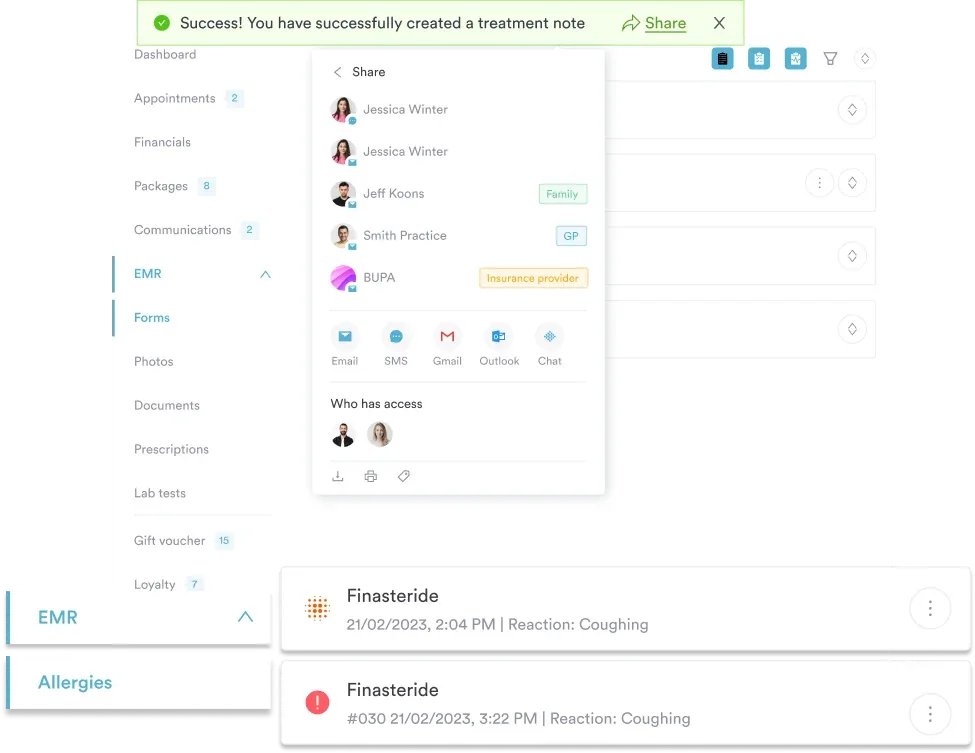
Pabau’s digital forms enable secure GDPR-compliant data collection and automated workflows for aesthetic questionnaires.
A ready-to-use questionnaire covering male aesthetic concerns, treatment preferences, contraindication screening, medical history, and desired outcomes. Includes sections on jawline contouring, anti-wrinkle treatments, hair loss, skin texture, and body procedures.
Download templateMale aesthetic treatments are growing rapidly – anti-wrinkle injections, dermal fillers, jawline contouring, and hair loss treatments now account for a significant portion of aesthetic clinic consultations. Yet most generic consultation forms do not address male-specific aesthetic goals, concerns, or contraindications. Our ranking of software for med spas compares how each platform handles injection charting and scheduling.
An aesthetic interest questionnaire designed specifically for men ensures clinicians capture the right information during the initial consultation.
This guide covers what an aesthetic interest questionnaire for men should include, how to use it effectively in your practice, and how to ensure GDPR compliance and clinical safety when collecting patient data. Whether you’re starting an aesthetic clinic or expanding your male patient base, a tailored questionnaire improves consultation efficiency and patient satisfaction.
Download the ready-to-use template above, then read on for step-by-step implementation guidance and best practices for aesthetic consultations with male patients.
An aesthetic interest form for men is a structured intake form that captures male patients’ aesthetic goals, medical history, past treatments, contraindications, and treatment preferences before the initial consultation.
Think of it as the male-specific version of a general cosmetic interest questionnaire: an aesthetic intake form built around how men present and what they actually want from treatment. Unlike generic aesthetic forms, this questionnaire is designed with male-specific concerns in mind: facial structure (jawline, cheekbones), anti-wrinkle and smoothing treatments, hair loss and regrowth, skin texture and complexion, and body contouring.
The form serves three clinical purposes. First, it streamlines the consultation by providing the practitioner with baseline information before the appointment begins. Second. Third, it captures contraindication data and screens for body dysmorphic disorder, helping practitioners identify patients who may need psychological support rather than treatment.
Under UK GDPR and the Information Commissioner’s Office (ICO) guidance, any questionnaire collecting patient data must include consent language, privacy notices, and secure data handling processes. A well-designed form protects both the patient and the clinic.
Implementing a male-specific questionnaire into your consultation workflow follows five key operational steps:

Pabau is practice management software with a built-in digital forms feature, so you can send customizable questionnaires to male patients before appointments, capture GDPR-compliant data, and pull responses straight into the patient record. Less time gathering information, and cleaner clinical documentation.

This questionnaire is essential for any aesthetic practitioner or clinic serving male patients. Relevant specialties include medical spas, aesthetic clinics, dermatology practices, cosmetic surgery clinics, hair transplant centers, and anti-aging wellness clinics.
Even if your clinic currently sees few male aesthetic patients, having a male-specific questionnaire signals professionalism and inclusivity, potentially attracting more male clients seeking judgment-free aesthetic care.
Improves consultation efficiency: Pre-filled patient data means the consultation focuses on clinical assessment and treatment planning, not information gathering. This reduces appointment duration and allows practitioners to see more patients.
Documents informed consent and clinical governance: A completed questionnaire demonstrates that the patient understood treatment options, contraindications, and risks before proceeding. This is essential documentation for CQC inspections and protects the clinic against complaints.
Captures male-specific concerns accurately: Generic forms miss male aesthetic priorities (jawline, hair density, neck definition). A tailored form ensures nothing is overlooked and the treatment plan directly addresses the patient’s stated goals.
Enables contraindication and BDD screening: Male patients on testosterone therapy, finasteride, or blood thinners have specific risks that must be documented. Early BDD identification prevents unnecessary treatments and improves patient safety and satisfaction.
Ensures GDPR compliance: A questionnaire designed with data protection principles in mind – clear consent language, privacy notices, secure storage – protects patient confidentiality and demonstrates compliance with UK GDPR and the Information Commissioner’s Office (ICO) requirements.
Offer male patients the questionnaire in digital format (via text or email) rather than a printable PDF. Digital completion via your clinic’s patient portal reduces paper handling, enables automatic data entry into the patient record, and demonstrates modern clinical practice to tech-savvy male patients considering aesthetic treatment.
Body dysmorphic disorder (BDD) is a psychological condition where individuals perceive minor or imagined physical flaws and become preoccupied with improving them. Male patients with undiagnosed BDD may pursue aesthetic treatments as a coping mechanism, but treatment rarely satisfies them – they shift focus to other perceived defects or remain distressed despite achieving their stated cosmetic goals.
Recommended BDD screening questions: During the aesthetic interest questionnaire, include two assessment questions:
This screening is not a clinical diagnosis – only mental health professionals can diagnose BDD. However.
Any questionnaire collecting personal or health data from patients falls under UK GDPR and the Data Protection Act 2018. The Information Commissioner’s Office (ICO) provides specific guidance for healthcare practitioners on lawful data collection and storage.
Key GDPR requirements for aesthetic questionnaires:
Using practice management software with built-in access controls and encryption simplifies GDPR compliance, as the system manages permissions, audit trails, and secure storage automatically. Paper forms require manual security protocols – digital questionnaires are more secure and auditable.
An aesthetic interest questionnaire designed for men addresses a real gap in clinical practice. Male patients have distinct aesthetic priorities and health considerations that generic consultation forms miss. A tailored questionnaire improves consultation efficiency, documents clinical safety, screens for contraindications and psychological risk, and demonstrates professional care.
Download the template above, customize it to reflect your clinic’s services and brand, and implement it into your pre-consultation workflow. If your clinic serves multiple locations or handles a high volume of consultations, digital forms software can automate form distribution, data capture, and GDPR-compliant storage, which saves time, reduces administrative burden, and improves the patient experience.
Book a demo to see how digital forms can streamline your workflow and support clinic growth.

Need guidance on structuring aesthetic consultations? Performing consultations that convert uses structure, automation, and digital tools to turn consultations into bookings.
Offering acoustic wave therapy to your patients? Acoustic wave therapy aftercare template gives a free download covering recovery timelines and activity restrictions.
An aesthetic interest questionnaire for men is a pre-consultation intake form designed to capture male patients’ aesthetic goals, medical history, past treatments, contraindication screening, and treatment preferences. It enables clinicians to conduct efficient, clinically safe, and documented aesthetic consultations.
The questionnaire should cover: male-specific aesthetic areas (jawline, forehead, hair loss, skin texture, body contouring), reasons for consultation, past aesthetic treatments, medications (blood thinners, testosterone therapy, finasteride), allergies, skin conditions, BDD screening questions, photography consent, and desired outcomes.
Send the questionnaire 24-48 hours before the scheduled appointment. This allows patients time to reflect on their goals without pressure and gives clinicians baseline information before the consultation begins.
Obtain explicit consent before data collection, provide a privacy notice, store completed forms securely (encrypted digital storage preferred), limit access to clinical staff only, and establish a retention and deletion policy aligned with ICO healthcare guidance.
If a patient reports disproportionate concern relative to how others perceive the issue, or significant daily distress, recommend psychological assessment before aesthetic treatment. Concurrent mental health support improves patient outcomes and reduces dissatisfaction after treatment.
A standard cosmetic interest questionnaire is written with a general patient in mind. A men’s version adds the concern areas male patients actually raise, such as jawline, hair loss, and under-eye bags, and screens for male-specific contraindications like testosterone therapy and finasteride. It also asks how subtle he wants results and how much downtime he can take, since most men prefer a refreshed look over a dramatic change.