GLP-1 usage by state: Who’s taking, searching and paying in 2026
GLP-1 usage by state peaks in West Virginia, America’s GLP-1 capital, with...

Last Updated: Oct 16, 2026

An acid reflux care plan is a structured clinical template for documenting a patient’s symptoms, dietary triggers, lifestyle modifications, and treatment responses for GERD management.
Documented plans reduce the symptom-tracking burden compared to unstructured notes and improve patient adherence to dietary and lifestyle interventions.
A complete acid reflux diet plan covers trigger food identification, safe food substitution, meal timing, a sample weekly menu, symptom logging, and medication compliance in one patient-ready handout.
Practice management software like Pabau streamlines plan creation with digital forms and clinical notes, so you can generate a personalized acid reflux care plan and send it to patients through the client portal.
A ready-to-use clinical template for a personalized acid reflux diet plan and GERD management, covering symptom assessment, trigger identification, dietary guidance, and lifestyle modification tracking. Download the free acid reflux diet plan PDF and hand it straight to patients.
Download templateAn acid reflux care plan is a structured, documented protocol a clinician builds with a patient to manage GERD. It sets out the triggers to avoid, the diet and lifestyle changes to make, and the symptoms to track over time.
Handing a patient a written plan instead of verbal advice alone gives them a reference they can follow at home. Adherence holds up between appointments, and you get a measurable baseline to review at the next visit.
This guide explains what a clinical acid reflux plan includes, how to build the acid reflux diet plan around each patient’s triggers, and why providers across gastroenterology, primary care, functional medicine, and dietetics increasingly use template-based plans to standardize patient education and improve outcomes.
An acid reflux care plan is a personalized clinical document that consolidates symptom assessment, trigger identification, dietary and lifestyle guidance, and progress tracking into one structured format. It serves dual purposes: as a clinical communication tool for the practitioner (documenting the agreed management strategy) and as a patient education handout (providing actionable steps patients can follow independently).
Unlike generic online advice, a clinician-generated acid reflux plan is tailored to the patient’s specific triggers, comorbidities, and lifestyle constraints. It typically includes symptom severity ratings, a list of safe and trigger foods customized to that individual, meal timing recommendations, and a symptom tracking log.
The plan also acknowledges the role of medication (PPIs, H2 blockers, antacids) while emphasizing the evidence-based lifestyle modifications proven to reduce reflux episodes: weight management, head-of-bed elevation, avoiding large evening meals, and smoking cessation. According to the American College of Gastroenterology (ACG), a combined pharmacological and lifestyle approach yields the best long-term symptom control.
From a compliance perspective, patients given a written plan are more likely to adhere to dietary modifications and report symptom improvement at follow-up than those who receive verbal-only guidance.
A practical acid reflux plan workflow follows five operational steps that clinicians can embed into routine consultations:
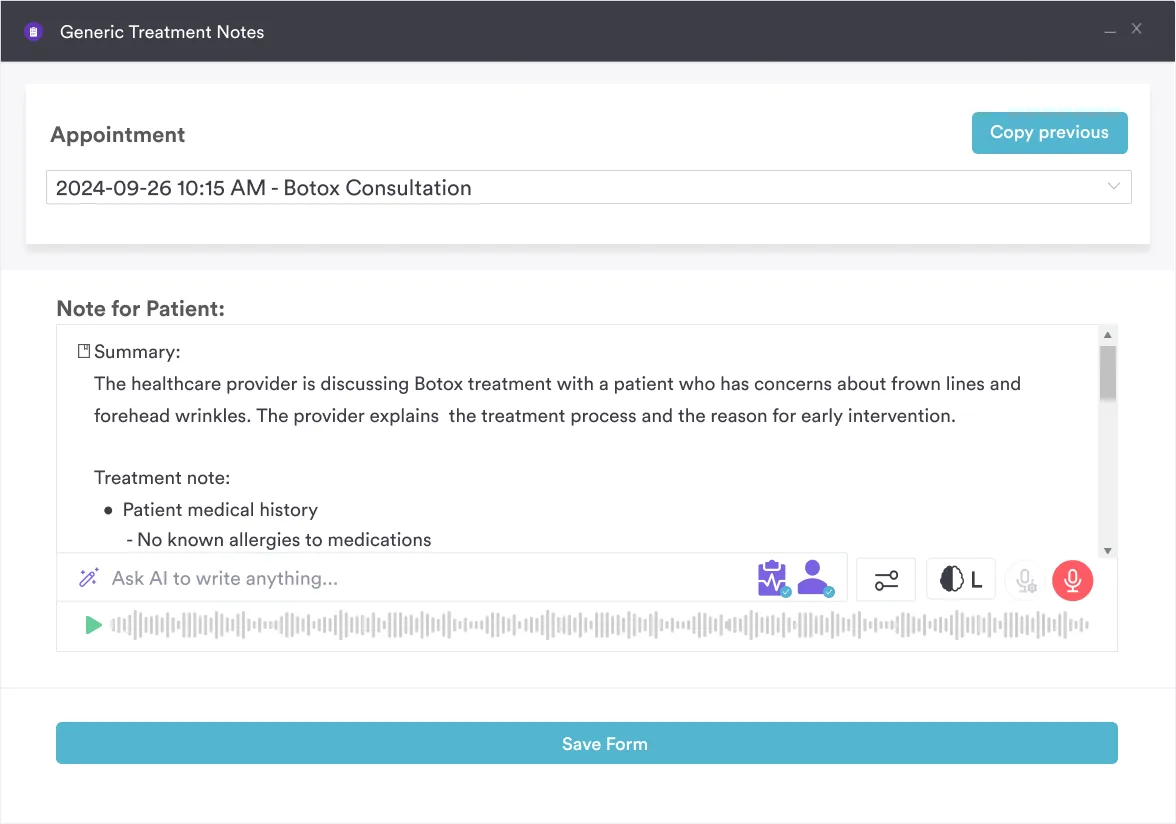
The entire process takes 15-20 minutes in a typical consultation. After creating the plan, provide a printed or digital copy via your patient portal. With practice management software like Pabau and its clinical note automation, you can generate a customized written summary in seconds and email it to the patient immediately after the appointment.
Acid reflux plans are beneficial across multiple healthcare settings and professional roles:
GP practices often build forms like this into GP clinic software so records stay complete and auditable.
A documented acid reflux plan delivers measurable benefits across patient compliance, clinical outcomes, and practice efficiency.
The dietary component is the core of any acid reflux plan. Rather than a one-size-fits-all list, an effective acid reflux diet plan partitions foods into three categories: safe to eat liberally, eat in moderation, and avoid.
Safe foods are low acid reflux foods such as non-acidic vegetables (leafy greens, broccoli, asparagus, cucumber, zucchini), lean proteins (chicken breast, turkey, white fish, tofu), complex carbohydrates (oatmeal, whole-grain bread, brown rice), and low-fat dairy (yogurt, cottage cheese, mild cheeses). Moderate foods include tomatoes (in small quantities), citrus fruits, and red wine.
The foods to avoid with acid reflux vary by individual but commonly include alcohol (especially wine and spirits), caffeine (coffee, strong tea, cola), high-fat foods (fried meals, cream sauces, full-fat dairy), chocolate, spicy foods, and carbonated beverages. A personalized plan asks the patient which foods they’ve noticed trigger their symptoms and customizes the list accordingly, improving relevance and buy-in.
A sample 7-day meal plan for acid reflux gives patients a concrete starting point they can adapt, rather than an abstract list of rules. Use the outline below as the template’s default menu, then swap items for the patient’s tolerated foods during the consultation. Every meal leans on low-acid, low-fat, high-fiber choices and keeps portions moderate to limit stomach pressure.
Pair the menu with the symptom log so the patient records how each day’s meals sit with them. That turns a generic weekly menu into individualized data you can review at the next visit and refine into a long-term acid reflux diet plan.
Medication alone is often insufficient for long-term reflux control. Document the evidence-based lifestyle changes you and the patient agree on:
A good plan includes space to document which medications the patient is taking (PPIs like omeprazole, H2 blockers like famotidine, antacids for acute relief) and a simple tracking grid where the patient records daily or weekly symptom scores, allowing you to measure whether the combined approach is effective. Our GERD medication list covers brand names and doses by class.
A clinical-grade acid reflux plan goes beyond a simple food list. It educates patients about the mechanism of reflux and why the recommended changes work. A brief section explaining that GERD occurs when stomach acid backs up into the esophagus, and that dietary and lifestyle changes reduce pressure on the lower esophageal sphincter (LES), helps patients see they are not just following arbitrary rules.
Key teaching points to include:
When patients understand the “why,” they are more likely to stick with the plan.
Many clinicians also add a red-flag section that lists symptoms warranting immediate review: persistent dysphagia, vomiting blood, unintentional weight loss, or signs of anemia. Flagging these tells patients when to contact the practice rather than assuming every reflux symptom is benign.
Creating bespoke plans manually is time-consuming. Modern practice management platforms streamline the process by offering template-based digital forms that generate personalized patient plans in seconds.
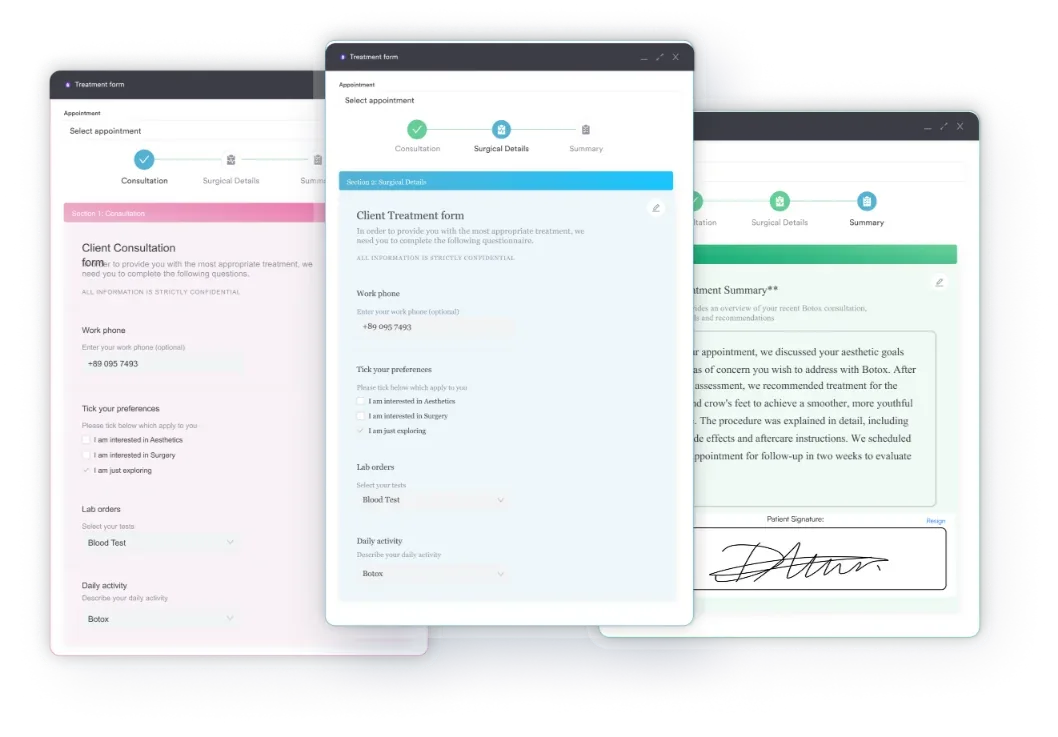
A digital workflow typically works like this: during or after the consultation, the clinician completes a structured form (symptom severity, identified triggers, comorbidities, medication list) within the practice management system. The system then auto-populates a patient-ready PDF with the clinician’s responses, tailored safe-food list, and customized lifestyle recommendations. The plan is automatically sent to the patient via the patient portal, where they can access it on their phone or print it for their kitchen.
This approach removes the handwriting, copy-pasting, and manual Word documents you would otherwise create for each patient, so you can redirect that time to clinical decisions or seeing more patients.
For practices using patient portal technology, plans can be uploaded to the patient’s record, creating a searchable archive of all treatment plans. If a patient returns months later with worsening symptoms, you can instantly review the original plan, see how their symptom tracking progressed, and adjust accordingly, which builds continuity of care.
Consider integrating your acid reflux plan into your appointment reminder workflow: when a patient books a follow-up appointment, automatically send them their plan again as a reminder to track symptoms in the interim, increasing data completeness at the next visit.
In regulated healthcare settings (UK, US, Australia), a documented acid reflux care plan serves as evidence of informed consent and professional guidance. For compliance, make sure the plan records:
Regulatory and accreditation bodies increasingly focus on whether patient education and plans are documented and individualized. Having a system for creating and storing acid reflux plans demonstrates compliance with standards for patient-centered care and clinical governance.
For US-based practices handling patient data, ensure the storage of plans complies with HIPAA requirements if stored digitally. Secure, role-based access (only the patient and their clinician can view) is standard in modern practice management systems.
Always include a disclaimer reminding patients to consult their primary care clinician or gastroenterologist if symptoms persist despite the plan, or if new symptoms (difficulty swallowing, persistent vomiting, weight loss) emerge. This protects both patient safety and your practice against claims of inadequate referral.
Create a template variation for common comorbidities: one acid reflux plan template for patients with obesity (emphasizing weight loss and portion control), another for pregnant patients (highlighting safe medications and trigger avoidance), and a third for patients with anxiety (including stress-reduction techniques). Pre-populating relevant guidance for each phenotype saves time and increases relevance.

Building a broader wellness plan for patients? Personal health plan template covers health history, lifestyle factors, preventive screening, and quarterly progress reviews in one document.
Caring for a patient with pneumonia? Pneumonia nursing care plan template gives nurses a structured framework for evidence-based care from assessment through recovery.
Looking for practitioner-to-patient communication automation? Automated SMS and email campaigns can remind patients to track symptoms weekly or send periodic reflux-friendly recipe ideas, strengthening adherence between appointments.
An evidence-based acid reflux plan transforms reflux management from reactive symptom suppression into proactive, measurable patient-led care. By documenting specific trigger foods, safe dietary alternatives, lifestyle modifications, and a tracking mechanism in one personalized template, clinicians empower patients to take ownership of their health while creating objective data to guide follow-up treatment decisions.
Whether you are a gastroenterologist, GP, functional medicine practitioner, or dietitian, implementing a structured acid reflux plan in your practice reduces appointment time, improves patient compliance, and strengthens your clinical documentation. To streamline plan creation and distribution, consider adopting digital forms and patient portal technology-book a demo to see how modern practice management platforms can automate this workflow and free up time for higher-impact patient care.
An acid reflux care plan is a personalized clinical document created during a healthcare consultation that documents a patient’s GERD symptoms, identifies trigger foods, lists safe dietary alternatives, outlines lifestyle modifications, and includes a symptom-tracking log. It serves as both a clinical reference for the practitioner and an educational handout for the patient to follow at home.
A clinician can create a personalized acid reflux care plan in around 15-20 minutes during a standard consultation. Digital form templates cut that down further, because the system auto-generates a patient-ready PDF from your answers.
A comprehensive acid reflux plan includes: baseline symptom severity and frequency, identified personal trigger foods, a customized list of safe foods, specific lifestyle modifications (meal timing, head elevation, weight loss goals), medication names and doses, a weekly or daily symptom-tracking grid, educational information about GERD mechanisms, and red-flag warning signs requiring escalation.
The most common reflux triggers are alcohol, caffeine (coffee, strong tea, cola), high-fat and fried foods, chocolate, spicy dishes, citrus, tomato-based sauces, and carbonated drinks. Triggers differ from person to person, so the plan should confirm each patient’s own reactions with a food and symptom log rather than relying on a fixed list.
Gentle, non-acidic options tend to sit best: still water, herbal teas such as chamomile or ginger, low-fat or plant-based milk, and diluted non-citrus juices. Steer patients away from coffee, alcohol, carbonated drinks, and citrus juices, which relax the lower esophageal sphincter or add acid and gas.
A nursing care plan for acid reflux documents the nursing assessment (symptom pattern, pain scores, risk factors), a nursing diagnosis, measurable goals, and the interventions and patient education provided-dietary advice, positioning, medication support, and when to escalate. It uses the same structured, trackable format as the clinician’s plan so the whole team works from one record.
Patients given a written, personalized acid reflux care plan are more likely to adhere to dietary and lifestyle recommendations than those receiving verbal-only advice. A written plan serves as a reference patients can consult repeatedly, reduces misunderstanding, and creates objective baseline data for tracking progress at follow-up appointments.
A generic template provides a starting point, but personalization is critical for efficacy. Each plan should be customized to the patient’s identified trigger foods, comorbidities (obesity, pregnancy, anxiety), dietary preferences, and lifestyle constraints. Customized plans show higher patient satisfaction and better outcomes than one-size-fits-all templates.
Review the symptom-tracking log at follow-up appointments. A successful plan shows reduced frequency of reflux episodes, improved sleep quality, reduced antacid use, or other symptom measures the patient rated at baseline. If symptoms persist despite adherence to the plan, consider medication escalation or referral to a specialist for investigation of refractory GERD.