Getting along with siblings worksheet
A getting along with siblings worksheet is a printable that helps children and t...

2
Last Updated: Oct 23, 2026

A structured 7 areas of life worksheet helps clients assess balance across career, finances, education, relationships, health, personal growth, and spiritual growth.
The framework identifies gaps and strengths in each life domain, enabling targeted goal-setting and progress tracking across therapy or coaching sessions.
Practitioners can assign the worksheet digitally through client portals, streamlining intake and creating a shared reference for ongoing treatment planning.
Pabau’s digital forms and client portal features allow you to assign, track, and reference the worksheet within your clinical workflow.
A ready-to-use assessment tool for evaluating client wellbeing across seven key life domains. Designed for therapists, counselors, coaches, and wellness practitioners to facilitate structured goal-setting conversations and identify areas requiring focused intervention.
Download templateThe 7 areas of life worksheet is a foundational tool for holistic client assessment. This comprehensive framework guides practitioners and clients through a structured evaluation of wellbeing across seven critical life dimensions. Whether you work in therapy, counseling, coaching, or wellness practice, this worksheet creates a common language for discussing life balance, identifying priorities, and tracking meaningful progress.
The 7 areas of life worksheet is a structured assessment tool that breaks down holistic wellbeing into seven distinct domains: career and business, finances, education and learning, relationships and family, health and fitness, personal growth, and spiritual growth. Each area represents a different dimension of a person’s life, and the worksheet guides clients to evaluate their current satisfaction, identify goals, and track progress within each domain.
This framework is rooted in established personal development literature, drawing inspiration from Stephen Covey’s 7 Habits of Highly Effective People and Tony Robbins’ Pyramid of Mastery. The model recognizes that sustainable wellbeing requires attention to multiple life areas rather than focusing narrowly on one dimension. For practitioners, the worksheet creates a standardized way to facilitate these conversations and document client progress.
The worksheet serves as both an assessment tool and a treatment planning aid. By mapping client goals across seven life areas, you gain insight into what matters most to them and where interventions are needed. Clients gain clarity on how different life domains interconnect and influence overall quality of life. Using clinical documentation features to record worksheet responses creates a durable record linked to each client’s treatment journey.
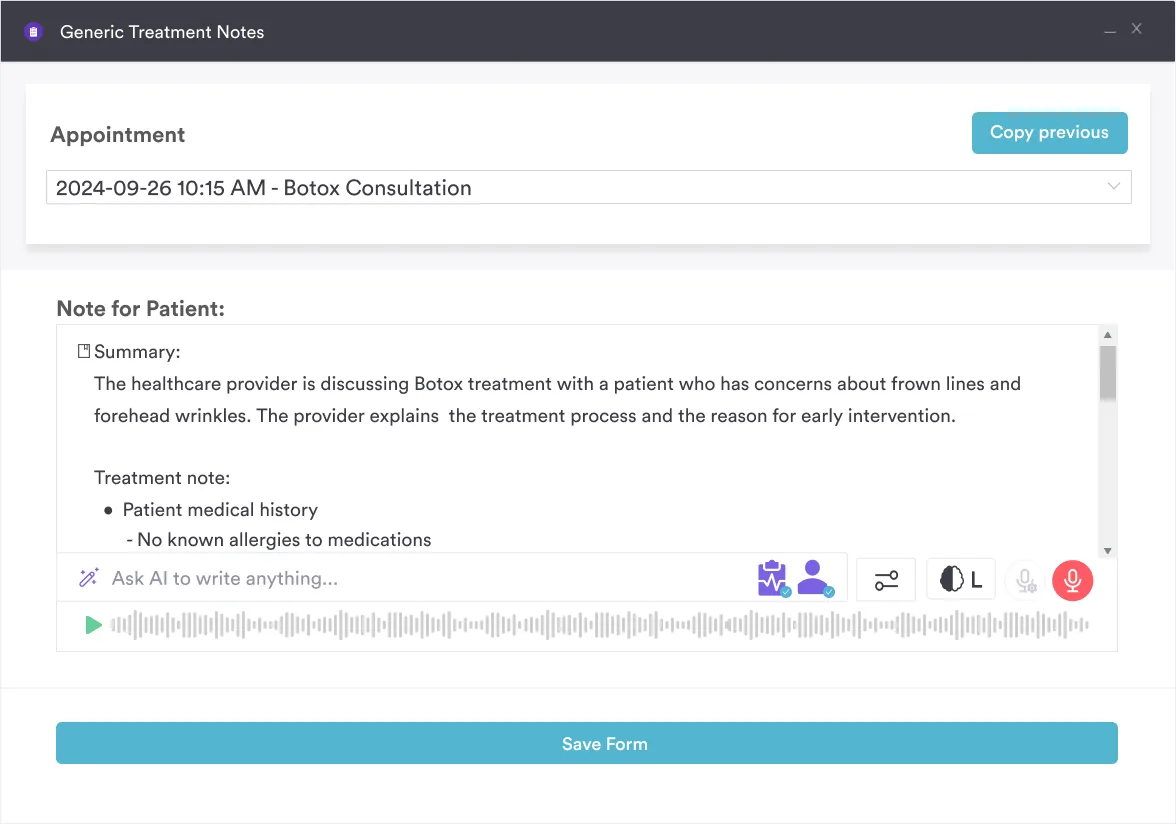
The 7 areas of life worksheet is designed to be administered at intake, during periodic progress reviews, and when clients feel stuck or want to reassess direction. Follow these five operational steps to integrate it into your clinical workflow.
The 7 areas of life worksheet applies across multiple healthcare and wellness settings. Mental health therapists and counselors use it to expand treatment beyond a single presenting issue, revealing systemic life imbalances that feed anxiety, depression, or relational conflict. Coaches-particularly life coaches, executive coaches, and wellness coaches-use it to structure goal-setting conversations and ensure clients attend to multiple wellbeing dimensions rather than chasing career success at the expense of health or relationships.
Health and wellness practitioners, including functional medicine doctors, integrative medicine clinicians. Weight loss clinics, fertility practices, and chronic disease management programs employ the framework to address lifestyle factors (relationships, stress, sleep, spiritual practices) that influence health outcomes. Occupational therapists and speech therapists often use variants to assess how impairment affects different life roles.
Medical records software keeps every version of a completed form audit-ready.
Holistic assessment: Rather than zeroing in on a single problem, the worksheet creates space for clients to see their lives as an integrated whole. A client presenting with “burnout” may discover that low satisfaction in relationships, health, and personal growth amplifies work stress. Treatment becomes more targeted because the full picture emerges.
Shared goal-setting framework: The seven domains give you and the client a common language. Instead of vague ambitions (“I want to be happier”), the worksheet grounds conversation in specific areas and measurable satisfaction ratings. This clarity accelerates progress and keeps sessions focused.
Progress visibility: Repeating the worksheet at set intervals-quarterly or as part of outcome measurement-shows clients concrete evidence of change. A score climbing from 4 to 7 in the health domain or 3 to 6 in relationships reinforces that treatment is working and client commitment to goals translates into real shifts.
Compliance and engagement: Clients who understand how their treatment connects to their broader life goals attend sessions more consistently. The worksheet reframes therapy or coaching from a medical intervention into a collaborative journey toward the life they actually want.
Simplifies documentation: This creates continuity across appointments and reduces the burden of manual note-taking.
Track the seven areas worksheet responses over time in a single client record. Note which domains consistently score low or high, and which show the most dramatic shifts. Patterns across clients reveal common struggle areas in your community (e.g., financial stress, loneliness) and help you refine your service offerings and group program topics.
The 7 areas framework pairs naturally with values clarification work. Before asking clients to set goals within each domain, explore what each area means to them. “Spiritual growth” might mean deepening a faith practice for one client and building community connection for another. “Personal growth” might focus on skill-building, creative expression, or emotional development depending on the individual.
This values-first approach prevents cookie-cutter goal-setting. The worksheet becomes a genuine reflection of what the client prioritizes rather than a checklist of “should do” items. Research from the University of Pennsylvania’s Positive Psychology Center demonstrates that goals aligned with personal values show higher completion rates and greater life satisfaction than externally imposed objectives.
Use the worksheet to identify which life areas are driving dissatisfaction and which represent the client’s deepest values. A client might score low in the career domain but rate it as a “not a priority”-valuable insight that reframes the conversation away from shame and toward authentic alignment.

Pabau’s digital forms and client portal let you assign the 7 areas of life worksheet at intake, collect responses automatically, and reference them throughout treatment without printing or manual filing.

A single worksheet snapshot is useful; repeated measurement is transformative. When you readminister the 7 areas of life worksheet at regular intervals-monthly for intensive coaching, quarterly for therapy-you create an objective progress metric that clients can see and feel. A client who rates their relationship satisfaction 3 out of 10 at intake and 7 out of 10 six months later has tangible evidence that their work is paying off.
Store each completed worksheet in the client’s permanent record with the date and session context. Over time, you’ll notice patterns: which areas tend to improve together, which resist change, and what life circumstances trigger regression. These insights shape your clinical approach and help you anticipate where clients might struggle.
For group programs and workshops, administer the worksheet at the start of a program (e.g., a 6-week wellness course) and again at completion. Program participants see collective before-and-after shifts, strengthening the case for continued engagement. The client care management foundation built on the worksheet framework creates accountability and motivation.
The 7 areas of life worksheet transforms how you approach client care by anchoring treatment in holistic wellbeing rather than symptom reduction alone. When you regularly invite clients to reflect on career satisfaction, financial health, relationships, personal growth, and spiritual practice alongside their presenting concern, you help them see that sustainable change touches multiple life dimensions. This perspective shift often accelerates progress and deepens engagement. Start with the free worksheet, integrate it into your intake process, and track results across your client population. The data will reveal where your clients struggle most and where your interventions create the biggest impact. Notes held in therapy practice management software put earlier sessions side by side, so a slow change becomes visible.

List Item #1
List Item #2
The seven areas are: (1) Career & Business, (2) Finances, (3) Education & Learning, (4) Relationships & Family, (5) Health & Fitness, (6) Personal Growth, and (7) Spiritual Growth. These domains cover the major life areas that contribute to overall wellbeing and life satisfaction.
Introduce it at intake to establish a holistic baseline, use it during goal-setting conversations, and readminister it quarterly or at key milestones to measure progress. It works well at the start of therapy, coaching, or wellness programs and whenever a client feels stuck or wants to reassess life direction.
Yes. The framework is compatible with cognitive-behavioral therapy, solution-focused brief therapy, life coaching, and values-based approaches like Acceptance and Commitment Therapy (ACT). Each modality can adapt the worksheet to fit its clinical philosophy.
Review the completed worksheet at the start of each session, celebrate progress in areas where satisfaction improved, and adjust goals based on what’s working. Storing worksheets in a digital client portal keeps them visible to both you and the client and reinforces that you’re tracking their progress.
Low scores across all domains often signal depression, burnout, or life transition. Rather than treating each area separately, prioritize one or two areas where the client feels a spark of motivation and build momentum from there. Small wins in one domain often lift satisfaction in others.