

CCSD code G5100: Bypass of duodenum billing guide
CCSD code G5100 bills a bypass that leaves the duodenum in place CCSD code G5100...

Last Updated: Oct 16, 2026
Q0138 is the HCPCS Level II code for injection, ferumoxytol, for treatment of iron deficiency anemia, 1 mg (non-esrd use).
Let Pabau's smart automation suggest the right codes, reduce claim denials, and keep your practice compliant—effortlessly.
Automate repetitive tasks and focus on what matters most—your patients.
Reduce coding errors and ensure compliance with the latest regulations.
Clean claims, fewer denials, and faster reimbursements.
Powerful insights and reporting to help your practice thrive.
HIPAA compliant SOC 2 certified GDPR-compliant Trusted by 4,000+ clinics worldwide

HCPCS Code Q0138 covers injection, ferumoxytol (Feraheme), for treatment of iron deficiency anemia, billed per 1 mg for non-ESRD patients.
Feraheme is supplied as a 510 mg/17 mL single-dose vial (NDC 59338-0775-xx), so one vial equals 510 billable units under Q0138.
CMS classifies Q0138 as a single-dose container, making JW and JZ wastage modifiers mandatory when any portion of the vial is discarded or fully used.
Q0138 is a HCPCS Level II Q-code, not a CPT code or a J code. The only CPT code on a ferumoxytol claim is the infusion administration code (such as 96365), which is separate from the drug.
Pabau’s claims management software supports buy-and-bill drug billing workflows, helping infusion centers track Q0138 units, modifiers, and documentation in one place.
HCPCS Code Q0138 is the correct billing code when ferumoxytol (brand name Feraheme) is given to a patient with iron deficiency anemia who does not have end-stage renal disease (ESRD) and is not on dialysis. The official CMS descriptor reads: Injection, ferumoxytol, for treatment of iron deficiency anemia, 1 mg (non-ESRD use).
| Property | Detail |
|---|---|
| HCPCS code | Q0138 |
| Code type | HCPCS Level II, Q-code (Miscellaneous Drugs) |
| Drug name | Ferumoxytol (Feraheme) |
| Billing unit | Per 1 mg |
| Indication | Iron deficiency anemia, non-ESRD patients |
| Coverage indicator | Carrier judgment |
| Maintaining body | CMS (Centers for Medicare and Medicaid Services) |
Q-codes fall under HCPCS Level II, which CMS maintains as the standard coding system for drugs, supplies, and services not covered by CPT. The coverage indicator “carrier judgment” means that local Medicare Administrative Contractors (MACs) determine medical necessity on a case-by-case basis, and coverage decisions may vary by region. Providers billing to commercial payers should verify whether payers require prior authorization before you administer the drug.
Feraheme got its original FDA approval in 2009 for iron deficiency anemia in adults with chronic kidney disease. In 2018, the FDA expanded its indication to all adult patients with iron deficiency anemia who have had an inadequate response or intolerance to oral iron. Providers can bill Q0138 for this broader population, but coders must still document the specific indication to support medical necessity review.
Q0138 is a HCPCS Level II code, not a CPT code and not a J code. This trips up a lot of coders, because most other intravenous iron products are billed with J codes. Ferumoxytol is the exception: CMS assigned it a Q-code. So when a search for a “Q0138 CPT code” or a “Feraheme J code” comes up empty, the code you actually need is the HCPCS Q-code, Q0138 for non-ESRD patients or Q0139 for ESRD patients on dialysis.
The only CPT code on a ferumoxytol claim is the administration code, not the drug. Bill CPT 96365 for the initial intravenous infusion up to one hour, and 96366 for each additional hour, separately from the Q0138 drug units. Put simply: Q0138 pays for the ferumoxytol, and the CPT administration code pays for infusing it.
| IV iron product | Generic name | HCPCS code | Billing unit |
|---|---|---|---|
| Feraheme | Ferumoxytol | Q0138 (non-ESRD) / Q0139 (ESRD) | Per 1 mg |
| Venofer | Iron sucrose | J1756 | Per 1 mg |
| Injectafer | Ferric carboxymaltose | J1439 | Per 1 mg |
| Ferrlecit | Sodium ferric gluconate | J2916 | Per 12.5 mg |
| Monoferric | Ferric derisomaltose | J1437 | Per 10 mg |
| InFed | Iron dextran | J1750 | Per 50 mg |
Because ferumoxytol sits outside the J-code series, billing software that auto-suggests a J code for iron infusions will not surface Q0138. Coders have to select it by hand, which is why the wrong-code and no-code denials cluster around this drug. If your practice also bills sodium ferric gluconate, our HCPCS code J2916 billing guide covers that Ferrlecit J code in the same detail.
Selecting the wrong code between Q0138 and Q0139 is one of the most common denial triggers for ferumoxytol claims. The distinction is straightforward but critical: patient ESRD and dialysis status determines which code applies.
Both codes are billed per 1 mg and share the same NDC. The reimbursement methodology differs because Medicare pays for ESRD-related drugs under the ESRD bundled payment system (Medicare Part B ESRD bundle) rather than the standard Average Sales Price (ASP) + 6% method used for Q0138. Billing Q0138 for a dialysis patient, or Q0139 for a non-dialysis patient, will result in a claim denial. Verify the patient’s ESRD status in their record before selecting the code, and document this clearly in the chart note.
For outpatient infusion centers treating patients with IV therapy EMR software, maintaining an accurate, up-to-date problem list that flags ESRD status makes this distinction automatic at the point of care rather than a post-service reconciliation step.
When billing Q0138 to Medicare and many commercial payers, providers must also report the National Drug Code (NDC) on the claim. Feraheme is manufactured by Covis Pharma (formerly AMAG Pharmaceuticals) and is commercially available in a single formulation.
| NDC | Product description | Vial size | Billable units (Q0138) |
|---|---|---|---|
| 59338-0775-xx | Feraheme 510 mg/17 mL single-dose vial | 17 mL | 510 units (1 unit per 1 mg) |
The “xx” suffix in the NDC represents the package configuration code, which varies by distributor. When submitting the NDC on a CMS-1500 or UB-04 claim, use the 11-digit format with leading zeros (5-4-2 configuration: 59338-0775-01 as an example). Report the quantity in metric units (milligrams) alongside the NDC, and verify the NDC qualifier code is “UN” (units) when applicable.
Most infusion centers purchase Feraheme through a specialty distributor under the buy-and-bill model. The practice acquires the drug, administers it, and then bills the payer directly for the drug cost (Q0138 units) plus the infusion administration code (typically CPT 96365 for the initial hour and 96366 for additional hours). Keeping pharmacy acquisition records aligned with billing records is essential for audits. An EMR built for IV therapy can link drug lot numbers and purchase records directly to patient encounter documentation, simplifying this review. An appeal filed after the timely filing window is denied on timeliness alone, whatever the coding showed.
CMS has designated Feraheme (Q0138) as a single-dose container drug, which means JW and JZ wastage modifiers apply. This policy took effect January 1, 2023 and applies to all Part B drug claims for single-dose vials.
Failure to append either JW or JZ when billing Q0138 under Medicare Part B will result in a claim rejection or edit flag. Coders should confirm the administered dose with the administering nurse or infusion pharmacist before submitting. Standard Feraheme dosing is either 510 mg (one full vial) or 1,020 mg (two sequential infusions), but actual administered amounts may vary based on clinical protocol.
For Correct Coding Initiative (CCI) purposes, Q0138 does not have known CCI bundling edits that prevent billing alongside infusion administration CPT codes. However, MAC-specific Local Coverage Determinations (LCDs) may impose additional billing rules, so always check the applicable MAC policy for the service jurisdiction.
Review your MAC’s drug policy quarterly. ASP-based reimbursement rates for Q0138 update every calendar quarter, and some MACs issue policy articles specifically addressing ferumoxytol JW/JZ requirements. Subscribe to your MAC’s listserv to catch changes before they affect claim payments.
Medicare Part B reimburses Q0138 under the ASP methodology: ASP plus 6% of the drug’s average sales price. Because ferumoxytol is billed per 1 mg and a standard 510 mg vial is administered as a single dose, reimbursement is calculated by multiplying the per-mg ASP rate by 510 units. CMS publishes ASP rates quarterly and are subject to change each January, April, July, and October.
Use the CMS Physician Fee Schedule lookup tool to find the current ASP payment limit for Q0138 for your MAC locality. Note that Feraheme is a relatively high-cost iron therapy compared to alternatives like iron sucrose (Venofer) or ferric carboxymaltose (Injectafer), so prior authorization requirements from commercial payers are common. Medicare describes coverage as ‘carrier judgment’, meaning reimbursement is not guaranteed without proper medical necessity documentation.
In addition to the drug cost (Q0138), facilities may separately bill for infusion administration. Hospital outpatient departments and ASC-affiliated infusion centers typically use APC (Ambulatory Payment Classification) rates rather than the Physician Fee Schedule. Independent physician-owned infusion centers bill under the standard MPFS, while rental-based DME follows a different model again – a recurring monthly rental fee. Confirm the correct payment system with your compliance officer before coding multi-site Q0138 services.

Pabau helps IV therapy and infusion centers track drug units, wastage modifiers, and documentation in one connected workflow. See how it handles Q0138 and similar HCPCS drug codes.

Because Q0138 coverage is “carrier judgment,” strong documentation is the primary defense against denials. Payers reviewing ferumoxytol claims typically look for evidence that oral iron was tried first and failed, or that the patient has a contraindication to oral iron. Following IV therapy clinic best practices on documentation reduces denial rates significantly.
Structured digital intake forms that capture hemoglobin values, prior oral iron trial history, and ESRD status at the point of consent remove documentation gaps before the infusion occurs. When the clinical record is complete at the time of service, coders have everything they need without chasing physicians for addenda.
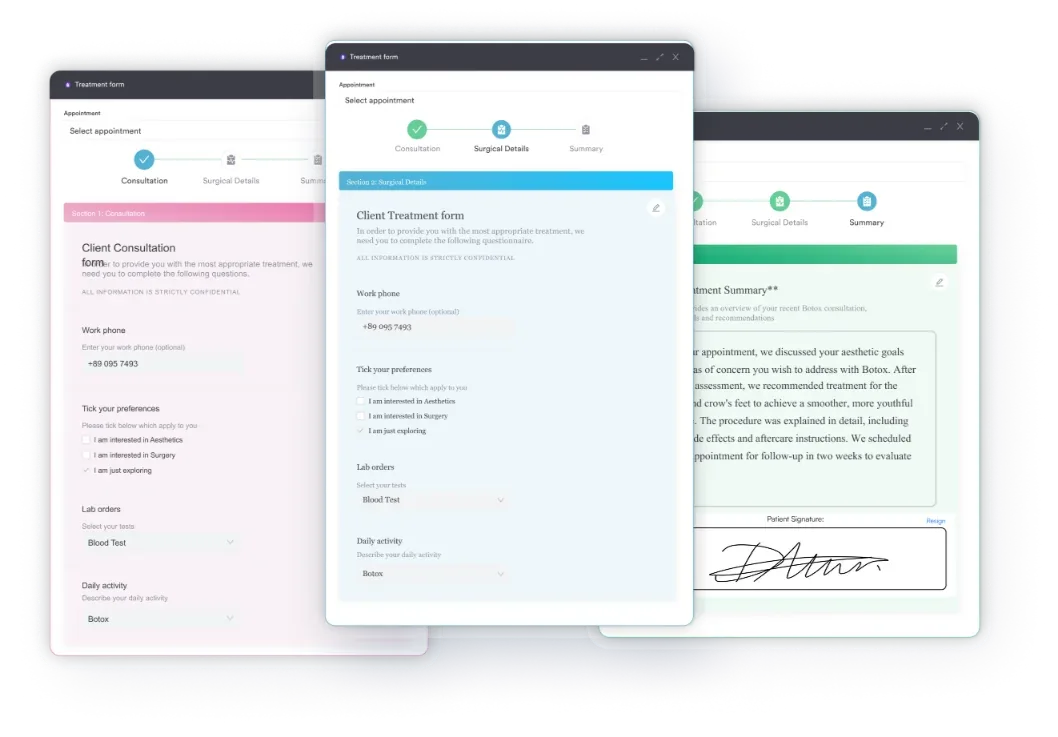
For practices opening an IV therapy clinic that plans to administer Feraheme, building these documentation requirements into the intake workflow from day one prevents the back-office scramble that leads to late filing and avoidable write-offs. Pabau’s claims management software connects intake form data to billing workflows, so the documentation that supports Q0138 medical necessity is already attached to the claim before it leaves the practice.
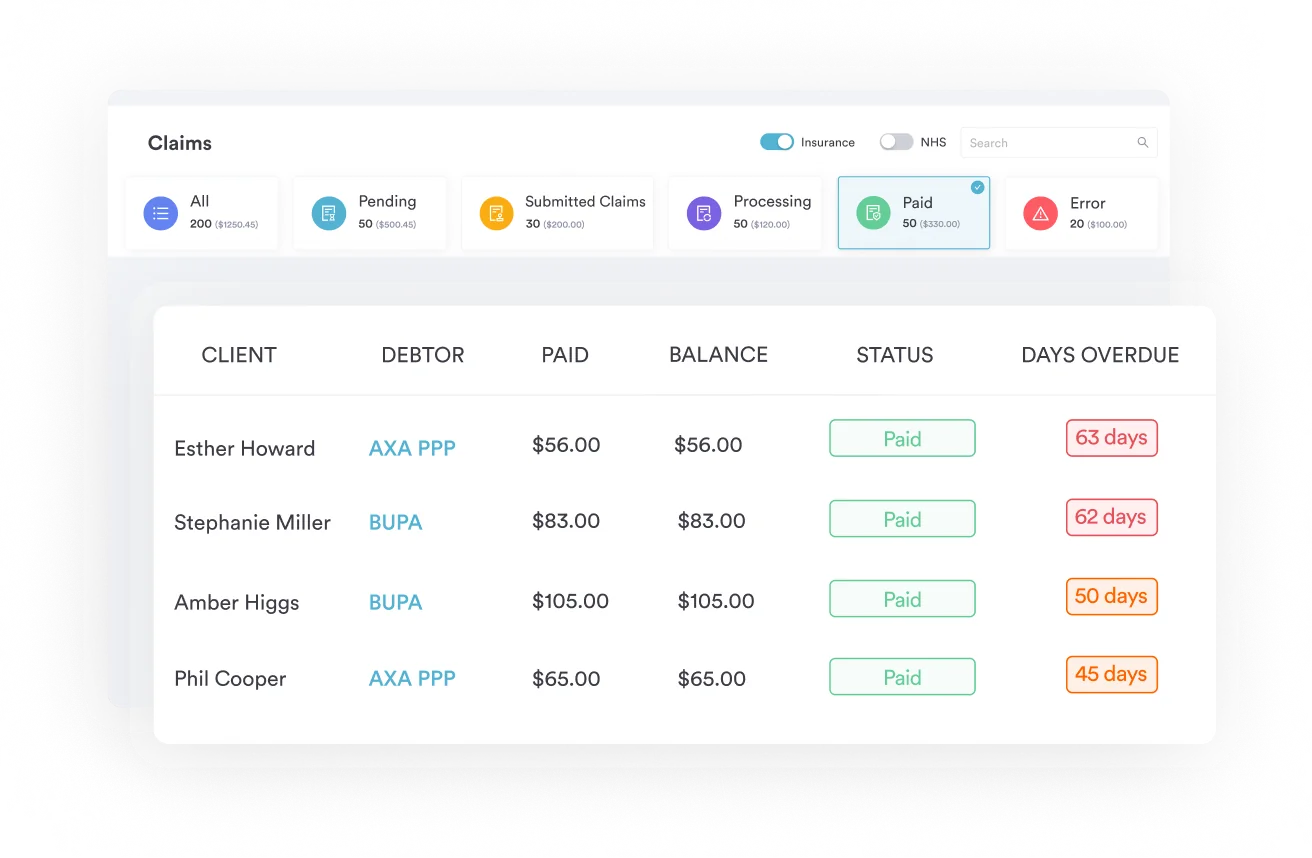
Infusion centers that bill Q0138 regularly benefit from a standardized workflow that reduces errors at each stage. Here is a condensed step-by-step process for clean Q0138 claims.
Review the AAPC’s HCPCS code reference to cross-check Q0138 properties before submitting, and use the PGM Billing HCPCS lookup tool for a quick free check of the code’s current billing properties. For IV therapy intake form templates that capture the clinical data required for Q0138 claims, a pre-built form cuts documentation time per infusion significantly.
Cross-check your Q0138 claims against your MAC’s quarterly ASP price file before submitting. If your acquisition cost exceeds the ASP payment limit, the buy-and-bill model may be unprofitable for that quarter. Some practices shift high-cost drug patients to specialty pharmacy during periods when ASP rates compress margins.
Ferumoxytol claims are denied for predictable reasons. Recognizing these patterns early makes appeals faster and prevents repeat errors.
You can correct most Q0138 denials on first appeal when the supporting documentation is already in the patient record. The key is having that documentation complete before the claim is initially submitted rather than gathering it after a denial arrives.
HCPCS Code Q0138 billing hinges on three things done correctly every time: the right code for the patient’s ESRD status, the correct JW or JZ modifier on every single-dose vial claim, and documentation that establishes medical necessity before the claim goes out. When those elements are in place, Q0138 claims clear at a high rate and appeals are rarely needed.
Pabau’s claims management software connects intake documentation, drug administration records, and billing workflows so the evidence supporting each Q0138 claim is already attached when it reaches the payer. To see how Pabau handles infusion billing workflows end to end, book a demo.

Billing for endovenous laser vein treatment? EVLT billing guide covers CCSD code L8512 and how it differs from the other two EVLT codes.
Treating both legs in one session? bilateral EVLT billing guide explains when CCSD code L8513 applies instead of the unilateral EVLT code.
Treating more than one vein in a leg? unilateral EVLT billing guide covers CCSD code L8514 for treating multiple venous trunks in a single leg.
HCPCS Code Q0138 is used to bill ferumoxytol (Feraheme) injections administered to non-ESRD patients for the treatment of iron deficiency anemia. It is billed per 1 mg of ferumoxytol, so a standard 510 mg vial equals 510 billable units.
Q0138 covers ferumoxytol for non-ESRD patients (not on dialysis), while Q0139 covers ferumoxytol for ESRD patients on dialysis. The drug and vial are identical; the patient’s ESRD and dialysis status determines which code applies. Billing the wrong code results in a denial.
Yes. CMS designated Feraheme (Q0138) as a single-dose container drug, so JW or JZ must appear on every Medicare Part B claim for Q0138. Append JZ when the full vial is administered and JW on a separate line for any discarded portion. This requirement has been in effect since January 1, 2023.
Q0138 is billed per 1 mg. A standard 510 mg/17 mL Feraheme vial equals 510 units. If 500 mg is administered and 10 mg is discarded, bill 500 units on the administered line and 10 units with the JW modifier on a separate waste line. Always base the unit count on the milligrams documented in the infusion administration record.
The primary NDC for Feraheme is 59338-0775-xx (510 mg/17 mL single-dose vial). Report it in 11-digit format with the “UN” qualifier and quantity in milligrams on the same claim line as Q0138. The exact package suffix (“xx”) varies by distributor configuration.
No. Ferumoxytol is billed with the HCPCS Q-code Q0138 for non-ESRD patients, or Q0139 for ESRD patients on dialysis. Unlike Venofer (J1756), Injectafer (J1439), and Ferrlecit (J2916), the drug was never assigned a J code, so coders must select the Q-code directly.
There is no CPT code for the ferumoxytol drug itself. The drug is reported with HCPCS code Q0138, while the CPT code applies only to the infusion administration, typically 96365 for the first hour and 96366 for each additional hour.
Payers most often accept ICD-10 code D50.9 (iron deficiency anemia, unspecified) on a Q0138 line, along with related codes such as D50.0, D50.1, and D50.8, or an anemia code tied to an underlying condition like chronic kidney disease or Crohn’s disease. Link the diagnosis that documents the patient’s iron deficiency to the claim.



