



CCSD code G5100: Bypass of duodenum billing guide
CCSD code G5100 bills a bypass that leaves the duodenum in place CCSD code G5100...

Last Updated: Oct 16, 2026

CPT code 20103 reports exploration of a penetrating wound of the extremity, including enlargement, debridement, foreign body removal, and minor vessel ligation.
The separate procedure designation means the code is bundled whenever a more definitive repair follows on the same site.
At the 2026 conversion factor of $33.40, the code’s RVUs work out to roughly $138 non-facility and $96 facility.
Denials on this code usually trace back to an operative note that never says what was ruled out.
Practices using Pabau keep the procedure note, the CPT code, and the paired diagnosis in one record before the claim goes out.
CPT code 20103 covers exploration of a penetrating wound to the arm or leg. It is the code a surgeon reports after a stab, gunshot, or impalement injury, to see how far the damage runs before deciding what comes next.
One word in the descriptor decides whether it gets paid: separate procedure. Explore the wound and stop there, and 20103 is billable on its own. Repair a tendon, a vessel, or a fracture in the same session, and the exploration folds into that code instead.
Most denials trace back to the note, not the code choice. Payers want to see what the surgeon ruled out, not just what they found, before they accept exploration as the whole procedure.
CPT code 20103 reports exploration of a penetrating wound of the extremity as a separate procedure. The official descriptor reads Exploration of penetrating wound (separate procedure); extremity.
The American Medical Association owns and maintains the CPT code set, and this code sits in the 20000 series for the musculoskeletal system.
Two words in that descriptor do most of the work. Separate procedure decides whether 20103 gets paid on its own or disappears into the code that follows it. Explore a stab wound to the forearm and stop there, and the code is billable. Repair a tendon in the same session, and it is not.
Penetrating wounds of the extremity include stab wounds, gunshot wounds, and impalement injuries of the arm or leg. The code covers exploration in the emergency department or the operating room. It does not cover the neck, chest, abdomen, flank, or back, which each carry their own code in the same family.
A 20103 exploration follows a predictable sequence, and the operative note should read the same way.
The physician opens the tract far enough to see, traces the path of the injury, and checks what the object reached.
Emergency and trauma teams reach for this code most often, but they are not the only ones. An orthopedic or sports medicine practice treating a penetrating injury on the field will use it too.
A documented circulation assessment before and after the exploration strengthens the note, because it shows why the deeper structures needed checking.
Report 20103 only when exploration was the most extensive thing you did. That is the whole test, and two cases make it concrete.
In the first, a patient arrives with a knife wound to the left calf. The surgeon extends the tract, irrigates it, removes a fragment of denim, and finds the muscle and neurovascular bundle intact. Nothing further is repaired, so 20103 is the code.
In the second, the same exploration reveals a partly lacerated flexor tendon, and the surgeon repairs it. Now the tendon repair code carries the whole service. Adding 20103 beside it counts as unbundling, and the claim will come back.
The pattern holds for vascular repair, fasciotomy, and fracture fixation. If a definitive procedure follows the exploration on the same site in the same session, the exploration belongs to it. Coders sometimes read the descriptor as permission to attach 20103 to every trauma claim, and that is where the denials start.
Modifiers tell the payer how or where the procedure happened without changing what the code means. Five come up regularly on wound exploration claims.
Check modifier policy with each payer before the claim goes out. Medicare and commercial insurers differ on which modifiers they accept and in which combinations.
A steady denial management routine catches the pattern early. Repeat rejections on the same modifier usually point at one payer rule, not one coder.
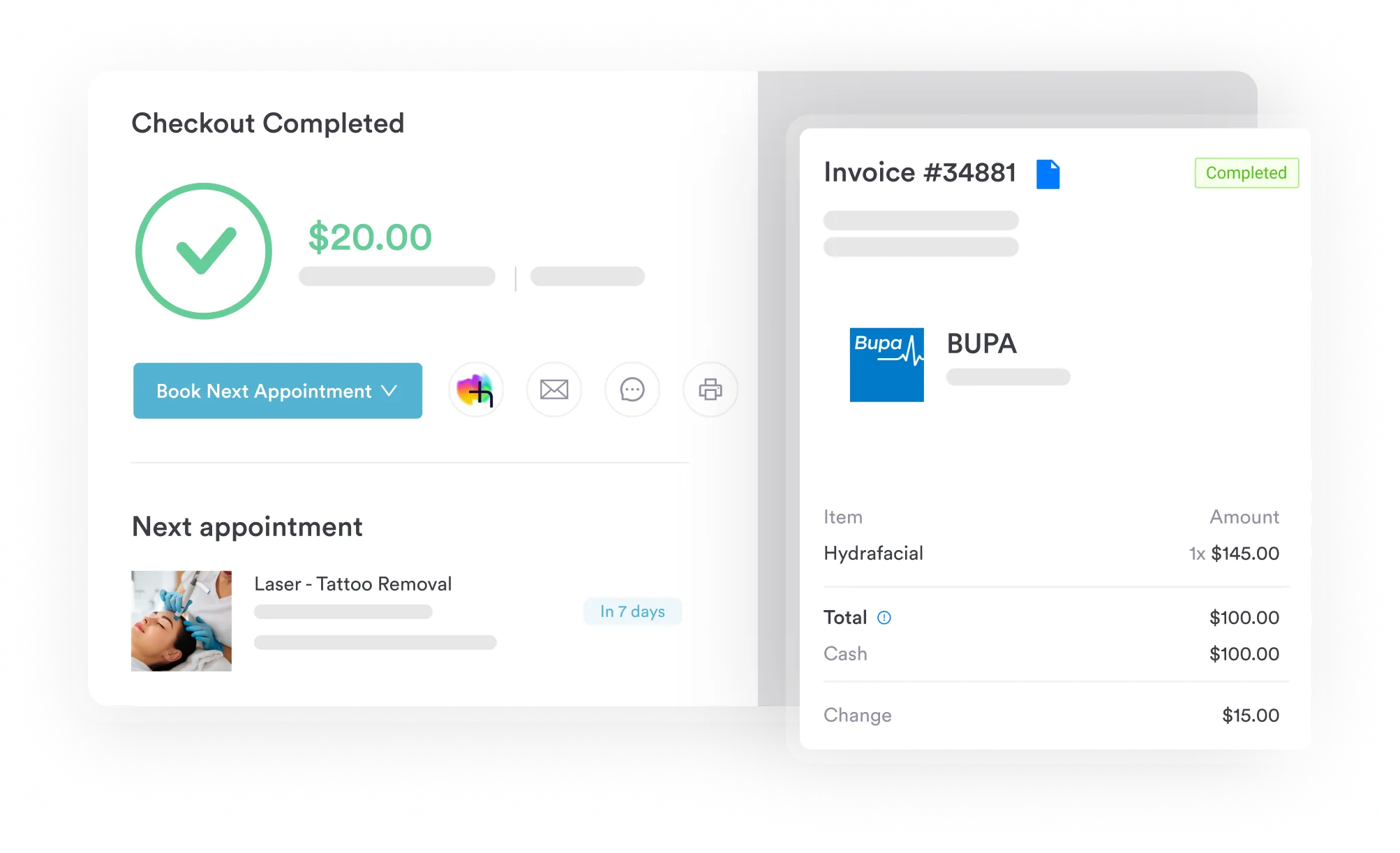
Payment comes from the Medicare Physician Fee Schedule, and two things move the number. The first is place of service, facility or non-facility. The second is your geographic locality.
2026 brought a wrinkle worth knowing about. CMS now runs two conversion factors, $33.57 for qualifying alternative payment model participants and $33.40 for everyone else. The figures below use $33.40 and the RVUs listed further down.
The non-facility rate is higher because the practice expense RVU carries the overhead your office absorbs. In a hospital or ambulatory surgery center, that overhead sits on the facility’s own claim. The physician side then covers professional work only.
Add the components and the math falls out. Non-facility totals 4.14 RVUs, which at $33.40 lands near $138. Facility totals 2.86 RVUs, or roughly $96. Geographic practice cost indices then adjust each component for your locality. Treat both figures as a starting point and confirm them in the CMS look-up tool.
Run the CMS look-up tool filtered to your Medicare Administrative Contractor (MAC) jurisdiction and your place-of-service code before you set a payment benchmark. National averages and locality-adjusted rates can sit far apart in high-cost areas such as Manhattan or San Francisco.
Every 20103 claim needs a diagnosis code that matches the wound being explored. The S-series open wound codes do most of the work here. Codes change each October, so check the current tabular list before you submit.
Pick the most specific code the note supports, and use the laterality-specific option wherever the side is documented. If the exploration turns up a vessel injury at the ankle or foot, ankle or foot, S95.919A describes it better than a plain open wound entry.
External cause codes are optional for many payers, but they back up medical necessity when an auditor asks why the wound needed exploring.
20103 is the extremity member of a four-code family, and anatomy is the only thing separating them. Choosing by severity instead of site is one of the most common trauma coding errors.
20680 turns up in the same searches because it shares the series, yet it describes removal of a buried pin, screw, or plate. Different job, different claim. Practices handling both trauma and elective orthopedics get cleaner code selection when their clinical record templates capture the operative detail that separates the two.
For a penetrating wound of the abdomen, flank, or back, 20102 is the right choice. When the work moves past exploration into muscle and fascia debridement, 11043 becomes the better fit.
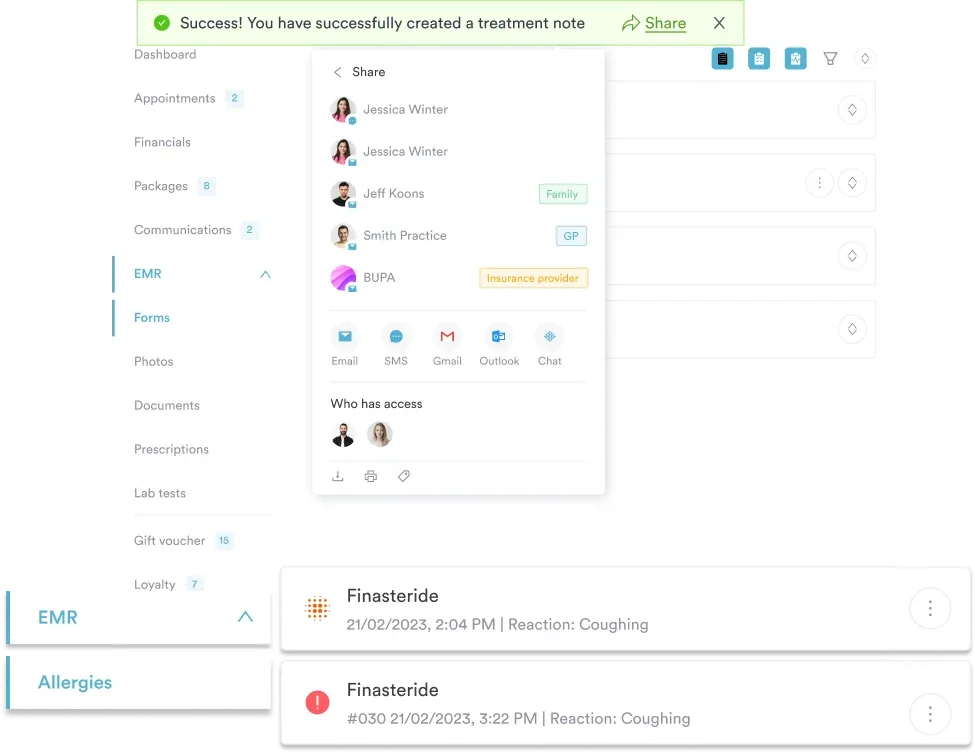
Knowing the rule is one thing. Following the claim through the system shows you where it actually breaks.
Most 20103 denials happen at adjudication, and the fix usually lives back at charge entry. A clean claim here means the code, the side, the modifier, and the diagnosis all agree with the note before anything leaves the practice.
Three mistakes account for most rejections. The first is billing 20103 next to a repair code on the same site. The second is leaving laterality off a claim the payer will not process without it. The third is a note that describes what was found but never says what was left alone.
Thin documentation, rather than the code itself, drives most 20103 recoupments. The operative note has to support every element of the descriptor, which comes down to six things.
Auditors look hardest at that last line. Without it, a reviewer cannot tell whether the exploration stood alone or led into something bigger. A sentence such as “no tendon, vascular, or bony injury identified, wound irrigated and explored without further repair” is enough. It does more for the claim than another paragraph of description.
Structured digital procedure forms that prompt for each element keep notes consistent when the department is busy. A templated operation note beats a freehand narrative for wound exploration, because the prompts do not forget the negative statement at 3AM.

Audit your own 20103 claims once a quarter. Filter the denial report for CO-97 and CO-B15, then read the matching operative notes side by side. Those two codes point straight at the cases where the separate procedure rule was never supported in writing.
Trauma and surgical teams write notes under time pressure, and the coding happens later, often from someone else’s shorthand. Practice management software like Pabau closes that distance by keeping the note and the claim in one record.
Pabau’s claims management software pre-fills the claim form straight from the record. The CPT code attached to the service lands on the charge line, and the diagnosis codes recorded against the client come with it. Built-in CPT and ICD-10 lookup libraries sit behind a search icon, and the claim stays locked until every required field is complete. Electronic remittance files post payments automatically, and the adjustment codes explain what was reduced and why. Choosing a level means weighing problems addressed, data reviewed and risk, which is what MDM documentation covers.
That matters for 20103, because the code’s validity depends on what else was billed in the same session. When the note, the code, the modifier, and the diagnosis live in one place, a coder sees the whole session at once. That is what settles whether the exploration stands alone.
Groups running several sites get one more thing. Pabau’s multi-location tools let a billing administrator work across facilities without switching systems, and claim status stays visible in one place. Plastic surgery practices juggling trauma referrals and elective lists tend to feel that difference most.
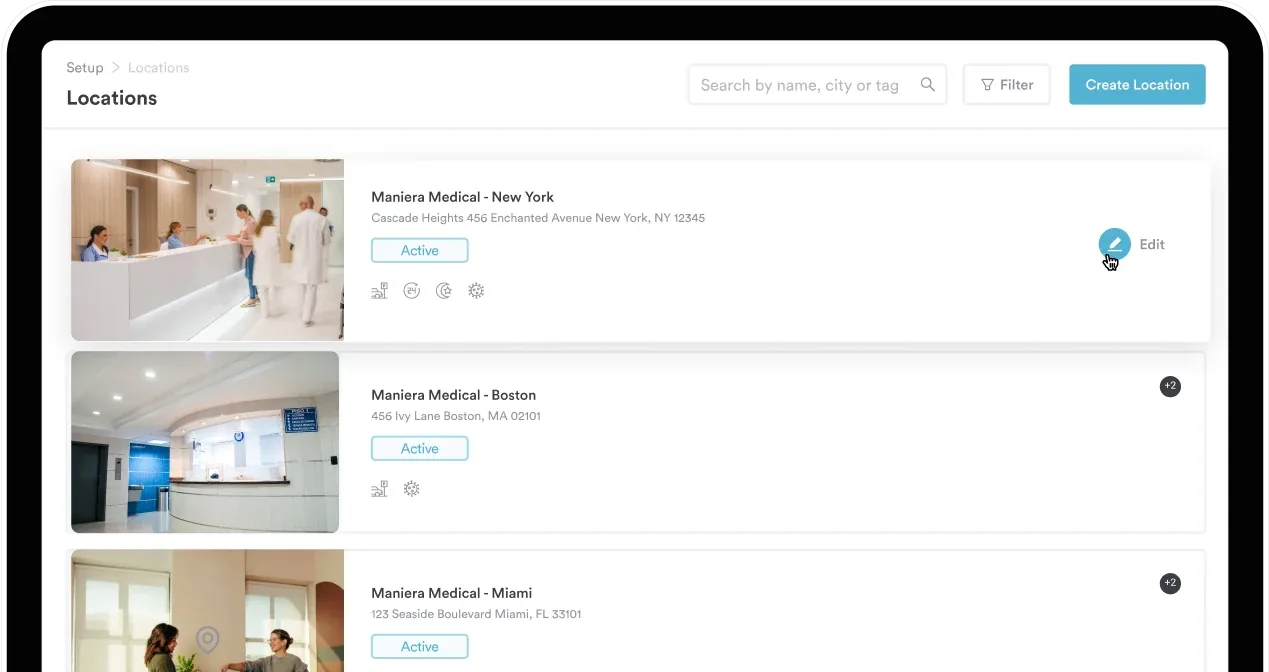

Pabau keeps the procedure note, the CPT code, and the paired diagnosis in one client record. Each claim stays locked until the required fields are complete, so your team submits from the note instead of rebuilding it.

20103 is a small code with a narrow window. It pays when exploration was the whole procedure, and it vanishes the moment something more definitive follows. Settle that question at the note, not at the claim, and most of the denial risk goes with it.
The practical move is to standardize the trauma note so the negative statement is never optional. Add a quarterly look at CO-97 denials, and one cycle will tell you whether the problem is your documentation or a payer rule. Pabau’s automated workflows can put that review on a schedule, so it happens without anyone remembering to run it.
Trauma billing rewards the practices that write the note once and bill straight from it. Book a demo to see how Pabau keeps wound exploration notes, codes, and claims in one place.

Exploring a penetrating wound of the abdomen, flank, or back? CPT code 20102 walks through the descriptor, the bundling rules, and the documentation that supports it.
Coding a vascular injury found during a hand exploration? S65.301D covers the encounter rules and the clinical detail a payer expects to see.
Billing a traumatic amputation rather than an exploration? S68.729A explains how partial amputations of the hand are coded and documented.
Still mapping how Medicare pays your practice? Medicare billing sets out the payment models, claiming channels, and compliance duties behind every fee schedule figure.
Coding an inflammatory hand osteoarthritis? erosive osteoarthritis diagnosis code identifies an inflammatory subtype of osteoarthritis affecting the small joints of the hands.
Use the place of service code that matches where the exploration happened. POS 11 covers an office, 22 covers hospital outpatient, 23 covers the emergency room, and 21 covers inpatient. The choice matters, because it decides whether Medicare pays the non-facility or the facility rate.
Yes. Extremity runs from the shoulder to the fingertips and from the hip to the toes, so hand and foot wounds belong here. When the wound involves a specific finger or toe, add the matching digit modifier so the payer can tell one digit from another.
Yes, when a bite penetrates the extremity and exploration is the only procedure performed. Bite wounds usually need irrigation and debridement, and both sit inside the exploration work. The diagnosis coding changes though, since the external cause code shifts to the animal or person responsible.
Yes, where the state scope of practice allows the procedure. Billed under the practitioner’s own national provider identifier, Medicare pays 85 percent of the physician fee schedule amount. Some services can be billed under a supervising physician instead, so check the payer’s rules first.
One unit per wound explored, not one per structure inspected inside it. A single stab wound to the calf is one unit, however many layers the surgeon checks. Two separate penetrating wounds on different sites can support two units, if the note documents each exploration on its own.



