CCSD code H4430: Examination of rectum under anaesthetic
CCSD code H4430 pays for the examination alone CCSD code H4430 is the UK private...

Last Updated: Oct 20, 2026
K0841 is the HCPCS Level II code for power wheelchair, group 2 standard, multiple power option, sling/solid seat/back, patient weight capacity up to and including 300 pounds.
That multiple power option is what separates K0841 from the rest of the group 2 family. It means the chair carries at least one powered seating function beyond drive, such as tilt, recline, or power leg elevation. Medicare treats those chairs differently, so K0841 pulls in coverage and documentation rules that K0835 never touches.
Let Pabau's smart automation suggest the right codes, reduce claim denials, and keep your practice compliant—effortlessly.
Automate repetitive tasks and focus on what matters most—your patients.
Reduce coding errors and ensure compliance with the latest regulations.
Clean claims, fewer denials, and faster reimbursements.
Powerful insights and reporting to help your practice thrive.
HIPAA compliant SOC 2 certified GDPR-compliant Trusted by 4,000+ clinics worldwide

HCPCS Code K0841 describes a power wheelchair, group 2 standard, multiple power option, sling/solid seat/back, patient weight capacity up to and including 300 pounds.
The multiple power option in that descriptor triggers coverage rules the single-power-option codes like K0835 do not carry.
Medicare wants a RESNA-certified assistive technology professional involved in person when a K0841 chair is selected.
CMS dropped the Certificate of Medical Necessity for DMEPOS claims dated January 1, 2023 or later.
Practice management software like Pabau tracks the documents, modifiers, and rental months each K0841 claim depends on.
K0841 is an active HCPCS Level II code maintained by the Centers for Medicare and Medicaid Services (CMS). It classifies one type of power wheelchair for billing under Medicare Part B and commercial plans that follow HCPCS coding.
Each element of the descriptor is a coding classification, and each one changes what the payer expects. Read them in order and the coverage rules follow.
Descriptor matching decides the code. Billing K0841 for a chair with no power seating option is a documentation error the payer can recover on. So is billing it for a chair with a custom rehab seating system. Check the delivered device against the full descriptor before the claim goes out.
Medicare reimbursement for K0841 varies by MAC jurisdiction and is updated annually in the DMEPOS fee schedule. The CMS fee schedule lookup gives jurisdiction-specific allowables. Pull the current DMEPOS file for the billing jurisdiction before you submit, because rural and urban localities differ.
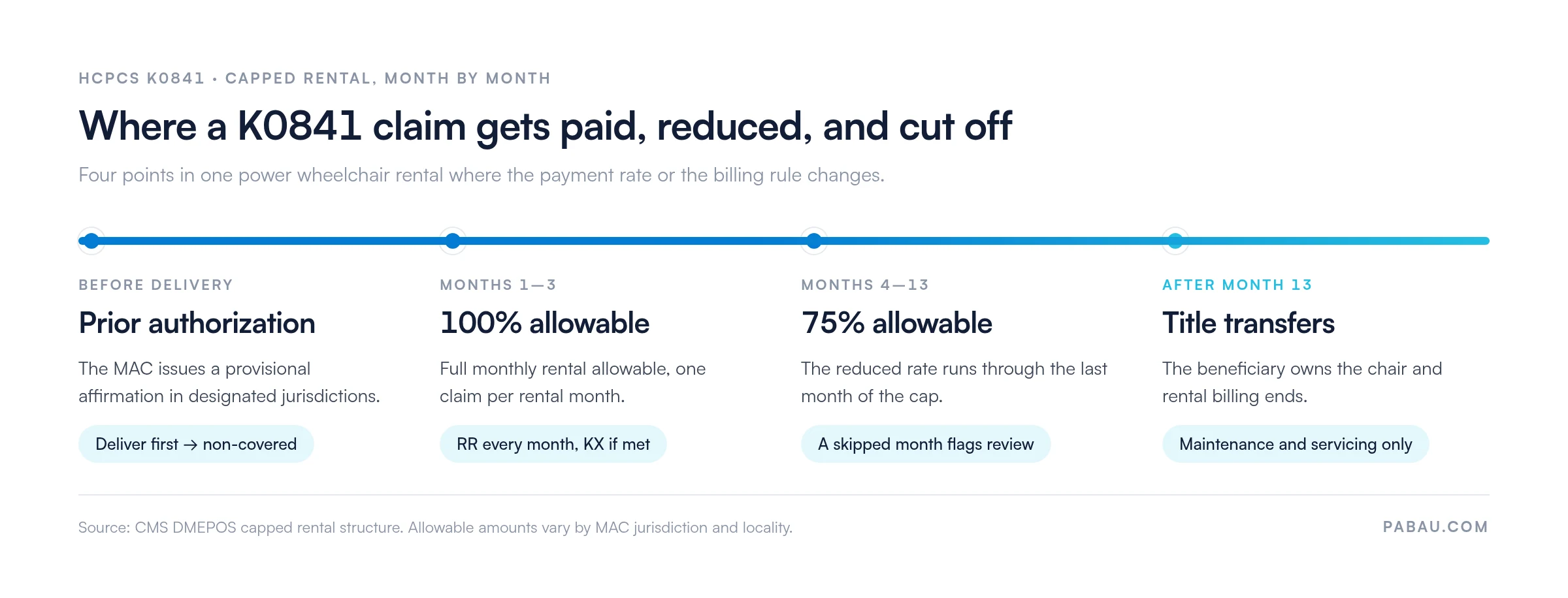
Power wheelchairs are capped rental items, so the money arrives on a clock rather than in one payment. Ownership transfers to the beneficiary after the 13-month cap, and the supplier’s rental billing ends there.
Billing past month 13 without a valid maintenance and servicing modifier is a common audit trigger. The four points below are where the payment rate or the billing rule changes on a single rental.
Medicare Part B covers K0841 only when the beneficiary meets every functional and clinical condition in the applicable Local Coverage Determination. The LCD is issued by the MAC for the beneficiary’s jurisdiction. Coverage for a group 2 multiple power option chair requires all of the following.
The last two conditions are the K0841-specific part, and they are the ones a supplier new to power mobility tends to miss. K0835 and the other single power option codes do not carry them. The moment a powered seating function goes on the order, the claim needs an ATP in the room and a written specialty evaluation behind it.
Checking eligibility before the order is written catches the beneficiary who does not meet the LCD, while there is still time to change course. Coverage that cannot be documented before delivery leaves the supplier carrying the whole cost.
Incomplete documentation drives most K0841 denials and most post-payment recoupments. Every element below belongs in the beneficiary’s file before delivery and before the claim goes out.
The retired CMN still causes trouble, because plenty of internal checklists and payer portals were built around it. If yours still asks for a CMS-849, that form is the seat lift mechanism CMN and was never the power wheelchair document. Update the checklist to the order and the evaluation reports instead.
Capturing each element as its own field, rather than as a scan in a folder, is what makes the file hold up at audit. Paper workflows tend to lose the delivery receipt and the ATP record first.
Power wheelchairs sit inside the CMS prior authorization program for certain DMEPOS items. K0841 needs prior authorization in designated MAC jurisdictions before the chair reaches the beneficiary. Deliver before the decision arrives and the claim becomes a non-covered service, with no appeal on medical necessity.
The submission carries the written order, the face-to-face evaluation notes, and the specialty evaluation report. The MAC issues a provisional affirmation when the packet shows the coverage criteria are met. That affirmation is not a promise of payment, because the final claim still has to show the delivered chair matches the authorized item.
Tracking authorization status across several open K0841 cases by hand is where suppliers lose time. A workflow that records each decision, ties the authorization number to the claim, and warns you before an affirmation expires cuts the authorization-related denials.
Check the applicable MAC’s LCD and policy articles for the current jurisdiction list, since the program has expanded over several coverage cycles.
Request the prior authorization packet from the treating physician before you schedule delivery. A complete submission on the first attempt avoids the 6-14 business day resubmission delay that pushes the delivery date and the revenue with it.
Modifier assignment is where most K0841 claims succeed or fail. The modifier tells the MAC what documentation exists and whether the coverage criteria were met. Missing and incorrect modifiers are a leading cause of the denial management backlog DMEPOS suppliers carry. Here is the decision framework for K0841.
The rest of the mechanics are routine and easy to drop. Submit one claim per rental month, bill on the first day of that month, and append RR every time. A skipped month leaves a system flag that can pull the account into prepayment review.
A clean K0841 claim carries the correct HCPCS code and the KX and RR modifiers where they apply. It also needs the place of service code, usually 12 for home, and a valid DMEPOS supplier number. Across a 13-month rental, that is 13 chances to get one field wrong. It is also the argument for a billing workflow that fires the monthly trigger for you.
K0841 sits in a family of group 2 power wheelchair codes. They vary on three axes: the seating system, the weight capacity, and the number of power options. Our HCPCS codes index carries the neighboring K-codes in full.
Two miscoding errors account for most of the trouble in this family. The first is billing K0841 for a captains chair, which belongs on K0842. The second is billing K0841 for a beneficiary above 300 pounds, where the 301 to 450 pound equivalent is K0843 rather than K0840.
K0840 gets picked by mistake because its number sits next to K0841 in the range. It is the extra heavy duty single power option chair for 601 pounds and above, which is a different chair entirely. An HCPCS Level II code lookup settles the descriptor before you commit.
When a beneficiary qualifies for a power seating add-on, confirm the base chair code matches the seating system first. That covers tilt, recline, and elevating legrests. A wrong base code cascades into add-on code mismatches, and that pulls the whole claim into review.
Billing K0841 takes more than choosing the code. The order sits with the treating physician and the specialty evaluation sits with an LCMP. The ATP record sits with the supplier, and the rental clock runs for 13 months. Plenty of DMEPOS teams hold that together across a spreadsheet, an inbox, and the payer portal.
Practice management software like Pabau keeps those pieces on one record. Pabau’s claims management software builds the claim with modifier fields attached and tracks which documents are on file.
It also connects the clinical record to the billing workflow. So the person submitting month seven can see the order, the evaluation, and the delivery proof without chasing three people for them.
The outcome is fewer denials you have to work twice. A claim that leaves with the right modifier and a complete file the first time does not come back as a resubmission six weeks later.
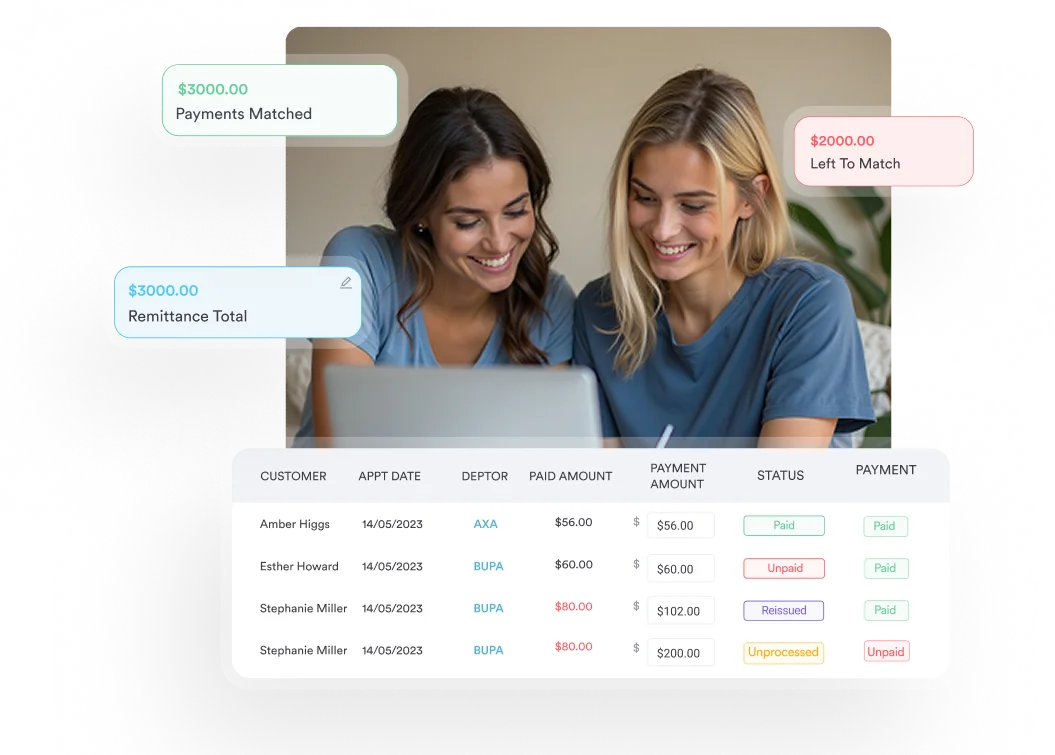

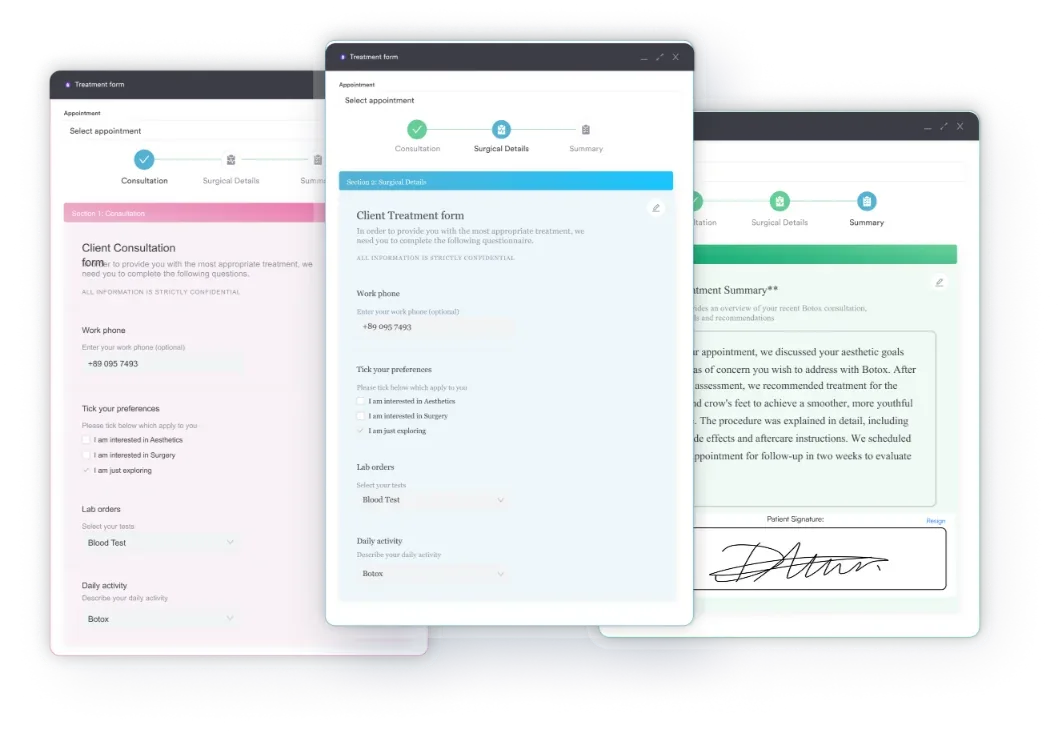
Pabau tracks the written order, the specialty evaluation, the modifiers, and the rental month for each DME claim. Your billing team can see what is missing before the claim goes out.

K0841 is not a hard code to choose. It is a hard code to document. The multiple power option pulls in an ATP, a specialty evaluation, and a prior authorization that the single power option codes skip.
So the decision worth making now is where those documents live. If the order, the evaluation report, and the delivery proof sit in the same record as the claim, month 13 arrives without a scramble. If they sit in three inboxes, the audit finds the one that is missing.
The trade-off is honest: setting that up costs a week of workflow design, and it saves the resubmissions you would otherwise work all year. Book a demo to see how Pabau tracks K0841 documents, modifiers, and rental months on one claim record.

Need a structured approach to medical billing compliance? Medical billing compliance essentials covers the documentation standards and audit-readiness practices billing teams are held to.
Working a growing pile of DME denials? Denial management in healthcare sets out the root causes of claim denials and the workflows that head them off.
Want the first-pass rate up on your DMEPOS claims? What makes a clean claim walks through the fields that have to be right before a claim leaves the practice.
Billing Medicare Part B beyond the K-codes? Medicare billing explains enrollment, claim submission, and the rules that apply across Medicare claim types.
Looking for an overview of the billing lifecycle? What is revenue cycle management explains the process end to end, from the eligibility check to payment posting.
HCPCS Code K0841 is an active HCPCS Level II code. It describes a power wheelchair, group 2 standard, multiple power option, sling/solid seat/back, patient weight capacity up to and including 300 pounds. DMEPOS suppliers and practice billing teams use it to bill Medicare Part B and commercial plans for this category of power wheelchair.
K0841 rates vary by MAC jurisdiction and are published annually in the CMS DMEPOS fee schedule. They are structured as capped rental allowables, at 100% of the monthly allowable for months 1 to 3 and 75% for months 4 to 13. Ownership then transfers to the beneficiary. Pull the current CMS fee schedule file for the billing jurisdiction to confirm exact amounts.
Yes, K0841 requires prior authorization in designated MAC jurisdictions under the CMS prior authorization program for certain DMEPOS items. Delivering the chair before the provisional affirmation arrives turns the claim into a non-covered service. Check the current jurisdiction list with the applicable MAC before you schedule delivery.
K0841 is generally billed as a capped rental item under Medicare. The rental cap runs 13 months, after which title to the chair transfers to the beneficiary. Purchase may be available in limited circumstances, depending on payer policy. Confirm the billing method with the MAC’s LCD and the beneficiary’s coverage terms before delivery.
K0840 describes a power wheelchair, group 2 extra heavy duty, single power option, sling/solid seat/back, patient weight capacity 601 pounds or more. K0841 is the group 2 standard chair with a multiple power option for a patient weight capacity up to and including 300 pounds. The two codes differ on both weight class and power configuration. For a beneficiary in the 301 to 450 pound band who needs multiple power options, the correct code is K0843.
Coverage requires a mobility limitation affecting activities of daily living in the home. A manual wheelchair, cane, walker, scooter, or group 1 power wheelchair must be unable to address it. The beneficiary must be able to operate the chair safely, and a treating physician must document the clinical basis in a face-to-face evaluation. K0841 also requires a RESNA-certified ATP involved in person in the chair selection, plus an LCMP specialty evaluation supporting each power seating function.