CCSD code H4430: Examination of rectum under anaesthetic
CCSD code H4430 pays for the examination alone CCSD code H4430 is the UK private...

Last Updated: Oct 20, 2026
K0838 is the HCPCS Level II code for power wheelchair, group 2 heavy duty, single power option, captains chair, patient weight capacity 301 to 450 pounds.
Let Pabau's smart automation suggest the right codes, reduce claim denials, and keep your practice compliant—effortlessly.
Automate repetitive tasks and focus on what matters most—your patients.
Reduce coding errors and ensure compliance with the latest regulations.
Clean claims, fewer denials, and faster reimbursements.
Powerful insights and reporting to help your practice thrive.
HIPAA compliant SOC 2 certified GDPR-compliant Trusted by 4,000+ clinics worldwide

HCPCS code K0838 describes a power wheelchair, group 2 heavy duty, single power option, captains chair, for patients weighing 301 to 450 pounds.
K0838 is billed under Medicare Part B as DMEPOS and requires prior authorization under the CMS DMEPOS Prior Authorization Program before the supplier delivers the equipment.
Documentation must include a face-to-face examination, a detailed written order, and physician notes confirming the patient’s mobility limitation — missing any one of these is the most common cause of claim denial.
Modifier KX is required when all LCD coverage criteria are met; modifier GA is used when the beneficiary has been notified of potential non-coverage via an Advance Beneficiary Notice.
The table below captures the key metadata for HCPCS code K0838 as published by CMS in the HCPCS Level II code set. Verify the effective date and status against the current CMS annual release before billing.
CMS updates DMEPOS fee schedule rates annually. The figures below reflect the 2026 Medicare fee schedule as published by CMS; verify current rates directly via the CMS fee schedule lookup tool before submitting claims, since rates can be adjusted by geographic locality. Tracking electronic remittance advice for K0838 claims helps identify rate discrepancies early.
Important: Specific dollar amounts for K0838 in 2026 must be sourced directly from the CMS DMEPOS fee schedule file, as third-party aggregators may not reflect mid-year corrections or competitive bidding adjustments. Never bill based on estimated figures.
Coverage criteria for power mobility devices are governed by Local Coverage Determinations (LCDs) issued by the applicable Medicare Administrative Contractor (MAC). Noridian covers DMEPOS Jurisdictions A and D; CGS Administrators covers Jurisdictions B and C. The criteria below reflect the general PMD LCD framework. Confirm the specific LCD in your jurisdiction before assuming coverage.
Maintaining thorough medical billing compliance records that document each of these criteria is essential. Claims submitted without evidence of all applicable criteria are a primary target for MAC post-payment audits.
CMS requires prior authorization for K0838 under the DMEPOS Prior Authorization Program. This program was established to curb improper payments for high-utilization DME items. Prior authorization must be obtained before the supplier delivers the equipment — retroactive authorization is not accepted.
The prior authorization process differs between Medicare fee-for-service and Medicare Advantage plans. For HIPAA-compliant medical offices managing DME billing, maintaining a clear PA workflow prevents delivery holds and revenue delays.
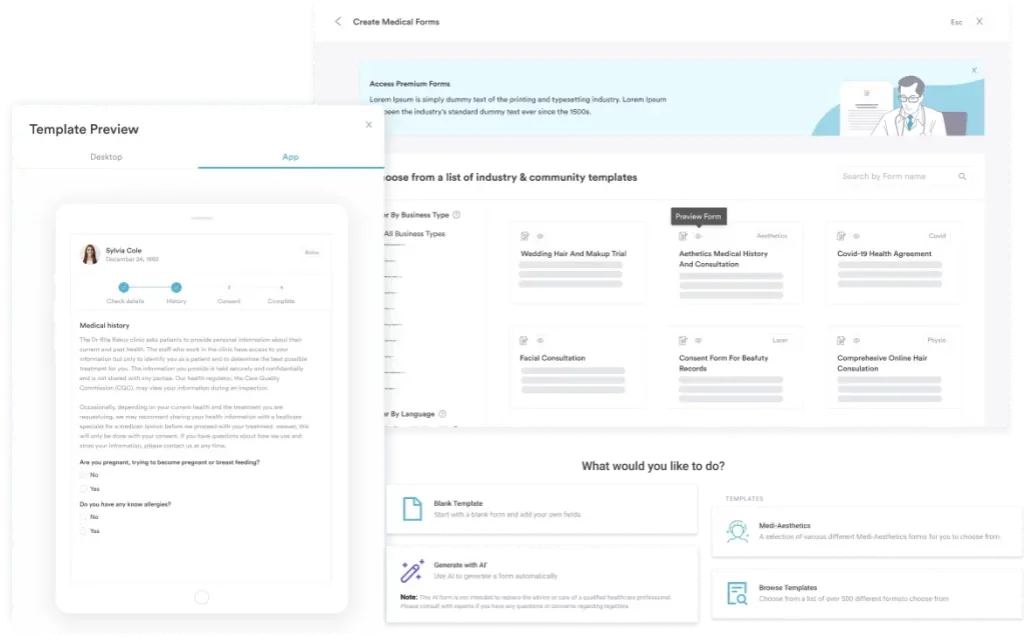
Incomplete documentation is the leading cause of K0838 claim denial and post-payment audit recoupment. The checklist below covers the core documents required at the time of claim submission. Using digital forms and documentation systems reduces the risk of missing items in the patient record.
Strong superbill documentation practices that capture all required fields at the point of care save significant rework later. Coders should verify the DWO date against the F2F date before submission — an order that predates the examination is an automatic denial trigger.
Billing HCPCS code K0838 correctly requires applying the right modifier combination. Modifier errors are one of the top reasons DME claims are flagged for review. Supporting strong revenue cycle management processes helps DME teams apply modifiers consistently. The table below lists the modifiers most commonly used with K0838.
Verify modifier requirements with your DMEPOS MAC before submitting. Robust denial management processes should include a modifier audit step: confirm KX is present on every claim where documentation supports medical necessity, and confirm GA is present on every claim where an ABN was obtained.
Place of service is not a field on DMEPOS claims in the same way as physician claims — DME is billed with a supplier number and the beneficiary’s address. Confirm with your MAC that the delivery address matches the beneficiary’s home address on file with Medicare.
Run a pre-submission modifier audit on every K0838 claim. Confirm KX is attached where all LCD criteria are met, RR or NU reflects the correct equipment status, and the claim includes the provisional affirmation number from the prior authorization. Catching these before submission eliminates the most common denial reasons for this code.
K0838 sits within the Group 2 power wheelchair family alongside four adjacent codes. Selecting the wrong code — particularly confusing K0835 (standard weight) with K0838 (heavy duty) — is a common error that triggers medical review. The table below summarises the key differences. For a broader look at HCPCS K-codes, the AAPC HCPCS code lookup and PGM Billing’s HCPCS tool both provide searchable reference databases.
Key selection rule: K0838 versus K0837 is decided by seat configuration (captains chair versus sling/solid), not weight. Both cover 301-450 lbs. K0838 versus K0836 is decided by weight (K0836 covers up to 300 lbs only). If the patient’s documented weight is below 301 lbs, K0838 is incorrect regardless of the chair type ordered.
DME suppliers billing HCPCS code K0838 manage multiple parallel workflows — prior authorization tracking, documentation collection, modifier assignment, and claim submission — simultaneously across dozens or hundreds of active orders. A single dropped step in any workflow results in denial or recoupment. This is where integrated claims management software changes the outcome.
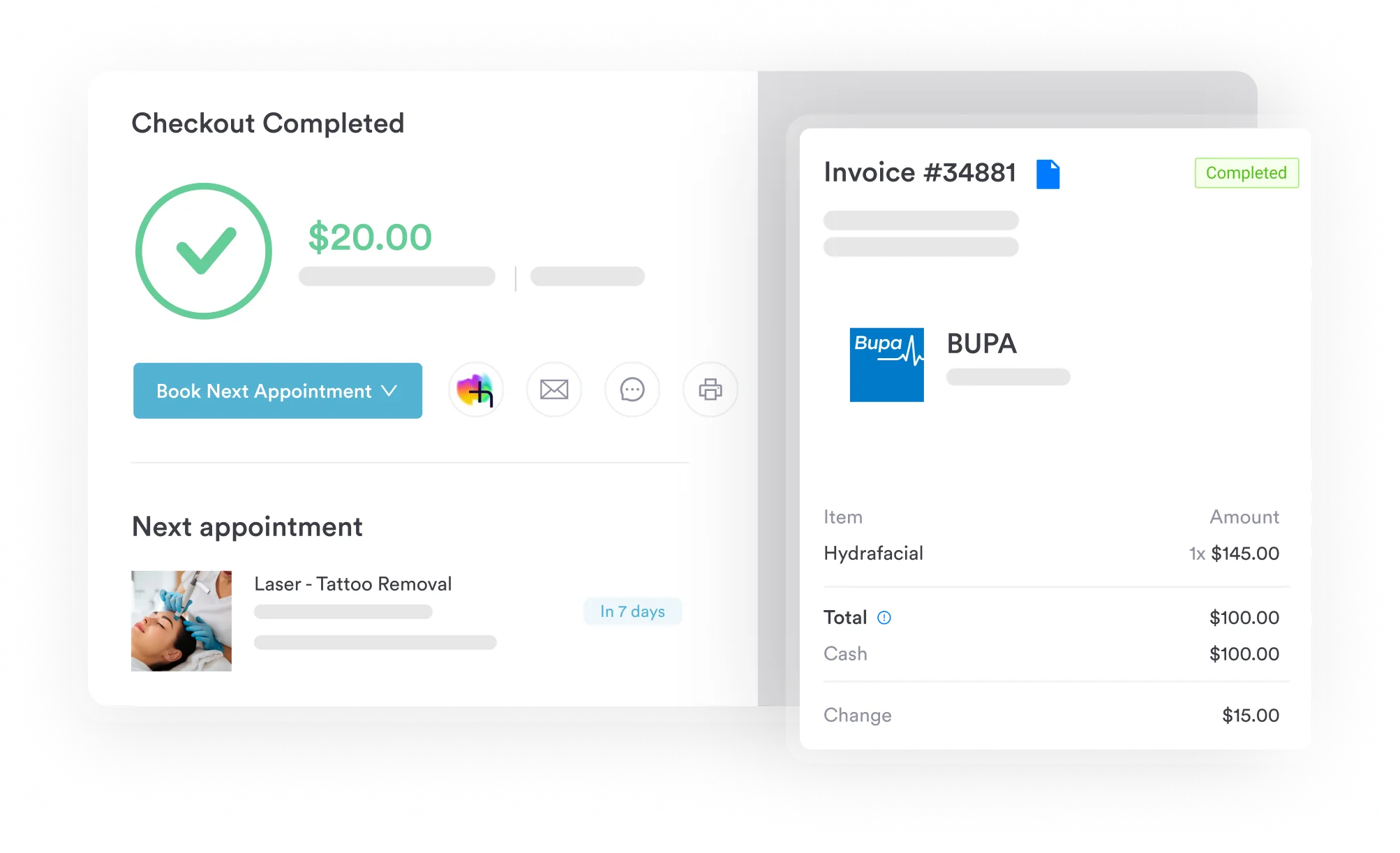
Pabau’s practice management platform supports DME and healthcare supplier billing teams with structured workflow tools that reduce manual tracking errors. Establishing clean clean claim submission habits through automation is one of the highest-leverage changes a DME billing team can make. Key capabilities relevant to K0838 billing workflows:
Sound revenue cycle management for DMEPOS billing starts with the intake workflow and ends with denial resolution. Each step is traceable when documentation lives in one system rather than across disconnected spreadsheets and fax logs.

Pabau helps DME suppliers and healthcare billing teams manage prior authorization tracking, documentation checklists, modifier assignment, and claim submission in one place. See how it works for your practice.

Document the beneficiary’s weight in pounds in the physician notes and on the CMN every time, not just in the intake record. Auditors reviewing K0838 claims routinely flag cases where the weight supporting the heavy-duty designation cannot be found in the clinical documentation submitted with the prior authorization request.
HCPCS code K0838 is straightforward in definition but demanding in execution. The heavy-duty weight threshold, captains chair configuration, and single power option must all match the equipment ordered and the patient’s documented clinical profile. Prior authorization, a complete documentation package, and correctly applied modifiers (especially KX) determine whether the claim pays or denies.
Pabau’s claims management software helps DME billing teams build the structured workflows that prevent K0838 denials before they happen. To see how Pabau supports DMEPOS billing documentation and claim submission, book a demo.

Need a foundation for your DME billing process? What is medical billing covers the core concepts every DME supplier team should understand before building a billing workflow.
Struggling with claim rejections? Clean claim submission explains the requirements that prevent claims from being returned before they reach the adjudicator.
Want to understand how denials fit into the revenue cycle? Superbill documentation outlines how thorough billing records prevent the most common denial triggers for DMEPOS codes.
HCPCS code K0838 is used to bill a power wheelchair classified as group 2 heavy duty, single power option, captains chair configuration, for patients whose weight falls between 301 and 450 pounds. It is a Level II HCPCS code billed under Medicare Part B as a DMEPOS item. Suppliers use it when the beneficiary requires a power mobility device with a higher weight capacity than the standard Group 2 codes (K0835 or K0836) cover.
The 2026 Medicare reimbursement rate for K0838 is published in the annual CMS DMEPOS fee schedule file and varies by geographic locality and competitive bidding area. Medicare pays 80% of the fee schedule amount after the Part B deductible; the beneficiary is responsible for the remaining 20%. For the current specific rate, access the CMS fee schedule lookup tool at cms.gov or the published DMEPOS fee schedule file — never rely on third-party aggregator figures without cross-referencing the official CMS source.
Yes, K0838 requires prior authorization under the CMS DMEPOS Prior Authorization Program for Medicare fee-for-service claims. Prior authorization must be obtained from the applicable DMEPOS MAC (Noridian or CGS) before the equipment is delivered to the beneficiary. Medicare Advantage plans may have different or additional PA requirements — contact the specific plan before ordering.
The most critical modifier for K0838 is KX, which is required when all LCD coverage criteria are satisfied and documentation is on file — without it, the claim is automatically denied. GA is used when an Advance Beneficiary Notice has been signed and coverage is uncertain. NU applies when billing a new equipment purchase; RR applies for capped rental billing periods; UE applies when supplying used equipment. GY and GZ are used when coverage is not expected and no ABN was obtained, respectively.
K0835 covers a standard Group 2 power wheelchair with a sling or solid seat for patients weighing up to 300 pounds, while K0838 covers a Group 2 heavy duty power wheelchair with a captains chair for patients between 301 and 450 pounds. The two codes differ on both weight capacity and seat configuration. Billing K0835 for a patient who weighs over 300 pounds will result in a claim denial, as the code does not match the patient’s documented weight.
Medicare Advantage plans generally cover the same DMEPOS items as traditional Medicare, including power wheelchairs billed under K0838, but coverage criteria, prior authorization requirements, and reimbursement rates vary by plan. Some MA plans have more restrictive coverage criteria or require PA from a separate review organization. Always verify K0838 coverage and PA requirements directly with the specific Medicare Advantage plan before ordering the equipment.