CPT Code 62284: Injection procedure for myelography
CPT Code 62284: official descriptor and procedure overview The American Medical ...

Last Updated: Oct 19, 2026
G0141 is the HCPCS Level II code for screening cytopathology smears, cervical or vaginal, performed by automated system, with manual rescreening, requiring interpretation by physician.
All three steps have to be documented before the code holds up. Drop one and a different G-code applies, which is the most common source of G0141 denials.
Let Pabau's smart automation suggest the right codes, reduce claim denials, and keep your practice compliant—effortlessly.
Automate repetitive tasks and focus on what matters most—your patients.
Reduce coding errors and ensure compliance with the latest regulations.
Clean claims, fewer denials, and faster reimbursements.
Powerful insights and reporting to help your practice thrive.
HIPAA compliant SOC 2 certified GDPR-compliant Trusted by 4,000+ clinics worldwide

HCPCS Code G0141 covers a cervical or vaginal screening smear read by an automated system, manually rescreened, then interpreted by a physician.
Medicare Part B covers G0141 every 24 months for standard-risk women, and once a year for those who meet high-risk criteria.
Every G0141 claim needs a paired ICD-10-CM diagnosis code, and a missing or mismatched pairing is the top denial reason.
Bill Q0091 separately for collecting the specimen, because G0141 pays only for the laboratory analysis and the physician read.
Practice management software like Pabau can surface the last screening date and the risk documentation before the claim goes out.
HCPCS Code G0141 is a Level II HCPCS G-code maintained by the Centers for Medicare and Medicaid Services (CMS). It describes one specific cytopathology workflow, and three distinct steps must all occur for the code to apply.
Three elements must coexist for G0141 to be the correct code. First, the specimen is a cervical or vaginal smear collected for screening. Second, an automated system performs the analysis, such as ThinPrep Imaging or a comparable CMS-recognized cytology platform.
Third, the slide undergoes manual rescreening and a physician interprets it. Remove any one of those elements and a different code applies.
G0141 sits within a family of cytopathology codes. Choosing the wrong one is the single most common reason claims for this service type are denied. The table below maps each code to its specific method and interpretation requirement.
The decision point is straightforward. Use G0141 when the laboratory runs the specimen through an automated system, manually rescreens it, and a physician provides the interpretation. If the automated system reads the slide without a manual rescan, use G0123 or G0147 or G0147, depending on the smear preparation. If the physician interprets without the manual rescreening step, use G0124. If a cytotechnologist screens and rescreens a thin-layer slide by hand, use HCPCS code G0143. Payment posting from a remittance file is faster than manual entry and keeps the adjustment reasons attached.
G-codes like G0141 are Medicare-specific. Commercial payers usually want the CPT equivalent for the same work, which is the same split practices hit with IVF CPT codes. Confirm the payer’s code set before you submit.
According to CMS, Medicare Part B covers G0141 as a preventive screening benefit for cervical and vaginal cancer. Coverage is not automatic for every female beneficiary. Two eligibility categories apply, each with its own frequency limit.
Practices serving women’s health need to know which category each patient falls into. OB-GYN practice management software should make that status visible at the point of billing. Bill the annual frequency for a standard-risk patient, or the 24-month frequency for a high-risk one, and the claim is wrong either way.
CMS MLN909032 defines two frequency tiers. Verify which one applies before you bill.
Medicare’s high-risk factors for cervical and vaginal cancer screening are:
High-risk status must be documented in the patient’s record and supported by the ICD-10-CM codes on the claim. A claim billed at annual frequency with only a screening Z-code, and no risk-factor code, will often deny. MAC-specific Local Coverage Determinations (LCDs), such as Noridian’s for the JF jurisdiction, can add documentation requirements beyond national policy.
Every G0141 claim submitted to Medicare needs at least one paired ICD-10-CM diagnosis code. CMS and MAC LCDs specify which diagnosis codes are accepted. Submitting G0141 without a covered diagnosis is a guaranteed denial.
ICD-10-CM codes update every October, so verify the accepted list against your MAC’s current LCD before billing. The table above reflects codes commonly cited in CMS MLN909032 and Noridian JF guidance, and payer-specific lists vary. A claim carrying a diagnosis that is not on the list comes back with a medical necessity denial code.
CMS updates HCPCS G-code reimbursement rates every year through the Physician Fee Schedule. Any dollar figure in a static reference can go stale within months of that update. Look up the current G0141 rate in the CMS Fee Schedule search tool, which searches by HCPCS code, locality, and effective date.
As a preventive service under Medicare Part B, G0141 is generally reimbursed at 100% of the allowed amount. The beneficiary owes no copayment or deductible when billing and eligibility conditions are met. Facility and non-facility rates differ. The AAPC HCPCS lookup shows the most recently published Medicare pricing alongside code details.
Pull G0141 rates from the CMS Physician Fee Schedule search tool using the current year and your MAC locality code. Third-party rate tables refresh on their own schedules and can miss mid-year corrections. The lookup takes two minutes and keeps your patient estimates accurate.
Accurate G0141 billing takes more than the code itself. The claim needs documentation that verifies the screening method, the patient’s eligibility category, and the timing against her history. HIPAA-compliant billing matters here too, because the Security Rule covers how that claim data is stored and transmitted.
Strong compliance management tracks which patients sit inside their billing window, and captures the documentation before the claim goes out. Well-structured medical forms do the same job at intake. A patient billed at high-risk frequency without supporting notes is an audit finding waiting to happen, even where the clinical picture supports annual coverage.
Denial patterns for G0141 cluster around a handful of repeatable mistakes. A short pre-submission check catches almost all of them, which is what separates a clean claim from a reworked one.
Some rejections look like coding errors and are really formatting problems. The Electronic Data Interchange standards under HIPAA set how claim data is structured, and a malformed 837 file bounces before anyone reviews the codes.
Preventive codes like G0141 expose one weak spot in manual billing: the frequency check. A busy women’s health or sexual health practice cannot track the last-billed screening date for every beneficiary by hand. When that check fails, the claim denies, and someone has to rework and resubmit it inside the filing limit.
Practice management software like Pabau keeps that history on the patient record instead of in someone’s memory. Every past appointment, treatment note, and screening date sits on the record your team already opens to bill. Pabau’s claims management then submits the claim and tracks its status, so a denial surfaces in days rather than weeks.
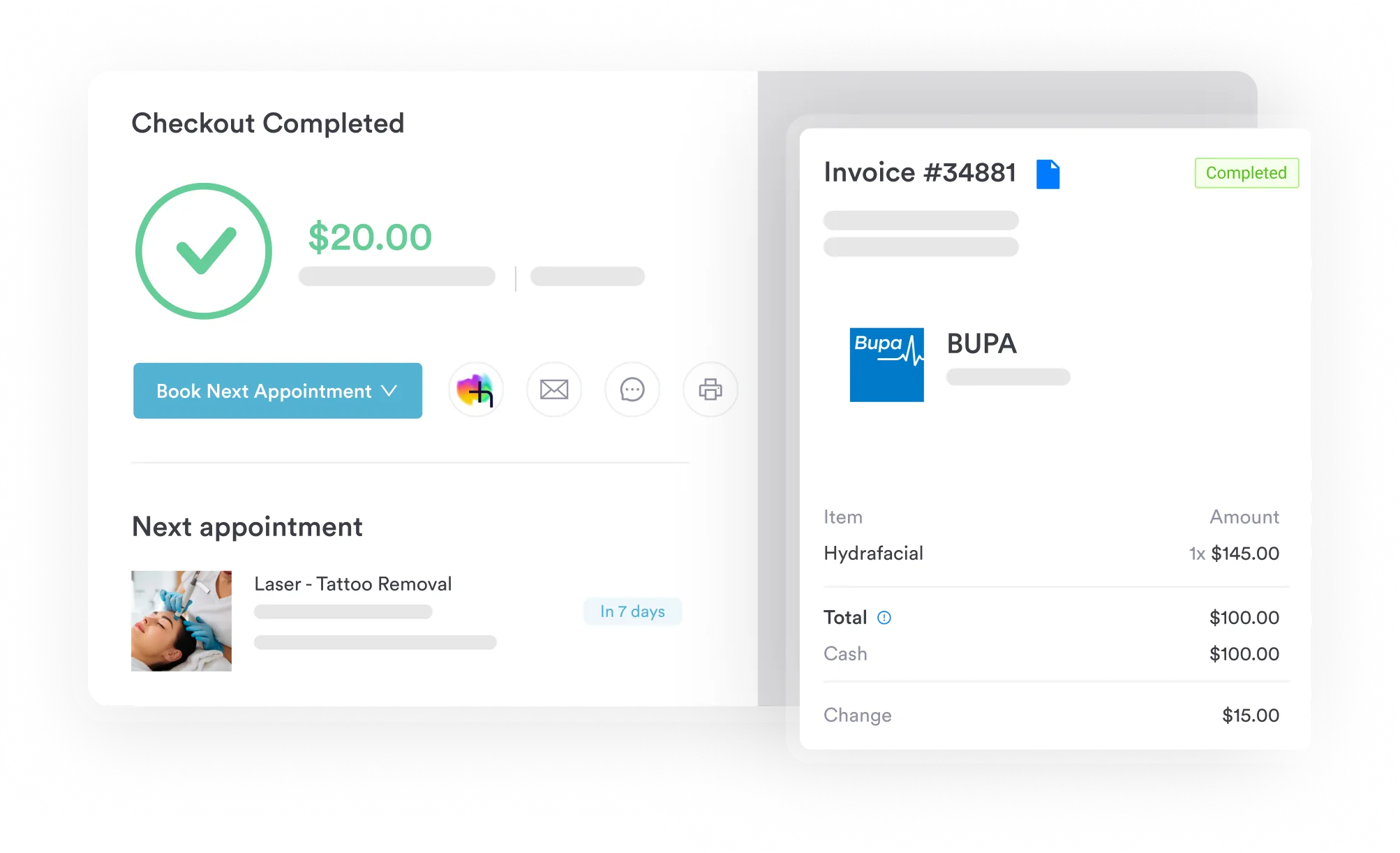
The risk-factor documentation has the same problem. Digital intake forms capture prior Pap results, STI history, and DES exposure at registration, and those answers land in the clinical record. The biller then has what annual frequency needs, without chasing the clinician after the visit.

The same record drives the next visit. When Pabau holds a patient’s last screening date, it can trigger an automatic recall once she is eligible again. That keeps preventive care on schedule and supports patient care management across the whole screening cycle.
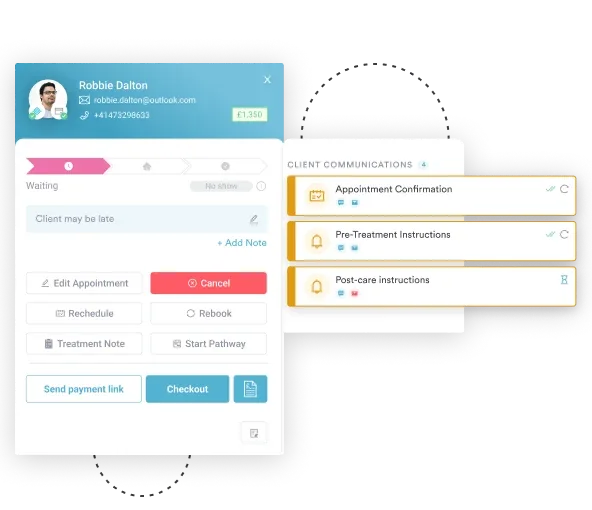

Pabau keeps screening dates, risk-factor documentation, and claim status on one patient record. Your team can check a G0141 claim before it leaves the practice.

G0141 is a straightforward claim once the method and the diagnosis pairing are right. The work that decides the outcome happens before submission. Reworking a denial three weeks later costs far more.
The judgment worth carrying is this. Treat the frequency clock as a clinical record question rather than a billing one. If the last screening date and the risk documentation live in the patient’s chart, the claim mostly writes itself.
Book a demo to see how Pabau keeps screening dates, risk-factor documentation, and claim status on one patient record.

Coding a procedure with no matching CPT code? CPT code 99999 guide explains how to document unlisted, novel, or experimental procedures for billing.
Checking coverage before the visit? Insurance eligibility verification walks through confirming benefits and frequency limits before the patient sits down.
Billing ostomy supplies for a Medicare patient? urinary ostomy pouch billing guide covers the physical details that separate A4432 from its A4431 through A4435 code family.
Billing a breathing circuit with a home ventilator? breathing circuits billing guide explains why billing A4618 alongside a home ventilator rental is the most common error.
Billing dialysis supplies separately from the bundle? dialysis tourniquet billing guide explains why billing it as an ordinary DMEPOS item instead of dialysis equipment causes denials.
HCPCS Code G0141 is a Medicare Level II G-code for a screening Pap smear, cervical or vaginal. The specimen is read by an automated system, manually rescreened, and interpreted by a physician. All three components must be documented for the code to apply. Commercial payers usually require the CPT equivalent instead.
Use G0141 when all three steps happen: automated analysis, manual rescreening, and physician interpretation. If the automated system reads the slide without a manual rescan, use G0123 or G0147, depending on the preparation type. If a physician interprets but no manual rescreening happens, use G0124. Picking a code on an incomplete method match is the most common error here.
Z12.4 and Z12.72 are the primary screening encounter codes used with G0141. High-risk patients billed at annual frequency also need a risk-factor code. That may be a cervical dysplasia code such as N87.0 or N87.1, a personal history code such as Z87.410, or an STI history code. Your MAC’s current LCD is the authoritative list, since covered codes are reviewed every year.
CMS updates HCPCS reimbursement rates every year through the Physician Fee Schedule. Any static figure can go stale within months of that update. Look up the current G0141 rate in the CMS Physician Fee Schedule search tool at cms.gov. Select the current year and your MAC locality code. Facility and non-facility rates differ, so confirm which one applies to your setting.
Yes. Q0091 covers obtaining the cervical or vaginal smear, and G0141 covers the laboratory analysis and the physician read. They are billed as separate line items on the same claim. Skipping Q0091 means the practice forfeits payment for the collection. Bundle rules and modifier requirements vary by MAC, so check your jurisdiction’s LCD.