CCSD code H4430: Examination of rectum under anaesthetic
CCSD code H4430 pays for the examination alone CCSD code H4430 is the UK private...

Last Updated: Oct 20, 2026
21210 is the CPT code for graft, bone; nasal, maxillary or malar areas (includes obtaining graft).
Coders frequently mix it up with adjacent codes in the 21200s range. Claims also hit denials when the operative report fails to document graft type, donor site, or a medically necessary diagnosis.
Let Pabau's smart automation suggest the right codes, reduce claim denials, and keep your practice compliant—effortlessly.
Automate repetitive tasks and focus on what matters most—your patients.
Reduce coding errors and ensure compliance with the latest regulations.
Clean claims, fewer denials, and faster reimbursements.
Powerful insights and reporting to help your practice thrive.
HIPAA compliant SOC 2 certified GDPR-compliant Trusted by 4,000+ clinics worldwide

CPT 21210 covers autologous bone grafts to facial bones only, not allografts or synthetic implants
A 90-day global surgery period applies under Medicare, meaning post-op visits are bundled into the payment
Cosmetic-only diagnoses trigger automatic denials; the claim must show functional or reconstructive medical necessity
Pabau’s claims management workflow supports pre-auth documentation, modifier defaults, and denial tracking for surgical codes
Before diving into billing specifics, confirm you are working with the right code. The table below summarizes the key identifiers coders need at a glance.
CPT 21210 covers the surgical transplantation of autologous (the patient’s own) bone to reconstruct or augment the facial skeleton. The AMA’s CPT code set places this code in the Head subsection of the Musculoskeletal Surgery chapter. Its descriptor names the nasal, maxillary, and malar (cheekbone) areas as recipient sites. Practices billing for plastic surgery procedures will typically encounter this code alongside orthognathic reconstruction and trauma repair work. Teams managing a plastic surgery practice management system should configure this code with its correct global period and default modifier set.
The code encompasses the graft harvest from a donor site on the same patient. It also covers placing that bone at the facial recipient site in a single operative session. Common donor sites documented in the operative report include:
The procedure is limited to the nasal, maxillary, or malar areas. A bone graft to the mandible is reported with 21215 instead. It is used for reconstruction after trauma, post-surgical defects, congenital anomalies, and rarely for functional augmentation when documented as medically necessary.
Several adjacent scenarios fall outside the scope of this code. Billing the wrong code here is one of the most common routes to a denial or a medical necessity audit.
The facial bones section of the CPT codebook is densely packed. Coders searching for the right code often land on a neighbor. The table below maps the most frequently confused codes against 21210.
The 01210 / 21210 transposition is a data-entry error, not a coding judgment call. Build a check in your practice management system that flags anesthesia-range codes (01000-01999) billed by a plastic or oral surgeon.
Modifier selection affects reimbursement, triggers manual review, and – when wrong – causes denials. The table below lists the modifiers most relevant to CPT 21210 claims.
Modifier -22 consistently triggers manual review. Always attach a detailed operative note and a brief cover letter explaining why the procedure exceeded typical complexity when appending it.
Every CPT 21210 claim must be paired with a diagnosis that establishes medical necessity. Cosmetic diagnosis codes result in automatic denial across virtually all payers. The following ICD-10-CM codes are commonly used to support facial bone graft claims.
Diagnosis code selection is a clinical documentation decision, not a coding decision. The code must match what the surgeon documented in the operative and clinic notes. Never assign a diagnosis code to improve coverage chances.
Insufficient documentation is the second most common denial trigger for CPT 21210 claims, after cosmetic diagnosis codes. The operative report is the primary evidence a payer examines during a medical necessity review or audit.
The operative report must include the following elements to support a clean claim. Well-organized superbill documentation ties these elements to the claim before it leaves the practice.
Audit your operative report template annually against your top five payers’ facial surgery policies. Humana, for example, publishes a clinical policy bulletin specifically covering orthognathic and facial surgery codes including CPT 21210. Aligning your report template to payer-specific documentation criteria reduces prior auth denial rates substantially.
Medicare pays for CPT 21210 through the Medicare Physician Fee Schedule (MPFS), which sets reimbursement using a Relative Value Unit (RVU) framework. Understanding the medical billing workflow for surgical codes helps billing staff anticipate payment timing and amounts accurately.
The RVU structure breaks payment into three components: work RVUs (physician effort), practice expense RVUs (overhead), and malpractice RVUs (liability cost). Each component is multiplied by a geographic adjustment factor and then by the annual conversion factor set by CMS. Use the CMS Physician Fee Schedule lookup tool to retrieve the current-year RVU values and payment amounts for your specific geographic location. Payment rates change each January 1 when CMS publishes the updated MPFS.
Post-operative electronic remittance advice (ERA) from Medicare will confirm which RVU components were applied and whether any adjustments were made. Reconcile ERA data against expected payment each time a 21210 claim settles.
Medicaid rates for CPT 21210 vary significantly by state and are set independently of Medicare. Some states pay a percentage of the Medicare fee schedule (commonly 70-100%), while others use proprietary fee tables. Always verify rates directly with your state Medicaid agency or managed care plan before estimating reimbursement.
Most major commercial payers and Medicaid managed care plans require prior authorization for CPT 21210 before the procedure is performed. Humana, for example, publishes a clinical policy bulletin on orthognathic and facial surgery codes that explicitly includes CPT 21210. The bulletin also specifies which diagnoses qualify for coverage. A typical prior authorization submission package includes:
Submit the authorization request at least two to three weeks before the scheduled surgery date. Expedited review is available for urgent cases but is granted inconsistently.
Proactive denial management in healthcare settings reduces write-offs and rework. These are the most frequently documented denial reasons for CPT 21210 claims.
Setting up CPT 21210 correctly in your billing system eliminates many of the errors above before a claim is ever transmitted. Practices submitting facial bone graft claims through Pabau’s claims management workflow can configure default modifier sets and link supporting diagnosis codes to the procedure. They can also attach pre-authorization documentation directly to the claim record.
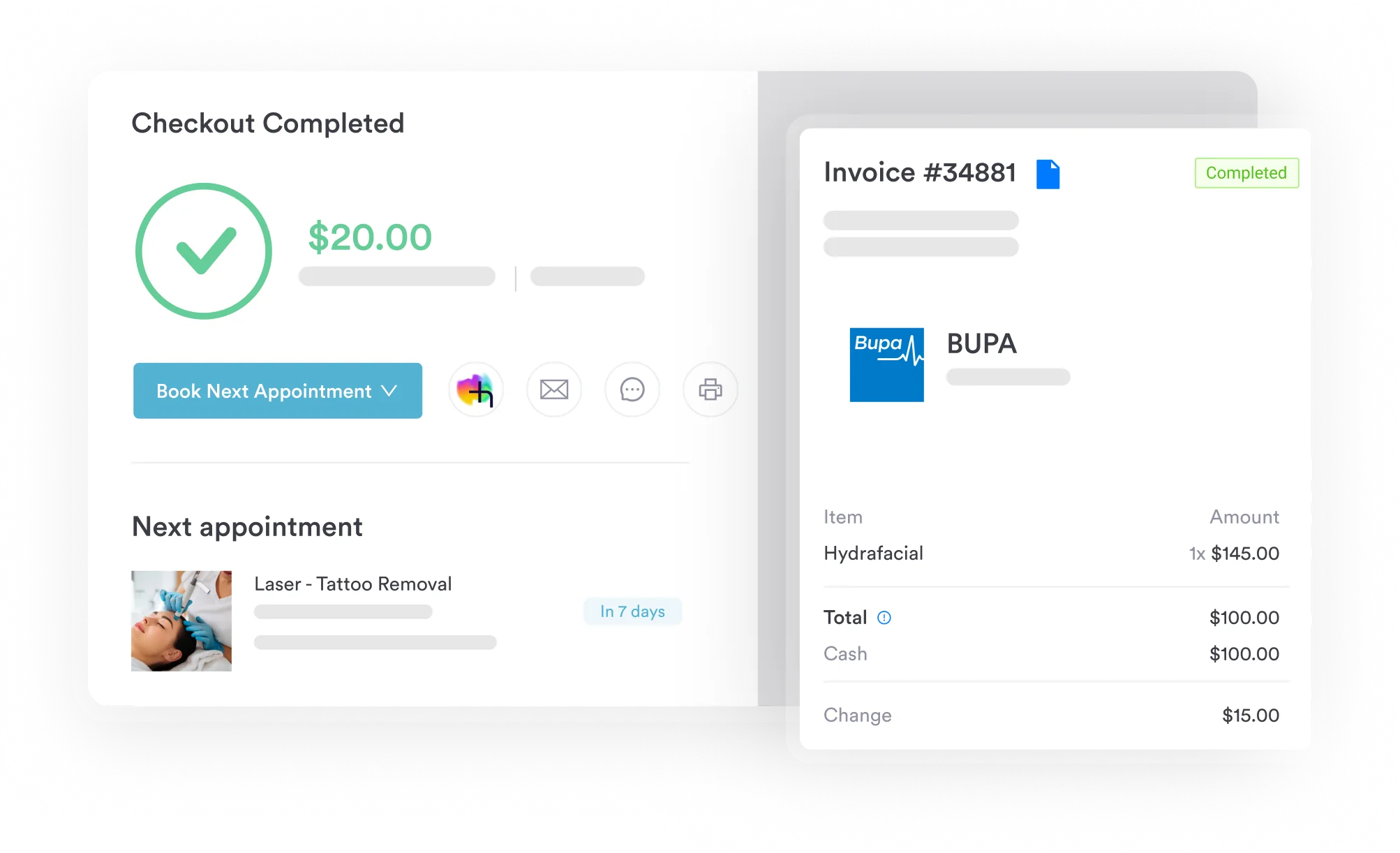
Key configuration steps for any practice management system handling this code:
Pabau integrates with electronic claims via Claim.MD, covering more than 4,000 US payers. Real-time eligibility verification before the procedure date confirms whether a patient’s plan requires prior authorization for 21210, reducing the volume of post-submission authorization denials. Use the AAPC Codify CPT lookup to cross-reference code descriptors and NCCI edit status when setting up new procedure codes in your system.

Pabau’s integrated claims workflow handles prior auth documentation, modifier defaults, and ERA reconciliation for complex surgical codes like CPT 21210. Your billing team spends less time chasing denials.

CPT 21210 is a high-value surgical code that rewards careful documentation and upfront payer verification. Cosmetic diagnosis codes, missing prior authorization, and incomplete operative reports account for the majority of denials. Getting these right before the claim is transmitted is far cheaper than working a denial queue.
Practices managing complex surgical billing benefit from a system that enforces documentation completeness at scheduling, not at claim submission. Pabau’s clean claim submission tools and Claim.MD clearinghouse integration help oral and maxillofacial and plastic surgery teams catch errors before they reach the payer. Book a demo to see how Pabau handles surgical billing end to end.

Need a broader overview of the billing process? What is revenue cycle management walks through every stage from patient registration to payment posting for surgical practices.
Want to understand how clearinghouses process surgical claims? How a medical claims clearinghouse works explains the 837P transaction flow, payer routing, and real-time eligibility checks.
Managing denials across multiple procedure codes? Denial codes in medical billing covers CARC and RARC reason codes and how to build an effective denial resolution workflow.
CPT code 21210 covers the surgical grafting of autologous (the patient’s own) bone to the facial skeleton, most commonly the malar (cheekbone) area. The code includes harvesting bone from a donor site such as the iliac crest, rib, or calvarium. It also covers placing that bone at the recipient facial site in the same operative session. It does not cover allografts, synthetic implants, or procedures performed for purely cosmetic purposes.
Medicare multiplies the Relative Value Units (RVUs) for CPT 21210 by a geographic practice cost index and the annual CMS conversion factor. The dollar amount therefore varies by location and changes each January. Verify the current-year rate using the CMS Physician Fee Schedule lookup tool or FastRVU. Commercial payer rates are set by individual contracts and are typically higher than Medicare in urban markets.
Yes, most major commercial payers and Medicaid managed care plans require prior authorization for CPT 21210 before the procedure is performed. The typical submission package includes a physician letter of medical necessity, pre-operative photographs, imaging reports, and the proposed ICD-10 diagnosis codes. Always verify authorization requirements with each specific payer and plan year, as policies vary.
Whether CPT 20900 (bone graft harvest) can be billed separately alongside CPT 21210 depends on current NCCI edit pairs and individual payer policy. Some payers bundle the harvest into the primary facial graft code; others allow separate billing with supporting documentation. Verify NCCI edit status for this code pair before submitting both codes on the same claim. Check the payer’s specific policy too, to avoid a bundling denial.
Yes, Medicare covers CPT 21210 when the procedure is medically necessary and supported by a qualifying ICD-10-CM diagnosis. Qualifying examples include a post-traumatic facial bone defect, a congenital anomaly, or a reconstructive indication after prior surgery. Purely cosmetic procedures are excluded from Medicare coverage. The code carries a 90-day global surgery period, meaning routine post-operative visits within that window are bundled into the surgical payment.
The most common denial reason is a cosmetic-only ICD-10 diagnosis code that does not establish medical necessity. Other frequent causes are missing prior authorization and an operative report that omits graft type or donor site. A bundling conflict with CPT 20900 and a place-of-service code that does not match the surgical facility also trigger denials. Addressing these before claim submission prevents most 21210 denials.