CPT code 93503: Swan-Ganz catheter billing and modifiers
CPT code 93503: Official descriptor and procedure overview In the AMA CPT code s...

Last Updated: Oct 23, 2026

CCSD Code XR580 is a UK private healthcare diagnostic or radiology code from the Clinical Coding and Schedule Development (CCSD) Group’s schedule, used to invoice specific imaging or diagnostic services to private medical insurers.
Each insurer (Bupa, AXA Health, Aviva, Allianz Care, Vitality) sets its own fee against XR580 independently; always verify against the insurer’s current published schedule before raising an invoice.
Imaging guidance is included within CCSD Chapter 17 interventional radiology code narratives and cannot be separately billed; misapplying a modifier or unbundling will trigger claim rejection.
Pabau’s claims management tools support UK private healthcare billing workflows, helping practices attach CCSD codes to invoices and submit claims electronically via Healthcode without manual re-keying.
Private radiology and diagnostic services account for a significant share of UK private healthcare invoicing. Getting the code right on the first submission is the difference between prompt reimbursement and a protracted back-and-forth with an insurer’s billing team. CCSD Code XR580 covers a specific diagnostic imaging or radiology procedure billable to private medical insurers under the Clinical Coding and Schedule Development (CCSD) Group’s standard schedule. The full CCSD schedule is login-gated, so the exact narrative for XR580 is not publicly available. This guide draws on the CCSD Technical Guide, insurer fee schedules, and published coding principles. It covers the procedure description, applicable chapter, insurer recognition, fee guidance, coding rules, modifier usage, and electronic submission. The filing deadline runs from the date of service, not the date the practice noticed the claim was unpaid.
CCSD Code XR580 sits within the “XR” prefix group of the CCSD diagnostic tests schedule. According to CCSD’s published FAQs, diagnostic test codes present diagnostic service charges. They do not constitute procedure codes in the procedural schedule sense. Load them separately from your procedure codes when setting up your practice management system. Providers raise XR-prefix codes on invoices to insurers for diagnostic imaging services. Do not load them into the same procedure code table as surgical or clinical procedure codes.
The “XR” prefix aligns with radiology and diagnostic imaging conventions used across the CCSD schedule. The precise narrative for XR580 requires login access at ccsd.org.uk. The code is most likely associated with a plain-film radiography, fluoroscopic, or related imaging service. Practitioners should verify the exact narrative by accessing the schedule directly. Alternatively, use the Bupa code search tool, which allows registered providers to look up CCSD codes and their narratives.
The CCSD Group (secretariat managed by Grant Thornton UK LLP) issues the schedule and updates coding principles via technical bulletins. The October 2025 edition of the CCSD Technical Guide sets out the business rules for all schedule codes, including XR-prefix codes. Practitioners must code in line with these rules. This applies even if the invoicing insurer has not yet incorporated the latest update into its own fee schedule.
CCSD separates its schedule into two parts: the Schedule of Procedure Codes and the Diagnostic Tests Schedule. XR580, as an XR-prefix code, belongs to the Diagnostic Tests Schedule. When setting up your billing system, load diagnostic test codes into a separate code table from your procedure codes. Mixing the two tables is a common setup error that leads to invoicing failures and claim rejections downstream.
A core principle of UK private healthcare billing is that CCSD codes are the shared standard, but fees are not. As Aviva’s fee schedule guidance states, fees are set by each insurer separately. The same XR580 code will attract a different reimbursement amount depending on the patient’s insurer. The table below summarises the general insurer landscape for CCSD-coded diagnostic services. Always check each insurer’s current published schedule for the exact figure, as insurers update fees periodically.
One practical note: inclusion of a CCSD code in a published fee schedule does not guarantee reimbursement. Pre-authorisation requirements vary by insurer and by the clinical service. For practices operating in UK private healthcare, confirming pre-authorisation before the procedure avoids the most common cause of post-submission claim disputes.
CCSD Chapter 17 covers interventional radiology procedures. A defining feature of Chapter 17 coding — confirmed by both AXA Health’s and Freedom Health’s published schedules — is that the code narrative includes imaging guidance. X-ray, CT/MRI, fluoroscopy, or ultrasound guidance used during an interventional procedure forms part of the single code. Practitioners cannot bill it separately.
For XR580 specifically, this bundling principle is critical. If the code’s narrative already encompasses the imaging modality used, raising a separate code for the guidance component triggers a claim rejection. The insurer’s billing team will return the invoice citing the CCSD coding principle that prohibits the split.
Not all XR-prefix codes belong to Chapter 17. The CCSD schedule organises codes across multiple chapters. A given code may appear in a chapter covering plain-film radiography, computed tomography, ultrasound, or other imaging sub-categories. If XR580 sits in a different chapter, the Chapter 17 bundling rules may not apply. The same principle holds regardless: read the full code narrative before billing any ancillary services separately. Practices that want a thorough approach to billing compliance in UK clinical settings should build a narrative review into their standard pre-invoice checklist.
Before raising any invoice containing CCSD Code XR580, pull the full code narrative from the CCSD schedule or your insurer’s code lookup tool. Confirm which imaging guidance modalities (if any) are bundled into the narrative, then remove any separate imaging guidance line items before submission. One minute at this stage prevents a multi-week rejection cycle.
Accurate CCSD codes are only half the job — day-to-day practice management decides how quickly insurers pay.
The CCSD Technical Guide sets out coding conventions that apply across the schedule. Several are particularly relevant when using XR-prefix diagnostic codes such as XR580.
If you perform the diagnostic imaging covered by XR580 bilaterally, check the insurer’s schedule and the CCSD Technical Guide. Confirm whether to bill the code twice or whether a bilateral modifier or fee uplift applies. Insurer policies differ: some apply a 50% uplift to the second side; others require two lines at the standard rate. Submitting two full-price lines where an uplift applies — or vice versa — is a common billing error that delays payment.
In private radiology, the ordering clinician and the radiologist may invoice separately. Each raises their own invoice using the appropriate CCSD code. If both attempt to bill XR580 for the same episode, the insurer will decline one claim. Clarify which practitioner holds the billing entitlement before submission.
When a clinician performs XR580 alongside other procedures in the same session, the CCSD Technical Guide’s rules on primary and secondary procedure coding apply. Bill the principal procedure at the full schedule rate. Secondary procedures may attract a reduced fee — often 50%, though this varies by insurer. Check the specific insurer’s schedule rules for the applicable reduction. For practices managing the transition from NHS to private practice, understanding multi-procedure billing rules is one of the earliest operational learning curves.

Pabau lets UK private healthcare practices attach CCSD codes to patient invoices, submit claims electronically via Healthcode, and track claim status in one place. See how it works for your clinic.

CCSD codes are the industry standard for UK private healthcare billing, adopted by all major insurers. An insurer’s published fee schedule confirms whether it recognises XR580. If XR580 does not appear in an insurer’s schedule, contact the provider services team before raising an invoice. Submitting an unrecognised code will trigger an automatic rejection.
Most UK private healthcare claims are submitted electronically through Healthcode, the UK’s dedicated claims clearinghouse. Healthcode validates CCSD codes at submission. It flags mismatches between the code, the procedure date, the practitioner’s recognised specialties, and the insurer’s code table. A clean XR580 submission via Healthcode requires:
Practices using claims management software integrated with Healthcode can automate much of this pre-submission validation. This removes the manual step of cross-checking each field before the claim leaves the practice. For a broader view of private healthcare billing.
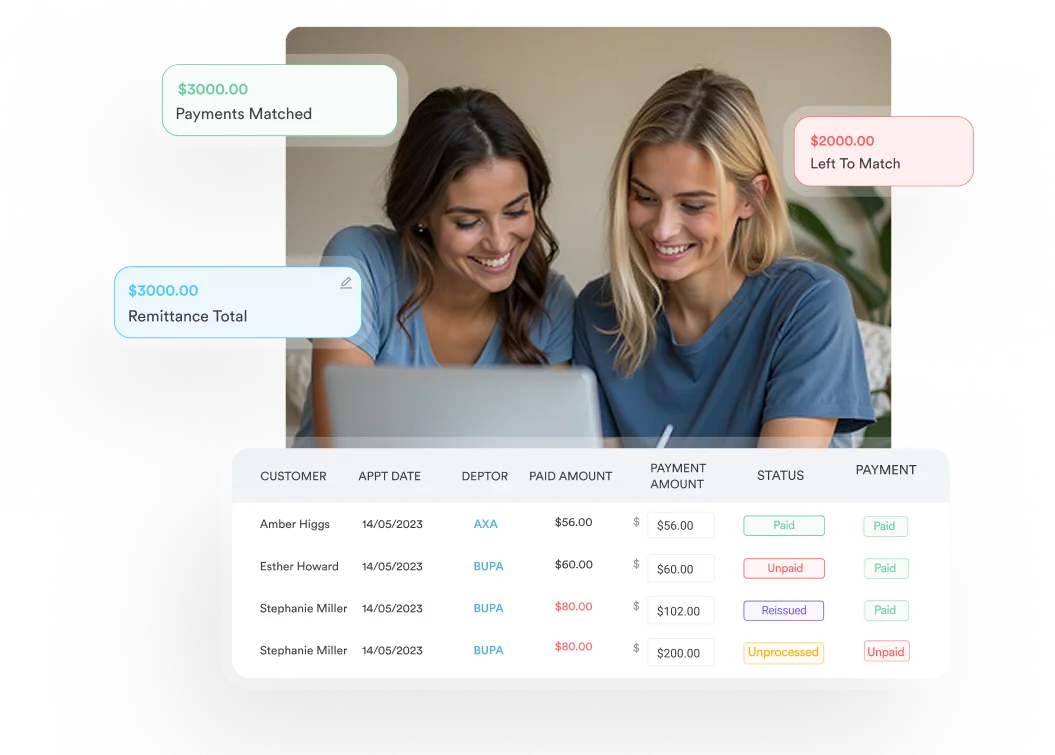
Billing submissions include patient-identifiable information. GDPR obligations apply from the moment the invoice is created through to transmission and retention. The ICO requires appropriate technical and organisational measures for data transmitted electronically. Practices should review their GDPR compliance position to confirm that billing workflows and third-party clearinghouses (including Healthcode) are covered by appropriate data processing agreements.
Set up a standard pre-submission invoice checklist in your practice management system: code narrative confirmed, pre-auth reference attached, practitioner number correct, insurer fee verified against current schedule, secondary procedure reductions applied. Running this check before every Healthcode submission cuts rejection rates significantly without adding meaningful time to the billing process.
Radiology and diagnostic code claims face specific rejection triggers. Understanding the most common ones for XR-prefix codes helps practices build rejection avoidance into the billing workflow from the start.
Raising a separate code for imaging guidance when it is already included in the XR580 narrative is the most common rejection reason for radiology codes. Insurers apply automated unbundling edits at claim intake. The reject comes back quickly, but resubmission typically adds 2–4 weeks to payment. Build the bundling rule into your code setup so the guidance line cannot be added to an invoice containing XR580.
Several insurers require pre-authorisation for diagnostic radiology procedures above a certain complexity or cost threshold. Submitting XR580 without the required authorisation reference results in automatic rejection. The authorisation reference is supplied by the insurer when the patient or their GP contacts them ahead of the appointment. For practices looking to reduce administrative overhead, capturing the authorisation reference at the booking stage prevents this failure mode entirely.
Insurers recognise practitioners for specific specialties. Insurers may limit reimbursement for XR580 to practitioners recognised in radiology or an adjacent specialty. If the treating practitioner holds recognition in a non-radiology specialty, the insurer may decline the claim. Check the practitioner’s recognition status with each relevant insurer before billing a new code type.
Individual insurers do not necessarily adopt every CCSD code into their own fee schedule. If XR580 is not listed, the insurer will reject the claim as unrecognised. Contact the insurer to determine whether an alternative code applies or whether you can agree a bespoke arrangement. For CQC-registered practices.
CCSD Code XR580 follows the same coding logic as all CCSD diagnostic test codes. The code narrative defines what is included. Insurer fee schedules set the reimbursement rate. The CCSD Technical Guide governs bundling, bilateral procedures, and multi-procedure sessions. Getting these three elements right before submission keeps claim acceptance rates high and payment cycles short.
Pabau’s claims management tools support this workflow for UK private healthcare practices. From attaching CCSD codes to invoices to tracking claim status through Healthcode, it handles the full billing cycle. To see how Pabau works in practice, book a demo with the team.

Billing non-emergency taxi transportation claims? HCPCS code A0100 billing guide covers taxi transport billing, the base trip rate, and which payers typically cover it.
Billing an ALS1 ambulance transport? HCPCS code A0426 billing guide covers billing rules for advanced life support ambulance transport under code A0426.
Billing an ALS emergency ambulance transport? HCPCS code A0427 billing guide covers billing for ground ambulance transport that includes an advanced life support intervention.
CCSD Code XR580 is a diagnostic imaging or radiology code from the UK’s Clinical Coding and Schedule Development (CCSD) Group’s Diagnostic Tests Schedule, used to invoice specific imaging or radiological services to private medical insurers. Look up the exact narrative via ccsd.org.uk or your insurer’s code search tool before billing.
CCSD codes are the industry-standard system for identifying procedures and diagnostic services on invoices submitted to private medical insurers. Each insurer matches the code to its own fee schedule to calculate the reimbursement amount.
Access the CCSD schedule at ccsd.org.uk (registration required) or use your insurer’s code lookup tool such as the Bupa code search at codes.bupa.co.uk. The CCSD Technical Guide (updated October 2025) also sets out bundling rules to confirm whether a code covers all elements of the service.
All major UK private medical insurers use CCSD codes, including Bupa, AXA Health, Aviva, Allianz Care, Vitality Health, Freedom Health, WPA, Cigna, and H3 Insurance. Each insurer sets its own fee independently, so reimbursement amounts vary for the same code.
Procedure codes cover surgical and clinical interventions and are loaded into your main procedure code table; diagnostic test codes (such as XR-prefix codes like XR580) cover diagnostic service charges and belong in a separate code table. Mixing the two tables causes invoicing errors and claim rejections.