CPT Code 62284: Injection procedure for myelography
CPT Code 62284: official descriptor and procedure overview The American Medical ...

Last Updated: Oct 19, 2026

CCSD Code 0500C is a consultation code in the CCSD Procedural Schedule, used across UK private healthcare for billing initial or follow-up outpatient consultations to insurers.
Accepted by Bupa, AXA Health, Aviva, Vitality Health, Cigna, WPA, Allianz Care, and Healix – though reimbursement rates are set individually by each insurer, not by CCSD.
Incorrect bundling, missing supporting documentation, or submitting without a valid GP referral are the most common reasons 0500C claims are denied.
Pabau’s claims management software helps UK private clinics submit CCSD codes electronically via Healthcode, reducing manual errors and speeding up insurer reimbursement.
UK private healthcare billing depends on getting the right code on the right claim at the right time. Miss a documentation requirement or submit 0500C under the wrong episode type, and the insurer will reject the claim outright. For consultants and private GPs seeing insured patients, CCSD Code 0500C is one of the most frequently used codes in the procedural schedule – and one of the most frequently miscoded.
This guide covers what 0500C represents clinically, which UK private medical insurers accept it, the submission rules that govern its use, and how to avoid the bundling and documentation errors that trigger denials. It also covers how to streamline the process using practice management software that connects directly to the UK private practice billing workflow.
CCSD Code 0500C sits within the 0500 series of the CCSD Procedural Schedule – the industry-standard code set for UK private healthcare billing, maintained by the Clinical Coding and Schedule Development (CCSD) Group since 1997. The 0500 series covers consultant outpatient consultations, and 0500C specifically represents a defined consultation episode – typically an initial or follow-up outpatient appointment delivered by a recognised consultant or specialist.
CCSD codes are not diagnostic codes. They identify the type of clinical activity performed, not the underlying condition being treated. So 0500C would appear on a claim alongside a relevant diagnostic code to give the insurer a complete picture of the episode.
The CCSD Group publishes and maintains the schedule. CCSD does not set reimbursement rates for 0500C — each insurer determines its own fee for the code, which is why the same consultation can attract different payment amounts depending on who the patient is insured with. That distinction matters when setting patient expectations and when reconciling payments against invoiced amounts.
The CCSD Procedural Schedule is organised by chapter. Consultation codes occupy their own chapter, separating them from surgical, investigative, and diagnostic service charge codes. Diagnostic service charge codes – issued separately in the CCSD Diagnostic Schedule – do not constitute procedures and you should not load them into a practice’s procedure code table alongside 0500C. That separation is a common source of setup errors in clinic management systems.
When submitting 0500C, the clinical episode must represent a genuine consultant-level consultation. You cannot apply the code to nurse-led appointments, administrative encounters, or telephone callbacks without a clinical assessment element. Insurers audit for this distinction, particularly during annual claims reviews.
CCSD codes are the accepted standard across the UK’s major private medical insurers (PMIs). All of the following accept CCSD Code 0500C for valid consultation claims, though each insurer applies its own fee schedule, pre-authorisation rules, and submission requirements.
Not all insurers accept all CCSD codes. Before billing 0500C to any PMI, confirm the patient’s specific policy covers outpatient consultations with a specialist in your discipline. Policies vary by plan tier, and some corporate or international plans may have different submission portals or documentation requirements to standard individual policies.
The CCSD Technical Guide sets out the coding conventions that govern how 0500C is applied and submitted. Submitting outside these conventions is the single biggest cause of avoidable claim denials for consultation episodes in UK private practice.
Most PMIs require pre-authorisation before a consultant episode can proceed on an insured basis. This is not a CCSD requirement – it is an insurer policy that sits on top of the code. The authorisation number must appear on the claim; submitting without it will cause an automatic rejection regardless of whether 0500C is correctly applied.
Clinics using claims management software can attach authorisation numbers directly to the patient episode before submission, removing the risk of claims leaving the system without that field populated.
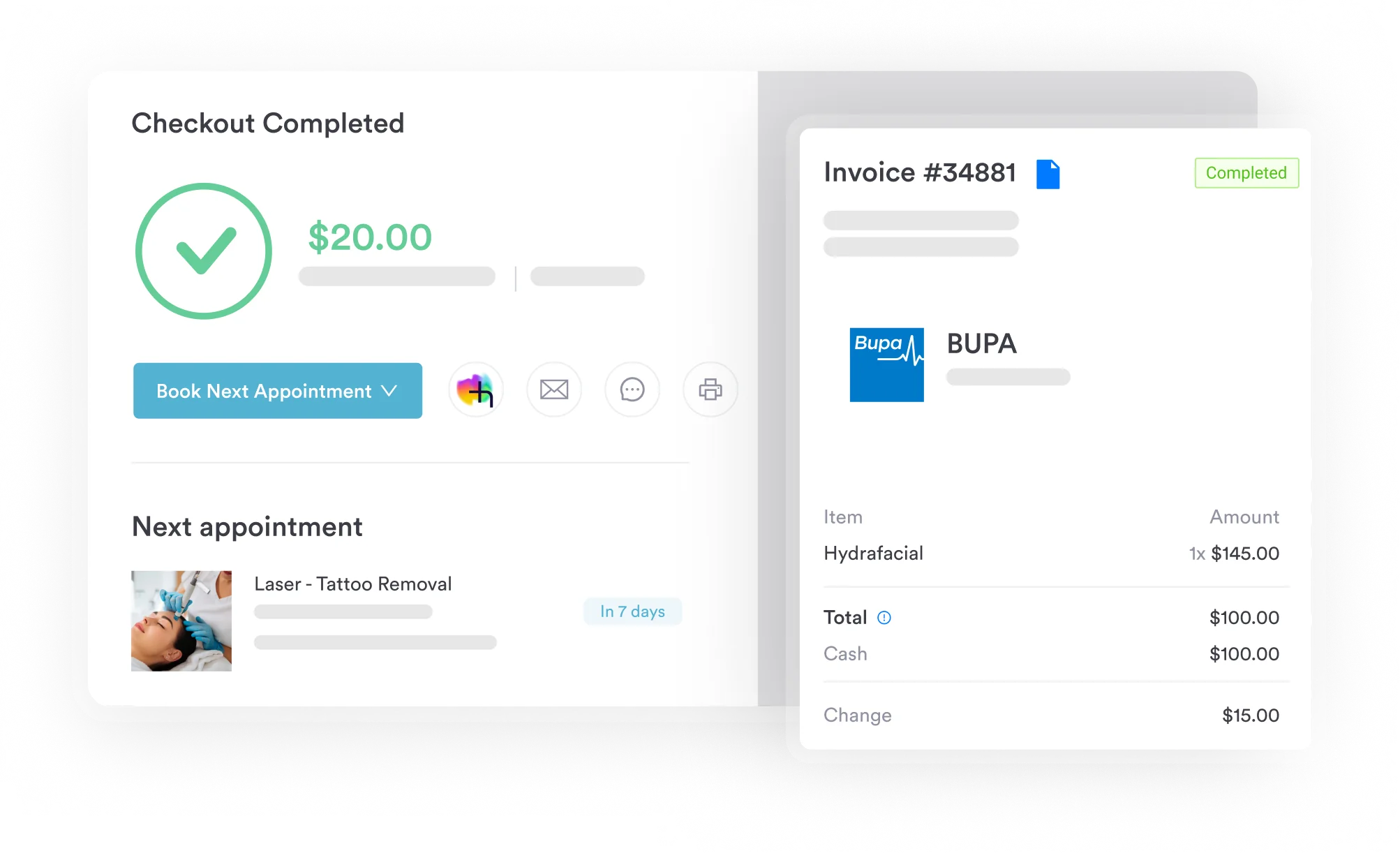
Most PMI policies require a valid GP or specialist referral for a consultation to be payable. The referral should be on file before the appointment takes place, not added after the fact. Bupa, AXA Health, and Aviva all specify referral requirements in their provider guidance. Some plans allow self-referral for specific specialties – confirm this with the insurer before the patient attends.
Healthcode is the UK’s primary electronic billing network for private healthcare. Most PMIs expect consultants to submit CCSD-coded invoices electronically through Healthcode rather than by post or email. The CCSD code 0500C is formatted with the code identifier, a brief narrative, the fee, and the supporting diagnostic code in the relevant field. Paper submission is still accepted by some insurers but increases processing time significantly and carries a higher rejection rate due to manual keying errors.
For practices managing multiple consultants or locations, connecting a practice management system to Healthcode for direct electronic submission is more reliable than maintaining separate billing processes per consultant. This connects to how private practice management workflows affect billing throughput at scale.
Check each insurer’s portal for their current 0500C fee before issuing patient invoices. Vitality’s fee finder and the Bupa code search tool both allow you to look up the applicable fee by code number. Insurers update rates periodically and do not always publish them in advance.
Bundling errors are among the most common compliance issues in UK private healthcare billing. The CCSD Technical Guide sets out unbundling principles that determine which codes can appear together on a single claim and which cannot.
If a consultant performs a procedure during the same episode as a consultation, the procedure code and 0500C may or may not both be billable, depending on the insurer’s bundling policy. Some insurers absorb the consultation fee into the procedure fee when both occur in the same session. Others allow both codes on the same claim with the consultation fee at a reduced rate.
Never assume both codes are independently reimbursable on the same episode without verifying the insurer’s bundling rules. Submitting both at full value when the insurer bundles them will result in either a partial payment or a full rejection, followed by a request to resubmit. This wastes billing time and delays payment.
CCSD codes can be submitted with modifiers that indicate variations in how a procedure or consultation was delivered. Common modifier scenarios relevant to consultation codes include:
Each insurer specifies which modifiers it recognises and how they affect the fee paid. AXA Health and Healix both publish specific unbundling guidelines within their fee schedule documentation. Verify modifier requirements directly with the insurer before applying them to a live claim – incorrect modifier application can trigger an audit flag on the account.
For practices that see patients across multiple PMIs, managing modifier rules per insurer is one of the practical reasons why digital documentation workflows that capture the clinical detail at point of care make a measurable difference to billing accuracy downstream.
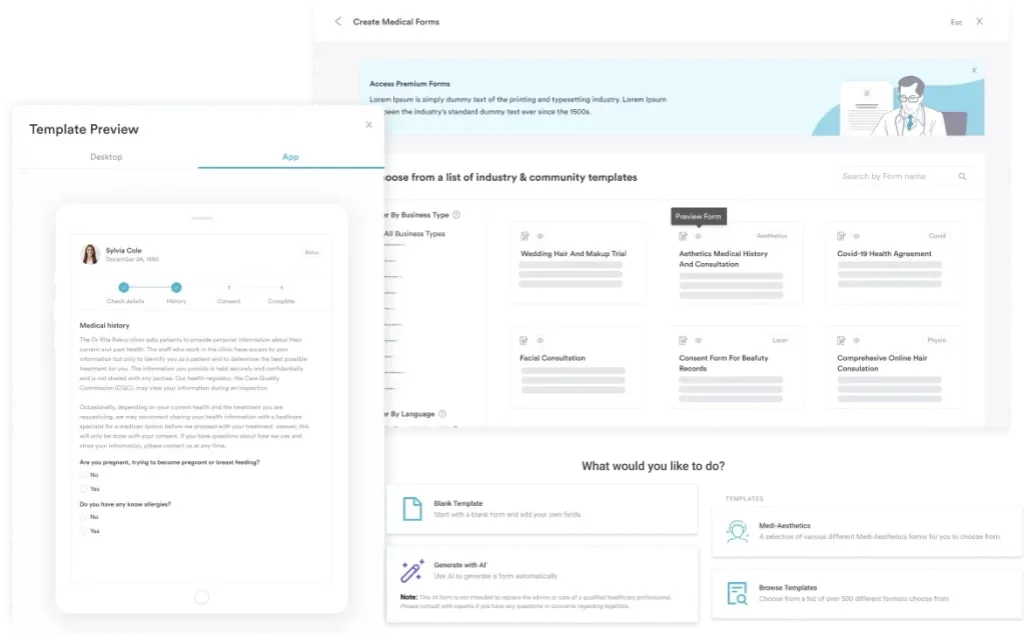

Pabau connects directly to Healthcode for electronic CCSD code submission. Attach authorisation numbers, manage insurer-specific rules, and track claim status all from one place.

Claim denials for consultation codes follow predictable patterns. Most are avoidable with pre-submission checks rather than retrospective corrections.
For practices transitioning from NHS to private practice, these denial patterns can be unfamiliar. NHS billing does not involve pre-authorisation or bundling rules in the same way, so the first months of private billing often produce a higher-than-expected rejection rate until the team is familiar with PMI-specific requirements.
Run a monthly claim audit for 0500C submissions. Filter by rejection reason code and group denials by insurer. A pattern of rejections from one insurer almost always points to a specific rule that has changed or was never correctly configured in your billing setup.
Manual CCSD billing — spreadsheets, paper invoices, or platforms disconnected from the clinical record — introduces avoidable errors at every step. A missing authorisation number, a diagnostic code entered incorrectly, or an episode date that doesn’t match the referral are all common causes of denials that require staff time to investigate and resubmit.
Practice management software that integrates directly with Healthcode removes most of these failure points. When the clinical record, insurer details, and billing workflow share the same system, the claim is built from data captured at the point of care — which matters especially for clinics managing both private and NHS-referred pathways at the same time.
Pabau’s claims management software supports CCSD code submission for UK private healthcare providers. Consultants attach codes to episodes directly, configure insurer-specific rules, and submit electronically through Healthcode without leaving the platform. The system tracks claim status and flags rejections with reason codes so the billing team can action denials the same day rather than finding them weeks later in a payment review. For multi-consultant clinics, centralised billing also produces cleaner reporting — acceptance rates by insurer, average days to payment, and outstanding claim values — without manual data pulls.
Clinics billing regularly to Bupa should also refer to the complete guide to Bupa CCSD codes for a broader reference on Bupa’s submission rules, which differ from other PMI requirements in several areas. Finally, all billing data falls within the scope of UK GDPR .
CCSD Code 0500C is a straightforward code to apply when the underlying episode is correctly documented and the insurer’s submission rules are followed. Most denials are not clinical errors – they are administrative gaps: a missing authorisation number, an incorrect bundling assumption, or a policy that wasn’t verified before the appointment. Addressing those gaps systematically, rather than chasing individual rejections, is what reduces denial rates sustainably in private practice.
Pabau helps UK private healthcare providers manage CCSD billing from episode creation through to Healthcode submission and payment reconciliation. If your practice is dealing with high claim rejection rates or manual billing processes that don’t scale, book a demo to see how the platform handles UK private healthcare billing end to end.

Billing a home ventilator instead? HCPCS code E0466 guide covers billing the non-invasive home ventilator under Medicare’s frequent and substantial servicing category.
Billing a bi-level respiratory device? HCPCS code E0470 guide covers billing the bi-level respiratory assist device used with a noninvasive mask.
Need the BiPAP-ST billing code instead? HCPCS code E0471 guide covers billing the bi-level respiratory device with a backup rate feature, the BiPAP-ST.
CCSD Code 0500C is a consultation code within the CCSD Procedural Schedule, used to bill outpatient consultant episodes to UK private medical insurers. It covers clinical assessments delivered by a recognised consultant or specialist and is accepted across major PMIs including Bupa, AXA Health, Aviva, and Vitality Health.
Fees are set independently by each insurer, not by the CCSD Group. Use the insurer’s own fee tool: Bupa’s code search at codes.bupa.co.uk, the Vitality fee finder, or the Healix fee schedule. Rates change periodically, so check before invoicing.
Yes, for most PMIs. Pre-authorisation is an insurer requirement, not a CCSD coding rule. The authorisation number must be on the claim at submission. Submitting without it will cause an automatic rejection regardless of whether the code is correctly applied.
All major UK private medical insurers use CCSD codes as the standard for billing. These include Bupa, AXA Health, Aviva, Vitality Health, Cigna, WPA, Allianz Care, and Healix. Each insurer sets its own fee schedule and submission requirements on top of the CCSD code framework.
CCSD procedural codes (including 0500C) identify the clinical activity performed. CCSD diagnostic codes appear in a separate Diagnostic Schedule and represent diagnostic service charges – they do not constitute procedures and should not be loaded into the same procedure code table. Both may appear on a single claim but serve different billing functions.