Pabau GO app

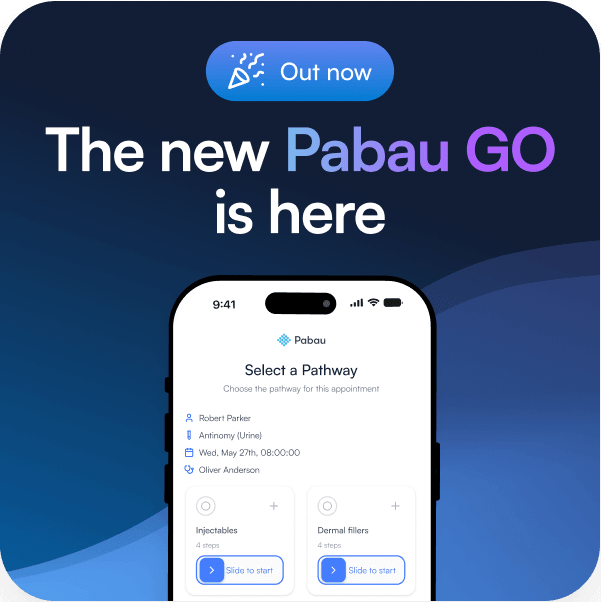
The new Pabau GO is heredownload on the App Store

Download on the App Store
Book a demo Book a demo
Billing Codes

CCSD code 0003O: Billing guide for UK private healthcare providers

Key Takeaways

Key Takeaways

CCSD Code 0003O is a UK private healthcare procedure code from the Clinical Coding and Schedule Development (CCSD) Group schedule, used for billing private medical insurers.

Fees for CCSD Code 0003O are set by individual insurers such as Bupa, AXA Health, Aviva, and Allianz Care, not by the CCSD Group itself.

Correct documentation, pre-authorization, and use of the full code narrative are required to avoid claim denials across all UK private medical insurers.

Pabau’s claims management software helps UK private clinics submit CCSD-coded invoices accurately, track authorizations, and reduce billing errors.

CCSD Code 0003O: Definition and clinical context

CCSD Code 0003O is a procedure code within the CCSD Schedule of Procedures, the industry-standard coding framework used across the UK private healthcare sector. UK private clinics, consultants, and allied health professionals use CCSD codes to bill private medical insurers (PMI) for clinical activity. Without the correct code, claims are returned, delayed, or denied outright.

Each CCSD code is a short alphanumeric reference, and its clinical meaning is carried by the accompanying procedure narrative rather than by the characters alone. Code 0003O sits within the early numeric range of the CCSD schedule, which covers simple and foundational procedures. The exact scope of the code should always be confirmed against its official narrative rather than inferred from the code itself.

The complete procedure narrative for 0003O is held within the CCSD Technical Guide (October 2025) and the login-gated CCSD Schedule portal. Providers should verify the exact description by logging in at ccsd.org.uk or consulting their practice management platform’s built-in code library.

For UK clinics transitioning from NHS to private practice, understanding how CCSD codes are structured is a foundational step. Each code carries a procedure narrative that defines the clinical scope of the intervention being billed. Submitting a code whose narrative does not match the documented procedure is one of the most common causes of insurer rejection.

How the CCSD schedule is structured

The CCSD Schedule is organized into chapters based on clinical specialty and procedure type. Understanding this structure helps coders select the right code and anticipate how insurers interpret it.

Schedule elementDescription
Code formatShort alphanumeric reference combining digits and a letter; the procedure narrative, not the characters, defines the clinical scope
Schedule chaptersGrouped by clinical specialty (e.g. general surgery, dermatology, ophthalmology)
Procedure narrativePlain-language description of the procedure the code covers; must match clinical documentation
Fee settingNot set by CCSD; each insurer publishes its own fee schedule against CCSD codes
Access to full scheduleLogin-gated via ccsd.org.uk; registration required; aim to respond within 14 days
Schedule update cycleUpdated periodically; current Technical Guide dated October 2025

The CCSD Group, administered by Grant Thornton UK LLP, maintains the schedule and publishes business rules, coding principles, and technical guidance. The Coding Principles Bulletin (January 2025) sets out how codes and narratives should be interpreted and applied across all providers and insurers. All CCSD and non-CCSD members may use these outputs.

Good private practice management means keeping up with schedule updates. When the CCSD revises a code narrative or introduces a replacement code, practices that do not update their code library submit claims against obsolete descriptions, triggering automatic rejection by insurer processing systems.

Which insurers recognize CCSD Code 0003O

All major UK private medical insurers base their fee schedules on CCSD codes. Recognition of a specific code, however, depends on whether it falls within a procedure category the insurer covers and whether the patient’s policy includes that benefit.

  • Bupa uses the CCSD schedule as its primary procedure coding framework. Use the Bupa code search tool to confirm whether 0003O is included in the current Bupa fee schedule and to check any applicable billing rules. See also Pabau’s full Bupa CCSD codes guide for a broader overview of how Bupa handles the CCSD schedule.
  • AXA Health applies CCSD codes across its specialist fee chapters. Providers can verify recognition and applicable fees via the AXA Health specialist procedure code portal.
  • Aviva publishes a CCSD-based fee schedule. The Aviva fee schedule lists procedures by CCSD code alongside their recognized fees and any pre-authorization requirements.
  • Allianz Care publishes its UK Recognition Fee Schedule based on CCSD codes, effective from December 2024. This PDF schedule provides a comprehensive list of procedure codes with recognized fees for UK providers.
  • VitalityHealth, WPA, Cigna UK, Healix also apply CCSD-coded fee schedules. Always verify directly with each insurer before submitting a claim.

One principle applies across all of them: CCSD sets the code, but each insurer sets its own fee. Never assume a fee from one insurer’s schedule applies to another. For clinics running UK private skin clinics or specialist practices, maintaining an up-to-date reference of each insurer’s current fee for 0003O avoids billing shortfalls or disputes at claim settlement.

Documentation requirements for CCSD Code 0003O

Accurate documentation is what separates a paid claim from a returned one. Insurers assess submitted claims against the procedure narrative for 0003O. If the clinical notes do not support the billed procedure, the claim will either be queried or rejected.

Core documentation elements

  • Procedure narrative match: The clinical record must document the procedure described by the 0003O narrative. Any significant deviation from the code scope should be discussed with the insurer before billing.
  • Pre-authorization reference: Where the insurer requires pre-authorization for 0003O, the authorization number must appear on the invoice. Missing authorization references are a leading cause of claim delay.
  • Consultant or practitioner details: The GMC-registered consultant or recognized specialist responsible for the procedure must be clearly identified. Insurers verify recognition status before settling claims.
  • Date of service: Must match the procedure date in clinical notes. Discrepancies trigger manual review.
  • Patient’s policy and membership number: Required by all insurers for claim matching. Collect this at registration, not at invoicing.
  • Supporting clinical notes: Contemporaneous notes documenting the indication, technique, and outcome. A procedure code unsupported by contemporaneous notes is a regulatory and compliance risk as well as a billing risk.

UK clinics operating under UK data protection requirements must also ensure that clinical documentation is stored securely and shared with insurers only through authorized channels such as Healthcode’s electronic billing network. Meeting documentation standards is part of the broader compliance requirements for private clinics across all specialties.

Using digital patient forms integrated with your practice management system ensures that the data collected at patient intake feeds directly into clinical records, reducing transcription errors and supporting more complete documentation at the point of billing.

Customizable consent and intake forms

Pro Tip

Before submitting any CCSD-coded claim, run a documentation audit against the code narrative. Confirm the clinical notes describe the procedure in terms consistent with the CCSD description, the authorization reference is recorded, and the invoice matches the patient’s policy details exactly. A 10-minute pre-submission check prevents weeks of back-and-forth with insurers.

How to submit claims using CCSD Code 0003O

The UK private healthcare sector uses two main submission pathways: electronic billing via Healthcode and direct insurer portals. Electronic submission through Healthcode is the standard for most major insurers and significantly reduces processing time versus paper invoicing.

Step-by-step claim submission process

  1. Confirm insurer recognition: Before the appointment, check that the patient’s insurer recognizes 0003O and that the patient’s policy covers the procedure. This prevents surprises at the point of claim.
  2. Obtain pre-authorization if required: Contact the insurer’s pre-authorization team. Many insurers, including Bupa and AXA Health, require pre-authorization for procedures above a certain complexity or cost threshold. Obtain and record the authorization number in the patient’s file before proceeding.
  3. Complete the procedure and document contemporaneously: Record the procedure narrative-consistent description in the patient notes at the time of treatment. Do not reconstruct notes from memory after the fact.
  4. Generate the invoice: Include the CCSD Code 0003O, the full procedure narrative as listed in the schedule, the patient’s policy and membership number, the authorization reference, the consultant’s GMC number, and the date of service. Use the insurer’s expected invoice format.
  5. Submit via Healthcode or insurer portal: Electronic claims submitted through Healthcode are typically processed faster and return structured error messages if required fields are missing. Paper claims are slower and error-prone.
  6. Track claim status and follow up: Monitor the claim status within your practice management system. If a claim is queried, respond with the supporting documentation promptly. Delayed responses can result in the claim lapsing.

Pabau’s claims management software supports UK private clinics through each stage of this process, from capturing authorization references at booking through to tracking outstanding insurer payments and flagging overdue claims. For private GP clinics handling multiple insurer relationships simultaneously, a centralized claims view is essential to avoid claims slipping through the gaps.

Automate claims through Healthcode

Manage CCSD billing from one platform

Pabau helps UK private clinics submit CCSD-coded claims accurately, track authorizations, and chase outstanding insurer payments without the spreadsheet chaos. See how it works for your clinic.

Pabau claims management dashboard for UK private healthcare billing

Fee schedule guidance for CCSD Code 0003O

One of the most important principles in UK private healthcare billing is that CCSD does not set fees. The CCSD Group publishes codes and narratives. Each insurer independently determines the fee it will recognize for each code. Two insurers may pay very different amounts for the same 0003O claim.

Allianz Care’s UK Recognition Fee Schedule, effective December 2024, provides a detailed list of CCSD-coded procedures with their recognized fees for UK providers. The Allianz Care schedule is a useful benchmark, but it is specific to Allianz Care policyholders. Always consult each insurer’s current published schedule.

InsurerFee schedule sourceNotes on 0003O
BupaBupa code search portal (codes.bupa.co.uk)Verify current recognition and fee via login
AXA HealthAXA specialist forms portalCheck applicable fee chapter for 0003O category
AvivaAviva fee schedule (practitioners section)Published online; updated periodically
Allianz CareUK Recognition Fee Schedule PDF (effective Dec 2024)Comprehensive CCSD-coded fee list for UK providers
VitalityHealthVitality fee finder portalSearchable by CCSD code
WPAWPA medical fees pageContact WPA for code-specific fees

For clinics working with multiple insurers, maintaining a live fee reference matrix by CCSD code prevents under-billing and protects revenue. Review each insurer’s schedule at least annually, or when you receive notification of a fee schedule update. See Pabau’s Bupa procedure codes fee schedule reference for an example of how to structure this for Bupa-billed procedures.

Common billing errors and how to avoid them

Billing errors on CCSD-coded claims are predictable. Most arise from the same handful of mistakes, and most are preventable with a structured pre-submission workflow.

The five most common CCSD billing mistakes

  • Using an outdated code narrative: CCSD periodically revises the schedule. Submitting a claim against a code whose narrative has changed, or a code that has been retired, results in automatic rejection. Keep your code library current by checking the CCSD schedule after each major update. Maintaining a current code library is one of the practical benefits of a well-run private practice, and a quarterly review works well.
  • Missing or incorrect pre-authorization reference: Insurers require the authorization number on the invoice for most procedures. A claim submitted without this reference will either be returned automatically or held pending clarification. Collect authorization references before treatment, not after.
  • Narrative mismatch between notes and code: Clinical notes must support the procedure described by the CCSD code. If the notes describe a variation of the procedure, or an additional component not captured by 0003O, the insurer may query whether the billed code is appropriate. Document the procedure in terms consistent with the CCSD narrative.
  • Submitting to the wrong insurer portal: Each insurer has its own submission requirements and preferred pathways. Submitting a Bupa claim via an AXA portal, or using the wrong invoice format, delays processing. Verify submission requirements for each insurer before your first claim.
  • Billing for work outside the code scope: If additional procedures were performed alongside 0003O, they must each have their own CCSD code. Bundling multiple procedures under a single code is a billing error, and in some cases a compliance risk. Refer to the CCSD Technical Guide’s unbundling and bundling rules before submitting complex multi-code claims.

Practices with robust pre-submission billing workflows typically catch these errors at the audit stage rather than learning about them through insurer queries. Systematizing your pre-submission checklist, whether in your practice management platform or as a team protocol, is the highest-impact action most private clinics can take to reduce claim rejection rates. Clinics balancing NHS and private caseloads — including those weighing whether a private GP can refer to the NHS — should build the same checks into every pathway.

Pro Tip

Set up a standing insurer contact list in your practice management system. For each insurer you work with regularly, record the direct number for pre-authorization, the preferred submission pathway (Healthcode or portal), and the date of the most recent fee schedule you have on file. Updating this takes 30 minutes a year and prevents hours of chasing rejected claims.

CCSD Code 0003O and the broader CCSD schedule

Understanding how 0003O fits within the broader CCSD schedule helps coders avoid selecting adjacent codes incorrectly. The early numeric range of the CCSD schedule covers foundational and lower-complexity procedures. Each code in this range has a distinct narrative, and codes that appear numerically close are not interchangeable.

The CCSD schedule includes both a Procedural Schedule (for operative and clinical procedures) and a Diagnostic Schedule (for diagnostic tests and investigations). Code 0003O is a procedural code maintained within the Procedural Schedule. Providers should confirm a code’s schedule and scope against its official narrative rather than assuming it from the code alone, and should not confuse procedural codes with the diagnostic codes that may appear nearby.

When submitting claims for procedures within the same episode of care, the CCSD Technical Guide’s bundling and unbundling rules determine which codes can appear together on a single invoice and which must be billed separately.

For complex cases involving multiple CCSD codes, consulting the coding principles in the Technical Guide before submission prevents disputes at claim settlement. Practices working across multiple UK clinics benefit from centralized coding oversight; Pabau’s multi-location functionality supports consistent code usage across sites.

Multi location management

Conclusion

Getting code 0003O right requires three things working together: an accurate procedure narrative match, correct documentation before the claim is submitted, and current fee schedule data for each insurer you work with. Any gap in those three areas creates delay, rework, or revenue loss.

Pabau’s claims management software brings all three into one workflow for UK private clinics: capturing authorization references at booking, linking clinical notes to the correct CCSD codes, and tracking claim status across multiple insurer relationships simultaneously. To see how Pabau supports CCSD billing in practice, book a demo with our team.

Continue your research

Continue your research

Need a complete Bupa CCSD code reference? Bupa CCSD codes guide covers the full schedule of procedures recognized by Bupa, including how to navigate the Bupa code search portal and avoid common submission errors.

Looking for the Bupa procedure fee schedule? Bupa procedure codes fee schedule provides a structured reference for Bupa-recognized CCSD fees to support accurate invoicing.

Managing claims across multiple UK insurers? Claims management software from Pabau helps private clinics track CCSD-coded claims, monitor outstanding payments, and reduce manual billing errors.

Frequently Asked Questions

What is CCSD Code 0003O?

CCSD Code 0003O is a procedure code within the Clinical Coding and Schedule Development (CCSD) Group’s Schedule of Procedures, used by UK private healthcare providers to bill private medical insurers for clinical activity. The full procedure narrative is accessible via the login-gated CCSD schedule at ccsd.org.uk. As a procedural code, 0003O is maintained within the CCSD Procedural Schedule; providers should confirm its exact scope against the official narrative rather than inferring it from the code itself.

Does CCSD set the fee for code 0003O?

No. The CCSD Group publishes codes and procedure narratives but does not set fees. Each UK private medical insurer, including Bupa, AXA Health, Aviva, and Allianz Care, independently sets the fee it will recognize for code 0003O. Always consult each insurer’s current fee schedule to confirm the applicable fee before billing.

Where do I find the procedure description for CCSD Code 0003O?

The full procedure narrative for CCSD Code 0003O is held within the CCSD Schedule portal at ccsd.org.uk, which requires registered login access. Providers can also access code details through insurer portals such as the Bupa code search tool at codes.bupa.co.uk. The CCSD Technical Guide (October 2025) provides guidance on interpreting code narratives and applying coding principles.

What happens if I use the wrong CCSD code on a claim?

Using the wrong CCSD code typically results in the claim being returned, delayed, or denied by the insurer. If the submitted code does not match the procedure documented in the clinical notes, the insurer may also raise a compliance query. Consistent use of the correct code, supported by contemporaneous clinical documentation, is essential for timely claim settlement.

How do I submit a CCSD-coded claim electronically in the UK?

Most UK private medical insurers accept electronic claims submitted via Healthcode, the UK private healthcare electronic billing network. Some insurers also offer their own provider portals. Electronic submission is faster than paper, returns structured error messages for missing fields, and creates an auditable submission record. Confirm each insurer’s preferred submission pathway before your first claim.

×