CCSD code F5010: Parotid duct transposition billing guide
CCSD code F5010 covers parotid duct transposition, one side or both CCSD code F5...

Last Updated: Oct 9, 2026
A4450 is the HCPCS Level II code for tape, non-waterproof, per 18 square inches.
Almost every A4450 denial traces back to the unit math or a record that never says how much tape went on.
Let Pabau's smart automation suggest the right codes, reduce claim denials, and keep your practice compliant—effortlessly.
Automate repetitive tasks and focus on what matters most—your patients.
Reduce coding errors and ensure compliance with the latest regulations.
Clean claims, fewer denials, and faster reimbursements.
Powerful insights and reporting to help your practice thrive.
HIPAA compliant SOC 2 certified GDPR-compliant Trusted by 4,000+ clinics worldwide

HCPCS code A4450 covers non-waterproof medical tape, billed per 18 square inches under Section A of HCPCS Level II.
One unit equals 18 square inches, so measure the tape you apply and divide the total area by 18.
Only enrolled Medicare DME suppliers can bill A4450 under Part B, and the record must justify the quantity.
Medicaid coverage varies by state, so check the state policy before you submit an A4450 claim.
Practice management software like Pabau ties supply dispensing to the patient record, so billed units match the documentation.
HCPCS code A4450 is maintained by the Centers for Medicare and Medicaid Services (CMS) as part of the HCPCS Level II national code set. Its official long description reads: Tape, non-waterproof, per 18 square inches. The code sits in Section A, which covers medical and surgical supplies. That puts it next to the other disposable supply codes a DME supplier bills.
Non-waterproof tape gets billed in two main contexts: wound dressing securement and ostomy care. A4450 covers both, provided the tape is not waterproof. The same supply turns up in sports medicine practices after minor procedures, and in the dressing kits home health suppliers send out.
In wound care, A4450 bills the non-waterproof tape that holds a dressing in place. Typical scenarios include surgical wound aftercare, chronic wound management, and post-procedure dressing changes. On a larger claim the tape often sits beside a wound preparation code such as 15005.
Your patient documentation has to record wound dimensions, the type and amount of tape applied, and the treating clinician’s order. That is what supports medical necessity when Medicare reviews the claim.
A4450 also applies in ostomy billing, where non-waterproof tape secures barriers or pouching system components. Coverage for ostomy supplies under Part B is governed by CMS Ostomy Policy Article A52487. The claim has to show the tape is medically necessary for that patient’s ostomy management. It also has to show the supply is not already paid for under another line item. Ostomy claims are a frequent audit target.
Medicare reimburses A4450 under the DMEPOS fee schedule, administered by the Durable Medical Equipment Medicare Administrative Contractors (DME MACs). Rates vary by geographic locality. Check current rates against the CMS DMEPOS fee schedule, which is updated annually. The table below sets out the rate structure rather than dollar amounts, because those change.
Pull current A4450 rates from the CMS DMEPOS fee schedule rather than a third-party rate database. Rates change each January 1 and can be adjusted mid-year. Build a quarterly rate check into your billing calendar.
Coverage for A4450 extends beyond Medicare, but the rules differ by payer type. Read each payer’s policy on its own terms rather than assuming Medicare rules carry across. Billing that runs off the clinical record helps here.
Getting an A4450 claim right comes down to three things.
An error in any one of them can trigger a denial or an audit request. Supply codes punish loose unit math faster than most areas of medical billing. Common claim denial codes repeat by specialty, so the pattern is worth reading before reworking.
A4450 is billed per 18 square inches of non-waterproof tape used. Here is the calculation, worked through with numbers you can copy at the desk.
Rounding conventions vary, so confirm the unit rules with the relevant DME MAC or payer. Check the current National Correct Coding Initiative (NCCI) edits before you add a modifier to an A4450 claim.
The most common coding error with A4450 is reaching for it when A4452 applies. Payers track utilization patterns, and they question claims where the tape type does not match the clinical picture. Waterproof tape is indicated for high-moisture wound environments, or for patients who shower with a dressing in place. A dermatology practice sending someone home to shower over a fresh dressing bills A4452, not A4450.
A4450 sits in a cluster of wound care and ostomy supply codes. Billers reach for these adjacent codes when they build the supply lines on a claim. Verify current descriptions and effective dates with the AAPC HCPCS lookup before you bill. Closure done with tissue adhesive alone is a separate matter.
Documentation for an A4450 claim has to address medical necessity in plain terms. DME MAC audits focus on whether the record supports the type and quantity of tape billed. Thin documentation is the usual reason a supply claim lands in post-payment review.
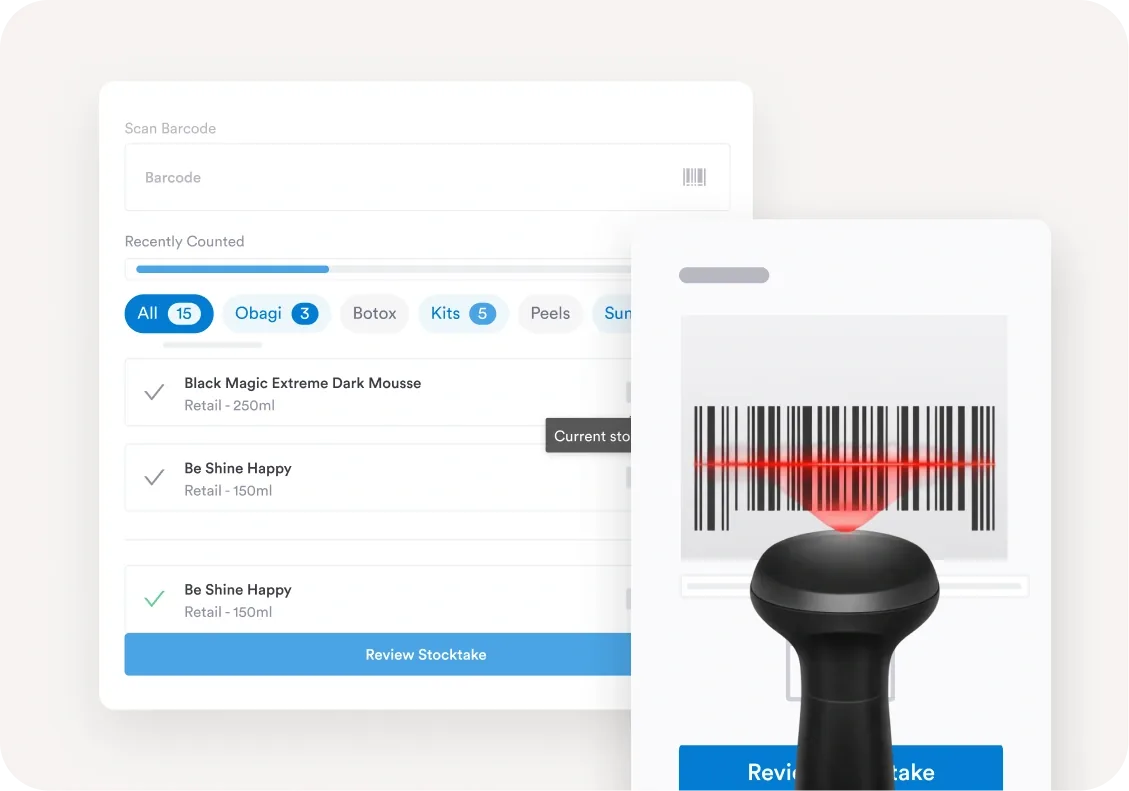
Tracking supply inventory at the practice level makes dispensing records easy to pull when an audit request arrives.
Flag A4450 claims for a pre-submission documentation check whenever the unit count passes five on a single line. High unit counts draw extra scrutiny from DME MAC reviewers. Reading the dispensing record once before submission is usually enough to head off a denial.
In most practices the tape comes off a shelf and the clinician writes a note. A biller then rebuilds the unit count from whatever that note happens to say. Dimensions get left out, so the units on the claim end up as an estimate.
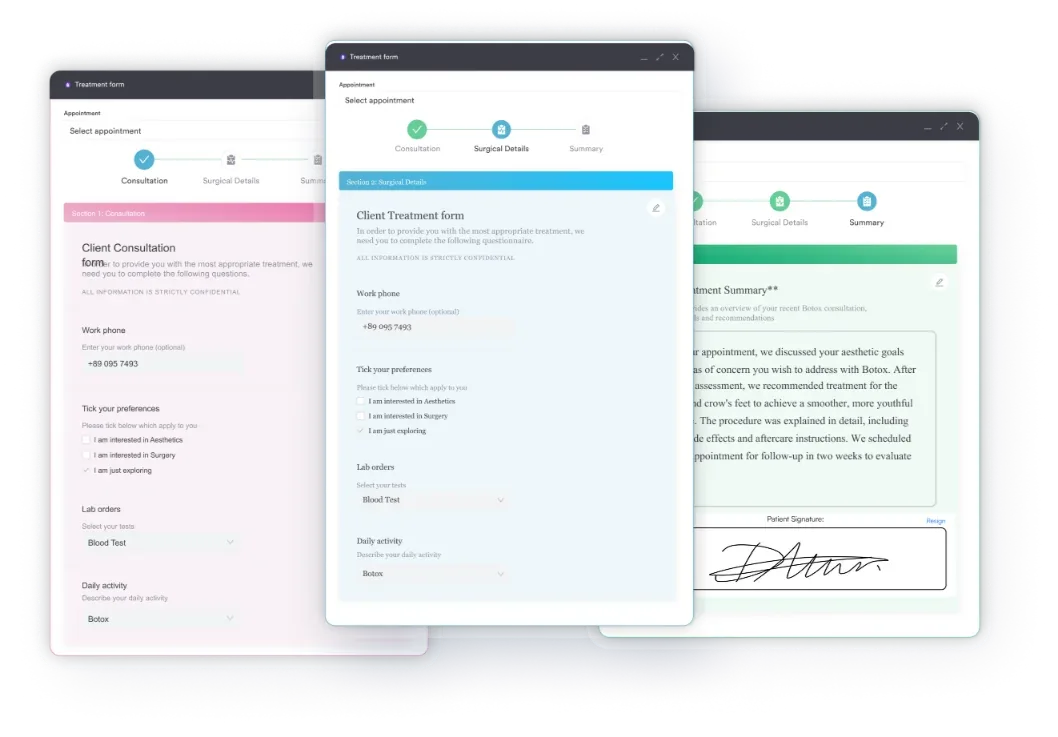
Practice management software like Pabau closes that loop. Intake and treatment forms capture tape dimensions while the clinician is still with the patient. Inventory tracking logs the supply against that patient’s record as it is dispensed, rather than at the end of the week.
By the time the claim is built, the unit count, the clinician’s order and the dispensing record all point at the same number.

Pabau’s claims management tools help wound care practices and DME suppliers track supply codes, keep unit counts accurate, and stay ready for an audit.

A4450 is a small line on a claim, which is exactly why it gets billed carelessly. Fix the measuring habit and most of the denial risk goes with it. Write the dimensions in the note, divide by 18, and settle the rounding rule once with your DME MAC.
The trade-off worth remembering is that A4450 rarely pays enough to justify an appeal. Rework costs more than the reimbursement, so the only economical version of this code is the one billed correctly the first time.
Book a demo to see how Pabau keeps supply dispensing, documentation and claim submission on one record.

Billing another Section A supply code? A4565 sets out the unit rules and documentation for slings, which land on the same kind of supply claim.
Need the wound preparation code that sits beside a dressing supply? 15004 explains how the surgical preparation add-on is reported.
Supplying durable equipment as well as dressings? E0275 walks through how a standard DME item is billed and documented under Part B.
Billing a wound care device rather than a supply? E0231 covers the coverage criteria and the paperwork reviewers ask for.
Billing a calcitriol injection claim? Calcitriol injection billing guide covers the NDC crosswalk, required modifiers, and the buy-and-bill workflow for J0636.
HCPCS Code A4450 is used to bill for non-waterproof medical tape provided to patients, billed per 18 square inches. It is most commonly used in wound care and ostomy supply billing under Medicare Part B and Medicaid. The tape secures wound dressings or ostomy pouching system components.
A4450 is billed per 18 square inches, not per roll. Calculate the total area of tape used (length x width in inches), then divide by 18 to determine the number of billable units. Document the tape dimensions in the patient record to support the unit count submitted.
A4450 covers non-waterproof tape. A4452 covers waterproof tape. Both are billed per 18 square inches, but they are not interchangeable. Billing A4450 when waterproof tape was actually provided (or vice versa) constitutes a coding error and can trigger claim denials or audit findings.
Medicaid coverage for A4450 varies by state. Some state Medicaid programs include it in wound care or ostomy supply benefit packages. Others do not. Always verify coverage with the state Medicaid agency or managed care plan before billing. Do not assume that Medicare coverage rules apply to Medicaid claims.
Medicare Part B reimburses A4450 through the DME fee schedule when billed by an enrolled DME supplier with documented medical necessity. Medicare Advantage plans typically follow Part B coverage with possible additional criteria. Commercial payers and Medicaid are plan-specific or state-specific. Verify coverage with each payer individually.
Yes. HCPCS Code A4450 is used in both wound care and ostomy billing contexts. In wound care, it covers non-waterproof tape securing wound dressings. In ostomy care, it covers non-waterproof tape used with ostomy barriers and pouching systems. Ensure the clinical documentation reflects the specific use to support the claim.