ICD-10 Code Y76.0: Diagnostic obstetric and gynecological devices
ICD-10 Code Y76.0: Definition and billable status ICD-10 Code Y76.0 is a valid, ...

Last Updated: Oct 23, 2026
Billable Code Specific Code
C64.1 is the billable ICD-10-CM code for malignant neoplasm of right kidney, except renal pelvis.
Urology and oncology billing teams handle C64.1 in encounters ranging from initial diagnosis to follow-up imaging reviews and post-surgical care. Getting the code right at every stage protects revenue and keeps audit risk low.
Let Pabau's smart automation suggest the right codes, reduce claim denials, and keep your practice compliant—effortlessly.
Automate repetitive tasks and focus on what matters most—your patients.
Reduce coding errors and ensure compliance with the latest regulations.
Clean claims, fewer denials, and faster reimbursements.
Powerful insights and reporting to help your practice thrive.
HIPAA compliant SOC 2 certified GDPR-compliant Trusted by 4,000+ clinics worldwide

C64.1 is the billable ICD-10-CM code for malignant neoplasm of the right kidney, excluding the renal pelvis, valid for reimbursement in FY2026
Laterality is mandatory: C64.1 (right), C64.2 (left), and C64.9 (unspecified) are not interchangeable; using the wrong code triggers claim denial
C64.1 applies to renal cell carcinoma and Wilms tumor of the right kidney but excludes renal pelvis tumors, which are coded under C65.1
Pabau’s claims management software and AI-assisted clinical documentation help urology and oncology practices capture laterality accurately and reduce billing errors
C64.1 describes a malignant neoplasm originating in the parenchyma of the right kidney, explicitly excluding any tumor arising from the renal pelvis. The renal pelvis is a separate anatomical structure with its own ICD-10-CM code (C65.1), so coders must confirm the tumor’s anatomical origin before assigning C64.1.
As an ICD-10 renal neoplasm code, C64.1 sits within the C64 parent category (Malignant neoplasm of kidney, except renal pelvis), which is itself part of the C00-C96 malignant neoplasm chapter. According to the WHO ICD-10 classification browser, C64 captures primary malignancies of kidney parenchyma under the genitourinary tract grouping C64-C68.
The most common histological type coded here is renal cell carcinoma (RCC), which originates in the proximal convoluted tubule. Wilms tumor (nephroblastoma) of the right kidney also maps to C64.1, though coders should confirm documentation supports the anatomical site before assigning the code for pediatric cases.
C64.1 is a billable, specific ICD-10-CM code confirmed valid for FY2026 reimbursement. Coders and clinicians can use the C64.1 diagnosis code to indicate a diagnosis on claims, encounter records, and explanation of benefits documents without needing a more detailed sub-code.
Use C64.1 when all three conditions are met:
The CDC/NCHS ICD-10-CM web tool confirms C64.1 as a current, valid code in the 2026 release. Coders working in urology or oncology should verify code status annually since CMS and NCHS co-maintain the ICD-10-CM code set and issue updates each October.
C64.1 does not capture metastatic disease on its own. When the right kidney tumor has spread, pair C64.1 with the appropriate secondary malignancy code from the C77-C79 range to reflect metastasis at the documented site. Using C64.1 alone for a patient with confirmed metastases understates the clinical picture and can trigger payer queries.
Laterality is the most common source of coding errors in kidney cancer billing. ICD-10-CM split the old ICD-9-CM code 189.0 into three distinct codes precisely because laterality matters for treatment planning, surgical documentation, and payer adjudication.
C64.9 is not a safe default. ICD-10-CM guidelines from AAPC Codify require the most specific code available. If the operative note, CT report, or pathology summary documents “right kidney,” the coder must assign C64.1, not C64.9. Using the unspecified code when laterality is documented is a coding error that can attract post-payment audits.
Practices using laterality-specific ICD-10 codes across multiple conditions benefit from EHR templates that surface laterality fields at documentation time, reducing the risk of a provider leaving the field blank.
Understanding the surrounding code structure helps coders avoid crossover errors and choose the right code quickly during high-volume encounters.
The renal pelvis exclusion in C64.1 is clinically important. The renal pelvis and kidney parenchyma are distinct anatomical zones with different tissue types, oncological behavior, and treatment protocols. Transitional cell carcinoma typically arises in the renal pelvis (C65.1), while clear cell renal cell carcinoma arises in the parenchyma (C64.1). Confirm histology and anatomical origin documentation before selecting between these two codes.
For ICD-9-CM crosswalk purposes: C64.1 converts approximately from ICD-9-CM 189.0 (Malignant neoplasm of kidney, except pelvis). The crosswalk is one-to-many because ICD-9-CM 189.0 did not specify laterality. Historical records coded as 189.0 cannot be assumed to represent right kidney without reviewing the original clinical documentation.
Accurate C64.1 coding depends on the documentation chain linking the clinical encounter to the specific diagnosis. A claim submitted with C64.1 should be supportable by at least one of the following in the medical record:
Vague documentation such as “renal mass” without laterality, or “kidney cancer” without specifying right or left, requires a provider query before coding proceeds. Assigning C64.1 based on clinical inference rather than explicit documentation is an audit risk under ICD-10-CM documentation standards.
Practices that deploy digital intake forms with laterality-specific fields can reduce documentation gaps at the point of care. When the intake or encounter form prompts the clinician to select right/left/bilateral for a kidney finding, the downstream coding team receives a complete record rather than having to query.

Subjective: 58-year-old male presents for follow-up of right flank pain and hematuria identified on prior workup.
Objective: CT urogram performed 14 days prior shows a 4.2 cm heterogeneously enhancing mass in the right kidney, upper pole. No contralateral involvement. No lymphadenopathy identified.
Assessment: Malignant neoplasm of the right kidney, consistent with renal cell carcinoma. No evidence of metastatic disease on current imaging.
Plan: Refer to urology for surgical evaluation. Repeat staging CT in 4 weeks. Code assigned: C64.1.
This note supports C64.1 because it explicitly names the right kidney, describes a malignant mass in the parenchyma (not the renal pelvis), and documents no metastatic disease (removing the need for a C77-C79 secondary code in this encounter).

Pabau helps urology and oncology practices document laterality accurately, manage claims efficiently, and keep patient records audit-ready. See how it works for your team.

The ICD-10-CM Official Guidelines for Coding and Reporting, maintained by NCHS and CMS, include specific direction relevant to kidney cancer coding. Several common errors recur in urology and oncology billing workflows.
When the primary reason for the encounter is treatment of the kidney malignancy, C64.1 is the principal diagnosis. When the encounter addresses a complication or associated condition (such as hematuria or post-surgical follow-up), the presenting symptom or complication may be sequenced first with C64.1 coded as an additional diagnosis, depending on payer rules and encounter context.
C64.1 does not capture spread beyond the right kidney. If the patient has documented regional lymph node involvement, assign a secondary malignant neoplasm code from C77 alongside C64.1. For distant organ metastases, use the appropriate C79.x code. Omitting secondary codes when metastases are documented is a clinical accuracy problem and a billing compliance risk.
The ICD-10 code for Wilms tumor (nephroblastoma) of the right kidney is C64.1 when the tumor arises in the renal parenchyma. Some pediatric coding scenarios may prompt queries about alternative codes, but multiple clinical coding references confirm C64.1 as the appropriate code for right-kidney Wilms tumor when documentation supports parenchymal origin. Confirm documentation specifics and consult payer guidelines for pediatric oncology cases if uncertain.
Reviewing the ICD List diagnostic code database alongside clinical notes helps coders verify that the selected code matches the documented diagnosis before claim submission.
Getting C64.1 into the claim cleanly requires a documentation workflow that captures laterality at each stage of the patient journey, from first imaging result through surgical follow-up. Practices that rely on free-text notes alone tend to produce more unspecified codes because laterality gets buried in narrative rather than surfacing in a structured field.
Practice management software like Pabau, with a patient record system that supports structured diagnosis fields, lets the treating clinician select “right kidney” explicitly rather than typing “kidney cancer” and leaving the coder to infer laterality. That structured entry flows directly to the billing module, pre-populating C64.1 rather than C64.9.
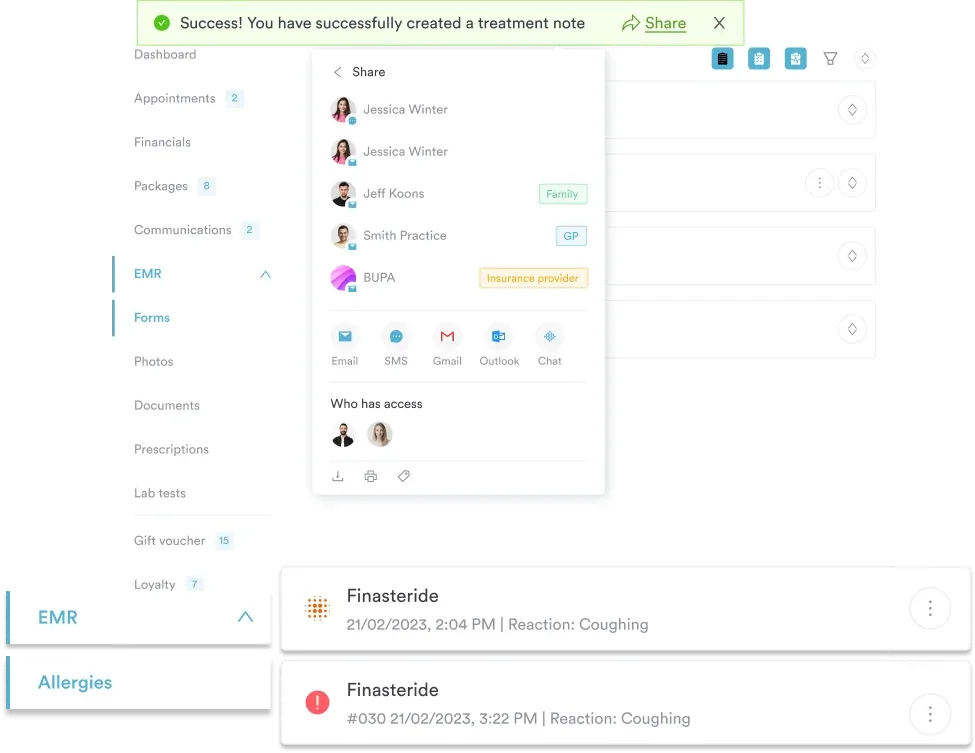
Practices managing multi-stage oncology workflows benefit from combining structured records with claims management software that flags missing laterality fields before a claim leaves the system. Catching an unspecified code at pre-submission review costs seconds; catching a denial and appealing it costs staff hours.

For practices handling high documentation volumes across urology and oncology patients. Documentation accuracy across a dermatology and oncology EMR software environment ultimately determines whether C64.1 or C64.9 lands on the claim.
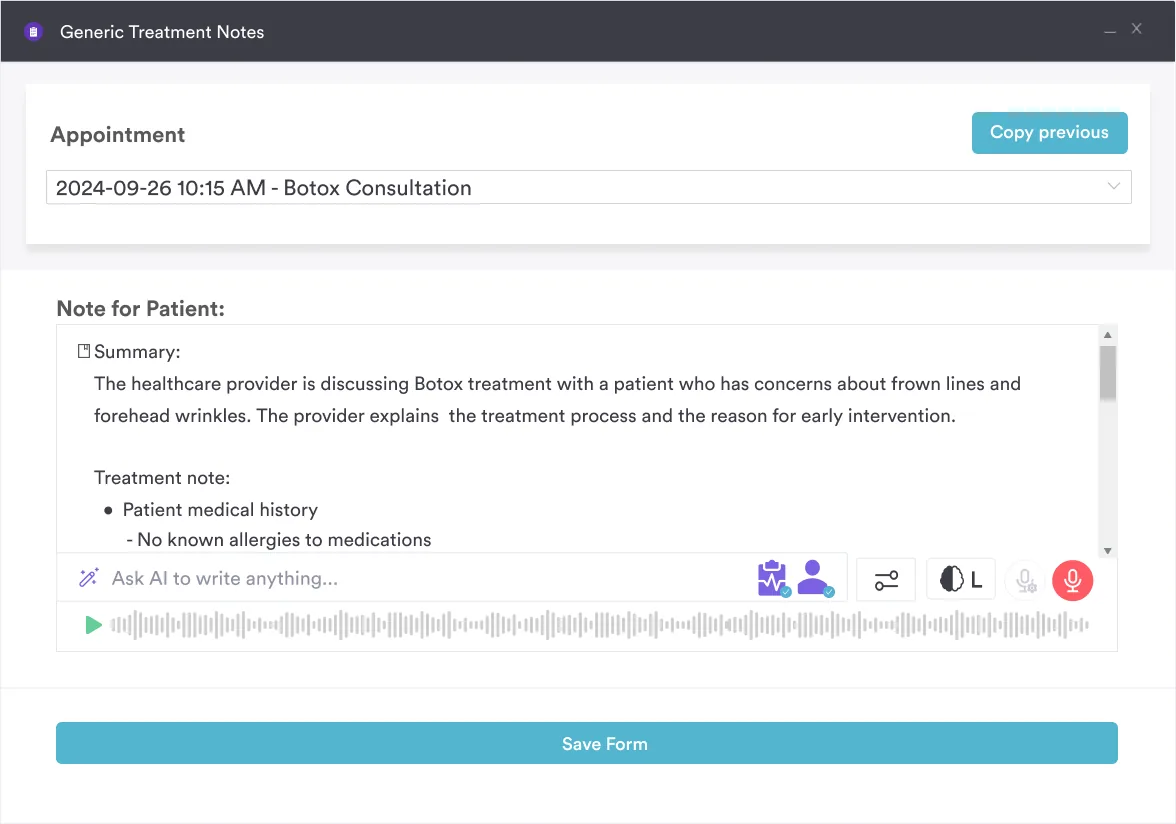
Maintaining HIPAA-compliant clinic software is a baseline requirement for any practice handling oncology diagnoses, given the sensitivity of cancer-related records. The combination of structured documentation workflows, laterality-aware templates. Using structured medical forms across urology encounters ensures laterality fields are never omitted at intake.
Laterality errors in kidney cancer coding are preventable with the right documentation workflow. C64.1 is specific, billable, and required whenever the right kidney parenchyma is the confirmed site of malignancy. Using C64.9 when C64.1 is supportable by the record is a compliance gap, not a safe choice.
Pabau’s compliance management tools help urology and oncology practices build structured documentation workflows that capture laterality at the point of care, reducing the audit risk that comes with unspecified codes. To see how Pabau supports oncology and urology coding accuracy, book a demo with our team.

Need laterality-specific neurological code guidance? Intraparenchymal hemorrhage coding reference walks through the I61.x series with documentation tips and coding best practices for practices.
Billing a UK private healthcare code? CCSD code 0500C billing guide covers how consultants and private GPs avoid claim rejection when submitting CCSD code 0500C.
Billing a colonoscopy that turns therapeutic? Therapeutic colonoscopy billing coding covers CCSD code H2003 and the documentation needed to upgrade billing from code H2002 mid-procedure.
ICD-10 Code C64.1 is the billable ICD-10-CM diagnosis code for malignant neoplasm of the right kidney, excluding the renal pelvis. It is used to document primary kidney cancer (most commonly renal cell carcinoma) arising from the right kidney parenchyma, and it is valid for FY2026 reimbursement purposes.
Use C64.1 whenever imaging, pathology, or operative documentation explicitly identifies the right kidney as the site of malignancy. C64.9 (unspecified) is only appropriate when laterality is genuinely undocumented and a provider query has not resolved it. Assigning C64.9 when the record already documents “right kidney” is a coding error.
No. C64.1 explicitly excludes the renal pelvis. Tumors arising from the right renal pelvis are coded under C65.1. Confirm the anatomical origin in the pathology or imaging report before selecting between C64.1 and C65.1, as these represent distinct tumor types with different treatment implications.
The approximate ICD-9-CM predecessor is 189.0 (Malignant neoplasm of kidney, except pelvis). The crosswalk is one-to-many: ICD-9-CM 189.0 did not specify laterality, so historical claims coded as 189.0 cannot be assumed to represent right kidney without reviewing the original clinical documentation.
No. C64.1 captures only the primary right kidney malignancy. When metastatic disease is documented, add secondary malignant neoplasm codes from the C77-C79 range to reflect the sites of spread. Submitting C64.1 alone for a patient with confirmed metastases understates the clinical picture and can trigger payer audits.
A right kidney mass is not automatically C64.1. Assign C64.1 only once imaging or pathology confirms a malignant neoplasm of the right kidney parenchyma. When the mass is an unconfirmed imaging finding, code R93.421 (abnormal radiologic finding, right kidney); when a biopsy shows uncertain behavior, use D41.01. Coding C64.1 before malignancy is documented overstates the diagnosis.
Renal cell carcinoma arising in the right kidney parenchyma is coded C64.1, the same code used for other malignant neoplasms of the right kidney except the renal pelvis. Confirm the tumor originates in the parenchyma and not the renal pelvis (C65.1) before assigning it, since the two sites carry different histology and treatment paths.