ICD-10 Code S42.444P: Medial epicondyle fracture, right humerus
ICD-10 Code S42.444P: full descriptor and code validity ICD-10 Code S42.444P car...

Last Updated: Oct 13, 2026
Billable Code Specific Code
C55 is the billable ICD-10-CM code for malignant neoplasm of uterus, part unspecified.
Let Pabau's smart automation suggest the right codes, reduce claim denials, and keep your practice compliant—effortlessly.
Automate repetitive tasks and focus on what matters most—your patients.
Reduce coding errors and ensure compliance with the latest regulations.
Clean claims, fewer denials, and faster reimbursements.
Powerful insights and reporting to help your practice thrive.
HIPAA compliant SOC 2 certified GDPR-compliant Trusted by 4,000+ clinics worldwide

ICD-10 Code C55 describes malignant neoplasm of uterus, part unspecified, and is a billable ICD-10-CM code effective October 1, 2025 (2026 edition).
Use C55 only when the specific uterine site is not documented. Use C54.1 for endometrium or C53.x for cervix when the site is known.
Missing site specificity is the most common coding error: auditors flag C55 claims when C54.x evidence exists in the clinical record.
Practice management software like Pabau keeps C55 diagnosis, pathology, and procedure documentation linked and audit-ready before a claim is prepared.
ICD-10 Code C55 is the billable ICD-10-CM code for malignant neoplasm of uterus, part unspecified. It applies when a uterine malignancy is confirmed but the specific anatomical site within the uterus is not documented.
Payers scrutinize C55 claims closely, because many uterine cancers are diagnosable at a more specific site. Getting the assignment right starts with knowing when C55, rather than a more specific code, is the correct choice.
ICD-10-CM, the classification C55 belongs to, is maintained by the CDC’s National Center for Health Statistics, NCHS. The 2026 edition of C55 became effective October 1, 2025. Per the ICD-10-CM Official Guidelines for Coding and Reporting, C55 may be reported whenever a uterine malignancy is confirmed but the specific anatomical site within the uterus is not documented.
ICD-10 Code C55 sits within the C51-C58 category, which covers all malignant neoplasms of the female genital organs. Understanding the full hierarchy helps coders see why C55 should be a last resort when a more specific code in the family is available.
C55 is the only code in this family that covers the uterus as a whole without specifying the anatomical site. Every other uterine code (C54.0 through C54.9) requires knowledge of the exact substructure involved. When a pathology report or operative note identifies a specific location, the more granular code must be used, per ICD-10-CM specificity guidelines.
This is where most uterine cancer coding errors originate. Coders default to C55 because it is easier, but payers and auditors expect the most specific code the documentation supports. The same specificity principle applies throughout the neoplasm chapter.
One nuance that trips up newer coders: C55 is not valid for cervical cancer. The cervix uteri falls under C53.x, which is a separate code family entirely. C55 covers only those uterine malignancies where neither cervix, corpus, endometrium, nor any other specific substructure is identified in the record.
Before assigning C55, review the pathology report, operative note, and attending clinician’s diagnosis statement. If any of these documents names a specific uterine substructure, a more precise C54.x code is required. Query the provider rather than defaulting to an unspecified code when the record is ambiguous.
Skin neoplasms are dermatology’s daily work, and a dermatology EMR pairs each code with photos and pathology.
Claims submitted with C55 attract heightened payer scrutiny precisely because so many uterine cancers are diagnosable at a more specific site. Solid medical documentation workflows protect the claim from the outset. The checklist below reflects what CMS guidance and auditors expect to see in the clinical record when C55 is assigned. Claim accuracy is cheaper to build at entry than to repair in an appeal.
Patient data security is a parallel concern: records supporting C55 claims often include sensitive oncology data. Practices using digital intake forms can capture and store oncology documentation in a structured, audit-ready format from the first patient contact.

Three error patterns appear repeatedly in uterine cancer ICD-10 coding audits. Each is preventable with a structured pre-submission review.
Practices using structured clinical documentation for ICD-10 codes reduce these errors by linking the diagnosis entry directly to the underlying source document. This makes it harder for a coder to select an unspecified code.
Payer LCD and NCD policies govern which CPT codes are medically necessary with C55. The pairings below reflect commonly billed procedure codes in gynecologic oncology practice. Verify current coverage with the relevant payer before submission. Payer policies vary. The combinations listed are starting points, not guarantees of reimbursement.
Practices managing gynecologic oncology billing benefit from documentation software like Pabau that links the ICD-10 diagnosis code to the CPT procedure at the encounter level, keeping the pairing accurate before a claim is prepared. Cross-referencing CPT codes against the AAPC’s ICD-10-CM lookup tools is also standard practice. The AAPC Codify ICD-10-CM lookup provides a free searchable reference. Coders working across several specialties keep a coding reference to hand rather than searching the full manual.
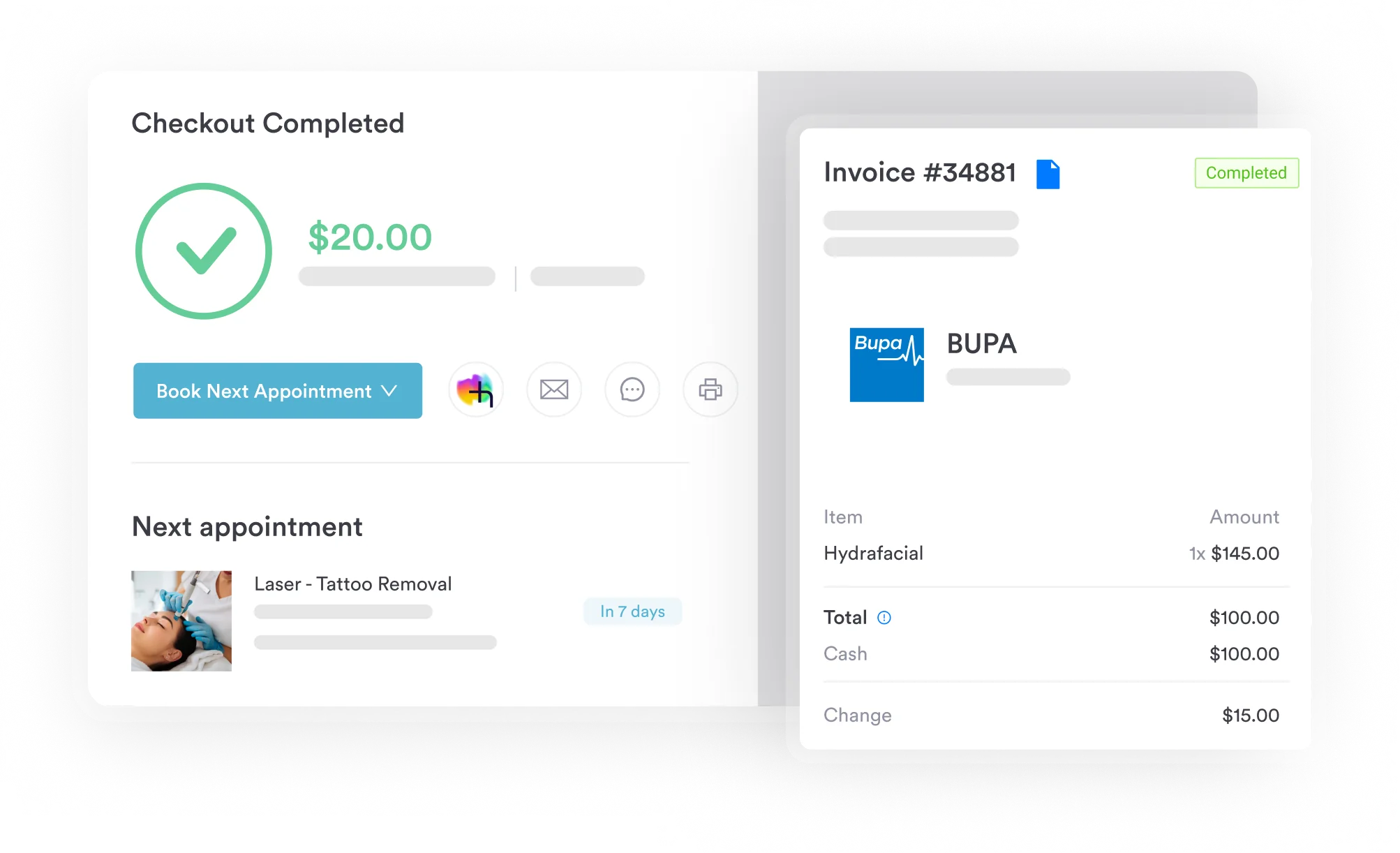

Pabau helps gynecologic oncology and OB-GYN practices link ICD-10 diagnosis codes to CPT procedures at the encounter level and flag incomplete documentation before a claim is prepared. See how it works for your practice.

Practices reconciling historical records or transitioning payer contracts that reference legacy codes will encounter the ICD-9-CM crosswalk. According to CMS General Equivalence Mappings (GEMs), the primary mapping for C55 is as follows. Verify any crosswalk application against the official GEMs files published by ResDAC, as approximate equivalents may not capture the full clinical picture.
The key crosswalk risk is applying C55 to old ICD-9 records that originally carried 182.0 or 182.8 (other sites of corpus uteri). Those cases had documented corpus uteri involvement and should map to the C54.x family, not to C55. Mixing up the crosswalk creates audit exposure when the original ICD-9 record is reviewed alongside the ICD-10 claim.
ICD-10 Code C55 itself does not encode stage. FIGO and TNM staging classifications supplement the ICD-10-CM code and are recorded separately in the clinical record to support treatment planning and oncology registries. Both staging systems apply to uterine and endometrial cancers coded under C55 and C54.1.
Note the practical implication of FIGO Stage I: because stage I uterine cancer is confined to the corpus uteri, the staging detail itself often reveals enough anatomical specificity to support a C54.x code. A Stage I diagnosis alongside a “uterine cancer, site unspecified” encounter note is a documentation inconsistency worth querying before final code assignment.
Most uterine cancer coding errors are documentation problems, not coder errors. The clinical record does not always travel alongside the diagnosis entry when encounters are coded remotely or after the fact.
Practices using OB-GYN EMR software or pelvic health systems that link diagnosis codes to underlying encounter documents create a natural audit trail. The coder can see the pathology report and the ICD-10 code assignment on one screen, making it harder to miss a specificity opportunity.
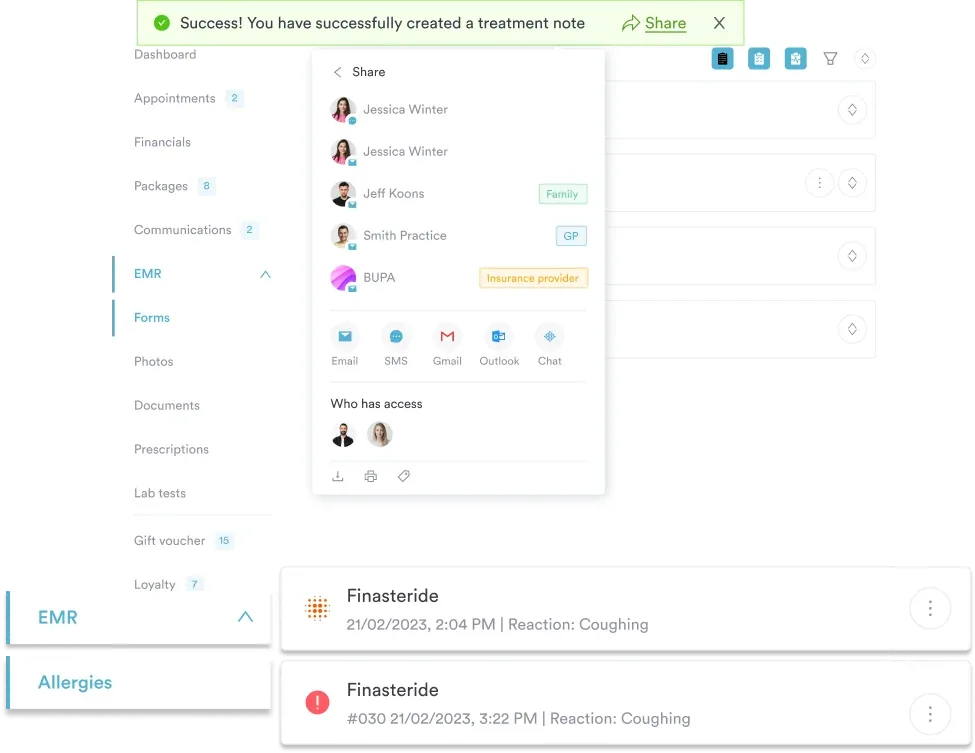
Pabau’s patient records management connects clinical notes, pathology reports, and procedure documentation in a single structured record. For gynecologic oncology billing teams, this means the documentation supporting C55 or a more specific C54.x code stays accessible at the point of claim preparation.
That structured record keeps diagnosis, pathology, and procedure documentation linked and audit-ready before a claim is prepared, closing off where coding errors typically enter.
ICD-10 Code C55 is a legitimate, billable ICD-10-CM code, but it’s also one of the most frequently misassigned codes in gynecologic oncology billing.
The rule is simple: use C55 only when the clinical record does not specify the anatomical site of the uterine malignancy. When the record supports C54.1, C54.9, or another member of the C54.x family, use the more specific code.
For practices managing uterine cancer coding at scale, Pabau’s integrated patient records keep diagnosis, pathology, and procedure documentation linked and audit-ready from the first encounter onward. Book a demo to see how Pabau supports gynecologic oncology billing workflows.

Documenting a related obstetric complication? O07.1 follows the same site- and confirmation-specificity logic as C55.
Need a CPT reference for malignant lesion excision? 11644 shows how specificity requirements extend to procedure coding too.
Working through other neoplasm codes? C49.0 follows the same unspecified-site pattern within the neoplasm chapter.
ICD-10 Code C55 is the billable ICD-10-CM diagnosis code for malignant neoplasm of uterus, part unspecified, effective October 1, 2025. It is used when a uterine malignancy is confirmed but no specific anatomical site within the uterus is documented.
Use C55 only when no part of the uterus is identified in the clinical record. If any source document confirms endometrial involvement, C54.1 is required instead.
No. Cervical cancer is coded under C53.x (malignant neoplasm of cervix uteri); C55 covers only uterine malignancies where no specific substructure, including the cervix, is identified.
Common pairings include 58150 (total abdominal hysterectomy), 58571 (laparoscopic total hysterectomy with removal of tube(s)/ovary(s)), 58100 (endometrial biopsy), 96413 (chemotherapy infusion), and 99215 (high-complexity office visit). Always verify coverage with the relevant payer before submitting.
The approximate ICD-9-CM equivalent is code 179, per CMS General Equivalence Mappings. ICD-9 codes 182.0 and 182.1 should crosswalk to C54.9 and C54.0 respectively — not to C55.
No. Documented endometrial cancer requires C54.1. C55 applies only when the malignancy is confirmed but no specific uterine site, including the endometrium, is identified anywhere in the record.