Fair fighting rules worksheet
A fair fighting rules worksheet is a therapy handout that sets out ground rules ...

3
Last Updated: Oct 21, 2026

Interoceptive exposure is a CBT technique. Clients deliberately induce feared physical sensations, such as dizziness, breathlessness, or a racing heart, in a safe, controlled environment to reduce anxiety sensitivity.
The downloadable worksheet is a simple session log. Therapists record the exercise used, the client’s sensation intensity and anxiety level, and notes for the next session.
Standard exercises include hyperventilation, straw breathing, spinning, running in place, breath holding, and muscle tensing, each producing specific bodily sensations clients learn to tolerate.
Practice management software like Pabau integrates exposure practice logs directly into session notes and treatment plans, eliminating double-handling of data across separate systems.
A ready-to-use clinical worksheet for documenting a single interoceptive exposure session. Record the client’s details, the exercise you used, their sensation intensity and anxiety level, and your notes and goals for next time.
Download templatePanic disorder affects up to 3% of adults. It is characterized by sudden onset fear responses paired with physical sensations like shortness of breath, chest tightness, and dizziness. Clients often become anxious about the anxiety itself. They fear their bodily sensations will spiral into a health crisis.
Interoceptive exposure worksheet resources break this cycle. They teach clients to safely re-encounter feared sensations in a predictable, controlled setting until the anxiety response naturally diminishes.
This guide covers the complete interoceptive exposure worksheet: what it is, how therapists use it, and which conditions it treats. It also explains the standard exercise menu, how to build a personalized hierarchy, and what the session log records. Finally, it shows how to integrate the worksheet into your practice’s workflow.
Interoceptive exposure is an evidence-based cognitive-behavioral therapy (CBT) technique that directly targets the anxiety sensitivity driving panic disorder and related conditions. Instead of avoiding feared physical sensations, clients deliberately induce those sensations in a safe, structured environment supervised by a therapist. The fear response extinguishes through repeated, successful exposure.
The structured psychiatric assessment template approach underpins clinical documentation. The interoceptive exposure worksheet follows the same principle: it creates a standardized, repeatable format. This lets therapists guide clients through the technique while keeping clear clinical records. This is distinct from simply talking about anxiety. The worksheet ensures clients experience the sensations safely, building confidence that they can tolerate them.
According to the American Psychological Association (APA), exposure-based CBT is a first-line treatment for panic disorder. Robust evidence supports both situational (in vivo) and sensation-focused (interoceptive) modalities.
The mechanism underlying interoceptive exposure relies on habituation: the natural tendency for anxiety to decrease with repeated, safe exposure to a feared stimulus. Here is how therapists guide clients through this process:
This cycle repeats across sessions. The client gains evidence that the sensation does not escalate into a medical crisis. They also learn that anxiety naturally subsides without avoidance, and that the sensation loses its threat meaning.
Interoceptive exposure is the primary evidence-based treatment for panic disorder. This condition involves sudden, unprovoked panic attacks alongside a persistent fear of future attacks. It is also recommended for:
A psychology practice management software system designed for mental health clinicians should support this workflow through integrated session notes, treatment-plan tracking, and client-accessible progress records. Nurses treating trauma-related anxiety may follow a similar documentation structure in a PTSD nursing care plan.
Knowing how practice management software works helps you decide which forms to digitize first.
Interoceptive exposure draws on a standard menu of exercises that reliably produce feared physical sensations. Therapists choose from this menu based on which sensations the client fears most, then note the exercise used on the worksheet’s session log:
Building an exposure hierarchy is a clinical planning step, not a built-in feature of the downloadable worksheet. Therapists do not expose clients to all exercises at once. Instead, they construct a personalized ladder of exercises ordered by the client’s current anxiety level. They then use the worksheet’s session log to record progress through each step:
This graduated approach prevents overwhelming the client and ensures each success builds confidence for the next step.
Difficulty ratings behave differently when a patient has already scored a comparable list. Someone who rated the trigger items on a trypophobia screener recalls those numbers, so the repeat reads as a comparison rather than a fresh report.
The downloadable worksheet is a multi-page session log, not a multi-week tracking chart. It captures the client’s name, the date, and the therapist.
It also records a description of the exercise used, the intensity of the sensations produced, and the client’s level of anxiety. There is also space for additional thoughts or feelings, goals for the next session, and the therapist’s notes.
A client record system that stores each completed log in the client’s chart lets therapists compare sessions side by side. This makes it easy to see whether anxiety is declining even though each worksheet only covers one exercise.
Two primary exposure modalities exist in CBT for anxiety. Clarifying the difference helps therapists select the right strategy:
Most clinical cases benefit from combining both. A client with panic disorder and agoraphobia might use interoceptive exposure first to reduce anxiety sensitivity. They can then try in vivo exposure to re-enter avoided situations with confidence.
Therapists often ask: what makes interoceptive exposure work smoothly in session and across homework assignments? These evidence-based tips refine the technique:
Interoceptive exposure is safe when properly conducted, but therapists must adhere to best practices. Screen clients for cardiac, respiratory, or seizure disorders before interoceptive exercises.
Some clients become temporarily anxious during exposures. Normalize this as an expected response, not a sign of harm. If panic escalates beyond the client’s coping capacity, pause the exercise, ground the client, and debrief before deciding whether to repeat or adjust intensity.
Never attempt interoceptive exposure without adequate training in CBT exposure therapy principles and panic disorder pathophysiology.
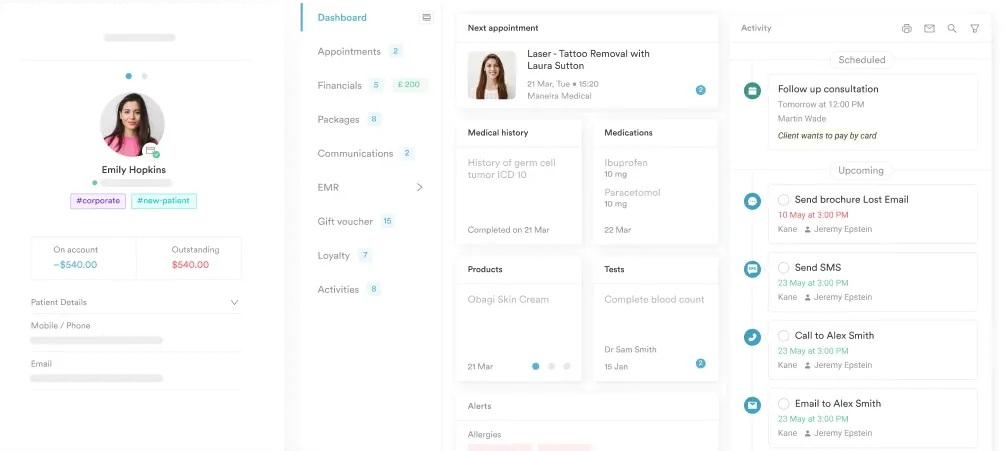
Downloading the PDF worksheet is the first step. Pabau’s system lets you embed the practice log directly into session notes and treatment plans. This eliminates double-handling of data.
Store digital intake forms and assessment records alongside the exposure worksheet in the client’s record. In the treatment plan, reference the specific exercises prescribed and link each to the client’s presenting anxiety sensitivity.
During sessions, therapists can log exercise results (pre/post anxiety, duration. This workflow keeps the exposure hierarchy, practice logs, and clinical narrative in one audit-ready location.
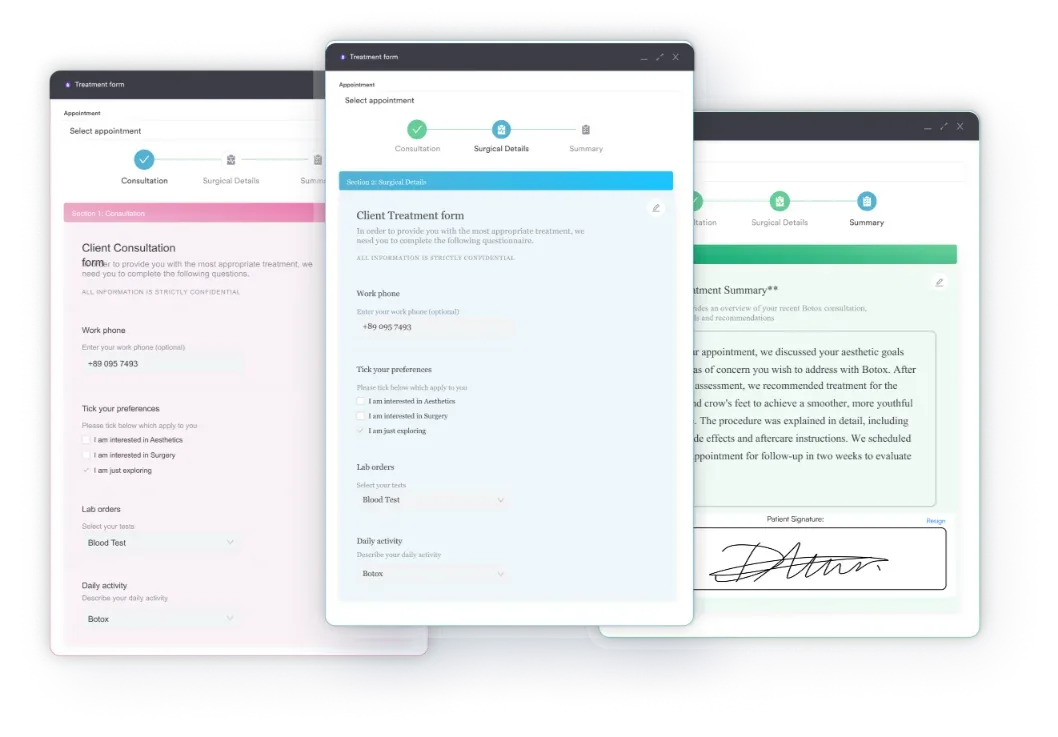
For therapy practice management, assign homework exposures as action items linked to each session. Clients can upload their completed logs via the client portal, and therapists review compliance at the next session without manual paper shuffling.

Integrate interoceptive exposure logs, treatment plans, and progress tracking in one secure, auditable clinical record. See how Pabau supports evidence-based exposure therapy from initial assessment to discharge.

The interoceptive exposure worksheet gives therapists a consistent way to guide clients through evidence-based exposure practice while keeping every session documented. Used session after session, it turns a client’s fear of panic into measurable proof that the sensation is tolerable. That evidence builds confidence faster than reassurance alone.
Therapists who log every exposure the same way can spot stalled progress early and adjust the hierarchy before a client disengages. Book a demo to see how Pabau keeps exposure logs, treatment plans, and session notes together in one secure, auditable record.

Need to help a client name what sets off their anxiety? Identifying triggers worksheet walks clients through up to three personal triggers alongside a grounding reminder for each.
Want a structured way to weigh a difficult behavior change with a client? Cost-benefit analysis therapy worksheet uses a four-quadrant format that supports CBT and DBT decision-making.
Treating a client whose anxiety has cost them friendships? Friendship worksheet offers open prompts clients can use to rebuild social connection at their own pace.
Interoceptive exposure is a CBT technique. Clients deliberately induce feared physical sensations, such as dizziness, breathlessness, or chest tightness, in a safe, controlled setting supervised by a therapist. Repeated exposure to the sensation without a panic outcome causes anxiety to naturally decline, a process called habituation. The client learns the sensation is tolerable and does not signal a medical emergency.
Common exercises include hyperventilation, straw breathing, head shaking or spinning, running in place, muscle tensing, and breath holding. Each produces specific bodily sensations, such as dizziness, shortness of breath, a racing heart, or trembling, that mimic panic symptoms. Therapists choose the exercise that matches the client’s feared sensations and note it on the worksheet’s session log.
Yes. Health anxiety (illness anxiety disorder) is characterized by fear that benign bodily sensations signal serious illness. Interoceptive exposure teaches clients to tolerate these sensations without catastrophic interpretation, reducing the need for repeated reassurance-seeking and medical checking behaviors.
Interoceptive exposure targets internal bodily sensations and is used for panic disorder and health anxiety. In vivo (situational) exposure targets external situations and places and is used for agoraphobia, specific phobias, and situational anxiety. Most clients benefit from both modalities combined.
Habituation typically begins within the first 2-4 weeks of regular practice. Clients may notice reduced anxiety during or immediately after exposures. Full treatment usually spans 8-16 weeks depending on symptom severity and frequency of practice sessions. Consistent homework is key to faster results.