Fair fighting rules worksheet
A fair fighting rules worksheet is a therapy handout that sets out ground rules ...

2
Last Updated: Oct 21, 2026

An identifying triggers worksheet is a structured clinical tool that helps therapists and clients systematically recognize internal emotions, thoughts, and physical sensations as well as external people, places, and situations that provoke strong emotional reactions.
Triggers fall into two key categories: internal (emotions, thoughts, bodily cues) and external (people, places, situations, sensory events) – recognizing both types helps clients understand their complete emotional response patterns.
The downloadable worksheet covers up to three personal triggers, each with prompts on the trigger, the client’s reaction, and a grounding reminder.
Practice management software like Pabau, through its digital forms feature, lets therapists deploy triggers worksheets during intake and store responses securely for later reference.
A simple, focused worksheet for identifying up to three personal triggers. Each includes reflection questions on why it triggers the client, their reaction, and a grounding reminder to help them stay in control.
Download templateAn identifying triggers worksheet helps therapists and clients name what sparks a strong reaction. Both then work from a shared, written record.
The worksheet above focuses on three trigger slots, each asking why it affects the client, how they react, and what helps them stay in control.
Naming triggers this way turns an automatic reaction into something a client can recognize early and plan around with their therapist.
Keeping a written record also supports consistent documentation across a caseload, so every client’s triggers stay on file for later sessions.
An identifying triggers worksheet is a structured clinical assessment tool. It helps therapists and clients recognize and catalog the internal and external stimuli that provoke strong emotional reactions.
Triggers are situations, events, thoughts, sensations, or interactions that activate emotional distress, often rooted in past experiences. Understanding them is foundational to cognitive-behavioral therapy (CBT), dialectical behavior therapy (DBT), and trauma-informed care.
The primary purpose of an identifying triggers worksheet is to move emotional reactions from an unconscious, automatic level into conscious awareness. When clients name their triggers and distinguish internal cues from external ones, they gain agency over their responses.
Many practices manage this within mental health practice management software, introducing the worksheet at intake and folding client responses into coping-strategy and relapse-prevention planning.
Clinically, the worksheet serves two roles. First, it acts as a self-assessment instrument that reveals patterns the client may not have consciously recognized. Second, it provides therapists with diagnostic information about which emotions, people, situations, and bodily states are highest-risk for the client.
This data is especially valuable in addiction recovery, trauma treatment, and anxiety disorder work. In these contexts, trigger awareness directly reduces relapse risk and supports long-term stability.
Triggers are not inherently “bad” – they are simply stimuli that activate an emotional or physiological response. Understanding the distinction between internal and external triggers is essential for effective treatment. The psychiatric evaluation process often begins by mapping these categories so clinicians can develop targeted interventions.
Internal triggers originate inside the client’s body or mind and include:
They’re often harder for clients to recognize because they’re subjective and occur “silently” without external cues. A client might not connect their afternoon sadness to an upcoming anniversary of a loss, or realize that physical tiredness is making them irritable.
External triggers come from the environment and include:
These are often easier to identify initially because they’re concrete and observable. A client can often recall “I felt angry when my mother called” or “I had a panic attack at the grocery store.” The worksheet’s strength is that it helps systematize these observations so patterns become visible.
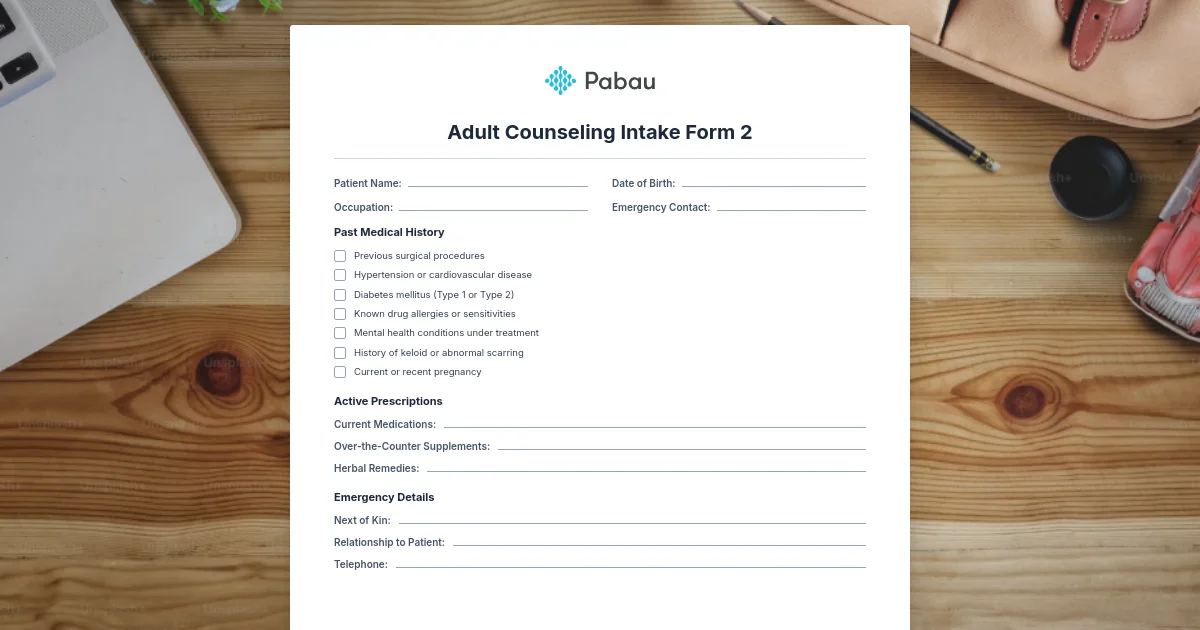
Most identifying triggers worksheets organize triggers into a few consistent categories. This categorical structure mirrors the digital intake forms many therapists use, making it easy to bridge worksheet responses into structured client records.
In practice, a single triggering moment usually activates multiple categories at once. A client might attend a family dinner (situation) with a critical sibling (person) in the childhood home (place), around the anniversary of a loss (event). They might also notice chest tightness while hearing a song from an emotionally charged period (sensory cues). The identifying triggers worksheet helps untangle this complexity into discrete, manageable components.
If you are new to digital tooling, start with what practice management software does before digitizing forms like this.
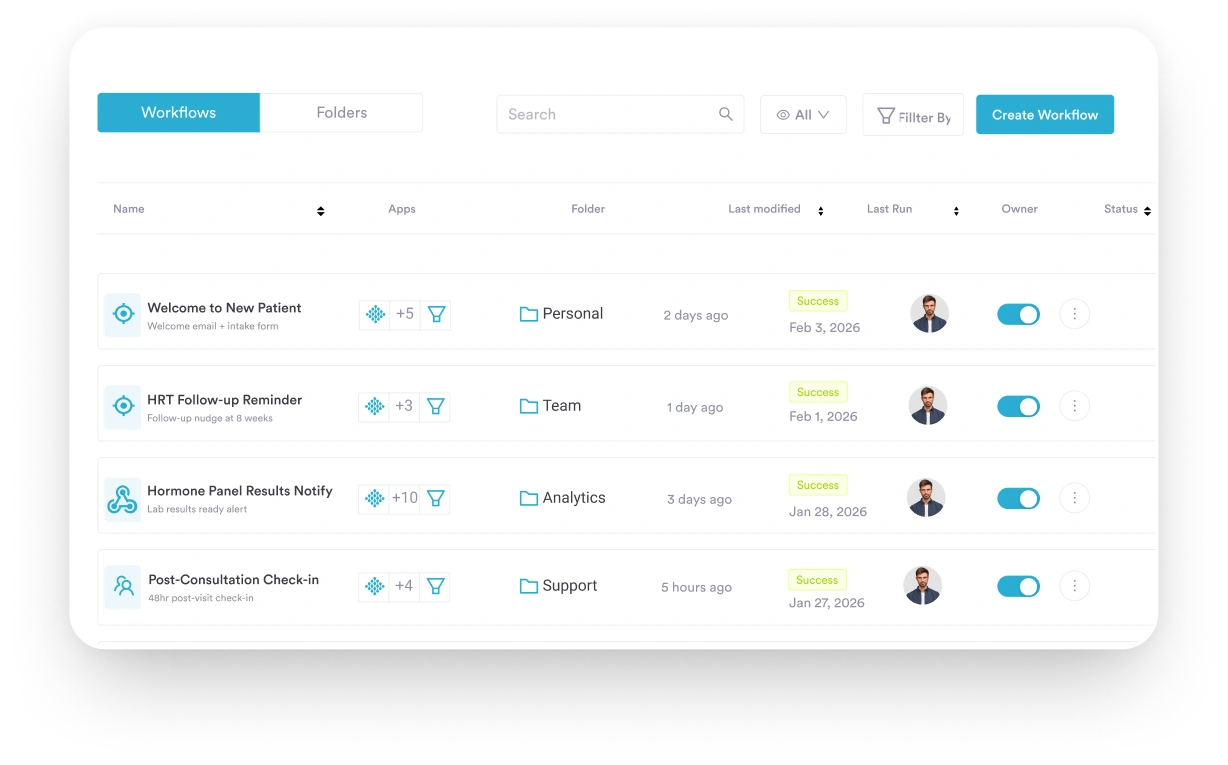
A structured five-step clinical workflow maximises the worksheet’s therapeutic value. This is where Pabau’s automated workflow capabilities can streamline the process – deploying the worksheet as part of intake sequences or between-session assignments.
Reassess the worksheet every 6-12 weeks. As therapy progresses, triggers often shift in intensity or specificity – a newer version of the worksheet shows progress and helps adjust the treatment plan.
Anxiety-specific trigger identification differs slightly in focus. Clients with anxiety disorders often experience triggers that are subtle, future-oriented (anticipatory), or internally driven. The psychology practice software context is where therapists can create condition-specific template variants – one worksheet for anxiety, one for trauma, etc.
For anxiety, emphasize these trigger domains:
Once identified, these anxiety triggers become the targets for CBT interventions:
Trauma triggers often activate automatic physiological responses (fight-flight-freeze) that bypass rational thought. A trauma-informed triggers worksheet must acknowledge that clients cannot always “think their way out” of a triggered state – somatic and grounding techniques are essential.
Trauma-specific trigger domains include:
Trauma-informed practice uses the triggers worksheet within a clinical documentation framework that emphasizes safety and agency. Therapists should always ask permission before exploring triggers, offer choice in pacing, and ensure grounding techniques are taught before deep processing begins.
An initial identifying triggers worksheet is a snapshot. It captures what the client consciously recognizes in a single session. A longitudinal trigger log transforms that snapshot into an evolving map of emotional patterns.
A trigger log is a simple table the client uses between sessions – even daily – to record triggering moments as they happen. This real-time tracking reveals patterns invisible in retrospective reflection.
Over weeks, this log reveals meta-patterns: “Every Monday I’m triggered by work stress” or “Anniversaries consistently spike my anxiety.” These patterns become targets for preventive coping. A therapist might schedule extra support on Mondays or plan a grounding ritual around anniversaries.
When work stress keeps showing up in the log, our stress worksheet adds a symptom checklist and a one-week action plan.
Therapists using appointment booking and session notes can ask clients to bring their trigger logs to each session. This makes the data visible in the therapeutic relationship. The therapist can then celebrate progress: “You had two triggers this week, but your coping strategies worked faster each time.”
Trigger identification without coping strategy development is incomplete. Once a client recognizes a trigger, the next step is concrete action.
A functional coping plan includes:
The coping plan transforms abstract emotional awareness into behavioral action. A therapist using client portal features can share the written coping plan with the client digitally. During a triggering moment, the client can pull up their phone and review the plan without contacting the therapist.
Anger-specific trigger worksheets focus on identifying the thoughts, situations, and injustices that provoke anger escalation. Unlike anxiety (which is future-focused) or trauma (which is past-focused), anger often responds to perceived unfairness or violation in the present moment.
Anger-trigger domains:
Anger-management therapy teaches clients to pause between trigger and response. The classic “count to 10” advice creates space for choice, not just delay.
The identifying triggers worksheet helps clients recognize their personal anger signature so they can intervene earlier in the escalation cycle.
In addiction recovery, trigger identification is often a matter of relapse prevention. The Substance Abuse and Mental Health Services Administration (SAMHSA) emphasizes that identifying high-risk situations is a core skill in recovery-oriented treatment planning.
Addiction-specific triggers include:
A recovery-focused identifying triggers worksheet becomes the foundation of a relapse-prevention plan. Clients and counselors co-create a detailed map of high-risk situations and non-substance coping alternatives (mutual aid attendance, skill-building, professional support, peer contact). The worksheet is reviewed regularly and updated as the client progresses through recovery stages.
Many practices still track triggers on paper, then retype the patterns into session notes between appointments.
Pabau turns the same worksheet into a digital intake form, so a client’s responses land directly in their record instead of a paper file. Automated workflows can then schedule a check-in or remind the client to revisit their coping plan through the secure client portal between sessions.
That keeps a client’s trigger history in their record, not scattered across paper, so any team member can review it before the next session.
A single worksheet only captures one session’s snapshot. What helps is revisiting it every few weeks and folding what changes into the coping plan, instead of filing it away after the first pass.
Therapists who skip that follow-up often see clients name a trigger once and stop there. That misses the pattern that would have shaped treatment. Reviewing the worksheet periodically costs a few minutes per session but keeps the coping plan accurate as triggers shift.
Book a demo to see how Pabau keeps trigger worksheets, session notes, and coping plans in one client record instead of scattered paper files.
An identifying triggers worksheet is a clinical assessment tool that helps clients and therapists recognize what provokes strong reactions. It covers internal triggers (emotions, thoughts, physical sensations) and external triggers (people, places, situations, sensory cues), bridging emotional awareness with actionable treatment planning.
Begin by listing situations or moments when you felt strong emotions (anger, anxiety, sadness, shame). For each, note the context (who was there, where were you, what happened). Then categorize the activating factors as internal (emotions, thoughts, bodily sensations) or external (people, places, situations). Finally, note what you felt and how you responded. Therapists often guide this process in-session or assign it as structured homework.
Common triggers vary by condition. Anxiety triggers often involve uncertainty or performance pressure. Trauma triggers include sensory reminders and anniversaries. Anger triggers include feeling disrespected or facing injustice. Addiction triggers include people, places, and emotions tied to past use. Personal triggers are unique, so what activates one person may not affect another.
Initial trigger identification using a worksheet typically takes 30-45 minutes in a structured session. However, full awareness develops over weeks or months as clients notice new triggers in real-world situations. A longitudinal trigger log (tracking triggers between sessions) reveals patterns that a single snapshot worksheet cannot capture. Most therapists reassess triggers every 6-12 weeks as therapy progresses.