Hell’s Itch pain scale
The Hell’s Itch pain scale is a numeric rating system that quantifies the ...

7
Last Updated: Oct 5, 2026

A friendship worksheet guides structured reflection on relationships, helping people spot patterns, strengths, and areas to grow.
It covers six areas: self-reflection, communication, boundaries, conflict resolution, support, and future actions, each with open-ended prompts.
School counselors, therapists, teachers, and parents use it with teens and adults to build self-awareness and stronger communication.
Practice management software like Pabau lets you collect worksheets digitally and track friendship-skill progress over time.
A two-page worksheet with six sections, from self-reflection to a future-action plan, each built around open prompts a client can complete alone or work through with you in session.
Download templateA teenager who can’t explain why a friendship fell apart usually isn’t short on feelings. They’re short on the words and structure to work through them. A friendship worksheet gives you both. It turns a vague social struggle into something concrete, so a client or student can name the problem and start changing it.
School counselors, therapists, teachers, and parents all use it slightly differently. But the goal stays the same: turn “be a good friend” into something concrete enough to practice.
This free, downloadable worksheet works in one-to-one sessions, small groups, classroom lessons, or as a take-home reflection tool.
A friendship worksheet is a short, written exercise that walks someone through their social relationships one prompt at a time. It mixes guided questions with reflection activities.
That combination helps a client explore what friendship means to them, and name the qualities they value in a friend.
Mental health professionals, educators, and parents use it to support social-emotional learning, often shortened to SEL. SEL is the skill of naming emotions, setting goals, and making sound decisions.
Vague advice like “just be a good friend” doesn’t teach anyone anything. A worksheet turns that advice into something a person can practice.
You can use it one-to-one, in small groups, in a classroom lesson, or as a take-home exercise. Pair it with digital intake forms, and the completed worksheet becomes part of a client’s file.
That lets you track how a client’s social relationships change over time.
The worksheet itself is two pages of text, split into six sections: self-reflection, communication, boundaries, conflict resolution, support, and future actions. Every section uses open prompts and blank space for writing.
That structure moves the client from looking back at old friendships to setting goals for new ones.
This section opens with what the client values in a friend, then asks them to think back on past friendships. It also asks what role they played in those friendships, and how well that role matched their own values.
Two prompts ask the client to describe how they usually communicate, then to judge their own listening honestly. Most people have never had to put that into words before, so this section often surfaces habits they didn’t know they had.
The boundaries section asks the client to describe their own limits, then to consider how well they respect the limits other people set. Both prompts are open text boxes, so the answers stay specific to the client’s own relationships.
Clients write about how they typically handle conflict. Then they reflect on apologizing and forgiving, the two skills the worksheet treats as central to repairing a friendship.
If a client’s conflicts trace back to one recurring trigger, an identifying triggers worksheet maps that before you get to repair work. For deeper clinical work.
This short section asks the client to think through how they support friends, and how they receive support in return. It’s a two-way check, not a one-sided “are you a good friend” question.
The worksheet closes by asking the client to set a goal, list the steps to get there, and write down one commitment to growth. That turns the earlier reflection into a plan for the weeks ahead, rather than just an afternoon of introspection.
A client’s goal often stalls on a prediction about how the friend will react. A positive reframing worksheet takes that prediction apart, asking for the evidence behind it and for the alternative explanations the client has not weighed.
The worksheet fits several roles at once. School counselors use it with students navigating peer conflict or social anxiety. Therapists fold it into treatment for depression, anxiety, autism, and ADHD, conditions that often complicate friendships. Teachers build it into social-emotional learning lessons, and parents use it at home to open a conversation about relationships. Therapy sessions build a picture over months, and the record is what makes that picture readable.
It also works as a baseline. What does the client already understand about friendship, and which skills do they still need to build? Anyone engaging families in therapeutic work with young people will recognize the value: a structured tool like this makes an abstract topic concrete.
For practices already using Pabau’s psychology practice software, that baseline goes straight into the client’s file. Progress stays visible to the whole team, not just whoever ran the session.
Mental health practices typically manage tools like this inside an EMR built for mental health.
Every prompt in the worksheet is an open-ended question with room to write. There are no illustrations, games, or scripted role-play built in.
That format suits someone who can already read and write fluently, and reflect on relationships in their own words. In practice, that means teens and adults rather than young children.
For therapy, it works well as homework between sessions. It also works as a guided exercise for a client working through social anxiety, isolation, or one difficult friendship.
Life and relationship coaches use it the same way: give the client time to write, then talk through the answers together.
For younger children who aren’t ready for open-ended writing, read the prompts aloud instead and write down their answers yourself. Handing a blank page to a seven-year-old just gets you a blank page back.
How you introduce the worksheet matters as much as the worksheet itself. Start by naming the purpose out loud.
Try something like: “We’re going to look at what friendship means to you, and practice a few things that keep friendships healthy.” That framing builds a skill instead of calling out a flaw.
Walk through each section together in the first session, reading the prompts aloud and discussing the answers as you go. Don’t rush it. A teenager might spend 20 minutes on the friend-qualities prompt alone, and that’s fine.
Review what they wrote in session two, and look for patterns before moving into boundaries. Spread the worksheet across three or four sessions instead of finishing it in one sitting.
When you document client progress securely, write down what came up. Note which friendship qualities surprised the client, and whether boundary-setting felt risky or freeing.
Also note whether they’re ready to try something new with a specific friend. Paired with the worksheet, those notes tell you far more than a completion checkbox does.
You end up listening to the client instead of typing while they talk.
Good notes matter most when a client stops attending and books again months later. A dated Toronto Empathy Questionnaire score sitting beside them shows how the client responded to other people’s feelings before the break.
A few things are worth checking before the first session, not after.
A few patterns come up again and again once practitioners start using it.
Friendship circles, sometimes called circles of friends, is an evidence-based inclusion strategy that pairs well with this worksheet. Developed by Forest, Pearpoint, and Snow, the model maps a person’s relationships across four rings.
The innermost ring, intimacy, holds close family and other anchors in someone’s life. Moving outward, the friendship ring holds close friends and confidants. Next comes participation, which holds acquaintances, classmates, and clubs. The outermost ring, exchange, holds paid professionals such as teachers, doctors, and therapists.
After finishing the worksheet, a client can draw their own circles, placing names in each ring. This turns the reflection into a visual map of their social network, and that’s often where the useful insight shows up.
Is someone isolated, with only names in the outer rings? Or is there someone in the acquaintance ring who feels like they’re becoming a closer friend? The worksheet feeds directly into this map, which makes the whole idea concrete instead of abstract.
School teams often pair circles with a comprehensive psychiatric assessment to understand a child’s overall functioning, including how well they’re socially integrated.
If your practice stores these visual maps digitally, keep them in the client’s record. Then you can compare one map with the next and see relationship growth over time.
A structured worksheet pays off in ways you can observe directly. Clients get the vocabulary to describe their friendships, instead of just feeling confused or ashamed about them.
They pick up concrete strategies for setting boundaries and handling conflict, skills that carry over into every relationship they have. And they start noticing healthy versus unhealthy patterns early, often before those patterns cost them years of difficulty.
The worksheet also gives you a baseline you can return to. Say a client completes it, works on boundaries for six months, then fills it out again.
Compare the two: are they naming more friends? Setting more boundaries? Has their idea of a “good friend” shifted? That comparison supports treatment justification and outcome reporting, not a hunch that things seem better.
For practitioners already stretched thin by caseload and paperwork, a 15-minute worksheet that shows measurable client movement is worth having in the toolkit.
If you’re weighing whether a specific intervention is worth continuing, a cost-benefit analysis therapy worksheet applies that same structured-reflection approach to the decision itself.
Storing worksheets in a client portal instead of a paper file makes progress easier to track. You can measure client progress and satisfaction across a whole caseload, not just one client at a time.
That supports individual care and program evaluation together.
Right now, a lot of practices track this kind of progress on paper, or not at all.
A completed worksheet gets filed away, and a note gets typed up separately. Six months later, nobody can easily pull both together to see what’s changed.
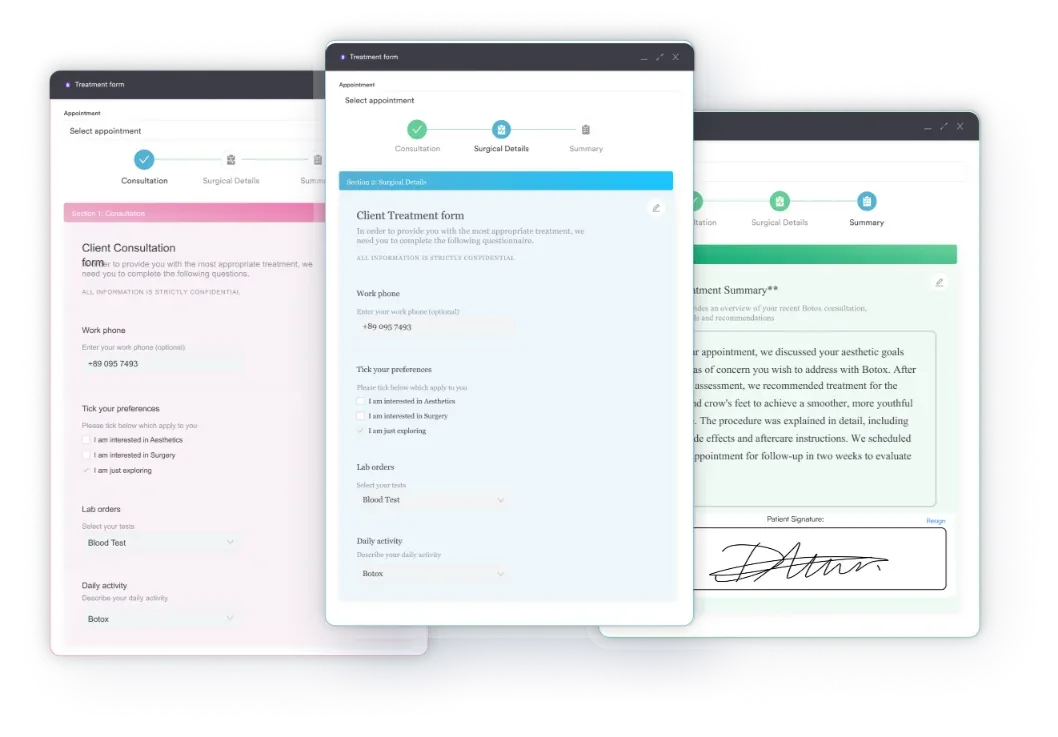
Pabau’s digital forms let a client complete the worksheet directly in their file, so there’s no separate PDF floating around.
Every session note, form, and photo sits against the same client record. The worksheet and the discussion that followed it live in one place, not two.
For group practices, that matters even more.
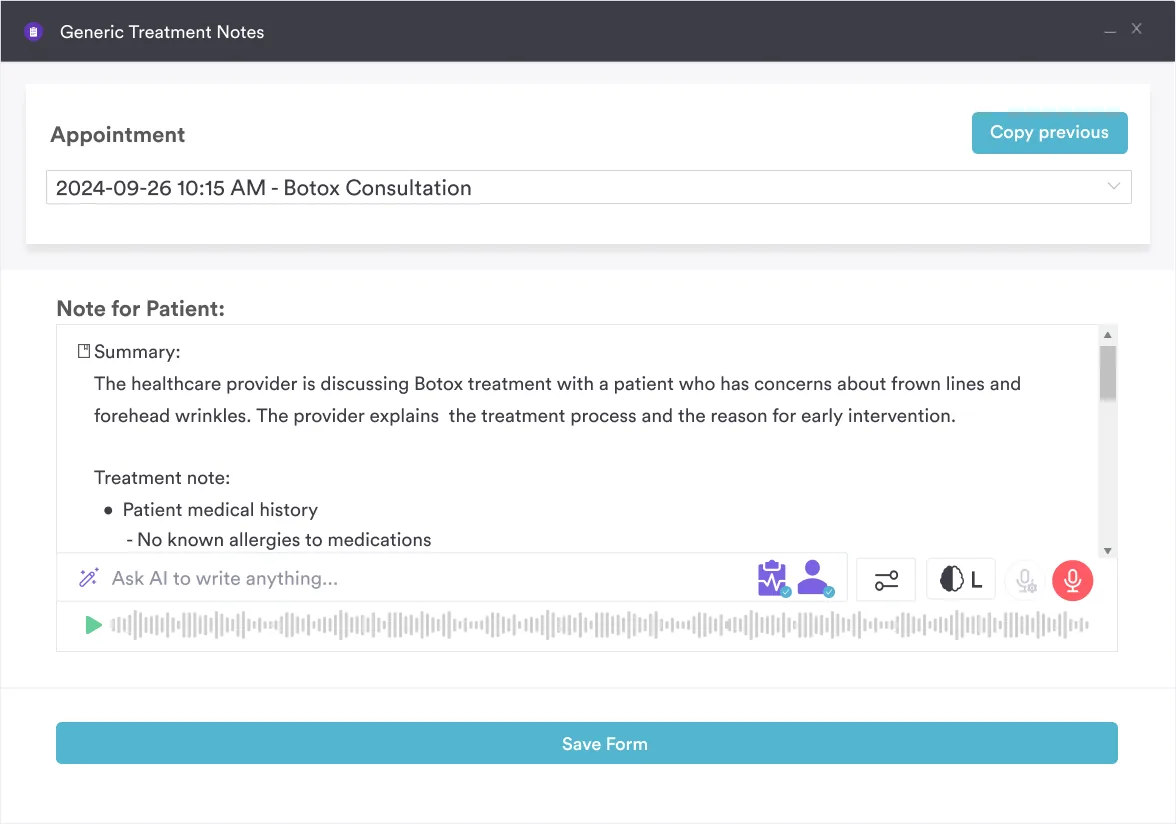
A covering therapist can pick up a case without starting from scratch. Pair that with Echo AI writing up the session while you talk, so the paperwork stops competing with the work itself.

Store completed worksheets, measure friendship-skill outcomes, and bring social-emotional learning into one client record.

A friendship worksheet won’t repair a broken friendship on its own. What it does is give you and your client the same map, so a vague, frustrated conversation turns into something specific enough to work on.
Use it as a starting point, not a script. Read the client’s answers for patterns, come back to the sections that clearly matter to them, and skip the ones that don’t add anything new. Handled that way, 20 minutes with this worksheet tells you more than an hour of small talk about how things are going with friends.
If you’re already storing session notes and forms digitally, keep this worksheet in the same client care workflow. Book a demo with Pabau to see how practitioners store and track completed worksheets as part of one client record.

Want to go deeper on communication specifically? Conversation skills worksheet gives clients more practice naming and testing their communication habits.
Need a sharper focus on boundaries? Emotional boundaries worksheet walks through 13 reflection questions built just for that section.
Looking for a broader self-reflection tool? Self-reflection worksheet extends the same approach beyond friendships into a client’s wider sense of self.
Want to pair this with coping strategies? Coping skills checklist gives clients a quick reference for managing the stress that strained friendships bring up.
No. Social skills worksheets usually target one specific skill, like eye contact or turn-taking. This worksheet asks broader questions about values, boundaries, and existing relationships, so it works better as reflection than as skills drilling.
No. Every prompt is open-ended, so there’s no point total or pass mark to calculate. Read the answers for patterns and talking points, not for a grade.
Read the prompts aloud instead and write down their answers yourself. The reflection matters more than the format, so adapt the delivery rather than skipping the exercise altogether.
No. Plenty of clients with solid friendships use it to sharpen communication or boundaries further. It works as prevention as much as repair, which is why schools use it with entire classes.
Yes, for everyday friendship bumps. Bring in a professional if the conversation surfaces bullying, isolation, or conflict the worksheet alone can’t resolve.
There’s research behind it. CASEL’s work on social-emotional learning links structured reflection and skill rehearsal to measurable gains in relationship quality, though a trained practitioner guiding the discussion still matters more than the handout itself.