Mental health self-care checklist
A mental health self-care checklist is a structured daily tool for tracking the ...

6
Last Updated: Oct 20, 2026

An emotional support animal assessment evaluates whether a client’s mental health condition qualifies them for an ESA as a documented accommodation
The assessment must document a diagnosed condition, functional impairment, and therapeutic benefit — not a service animal task
California AB 468 requires a 30-day established provider-client relationship before issuing an ESA letter (as of January 2022)
Practice management software like Pabau offers digital forms and client record features that streamline documentation and keep assessment records compliant
A comprehensive evaluation form used by licensed mental health professionals to determine patient eligibility for an emotional support animal, covering mental health diagnosis, functional impairment assessment, animal suitability evaluation, and ESA documentation with ethical and state-specific regulatory guidance.
Download templateEmotional support animals can provide genuine psychological benefit, but only when a licensed clinician documents the need properly. This template walks you through what a defensible ESA assessment covers. It also flags how state rules shape the process, and where clinicians run into liability if they skip the clinical groundwork. It pairs naturally with your existing counseling intake process.
An emotional support animal assessment is a clinical evaluation. A licensed mental health professional (LMHP) conducts it to determine whether a client’s diagnosed mental health condition qualifies them for an emotional support animal. The result becomes part of their treatment plan.
Service animals differ from ESAs: they train for specific tasks and receive ADA public access protections. ESAs instead provide therapeutic benefit through their presence alone, and they receive housing protections under the Fair Housing Act (FHA).
The assessment documents three critical elements: a qualifying mental health diagnosis (typically from the DSM-5), functional impairment caused by the condition, and a clear therapeutic relationship between the client’s symptoms and the animal’s alleviating effect. This clinical foundation protects both the practitioner and the client. It establishes a legitimate, evidence-based accommodation rather than a simple pet ownership claim.
The assessment workflow follows five operational steps that ensure thorough clinical evaluation and regulatory compliance:
Step five is where a ready-made draft saves time. The ESA letter template sets out the letterhead, license credentials, diagnosis reference, and nexus statement in order.
Documenting each step within structured digital forms ensures consistency, reduces liability, and creates an auditable record for licensing board review.
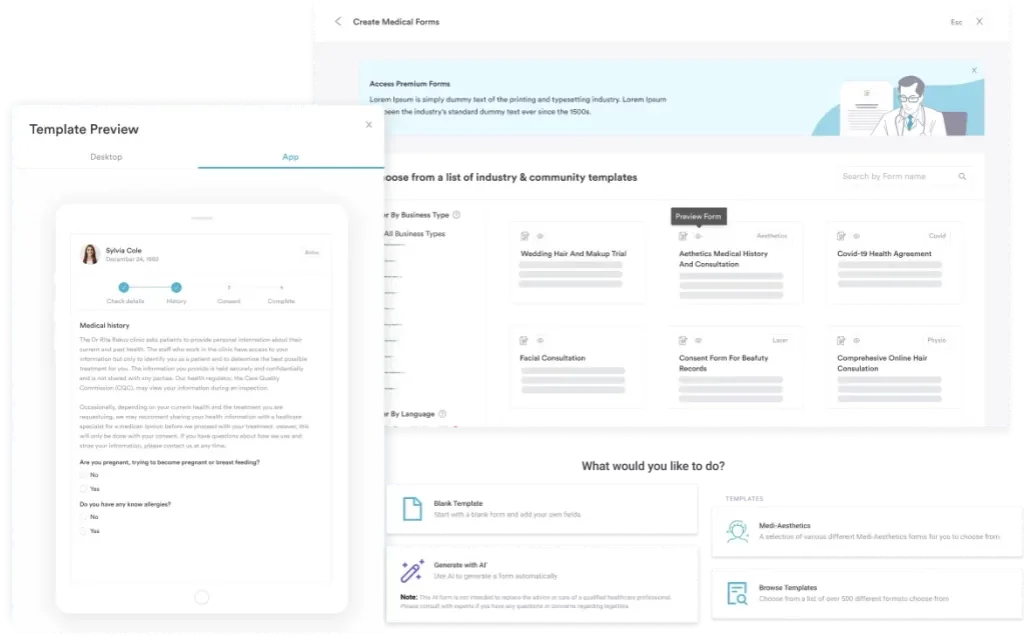
Licensed mental health professionals in private practice, group practices, and clinical settings use ESA assessments as part of routine clinical care. This group includes therapists, counselors, psychologists, psychiatrists, clinical social workers, and licensed professional counselors (LPCs). Their clients often experience anxiety disorders, depression, PTSD, ADHD.
The templates reduce documentation errors, help ensure regulatory compliance, and simplify the process of issuing letters when clinical criteria are met.
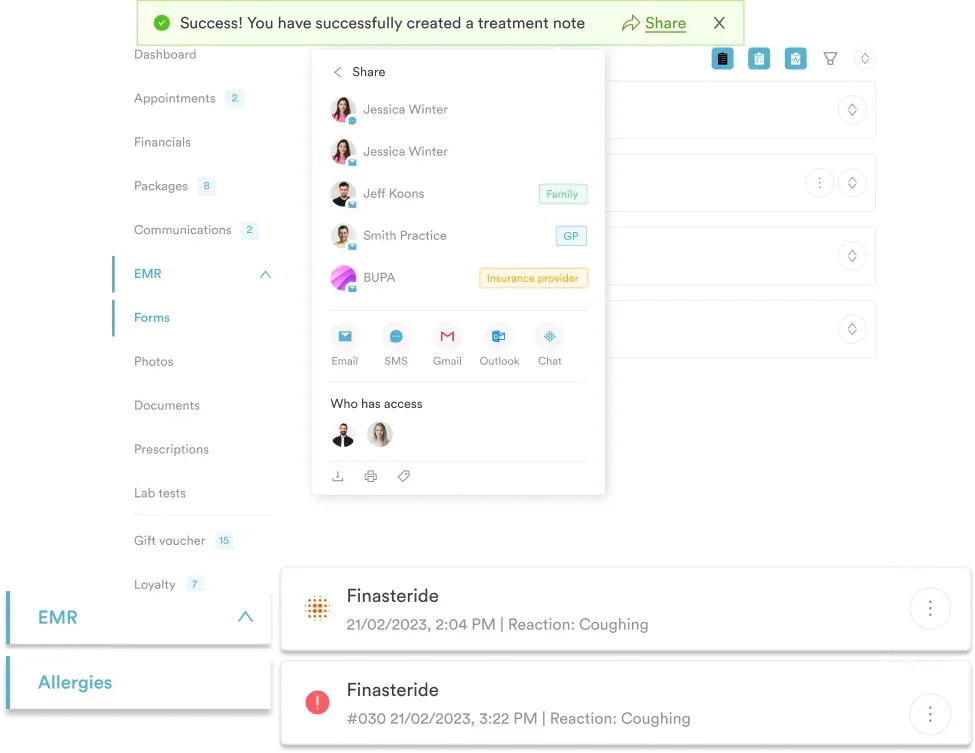
A mental health EMR keeps completed worksheets beside session notes and treatment plans.
Regulatory compliance: A structured assessment protects your practice against licensing board disciplinary action. It documents that you issued the ESA letter only after a thorough clinical evaluation. California’s AB 468 case history shows that therapists without documented assessments face significant licensing consequences.
Clinical clarity: Standardized assessment forms prompt clinicians to evaluate all relevant factors — diagnosis, functional impairment, therapeutic relationship, and animal suitability. This reduces the risk of issuing letters for clients who do not genuinely qualify and protects the credibility of the accommodation.
Defensible documentation: A completed assessment becomes part of the patient’s clinical record. It stands as evidence that clinical judgment, not convenience, drove the ESA determination. That matters if a landlord, housing authority, or licensing board challenges the letter.
Workflow efficiency: Automating tasks after assessment completion reduces administrative work. Once you submit the form, reminder notifications, letter drafts, and file organization happen automatically instead of through manual tracking. Many practices pair this with AI-assisted clinical notes to keep the full documentation trail consistent.
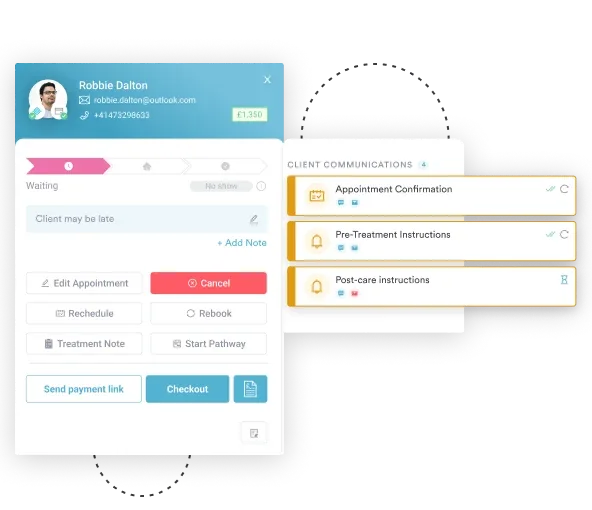
ESA regulations vary a lot by jurisdiction. California Assembly Bill 468 (effective January 1, 2022) mandates a minimum 30-day established provider-client relationship before issuing an ESA letter for emotional support dogs. States such as Arkansas, Iowa, Montana, and Louisiana have enacted similar 30-day provider-relationship requirements. Most other states, including Texas, Florida, and New York, have no codified timeline at all, but still expect a documented, genuine therapeutic relationship under HUD/FHA guidance.
HUD guidance on ESA letters clarifies that no federal “certification” or registry exists. Only a letter from a licensed mental health provider carries legal recognition for housing purposes. Websites offering online ESA certifications or registries without proper clinical evaluation lack legal standing. Practitioners who rely on them expose themselves to professional liability.
Your assessment template should include a checkbox or dropdown to confirm your state’s specific requirements before you issue the letter.
A common misconception is that ESAs require “certification” from a formal registry or credentialing body. In reality, there is no federal ESA certification system. The American Psychiatric Association and HUD both confirm that FHA housing protections require only an ESA letter from a licensed mental health professional.
Your assessment form should explicitly state that the resulting letter is not a certification. It should also note that the animal does not have public access rights under the ADA. This disclaimer protects clients from misunderstanding ESA protections, and it protects your practice from liability if a client misrepresents the animal’s legal status.
Issuing an ESA letter is a clinical decision, so it must rest on a documented assessment. Best practices in clinical documentation include:
Disciplinary cases arise when therapists issue letters without proper clinical evaluation, or for clients with whom they have no treating relationship. Your assessment template should require a signature confirming that you evaluated the client and determined the diagnosis qualifies. That signature should also confirm you documented the therapeutic benefit, not merely verified pet ownership.
This reduces the risk of issuing letters that miss regulatory requirements. Once you complete the assessment form, practice workflows can automatically flag when 30 days have passed since the first session (California’s requirement). They can then prompt you to issue the letter when appropriate.
Storing the completed assessment form in the client’s digital record keeps the letter defensible during an audit. It also makes the record easy to reference when the client renews their housing or travels.
A comprehensive emotional support animal assessment template protects your clinical practice and ensures clients receive legitimate ESA documentation. Document the mental health diagnosis, functional impairment, therapeutic relationship, animal suitability, and state-specific regulatory compliance. Together, these create a defensible record that reflects ethical clinical judgment.
Download the template above and put it to work in your next session. Curious how practice management software like Pabau keeps ESA assessments, consents, and client records in one place? Book a demo and we’ll show you around.

Building emotional skills beyond the assessment? Social emotional learning activities come as a printable log covering five exercises, from gratitude journaling to mindful breathing.
Want body-based techniques for regulation too? Somatic experiencing exercises cover grounding, body scan, pendulation, titration, and discharge work in step-by-step protocols.
A client qualifies for an ESA when they have a diagnosed mental health condition (a DSM-5 diagnosis) that creates functional impairment in major life activities, such as work, housing, or daily self-care. The animal’s presence must also provide documented therapeutic benefit tied to that impairment, not simply reflect a pet preference.
California and several other states require a minimum 30-day established provider-client relationship before issuing an ESA letter. Even in states without formal timelines, best practice calls for conducting the assessment over multiple sessions. That way, you have solid clinical knowledge of the client’s condition and symptoms before you sign anything. Issuing letters after one session exposes your practice to licensing board discipline.
No. The American Psychiatric Association and HUD confirm that no federal ESA certification system exists. Only a letter from a licensed mental health professional carries legal recognition for FHA housing protections. Online “certification” registries are unrecognized and do not improve the legal status of the letter.
No. The Fair Housing Act covers ESAs for housing accommodations only. They do NOT have ADA public access rights like service animals do. Your assessment and letter should explicitly state this distinction so clients understand where the animal’s protections apply.
Disciplinary action from your state licensing board, suspension or revocation of your license, civil liability if a client misrepresents the animal’s legal status, and reputational damage. A documented assessment protects you and your client by ensuring the letter reflects genuine clinical judgment.
Some jurisdictions recommend or require veterinarian or qualified animal behaviorist evaluation of the animal’s suitability as an ESA. Document whether this evaluation occurred and by whom. At minimum, confirm the animal is vaccinated, not aggressive, and suitable for indoor living.