Mental health self-care checklist
A mental health self-care checklist is a structured daily tool for tracking the ...

5
Last Updated: Oct 20, 2026

The Core Beliefs Inventory is a True/False worksheet from Matthew McKay and Patrick Fanning’s 1991 book Prisoners of Belief.
It is a self-help exercise with no validation study behind it, so the answers open a conversation rather than produce a score.
The inventory sorts its statements into ten belief categories, including value, security, performance, control and love.
The free PDF on this page holds statements 1 to 20 in True/False format, with no scoring key or interpretation guide.
Practice management software like Pabau keeps completed worksheets on the client record, linked to the session notes.
A True/False worksheet that asks clients whether each belief statement about themselves, other people and the world feels mostly true or mostly false. This file holds statements 1 to 20 of the inventory and includes no scoring key or interpretation notes.
Download templateThe Core Beliefs Inventory is a True/False worksheet that helps clients name what they believe about themselves, other people and the world. It comes from Prisoners of Belief, a 1991 self-help book by Matthew McKay, Ph.D., and Patrick Fanning.
Therapists, counselors and coaches use it to open belief work in an early session. It carries no validation study, so the answers feed a conversation rather than a clinical score. Mental health practices can file the completed sheet beside the notes that discuss it.
The free PDF on this page carries statements 1 to 20. That is short enough for a client to finish in about five minutes, and long enough to sample every belief category the full inventory covers.
The Core Beliefs Inventory is a self-assessment worksheet published in Prisoners of Belief by Matthew McKay and Patrick Fanning. The client circles T or F against each belief statement, working quickly and going with a first impulse on close calls.
Core beliefs are the stable assumptions underneath automatic thoughts, the working “truths” a person holds about their worth, capability and safety. Unlike a passing thought, a core belief persists across situations and quietly shapes how a client reads new events.
McKay and Fanning adapted the inventory from Jeffrey Young’s Schema Questionnaire, the instrument behind schema therapy. Their version is a self-help exercise. It has no validation study of its own, no published reliability or validity data and no normative sample.
That shapes how you should use it. The worksheet is good at structuring a first conversation about long-standing beliefs. It should not be recorded as a psychometric result or used to support a diagnosis.
Attribution note: when you reference the inventory in notes, supervision or training material, credit McKay and Fanning’s Prisoners of Belief. There is no original validation study to cite, and the wording of the statements belongs to the authors and their publisher.
The inventory sorts its statements into ten belief categories, and the items cycle through them in a fixed order. Statement 1 belongs to value, statement 2 to security and so on through statement 10. The sequence then repeats, so statement 11 returns to value.
| Category | What it covers | Sample statement |
|---|---|---|
| Value | What the client believes about their own worth | I am worthy of love and respect |
| Security | How safe or dangerous the world feels | My world is a pretty safe place |
| Performance | Beliefs about competence and capability | I perform many tasks well |
| Control | How much agency the client feels over their life | I am in control of my life |
| Love | Whether the client feels cared for | I feel loved and cared for |
| Autonomy | Confidence in coping without others | I can rely upon myself |
| Justice | Expectations about fairness | The world is neither fair nor unfair |
| Belonging | Connection to family, groups and community | I feel a strong sense of belonging |
| Others | Assumptions about other people’s intentions | Most people can be trusted |
| Standards | The bar the client sets for themselves | I set reasonable standards for myself |
Statements 1 to 10 are worded positively and statements 11 to 20 negatively, covering the same ten categories in the same order. Reading a client’s two answers within one category tells you more than any total would.
A client who marks “I perform many tasks well” false and “I am basically incompetent” true has shown you where to start. Record which categories came back that way, so you can return to them after a few sessions.
Cognitive therapy commonly groups negative core beliefs into three categories: helplessness, unlovability and worthlessness. The Core Beliefs Inventory does not score those three. Many clinicians still think in that frame, and the inventory’s ten categories map onto it loosely.
Helplessness beliefs reflect a conviction that the client has no control or agency over what happens to them. Statements like “I have very little control over my life” belong here. Clients holding them often show reduced motivation, passive coping and difficulty starting anything new.
Unlovability beliefs center on the conviction that one is unworthy of love, connection or belonging. Typical statements include “I’ve never felt really cared for by my family” and “I frequently feel left out of groups”. This theme matters in attachment difficulties, social anxiety and relational trauma.
Worthlessness beliefs express a conviction of inadequacy, failure or fundamental lack of value. Statements such as “I often feel flawed or defective” and “I am basically incompetent” sit here. This theme runs through depression, shame-based presentations and perfectionism.
In practice, the control, autonomy and performance items tend to surface helplessness. The love and belonging items surface unlovability. The value and standards items surface worthlessness.
Introduce the worksheet in an early session, read the answers category by category, then agree which themes to work on. The structured format keeps the conversation efficient and gives you a written starting point to revisit. Therapy practice management systems store the completed sheet alongside session notes, so it stays easy to find. A coaching practice reviewing progress needs the earlier sessions available at the next one.
The downward arrow technique complements the worksheet. Ask “if that were true, what would it mean about you?” after each answer, and keep asking. This traces the chain from situation to automatic thought to intermediate belief to core belief.
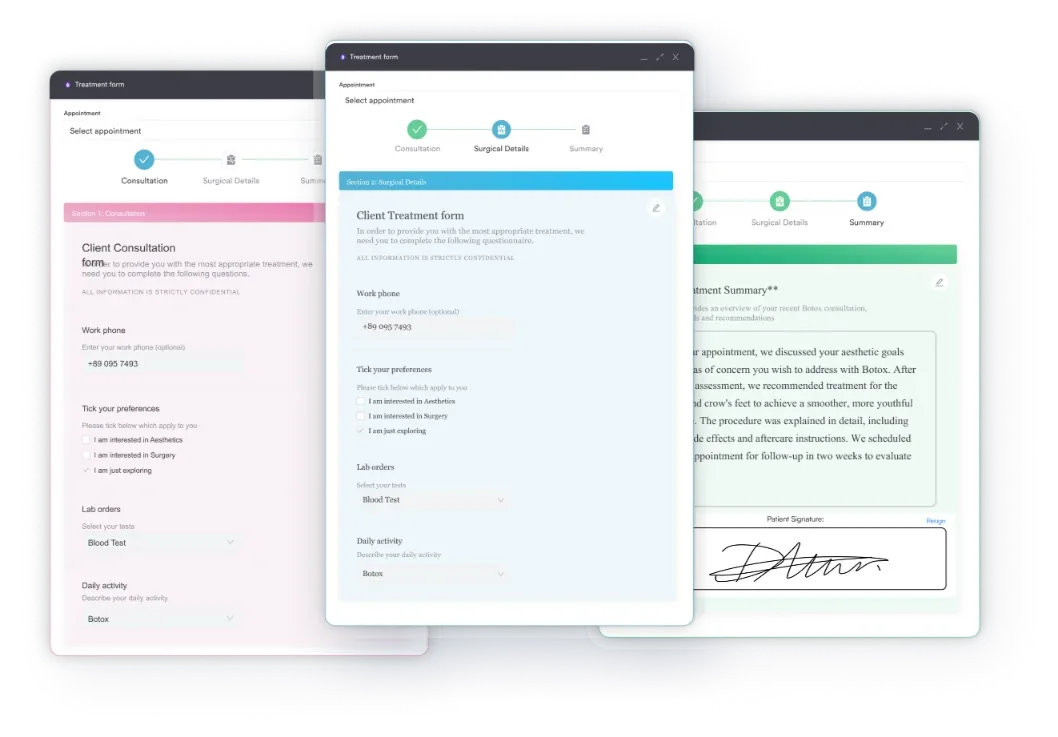
Digital intake forms let you send the worksheet before the appointment. The answers feed into the client’s structured record, so they are on screen when the session starts.
Once the worksheet has surfaced a belief worth working on, the task shifts to challenging and reframing it. This is the heart of cognitive restructuring. You help the client examine the evidence, generate alternative readings and build a more balanced belief statement.
Key techniques for belief change include:
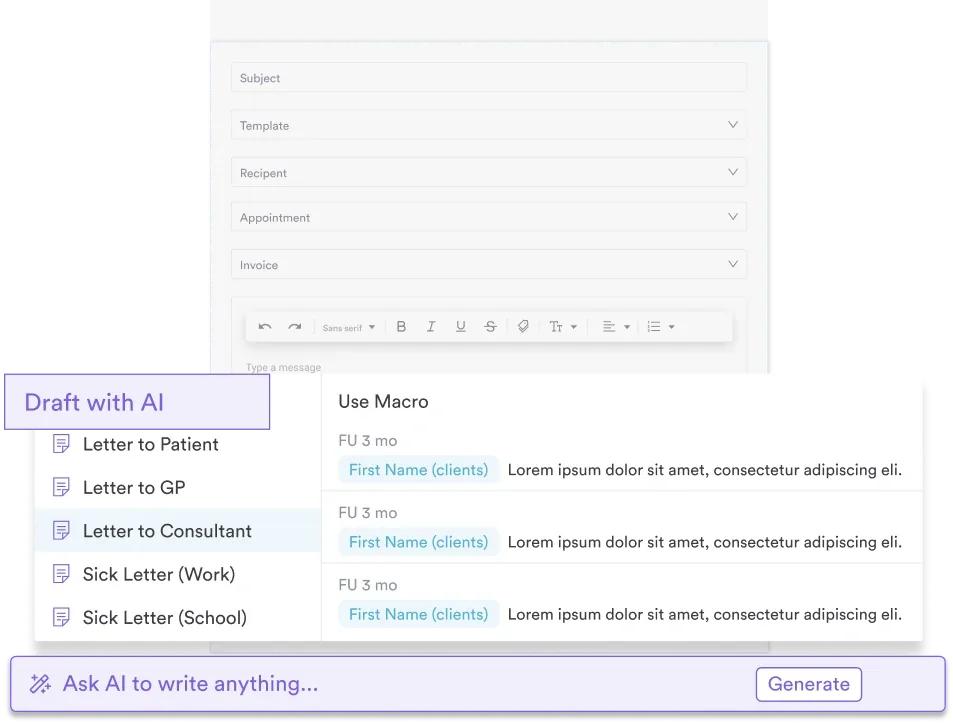
AI-powered clinical documentation captures the reframing work you do in session. That puts the new belief statement in writing, so it outlives the client’s memory of the hour.
The worksheet suits qualified mental health professionals and coaches working within a cognitive framework. It is most applicable in these contexts:
The worksheet suits adolescents and adults with enough literacy to read the statements unaided or with light support. Skip it where a client is in acute crisis, since bleak self-statements can land badly without time to process them.
Working through the inventory with a client offers several practical advantages:
A shared starting point: The worksheet gives you and the client the same list of statements to react to. That is a faster route into belief work than an open question about how someone sees themselves.
Focused treatment planning: The pattern of answers points to the belief themes worth taking first. Your early sessions then target something specific rather than circling the whole picture.
Client insight and collaboration: Seeing a belief written down makes it concrete. Clients often recognize a pattern they have felt for years but never put into words, which strengthens the therapeutic alliance.
Documentation and compliance: A completed worksheet in the record shows that you assessed belief patterns and planned treatment around them. That helps if a state licensing board, a professional association, or a UK body such as the HCPC or BACP reviews your notes.
The Core Beliefs Inventory works best beside other CBT tools. Knowing how they fit together strengthens your toolkit:
Automatic thoughts record: The inventory surfaces deep beliefs, while the automatic thoughts record captures the surface thoughts a situation triggers. Together they map the full chain from situation to thought to belief.
Thought records: These add evidence and alternative-thinking columns to the automatic thoughts record. Use them after the inventory to challenge the beliefs it brought to the surface. A positive thinking worksheet gives clients a lighter version to take home.
Behavioral activation schedules: For clients whose control and value answers are bleak, activation contradicts the belief through accomplishment. The worksheet suggests which life areas to target first.
Dialectical thinking exercises: Some clients answer in absolutes in both directions. A dialectical thinking worksheet helps them hold two competing truths at the same time.
Self-compassion worksheets: Clients who endorse the harshest self-statements benefit from deliberate self-compassion practice. Improving patient engagement through between-session assignments like these amplifies the gains.
Psychiatric evaluation templates show where a belief worksheet sits within a full assessment. It belongs beside validated outcome measures, which carry the diagnostic and progress-tracking weight.
Record the inventory as a completed exercise, not as a test result. Note the date, name it as the McKay and Fanning inventory, and summarize which belief categories the answers pointed to. Keep the worksheet itself attached so a later reader can see the raw answers.
Avoid anything that reads like a score. Writing “worthlessness domain 14/20” implies a measure the worksheet does not provide. “Client endorsed both negative value statements and denied both positive ones” carries the same meaning without the false precision.
If you readminister the worksheet later, compare the answers item by item rather than in aggregate. A statement that flipped from true to false is a concrete piece of evidence you can show the client. Clinical note documentation guidance covers how to tie findings like that to presenting problems and treatment goals.
Patient care management best practices stress linked, longitudinal documentation, so the assessment material and the treatment decisions it informed stay visible together.
The worksheet and the notes about it usually end up in separate places. The sheet gets scanned into a folder, emailed back as a photo or left in a paper file. By session six, nobody reopens it.
Practice management software like Pabau attaches the completed worksheet to the client record itself, next to the session notes that discuss it. Client portals let the client fill it in before they arrive, so the session opens on the conversation instead of the paperwork.
Pabau Scribe, our AI scribe, writes the session note while you talk, which keeps the reframing work and the original answers in the same record. Custom forms let you rebuild the worksheet on screen if you’d rather collect the answers digitally than on paper.
That continuity pays off later. When a client asks in month four whether anything has changed, you can open the record and show them the statement they once marked true.

Pabau files completed worksheets against the client record and links them to the session notes. The beliefs you surfaced in week one are still in front of you in week ten.

The Core Beliefs Inventory earns its place as a conversation opener. Used that way, it moves an early session forward, giving a client language for beliefs they have carried for years without naming.
The trade-off is precision. With no scoring key and no validation behind it, nothing the worksheet produces belongs in a note as a number. None of it supports a diagnosis either. What you get is a shortlist of themes worth returning to, which is usually what an early session needs.
Attribute it to McKay and Fanning, store the completed sheet where the rest of the client’s record lives, and it stops being a one-off exercise. Book a demo to see how Pabau keeps client worksheets, session notes and treatment plans in one place.

Screening a child for depression symptoms? Children’s depression inventory (CDI) gives caregivers a free checklist to flag possible depressive symptoms in a child.
Helping two people work through a disagreement? Conflict resolution worksheet walks each party through their perspectives, needs and an agreed-upon resolution.
Want a values angle on belief change? Personal values worksheet helps clients name what they are moving toward, not just what holds them back.
Looking for a lighter between-session task? Positive thinking worksheet gives clients a reframing exercise once the beliefs are on the table.
Clients stuck in all-or-nothing thinking? Dialectical thinking worksheet helps them hold two competing truths at the same time.
The Core Beliefs Inventory is a True/False worksheet from Matthew McKay and Patrick Fanning’s 1991 book Prisoners of Belief. Clients mark each statement mostly true or mostly false. The answers surface the assumptions they hold about themselves, other people and the world.
No. It is a self-help exercise from Prisoners of Belief, adapted by its authors from Jeffrey Young’s Schema Questionnaire. It has no published reliability or validity data and no normative sample. Credit McKay and Fanning when you reference it, rather than citing a validation study.
The PDF holds statements 1 to 20 of the inventory in True/False format. It contains no scoring key, no category breakdown and no interpretation notes. Statements 1 to 10 are worded positively and 11 to 20 negatively, so the excerpt samples every belief category once in each direction.
Cognitive therapy usually groups negative core beliefs into helplessness, unlovability and worthlessness. The Core Beliefs Inventory does not score those three. It uses ten categories instead, including value, security, performance, control and love.
Yes. Life coaches and executive coaches working in a cognitive-behavioral framework can use it to surface limiting beliefs affecting performance, relationships or development goals. Because it is a self-help worksheet, present it as a reflection exercise rather than an assessment.