Mental health self-care checklist
A mental health self-care checklist is a structured daily tool for tracking the ...

5
Last Updated: Oct 20, 2026

An ADHD treatment plan is a clinical document that structures individualized interventions combining assessment findings, medication (if appropriate), behavioral therapy, and monitoring strategies.
Effective ADHD treatment plans use SMART goals and objectives (Specific, Measurable, Achievable, Relevant, Time-bound) to track progress in attention, executive function, emotional regulation, and daily functioning across home, school, or work settings.
Evidence supports combined treatment: research shows most school-age children respond better when treatment includes both medication and behavioral therapy, with adults benefiting from tailored combinations of medication, CBT, coaching, and environmental structuring.
Pabau’s digital forms and client records help mental health practitioners standardize ADHD assessment intake, store treatment plans securely, and link progress notes to goals for seamless documentation across appointments.
A comprehensive clinical template for documenting personalized ADHD interventions, including diagnostic integration, SMART goal-setting, medication and behavioral therapy coordination, and evidence-based progress monitoring for both adult and pediatric presentations.
Download templateAn ADHD treatment plan is a structured clinical document that outlines personalized therapeutic strategies for individuals diagnosed with Attention Deficit Hyperactivity Disorder. It coordinates assessment findings, treatment goals, and specific interventions — medication, behavioral therapy, and coaching. It also tracks progress monitoring timelines across all settings where the patient functions: home, school, workplace, or community.
A personalized ADHD treatment plan bridges diagnostic clarity with real-world implementation. It documents the patient’s specific ADHD presentation — predominantly inattentive, predominantly hyperactive-impulsive, or combined type per DSM-5-TR criteria. It also identifies co-occurring conditions that may complicate treatment, and establishes measurable targets that both clinician and patient can track.
For mental health practitioners, this template provides legal and clinical documentation of informed decision-making. According to AAFP clinical guidance, a thorough assessment and documented treatment plan are essential for safe ADHD care. This is especially true when prescribing controlled substances or coordinating multiple treatment modalities.
A well-constructed ADHD treatment plan contains several interconnected sections that work together to guide clinical decision-making and track patient progress.
An ADHD treatment plan stored in mental health practice management software ensures these components are organized, accessible during appointments, and linked to progress notes for continuity of care.
Generic targets like “improve focus” or “reduce impulsivity” lack the specificity needed to measure progress. Strong ADHD treatment plan goals and objectives anchor the plan in observable, quantifiable outcomes that guide both clinician and patient expectations.
Keep the two levels distinct. A goal names the broad direction (for example, “improve occupational functioning”). The objectives beneath it are the SMART, measurable steps that show you are getting there. Writing treatment plan goals and objectives for ADHD this way also satisfies insurance payers, who expect to see measurable objectives in the plans they fund.
Documenting SMART ADHD treatment plan objectives creates accountability and lets clinicians adjust interventions if progress stalls.
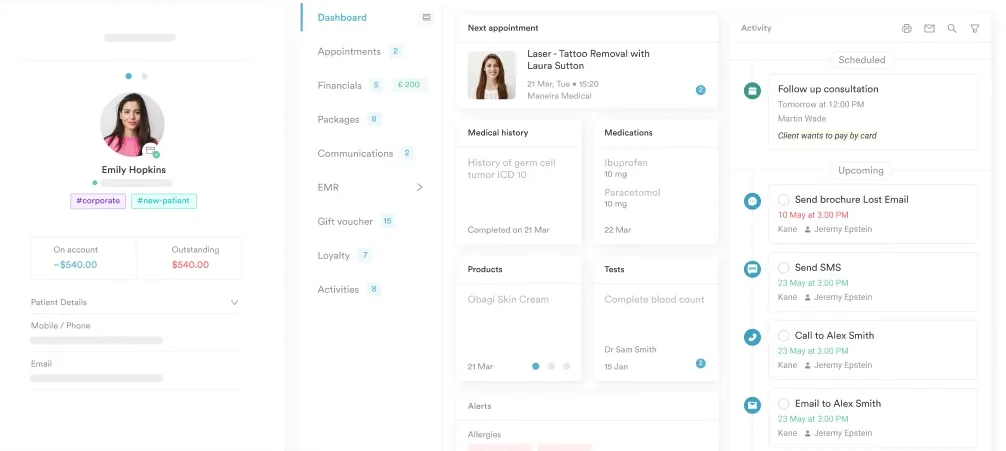
A therapy practice management system files each completed worksheet under the client’s treatment plan.
The fastest way to see how goals, objectives, and interventions fit together is to read a completed one. Here is a short ADHD treatment plan example for an adult with a combined presentation. Use it as a model for the level of detail a payer and an auditor expect, then adapt it to your own patient.
Diagnosis: F90.2 — Attention-deficit/hyperactivity disorder, combined presentation (per DSM-5-TR), confirmed on ASRS-v1.1 screening and clinical interview.
Presenting concerns: Missed work deadlines, difficulty sustaining attention on long tasks, chronic lateness, and frustration at home. Symptoms present since childhood with impairment across work and relationships.
Long-term goal: Improve occupational functioning and daily organization.
Objective 1 (by week 8): Patient will use one task-management system daily and complete priority tasks on 4 of 5 workdays for four consecutive weeks.
Objective 2 (by week 12): Patient will reduce late arrivals from 3 per week to 1 or fewer per week, tracked by self-report.
Interventions: Stimulant medication managed by the prescriber, weekly CBT for task initiation and time management, and psychoeducation on executive function.
Monitoring: Reassess with the same rating scale at weeks 4, 8, and 12; adjust medication or intervention intensity if objectives are not met.
A sample ADHD treatment plan for a child would keep the same structure but shift the goals toward homework completion and classroom behavior, with a parent recording progress between sessions. The template you downloaded above gives you these fields ready to fill in.
Evidence-based ADHD treatment typically combines pharmacological and behavioral approaches. According to the American Academy of Pediatrics, most school-age children respond best when treatment includes both medication and behavior therapy.
Medication options: Stimulant medications (amphetamine, methylphenidate) are typically first-line for moderate-to-severe ADHD. Non-stimulant alternatives (atomoxetine, guanfacine, clonidine) are used when contraindications exist or response is insufficient. The plan documents the specific agent, dose, titration schedule, and monitoring parameters — blood pressure, heart rate, appetite, and sleep.
Behavioral interventions: CBT for ADHD is the most researched therapy option, targeting task initiation, time management, and the negative thought patterns that build up around executive dysfunction. Dialectical behavior therapy (DBT) and mindfulness-based approaches add emotional-regulation and distress-tolerance skills. Parent training (for children), coaching, and environmental structuring round out the options. Medication alone may not resolve these issues, so the treatment plan specifies the modality, frequency, and measurable targets for each intervention.
Lifestyle support: Aerobic exercise, consistent sleep, and a steady daily routine measurably ease symptom severity, so many plans fold in one or two lifestyle targets alongside medication and therapy.
For clients receiving applied behavior analysis.
For combined approach success, the plan should coordinate medication reviews with therapy sessions. It should also establish clear communication channels between prescriber and therapist.
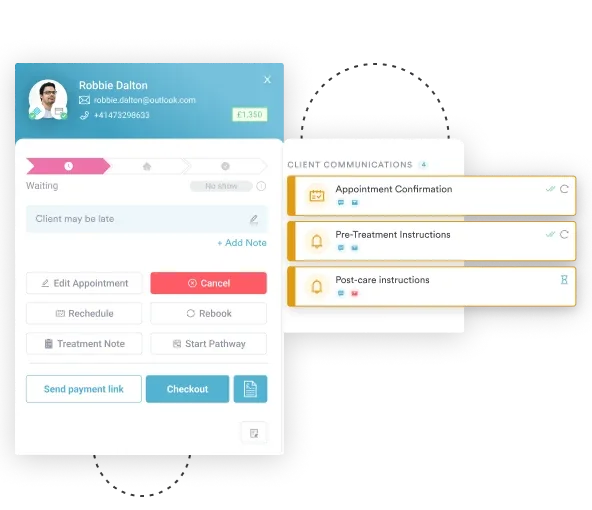
While core treatment principles hold across ages, an ADHD treatment plan for adults sets different priorities than one built for a child. Presentations and functional targets shift with the patient’s stage of life.
Your ADHD treatment plan template should allow flexibility to accommodate both presentations while maintaining consistent documentation standards.
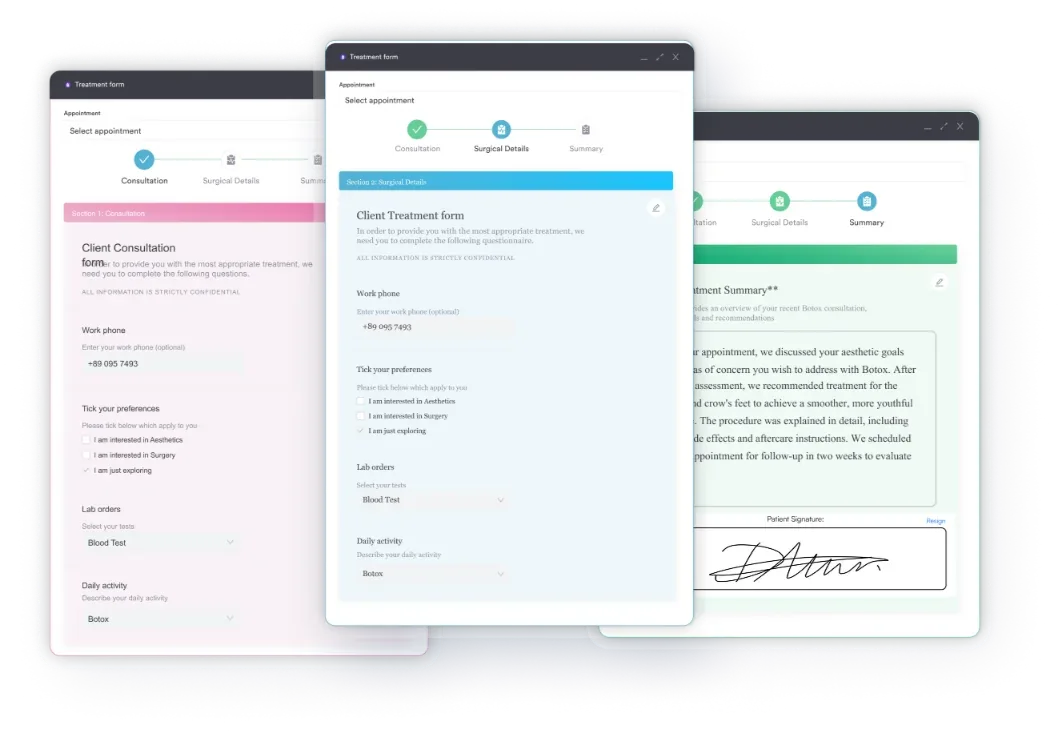
An ADHD treatment plan is not static. Regular review of goal progress and treatment response guides necessary adjustments. Most practitioners recommend baseline assessment, initial progress check at 4-6 weeks, and ongoing reviews at 8-12 week intervals.
Progress monitoring should use the same measurement tools established in the baseline plan. If initial goals targeted a specific score on a rating scale, reassess using that same scale at each review point. If goals were behavioral (e.g., “reduce late arrivals”), track frequency objectively.
When progress stalls, the plan should document what goal was not met and what factors may have contributed — such as medication non-adherence, therapy non-engagement, environmental stressors, or a co-occurring condition. It should also record what adjustment is being made: dose change, switch to an alternative medication, intensified behavioral intervention, or extended timeline.
Linking progress notes to treatment plan goals ensures clinicians review and justify continued interventions at each session. This protects both patient safety and clinical defensibility.
Many individuals with ADHD have co-occurring anxiety, depression, learning disorders, or autism spectrum traits. These complicate treatment planning. A comprehensive ADHD treatment plan acknowledges these conditions and specifies whether treatment targets ADHD symptoms alone or also addresses comorbidities. When substance use is part of the picture, a separate relapse prevention worksheet can run alongside the ADHD plan to map triggers and coping steps.
Example: A patient with both ADHD and generalized anxiety may respond to stimulant medication but experience increased anxiety. This may require adjustment of medication timing, dose, or agent — plus the addition of anxiety-focused CBT. The treatment plan documents this dual focus and specifies monitoring for anxiety symptoms alongside ADHD metrics.
The plan should also clarify scope. Is the clinician treating only ADHD, or is treatment coordinated with another provider managing comorbid conditions? Clear role definition prevents gaps and improves communication across the care team.
ADHD treatment plans must meet documentation standards set by licensing bodies, insurance payers, and legal requirements. A plan should include patient identifying information, date of creation, and clinician credentials and license number. It must also include the DSM-5-TR diagnosis code, informed consent documentation (especially for medication), and signature lines for clinician and patient — or guardian for minors.
Plans must be retained according to state law and insurance requirements — typically 5–7 years post-discharge. Secure storage in HIPAA-compliant systems is mandatory. This template includes fields aligned with standard documentation expectations across US mental health settings.
A complete ADHD treatment plan includes diagnostic summary with assessment tool results, SMART goals for target outcomes, specific medication and/or behavioral interventions with schedules, progress monitoring methods and timelines, patient/family education documented, and safety monitoring protocols.
Most practitioners recommend reviewing progress and adjusting the plan at 4-6 weeks (initial response assessment), then at 8-12 week intervals during ongoing treatment. More frequent review (every 2-3 weeks) may be needed if medication dosing is being adjusted or if goals are not being met.
Yes. Behavioral therapy, CBT, coaching, and environmental structuring can be effective, especially for mild ADHD or when medication is contraindicated. However, evidence shows combined medication and behavioral treatment produces the best outcomes for moderate-to-severe ADHD in most patients.
Pediatric ADHD goals focus on school performance, peer relationships, and family functioning, with parents as active partners. Adult ADHD goals target occupational productivity, time management, emotional regulation, and relationship quality, with the patient managing their own treatment independently.
Document baseline rating scale scores before medication start, then document reassessment at 2-4 weeks and ongoing intervals using the same scale. Note specific effects observed: improvement in attention, side effects (sleep, appetite), behavioral response, and any dose adjustments made based on outcomes.
For a predominantly inattentive presentation, the objectives center on organization, sustained attention, and task completion rather than curbing hyperactivity or impulsivity. Stimulants often remain first-line, but the behavioral targets and rating scale items you track shift toward focus and follow-through.