CPT Code 62284: Injection procedure for myelography
CPT Code 62284: official descriptor and procedure overview The American Medical ...

Last Updated: Oct 19, 2026
J3480 is the HCPCS Level II code for injection, potassium chloride, per 2 meq.
Let Pabau's smart automation suggest the right codes, reduce claim denials, and keep your practice compliant—effortlessly.
Automate repetitive tasks and focus on what matters most—your patients.
Reduce coding errors and ensure compliance with the latest regulations.
Clean claims, fewer denials, and faster reimbursements.
Powerful insights and reporting to help your practice thrive.
HIPAA compliant SOC 2 certified GDPR-compliant Trusted by 4,000+ clinics worldwide

HCPCS code J3480 describes the injection of potassium chloride, billed per 2 milliequivalents (mEq) under CMS Level II drug codes
Bill one unit of J3480 for every 2 mEq administered; a 20 mEq dose requires 10 units
Medicare has not assigned a standard fee schedule amount for J3480; special coverage instructions apply and payer rules vary significantly
Pabau’s claims management software helps IV therapy practices track J3480 units, attach NDC data, and submit clean claims without manual calculation errors
HCPCS code J3480 has a straightforward descriptor: Injection, potassium chloride, per 2 mEq. It sits within the Level II HCPCS J-code category, which covers drugs administered by injection. CMS maintains the HCPCS Level II code set and updates it annually; J3480 has been active since January 1, 1996.
Potassium chloride (KCl) is an electrolyte replacement used intravenously when oral supplementation is inadequate or contraindicated. Clinical indications include hypokalemia, cardiac arrhythmias related to electrolyte imbalance, post-surgical fluid management, and supportive care during chemotherapy infusion sessions. As a result, J3480 appears across a wide range of clinical settings.
J3480 also appears in chemotherapy-related billing as an incidental drug. Payers list J3480 among common incidental drugs used alongside chemotherapy administration codes, which affects how the code is bundled or separately billed depending on payer policy.
The billing unit for J3480 is per 2 mEq. This means the number of units billed equals the total dose administered in mEq divided by 2. Practices opening an IV therapy clinic or expanding infusion services need to train billing staff on this conversion before submitting their first claims.
Potassium chloride vials are commonly stocked in concentrations of 2 mEq/mL. A 10 mL vial at that concentration contains 20 mEq, which bills as 10 units of J3480. Always calculate units from the actual dose administered, not the full vial size, and document the dose in mEq in the patient record.
Always round to the nearest whole unit. Partial mEq amounts should be rounded up to the next full 2 mEq increment per standard drug-billing conventions. Document the exact dose in the clinical record before billing.
Medicare has not assigned a standard fee schedule amount for J3480. According to CMS documentation, special coverage instructions apply, which means reimbursement depends on the clinical setting, the carrier, and the specific Medicare Administrative Contractor (MAC) jurisdiction. Billing teams should verify coverage with their regional MAC before assuming payment.
Where Medicare does cover potassium chloride injection, reimbursement is typically calculated using the Average Sales Price (ASP) methodology. CMS publishes ASP-based payment limits quarterly. The payment limit per 2 mEq billing unit shifts with each quarterly file release, so practices should pull the current CMS Physician Fee Schedule lookup to confirm rates before submitting claims.
For IV therapy clinic best practices, building a payer-by-payer reference sheet for J3480 coverage rules saves significant time on claim follow-up.
Pull the CMS ASP Drug Pricing File each quarter and compare the J3480 payment limit against your contracted rates. If your cost of goods exceeds the ASP payment limit for a given payer, flag it for clinical leadership before continuing to stock that NDC. Small ASP shifts can flip a billable drug from margin-positive to margin-negative.
An inventory tracking tool logs lot numbers and expiry dates for every drug you bill under these codes.
HCPCS code J3480 maps to multiple National Drug Codes (NDCs). According to data from ndclist.com, approximately 47 NDC codes currently map to J3480, covering potassium chloride injection products from various manufacturers at different concentrations. CMS updates NDC-to-HCPCS crosswalk files periodically, so practices should verify current mappings against the CMS crosswalk file rather than relying on static references.
When billing J3480, many payers require the NDC to be reported alongside the HCPCS code on the claim. The NDC is entered in the drug identification field of the claim form (Box 24 on the CMS-1500 or the equivalent 837P loop), along with the NDC quantity and unit of measure. Failing to include the NDC when required is a common reason for claim rejection from commercial payers and some Medicare Advantage plans.
Using digital intake forms that capture the specific product administered (NDC, concentration, and volume) at the point of care eliminates the manual lookup step that commonly delays NDC reporting.


Pabau’s claims management software helps IV therapy and infusion practices track administered doses, attach NDC data, and submit J3480 claims with accurate unit counts. See how it works.

Route of administration modifiers affect how J3480 is processed by Medicare and some commercial payers. Understanding which modifier applies to your specific administration method prevents denials and audits.
Beyond route modifiers, place-of-service (POS) coding affects reimbursement for J3480. Hospital outpatient departments (POS 22) and physician offices (POS 11) carry different fee schedule implications for Medicare, and freestanding infusion centers typically bill under POS 11 unless they are hospital-based. Check that POS codes on the claim match the actual service location.
Medical necessity documentation is the most common failure point in J3480 audits. Payers expect to see a documented clinical reason for IV potassium chloride administration, the specific dose ordered and administered, and the route and rate of infusion. Records should reflect why oral supplementation was inadequate or contraindicated, particularly for commercial insurers and Medicare Advantage plans that apply medical necessity criteria.
Good documentation for J3480 claims includes the following elements. Understanding who can administer IV therapy in your state also informs how documentation of the administering practitioner should be structured in the record.
A well-structured IV therapy intake form that captures this information at the start of each visit prevents the incomplete documentation that leads to post-payment audits. Pairing intake documentation with a prescription management workflow ensures the physician order and the administered dose are both on record before the claim is generated.

Build a J3480 billing checklist into your pre-claim review workflow: dose in mEq confirmed, units calculated (dose divided by 2), NDC attached, route modifier checked, POS code verified, and medical necessity documentation present. Running this checklist on every J3480 claim before submission catches the errors that become denials and ADRs.
HCPCS code J3480 does not exist in isolation. It is routinely billed alongside infusion administration CPT codes, and it sits near adjacent J-codes that coders sometimes confuse with it. Using the correct combination of drug and administration codes is essential for clean claims.
J3475 and J3485 are the codes immediately adjacent to J3480 in the HCPCS J-code sequence. These describe different drugs and must not be substituted for J3480 when potassium chloride is the administered substance. Always verify the HCPCS code matches the exact drug administered, not just the drug category. For another IV fluid code billed in infusion settings.
When potassium chloride is administered as part of an IV infusion, the drug code J3480 is billed alongside the appropriate infusion administration CPT code. The administration code captures the clinical service; the drug code captures the drug itself. For practices billing mobile IV therapy operations, understanding this pairing is fundamental to correct claim submission.
NCCI (National Correct Coding Initiative) edits may apply when multiple drug codes and administration codes appear on the same claim. Run claims through an NCCI check before submission, particularly when J3480 appears alongside other drug codes in a chemotherapy or multi-drug infusion encounter. For a related infusion drug code, review the HCPCS code for normal saline infusion in the Pabau procedure code library.
A consistent pre-claim workflow prevents the most common J3480 billing errors. Practices that standardize drug billing checklists report lower denial rates than those relying on ad hoc coding approaches.
Pabau’s claims management software is built for this kind of structured pre-claim workflow. IV therapy and infusion practices use it to track administered doses, attach NDC data to each encounter, and generate clean claims without manual unit calculation at submission time.
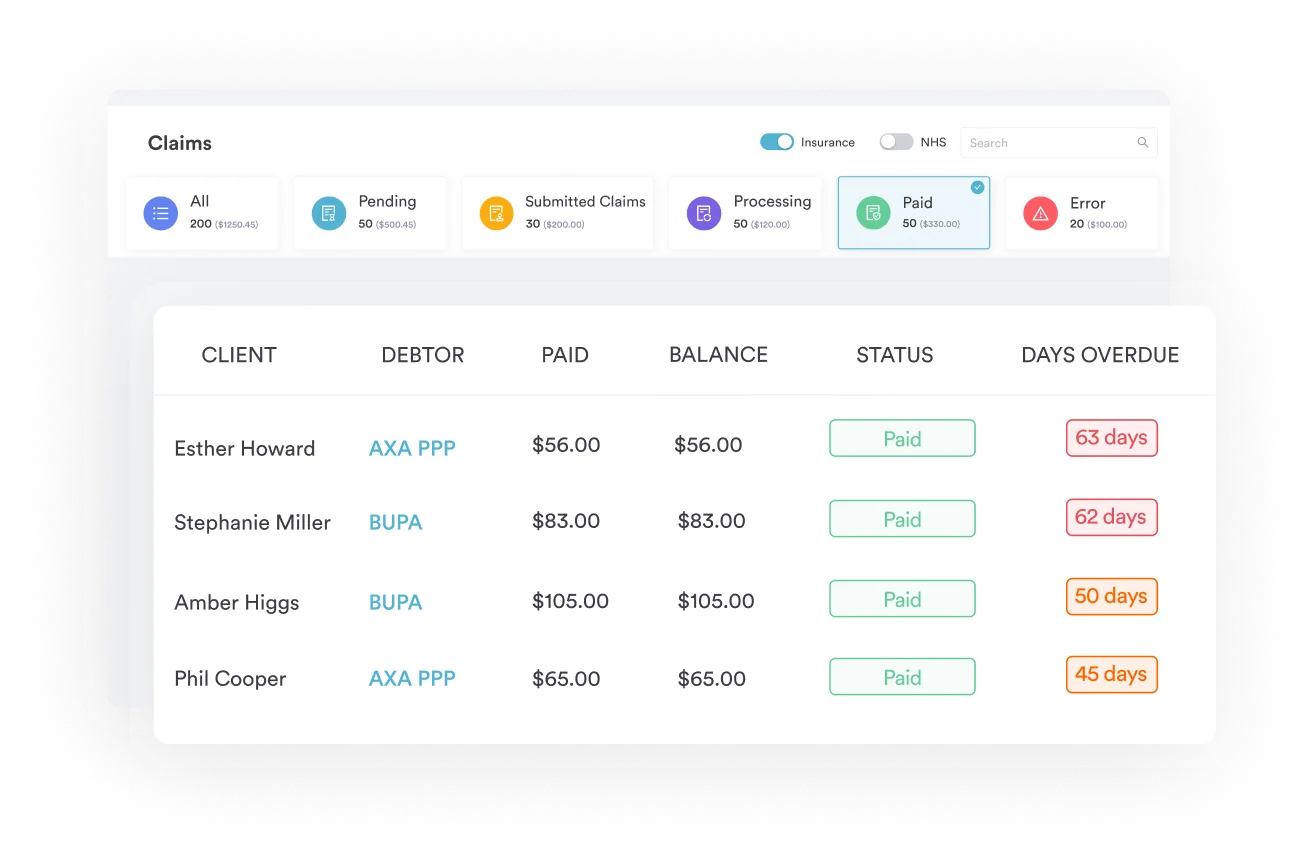
Most J3480 claim errors come from the same two places: wrong unit counts and missing NDC data. Both are preventable with a checklist-driven approach and clinical documentation captured at the point of care rather than reconstructed at billing time.
Pabau’s claims management tools give IV therapy and infusion practices a structured way to link administered drug data directly to claim generation, so unit counts and NDC reporting are accurate before the claim leaves the practice. To see how it works in an infusion billing context, book a demo with the Pabau team.

Coding an open cervical fracture? Cervical fracture coding guide covers S12.230B and the 7th character, encounter type, and POA flag it needs.
Documenting a cervical spine sprain? Cervical spine sprain coding guide explains why S13.4 needs a 7th character before payers will accept the claim.
Coding a follow-up neck sprain visit? Neck sprain coding guide covers S13.8XXD for follow-up visits after a patient moves past active treatment.
HCPCS code J3480 describes the injection of potassium chloride, billed per 2 milliequivalents (mEq). It is a Level II HCPCS J-code maintained by CMS under the Drugs Administered by Injection category, effective since January 1, 1996.
Bill one unit of J3480 for every 2 mEq administered. A 20 mEq dose bills as 10 units; a 40 mEq dose bills as 20 units. Always base the unit count on the actual dose administered, not the full vial size, and document the mEq amount in the clinical record.
Medicare has not assigned a standard fee schedule amount for J3480; special coverage instructions apply. Where coverage exists, reimbursement follows ASP-based pricing published quarterly by CMS. Verify current coverage and payment limits with your regional Medicare Administrative Contractor.
J3480 is billed per 2 mEq, not per vial. The billing unit is always dose-based. If multiple vials are used in a single session, the total mEq administered across all vials determines the total unit count for the claim.
Approximately 47 NDC codes currently map to HCPCS J3480, covering potassium chloride injection products from multiple manufacturers at varying concentrations, including Dextrose 5%-Potassium Chloride combination products. Verify current NDC mappings against the AAPC Codify HCPCS lookup or the current CMS NDC-HCPCS crosswalk file, as mappings are updated periodically.
J3475 and J3485 describe different drugs from J3480 and must not be substituted when potassium chloride is the administered substance. Each J-code maps to a specific drug; always verify the code matches the exact drug administered against the official CMS HCPCS code set.