CPT Code 62284: Injection procedure for myelography
CPT Code 62284: official descriptor and procedure overview The American Medical ...

Last Updated: Oct 19, 2026
J3090 is the HCPCS Level II code for injection, tedizolid phosphate, 1 mg.
Let Pabau's smart automation suggest the right codes, reduce claim denials, and keep your practice compliant—effortlessly.
Automate repetitive tasks and focus on what matters most—your patients.
Reduce coding errors and ensure compliance with the latest regulations.
Clean claims, fewer denials, and faster reimbursements.
Powerful insights and reporting to help your practice thrive.
HIPAA compliant SOC 2 certified GDPR-compliant Trusted by 4,000+ clinics worldwide

HCPCS code J3090 covers injection, tedizolid phosphate, 1 mg, the antibiotic sold as Sivextro.
One billing unit equals 1 mg. A standard 200 mg IV dose is 200 units, and reporting it as 1 unit is the most common J3090 error.
Medicare Part B drug claims for J3090 need the 11-digit NDC from the vial, plus the unit qualifier and the quantity dispensed.
The JA modifier belongs on every Sivextro claim, because the drug is given intravenously only.
Practice management software like Pabau links the documented dose to the claim, so unit counts and NDCs are never retyped from memory.
HCPCS code J3090 is the Level II drug code for injection of tedizolid phosphate, 1 mg. The Centers for Medicare and Medicaid Services (CMS) assigns and maintains it. It belongs to the J-code series, which CMS uses for drugs given by injection or infusion that patients do not administer themselves.
Tedizolid phosphate is the prodrug form of tedizolid, and the body converts it to the active drug after infusion. The FDA approved Sivextro for acute bacterial skin and skin structure infections (ABSSSI) caused by susceptible Gram-positive organisms, including MRSA.
Outpatient infusion centers, hospital outpatient departments, dermatology practices, and physician offices continuing an inpatient course all report the drug with J3090.
The unit rule for J3090 is 1 unit = 1 mg of tedizolid phosphate. That simple ratio turns into undercoding when a biller is unfamiliar with the drug’s standard dose. According to the AAPC’s HCPCS code database, J3090 must be billed on the milligrams actually given, not as a flat rate per infusion.
The FDA-approved Sivextro IV regimen is 200 mg once daily for six days. A single 200 mg infusion is therefore 200 billing units of J3090. Check the dose in the physician order before you submit, because the unit count has to match the dose given exactly.
Common mistake: Submitting 1 unit regardless of dose is the most frequent J3090 error. It underpays the practice by a wide margin. It can also trigger a review, because the payer’s drug cost database flags reimbursement that looks implausibly low.
Practices that reconcile administered doses against submitted units in their claims management software catch this before the claim leaves the building.
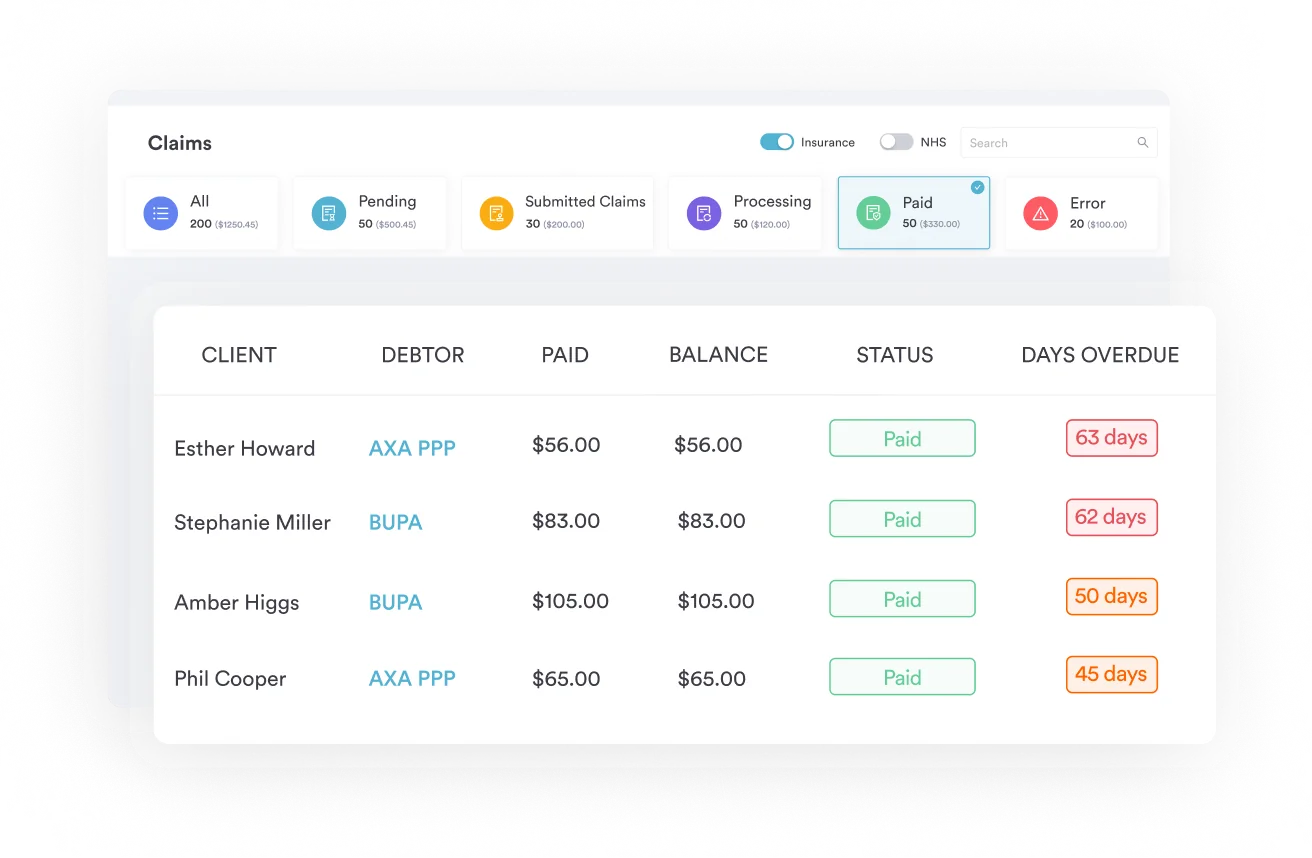
Medicare pays J3090 under the Part B drug benefit using Average Sales Price (ASP) plus 6%. CMS updates ASP-based payment rates every quarter.
Any rate you read on a coding reference reflects the quarter the data was pulled. Verify it against the current CMS Physician Fee Schedule lookup tool before you quote a figure to a patient or a payer.
Several practical points shape how reimbursement flows for this code:
Pull the current J3090 ASP rate each quarter straight from the CMS ASP drug pricing file before you submit a large batch of claims. A rate change mid-quarter leaves you underpaid if your fee schedule still holds the old figure. Flag J-code drug rates for quarterly review in your billing workflow.
CMS requires the National Drug Code (NDC) on Medicare Part B drug claims for J3090. The NDC ties the exact product dispensed to the HCPCS code billed, which is what makes the claim verifiable and the record audit-ready. Merck Sharp and Dohme labels Sivextro under NDC labeler code 67919, and the package code varies by presentation.
The FDA package code prints on the carton as 67919-040-02, which becomes 67919-0040-02 in the 11-digit billing format. Read the code off the label of the vial you actually used. Confirm it against the current CMS quarterly NDC crosswalk release before the claim goes out.
NDC submission format: Submit the 11 digits with no hyphens in Loop 2410 of the 837P claim. The CMS-1500 form has an equivalent field. Include the unit qualifier and the quantity dispensed. The qualifiers are UN for unit, ML for milliliter, GR for gram, and F2 for international unit.
For a single 200 mg vial, that means an NDC quantity of 1 with the UN qualifier, and 200 in the HCPCS units field. The two numbers describe different things, and mixing them up is what produces a claim billed for 1 unit of drug.
Every J3090 claim needs a diagnosis code that establishes medical necessity. Sivextro is approved for ABSSSI, so the supporting ICD-10-CM codes come from the skin and subcutaneous tissue infection chapters. A diagnosis that does not match a covered ABSSSI indication is one of the most predictable denial reasons on a drug claim.
Use the most specific ICD-10-CM code the documentation supports. Site codes in the L02 and L03 blocks are easy to transpose, so read the fourth and fifth characters carefully. L02.211 sits on the abdominal wall, while a facial abscess is L02.01.
For a wound infection after a procedure, add a secondary code for the causative organism. Where the culture result is available, that might be B95.62 for MRSA. Payers that apply Local Coverage Determinations for IV antibiotics often want that organism-level detail before they authorize Sivextro.
Digital intake forms that capture the infection site and culture findings at the first visit put the right code within reach at claim time.
Modifiers tell the payer where the drug went in and whether the service stands on its own. They also show how the dose relates to everything else on the claim. Most J3090 claims from an outpatient setting need at least one.
The infusion itself is reported separately from the drug, usually with 96365 for the first hour. That pairing is where modifier 59 comes in, because claim edit software sometimes bundles the two lines.
The JA modifier belongs on every Sivextro claim. Without it, many Medicare Administrative Contractors and commercial payers pend or deny the line for modifier clarification. Adding it at charge entry is part of what makes a clean claim on first submission.
Clean J3090 claims rest on four pieces of documentation. Miss any one of them and the claim comes back. Practices running automated billing workflows build these four checks into the pre-submission queue instead of trusting a coder’s memory.
Traditional Medicare does not require prior authorization for J3090 in most Medicare Administrative Contractor jurisdictions, though individual Medicare Advantage plans differ. Commercial payers vary far more.
Many run step therapy and want proof that a cheaper antibiotic failed or was inappropriate. Prior authorization software saves a round of faxes here.
A prior authorization request for J3090 usually needs four things:
Track the approval number and its expiry date alongside the patient record, because the number has to appear on every claim line it covers. An approval that expires mid-course turns day five of a six-day regimen into an unpaid infusion.
J3090 can be billed across several care settings. The place of service (POS) code on the claim decides which fee schedule and payment rate apply.
CMS confirms the ASC payment indicator for J3090 each year in the ASC Payment System final rule. Pass-through status under OPPS is a time-limited designation CMS assigns to newer drugs, so check the current year’s IOCE data for J3090.
Storing a place-of-service default against each treatment location is the simplest way to stop POS mismatches reaching the payer.
Coders working with ABSSSI patients meet several drug codes alongside J3090. Picking the wrong one because two descriptors look alike produces overpayments, denials, and a familiar audit flag. The table below sets out the codes that sit closest to J3090, including two that are easy to confuse.
Two rows in that table cause most of the trouble. Vancomycin is J0878’s usual step therapy partner‘s usual step therapy partner, and its own code is J3373 at 10 mg per unit.
J3380 looks like a neighbor of J3090 but describes vedolizumab, a biologic for inflammatory bowel disease. Billing an antibiotic under it is a denial at best.
J3490 is the unclassified drug catch-all. Some billers reach for it when they cannot find J3090 in their system, which delays payment and invites manual review. Code status is worth checking too. Deleted drug codes such as J0970 can sit in a drug master file for years after CMS retires them.
Confirm that J3090 is loaded and mapped in your billing system’s drug master file, with the 1 mg unit attached to it. Practices using IV therapy EMR software with a maintained drug code database run into far fewer substitutions. Prescription management software ties the dispensed drug to its code at order entry.
Run a five-point check on every J-code claim before it goes out. One, units match the documented milligrams. Two, the NDC from the vial label is on the claim. Three, the ABSSSI diagnosis pointer links to J3090. Four, the JA modifier is present. Five, the prior authorization number is attached where the plan requires one. Those five catch most J3090 denials.
Billing a J-code well comes down to one thing: what happened in the treatment room has to reach the claim without being retyped. Hand-offs between clinical staff and billing teams are where unit counts drift, NDCs go missing, and documentation stops matching what was infused.
Practice management software like Pabau keeps the clinical record and the billing workflow in one system. The treatment note captures the drug, the dose in milligrams, and the infusion times. That data carries into the claim, so the J3090 unit count matches the documented dose with no manual conversion step in between.
From there, claims go out electronically through our Claim.MD integration, so the drug line, the NDC, and the diagnosis pointer travel together to the payer. Documentation templates cover the fields payers audit: order date, drug name and NDC, dose given, route, infusion start and stop times, and the attending clinician.
Every field a clean J3090 claim needs is captured at the point of care, so nobody reconstructs the infusion from memory a week later. Every Pabau subscription includes the full feature set, so claims, records, and documentation all come in the box.

Pabau records the dose, route, and NDC in the treatment note, then carries them straight into the claim. Your J-code billing stays accurate and audit-ready without a second spreadsheet.

J3090 is an easy code to get right and an easy one to underbill. Two numbers decide it: 200 units for a 200 mg dose, and the 11-digit NDC read off the vial you actually used. Get those two into the claim and most of the denial risk on this code disappears.
Doing it consistently is a documentation problem rather than a coding one. The dose has to be recorded where the biller can see it, at the moment it is infused. Practices that fix that once stop rechecking every J-code claim by hand.
If your practice bills antibiotic injections and wants fewer J-code denials, book a demo and see how Pabau moves dose documentation straight into the claim.

Coding pain without a clear cause? Unspecified pain diagnosis code covers ICD-10 code R52, billable only when no site, cause, or chronicity is documented.
Billing the nursing time around an infusion? HCPCS code T1001 explains how nursing assessment and evaluation is reported and documented.
Working with another infusion drug code? HCPCS code J2323 walks through unit calculation and payer rules for a second IV biologic.
Coding a patient’s unexplained fatigue? Fatigue diagnosis and billing guide explains how to code ICD-10 R53.83 for fatigue documented as the presenting complaint.
HCPCS code J3090 is the billing code for injection of tedizolid phosphate, 1 mg, sold as Sivextro. Medicare, Medicaid, and commercial payers use it to reimburse outpatient administration of this oxazolidinone antibiotic for acute bacterial skin and skin structure infections (ABSSSI).
200 units per standard dose. J3090 bills at 1 unit per 1 mg of tedizolid phosphate given. The FDA-approved Sivextro IV dose is 200 mg once daily, so each infusion needs 200 units on the claim. Submitting 1 unit for a 200 mg dose is the most common undercoding error.
Medicare reimburses J3090 at Average Sales Price plus 6% under the Part B drug benefit. The dollar amount changes every quarter. Verify the current rate in the CMS ASP drug pricing file for the applicable quarter. Do that before you build a patient estimate or update a fee schedule.
Traditional fee-for-service Medicare generally does not require prior authorization for J3090, but Medicare Advantage and most commercial payers do. Many commercial plans want step therapy documentation showing the patient failed vancomycin or daptomycin, or was not a candidate for either. Check with the plan before you administer.
The Sivextro HCPCS code is J3090, injection, tedizolid phosphate, 1 mg. J3490 is the unclassified drug code, used only where no specific HCPCS J-code exists for a drug. Never submit Sivextro under J3490, because it triggers manual review, delays payment, and can be denied outright.
Sivextro NDCs sit under labeler code 67919, which is Merck Sharp and Dohme. The FDA package code for the 200 mg single-dose vial is 67919-040-02, a carton of ten vials, which becomes 67919-0040-02 in the 11-digit billing format. Confirm the code on the vial label against the current CMS NDC crosswalk file. Submit it without hyphens, using the UN qualifier and a quantity of 1 per vial.
CMS sets the ASC payment indicator for J3090 each year in the ASC Payment System final rule. Confirm the current indicator in the CMS IOCE data file for the fiscal year of service. In an ambulatory surgical center, use POS code 24 and check whether the drug is bundled into the ASC payment or separately payable.